Antitumor Efficacy of Arylquin 1 through Dose-Dependent Cytotoxicity, Apoptosis Induction, and Synergy with Radiotherapy in Glioblastoma Models
Ann-Shung Lieu, Yu-Chi Pan, Jia-Hau Lee, Yuan-Chin Hsieh, Chien-Ju Lin, Ya-Ling Hsu, Kung-Chao Chang, Shih-Hsun Kuo, Tzu-Ting Tseng, Hung-Pei Tsai

TL;DR
Arylquin 1 shows promise as a glioblastoma treatment by killing cancer cells, inducing apoptosis, and working well with radiotherapy.
Contribution
Arylquin 1's dose-dependent antitumor effects and radiosensitizing properties in glioblastoma are newly demonstrated.
Findings
Arylquin 1 significantly reduced GBM cell viability and increased apoptosis in vitro.
In vivo experiments showed tumor growth reduction in mice treated with Arylquin 1.
Combining Arylquin 1 with radiotherapy enhanced antitumor efficacy.
Abstract
Glioblastoma (GBM), the most aggressive form of brain cancer, is characterized by rapid growth and resistance to conventional therapies. Current treatments offer limited effectiveness, leading to poor survival rates and the need for novel therapeutic strategies. Arylquin 1 has emerged as a potential therapeutic candidate because of its unique mechanism of inducing apoptosis in cancer cells without affecting normal cells. This study investigated the efficacy of Arylquin 1 against GBM using the GBM8401 and A172 cells by assessing its dose-dependent cytotoxicity, apoptosis induction, and synergy with radiotherapy. In vitro assays demonstrated a significant reduction in cell viability and increased apoptosis, particularly at high concentrations of Arylquin 1. Migration and invasion analyses revealed notable inhibition of cellular motility. In vivo experiments on NU/NU nude mice with…
Genes, proteins, chemicals, diseases, species, mutations and cell lines named across the full text — each resolved to its canonical identifier and authoritative record.
Click any figure to enlarge with its caption.
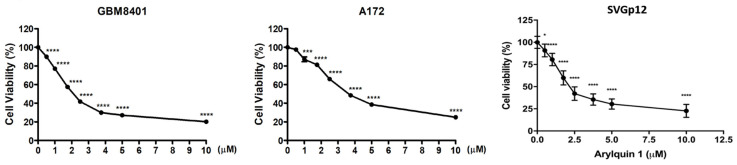 Figure 1
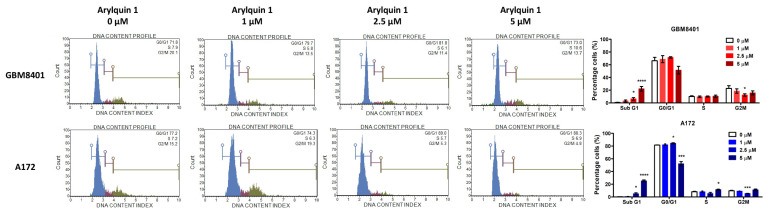 Figure 2
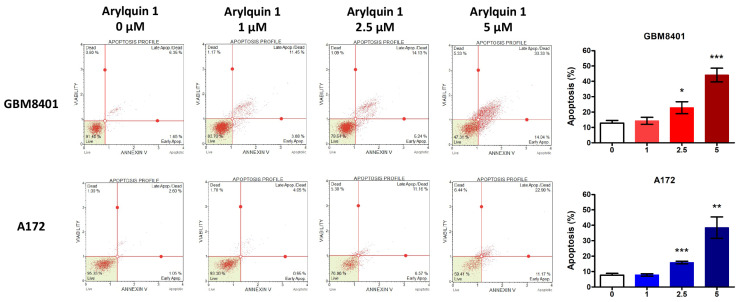 Figure 3
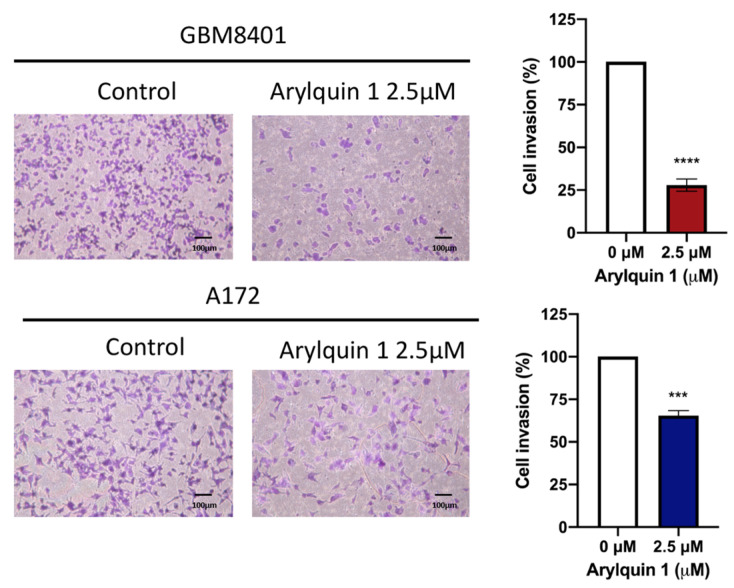 Figure 4
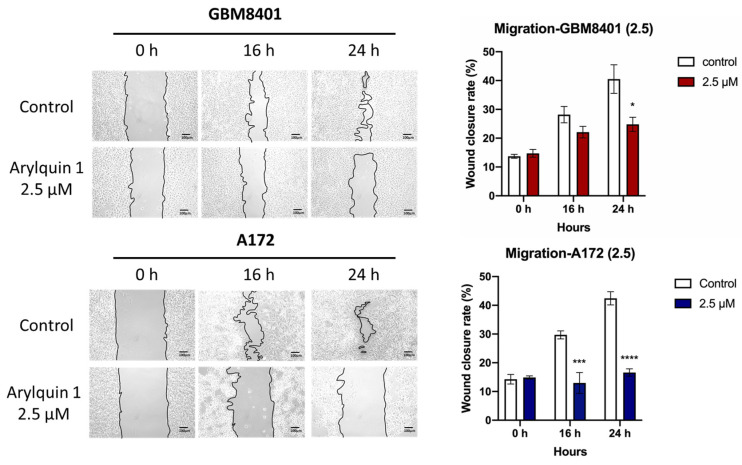 Figure 5
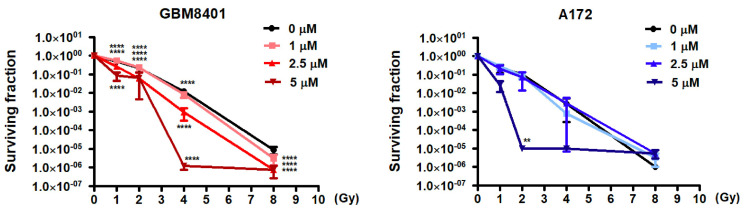 Figure 6
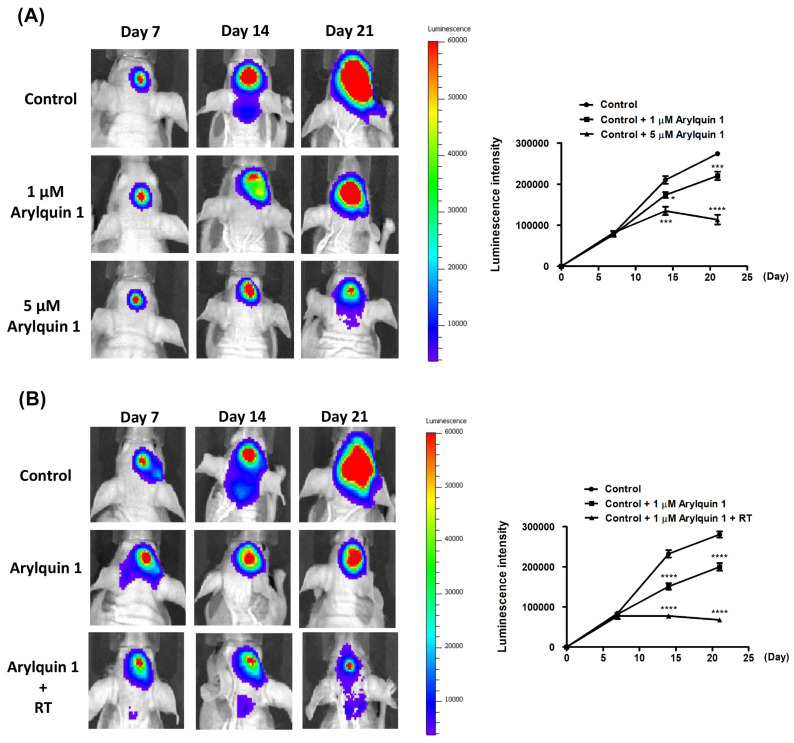 Figure 7
Peer Reviews
No public reviews on file for this paper yet. If you reviewed it on a platform where reviews are public (OpenReview, ICLR, NeurIPS, ICML), you can paste yours below so the community can read it here.
Videos
No videos yet. Explain this paper in a talk, walkthrough, or lecture? Add one.
Taxonomy
TopicsGlobal Public Health Policies and Epidemiology