The Role of Artificial Intelligence in the Identification and Evaluation of Bone Fractures
Andrew Tieu, Ezriel Kroen, Yonaton Kadish, Zelong Liu, Nikhil Patel, Alexander Zhou, Alara Yilmaz, Stephanie Lee, Timothy Deyer

TL;DR
This paper reviews how AI, especially deep learning, is being used to detect and assess bone fractures in medical imaging, with a focus on its performance and future potential.
Contribution
The paper systematically reviews current AI methods and commercial tools for fracture detection, highlighting their performance and limitations.
Findings
AI models show diagnostic accuracy and efficiency comparable or superior to clinicians for fracture detection.
Commercial AI tools are available for integration into clinical workflows for fracture evaluation.
Current limitations include variability in performance across different fracture types and anatomical regions.
Abstract
Artificial intelligence (AI), particularly deep learning, has made enormous strides in medical imaging analysis. In the field of musculoskeletal radiology, deep-learning models are actively being developed for the identification and evaluation of bone fractures. These methods provide numerous benefits to radiologists such as increased diagnostic accuracy and efficiency while also achieving standalone performances comparable or superior to clinician readers. Various algorithms are already commercially available for integration into clinical workflows, with the potential to improve healthcare delivery and shape the future practice of radiology. In this systematic review, we explore the performance of current AI methods in the identification and evaluation of fractures, particularly those in the ankle, wrist, hip, and ribs. We also discuss current commercially available products for…
Genes, proteins, chemicals, diseases, species, mutations and cell lines named across the full text — each resolved to its canonical identifier and authoritative record.
Click any figure to enlarge with its caption.
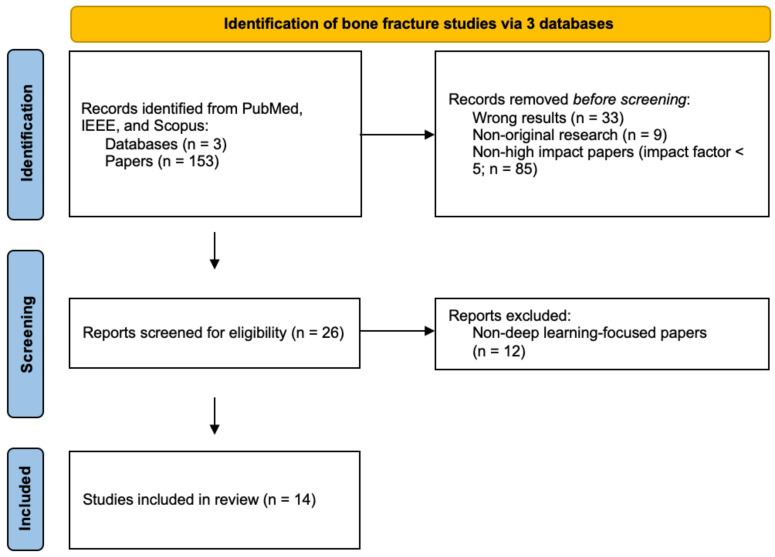 Figure 1
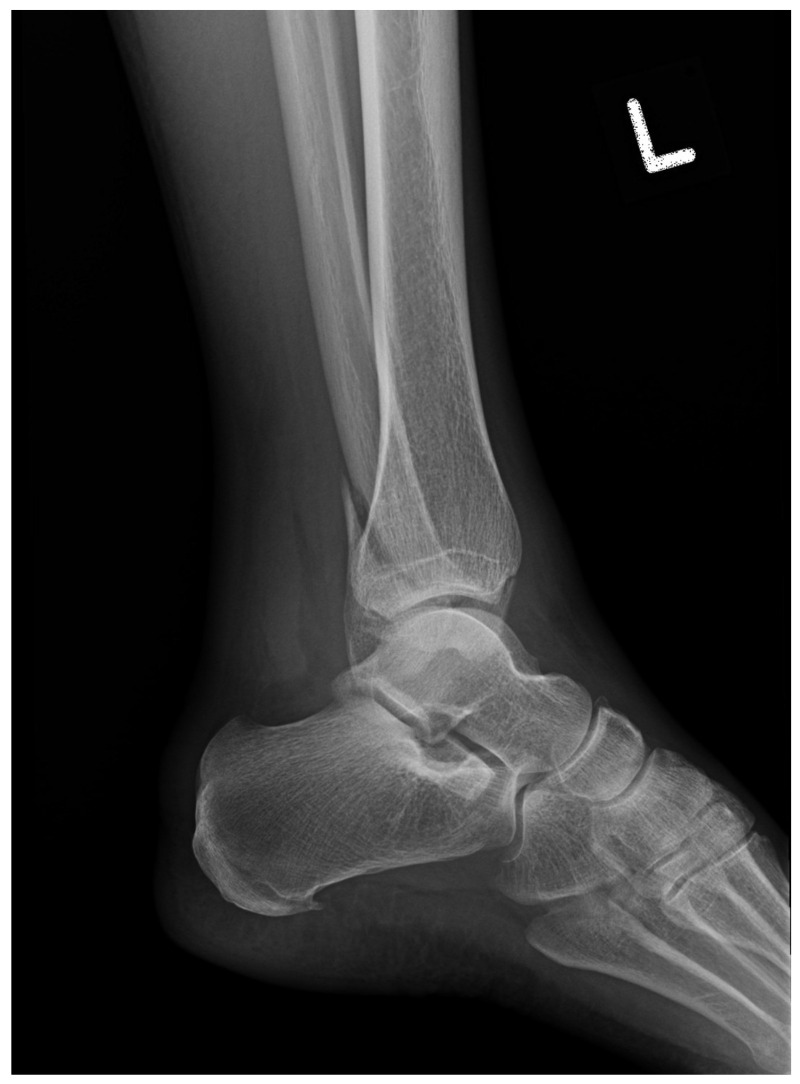 Figure 2
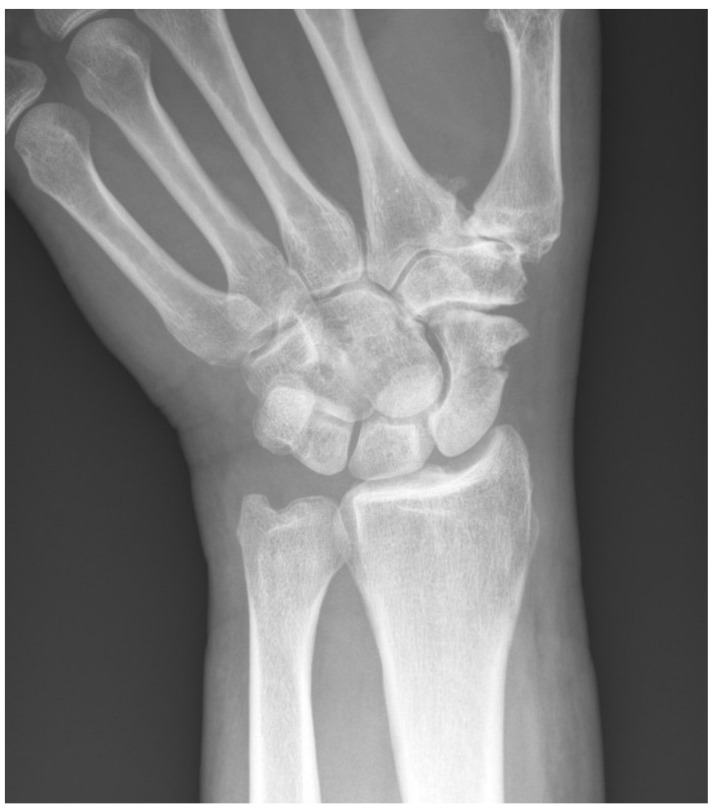 Figure 3
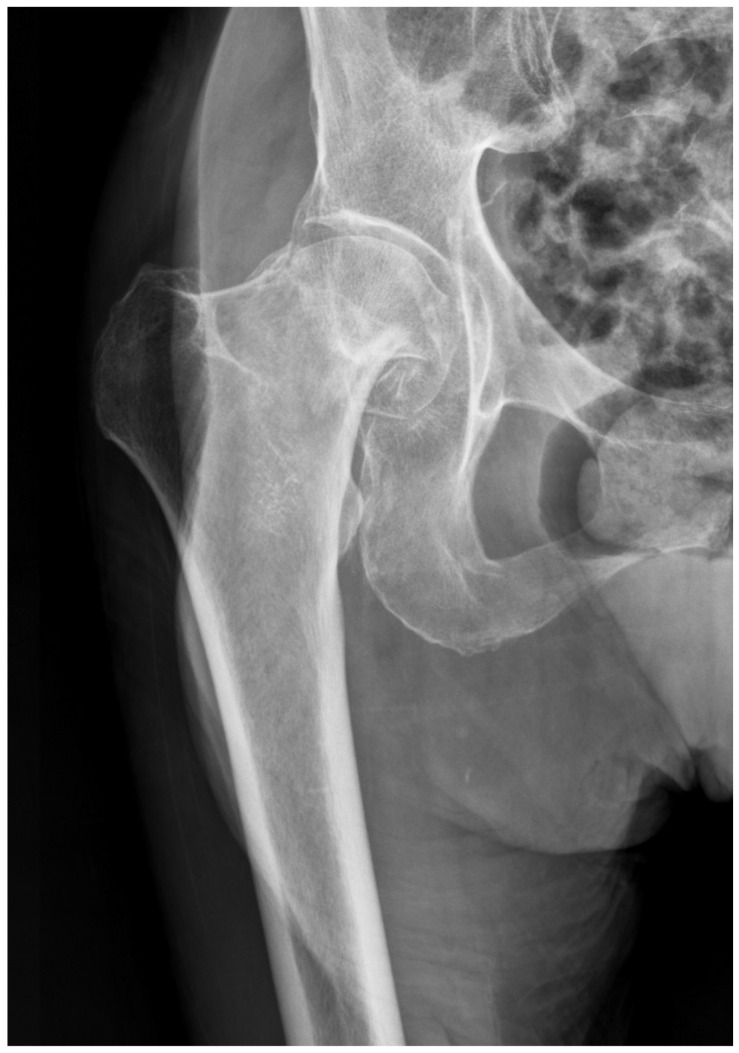 Figure 4
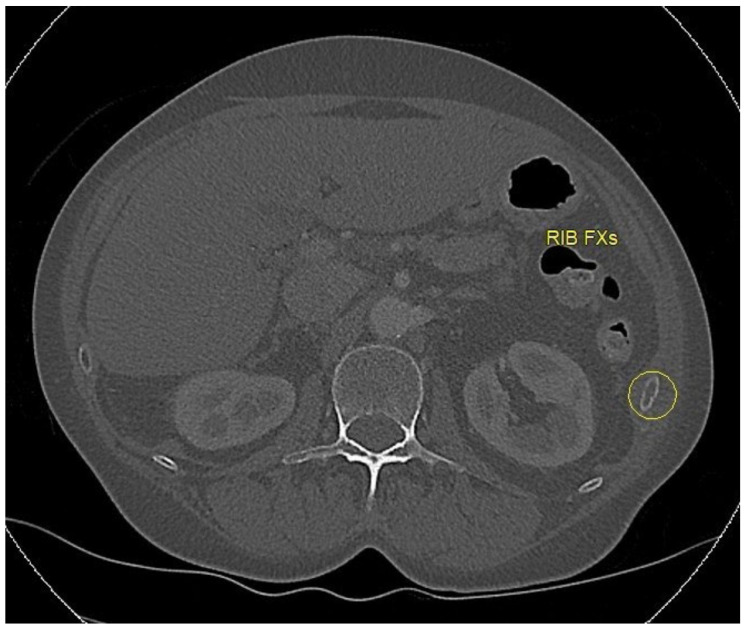 Figure 5
Peer Reviews
No public reviews on file for this paper yet. If you reviewed it on a platform where reviews are public (OpenReview, ICLR, NeurIPS, ICML), you can paste yours below so the community can read it here.
Videos
No videos yet. Explain this paper in a talk, walkthrough, or lecture? Add one.
Taxonomy
TopicsSocial Sciences and Policies