Genetic Ablation of Pyruvate Dehydrogenase Kinase Isoform 4 Gene Enhances Recovery from Hyperoxic Lung Injury: Insights into Antioxidant and Inflammatory Mechanisms
Keisuke Watanabe, Akie Kato, Hiroyuki Adachi, Atsuko Noguchi, Hirokazu Arai, Masato Ito, Fumihiko Namba, Tsutomu Takahashi

TL;DR
Removing the PDK4 gene in mice improves recovery from lung damage caused by high oxygen levels in newborns.
Contribution
This study shows that PDK4 gene depletion protects against hyperoxic lung injury in neonatal mice.
Findings
PDK4−/− mice showed improved lung alveolarization after hyperoxia exposure.
PDK4−/− mice had higher MCP-1 protein and mRNA levels compared to wild-type mice under hyperoxia.
IL-6 levels were increased in wild-type mice but not in PDK4−/− mice under hyperoxia.
Abstract
Background: Pyruvate dehydrogenase kinase isoform 4 (PDK4) plays a pivotal role in the regulation of cellular proliferation and apoptosis. The objective of this study was to examine whether the genetic depletion of the PDK4 gene attenuates hyperoxia-induced lung injury in neonatal mice. Methods: Neonatal PDK4−/− mice and wild-type (WT) mice were exposed to oxygen concentrations of 21% (normoxia) and 95% (hyperoxia) for the first 4 days of life. Pulmonary histological assessments were performed, and the mRNA levels of lung PDK4, monocyte chemoattractant protein (MCP)-1 and interleukin (IL)-6 were assessed. The levels of inflammatory cytokines in lung tissue were quantified. Results: Following convalescence from neonatal hyperoxia, PDK4−/− mice exhibited improved lung alveolarization. Notably, PDK4−/− mice displayed significantly elevated MCP-1 protein levels in pulmonary tissues…
Genes, proteins, chemicals, diseases, species, mutations and cell lines named across the full text — each resolved to its canonical identifier and authoritative record.
Click any figure to enlarge with its caption.
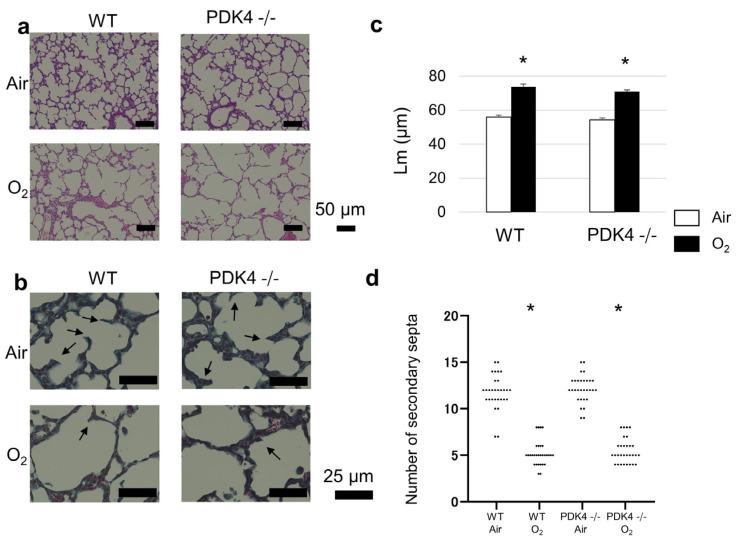 Figure 1
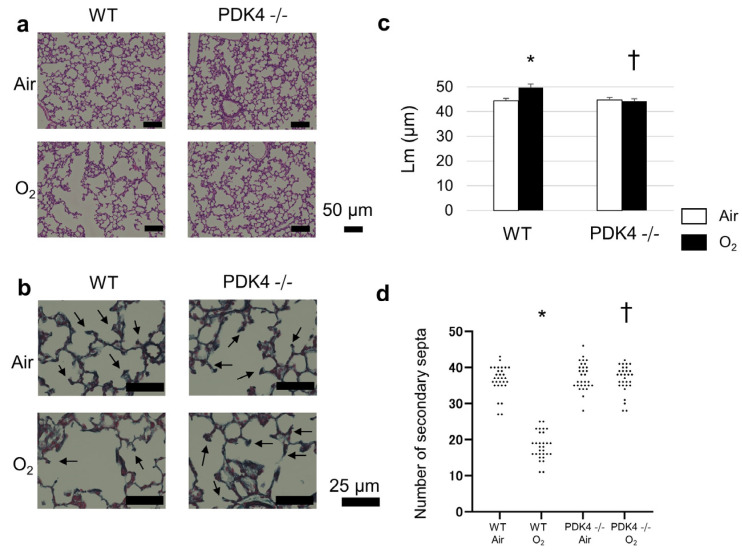 Figure 2
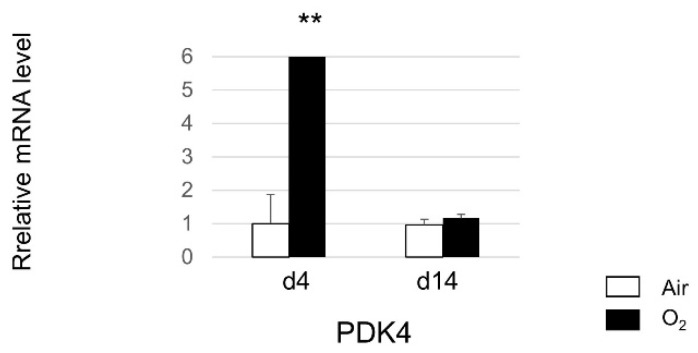 Figure 3
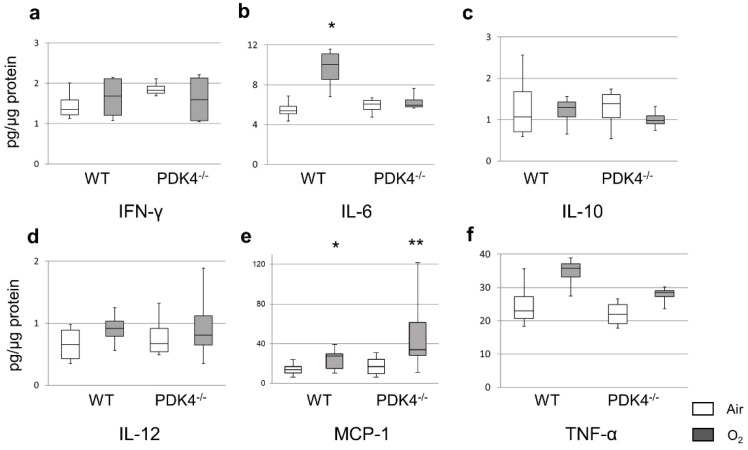 Figure 4
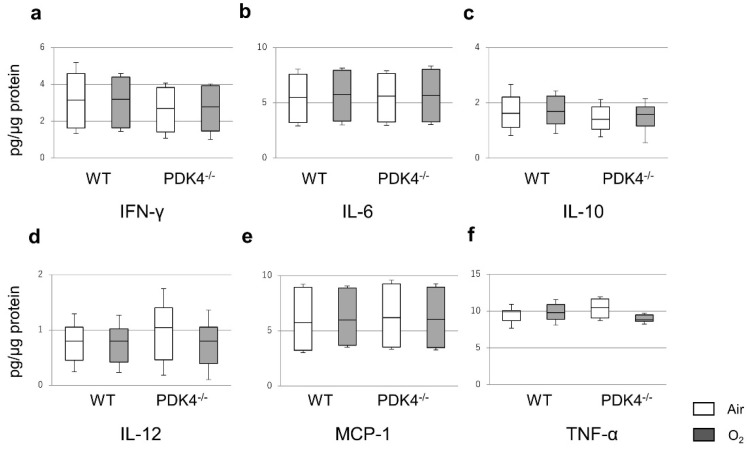 Figure 5
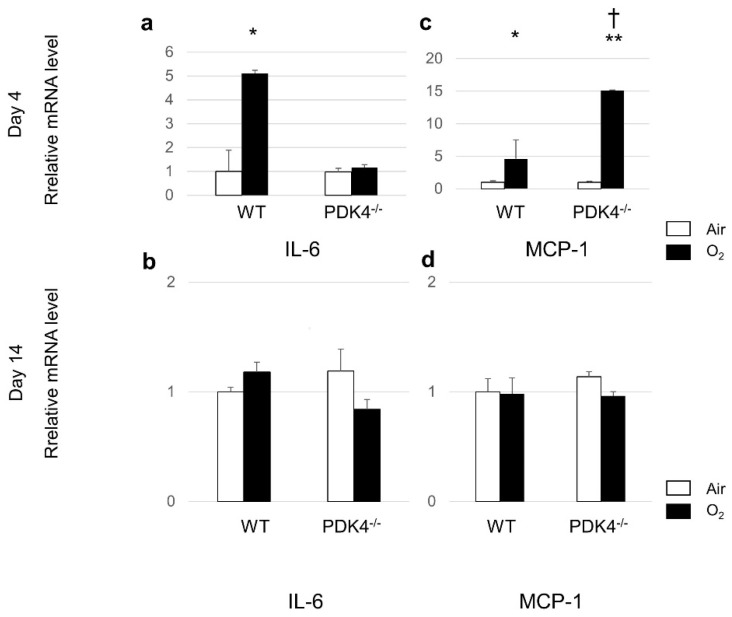 Figure 6
Peer Reviews
No public reviews on file for this paper yet. If you reviewed it on a platform where reviews are public (OpenReview, ICLR, NeurIPS, ICML), you can paste yours below so the community can read it here.
Videos
No videos yet. Explain this paper in a talk, walkthrough, or lecture? Add one.
Taxonomy
TopicsBiochemical Acid Research Studies · Mitochondrial Function and Pathology · ATP Synthase and ATPases Research