Whole-Genome Sequencing Analyses Reveal the Evolution Mechanisms of Typical Biological Features of Decapterus maruadsi
Wen-Jian Deng, Qian-Qian Li, Hao-Nan Shuai, Ren-Xie Wu, Su-Fang Niu, Qing-Hua Wang, Ben-Ben Miao

TL;DR
This study provides a high-quality genome for Decapterus maruadsi, revealing genes linked to its fast growth, small size, and high reproduction.
Contribution
The paper presents a chromosome-level genome assembly and identifies genes under positive selection related to key biological traits in D. maruadsi.
Findings
A high-quality genome of D. maruadsi was assembled with 23 chromosomes and 22,716 annotated protein-coding genes.
Genes related to bone, muscle, cardioid, and ovary development were found under positive selection, explaining its biological traits.
The genome resource supports future research in genetic conservation and adaptive evolution of D. maruadsi.
Abstract
In this study, a high-quality chromosomal-level genome of male Decapterus maruadsi was assembled based on Illumina, PacBio, and Hi-C technology. Notably, 23 chromosome-level genome sequences with lengths ranging between 21.74 and 44.53 Mb were assembled. A total of 22,716 protein-coding genes with an average transcript and a CDs length of 12,823.03 bp and 1676.66 bp, respectively, were successfully annotated. Based on positive selection analysis, some genes associated with the growth and development of bone, muscle, cardioid, and ovary were screened. These genes were likely involved in the evolution of typical biological features in D. maruadsi, such as fast growth rate, small body size, and strong fecundity. The newly established reference genome provides a fundamental genome resource for further genetic conservation, genomic-assisted breeding, and exploration of the molecular…
Genes, proteins, chemicals, diseases, species, mutations and cell lines named across the full text — each resolved to its canonical identifier and authoritative record.
Click any figure to enlarge with its caption.
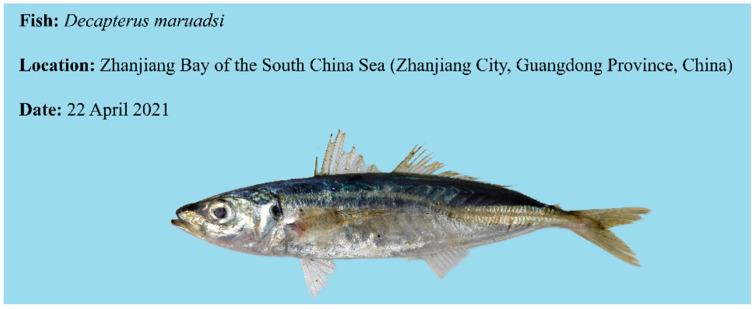 Figure 1
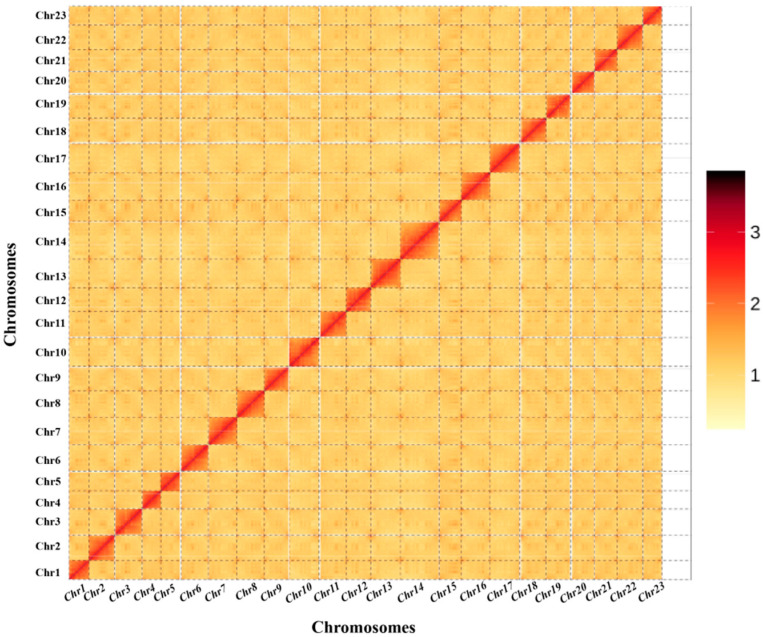 Figure 2
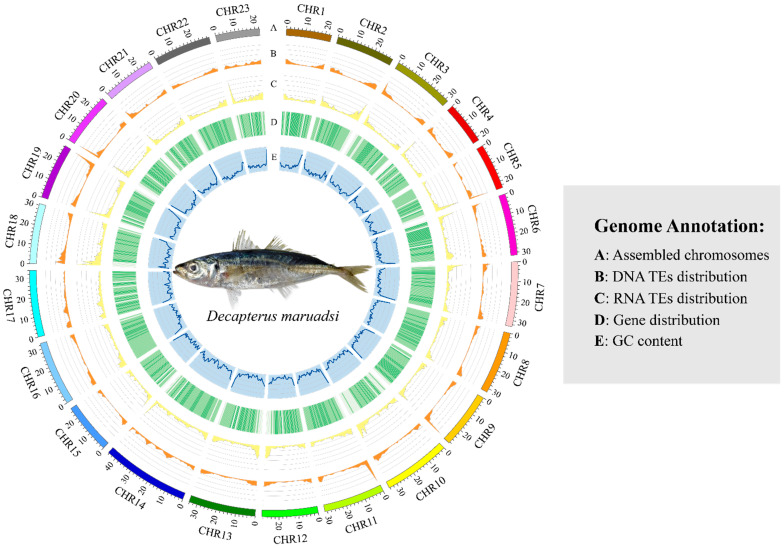 Figure 3
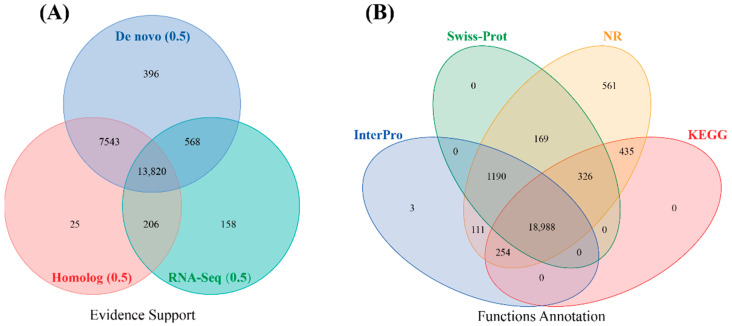 Figure 4
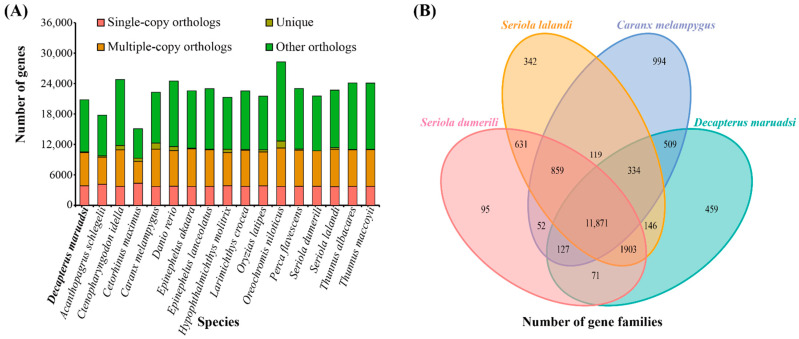 Figure 5
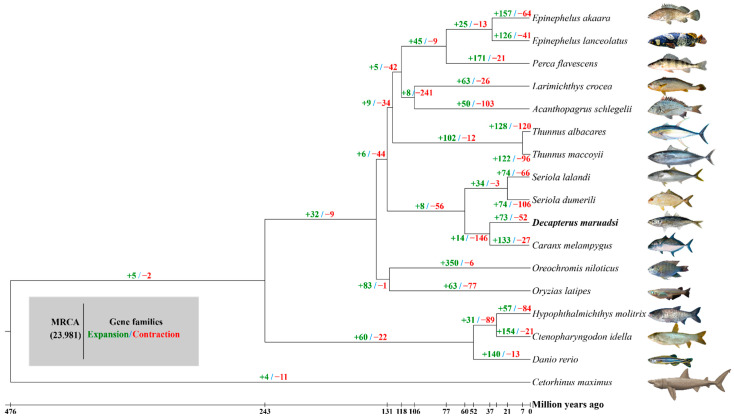 Figure 6
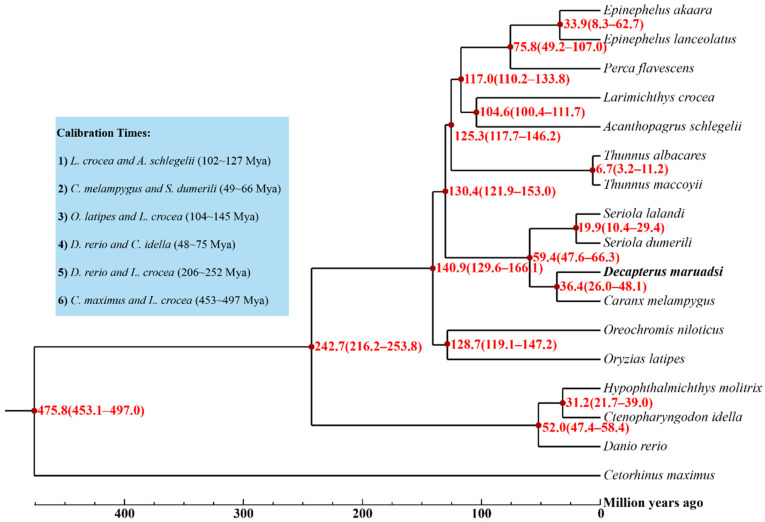 Figure 7
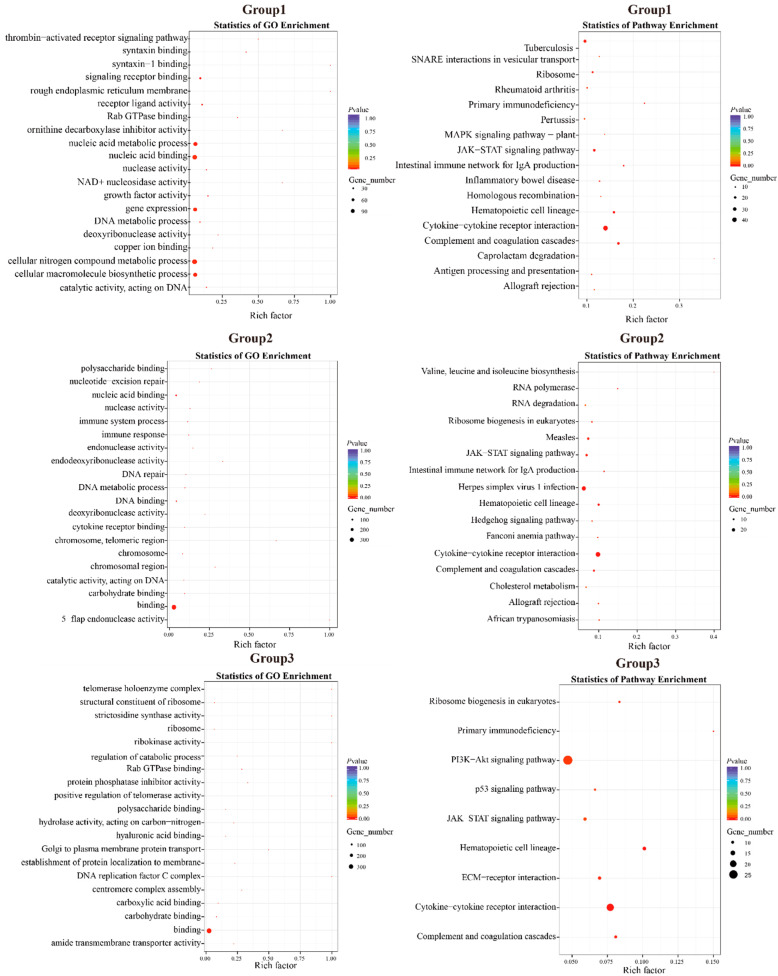 Figure 8
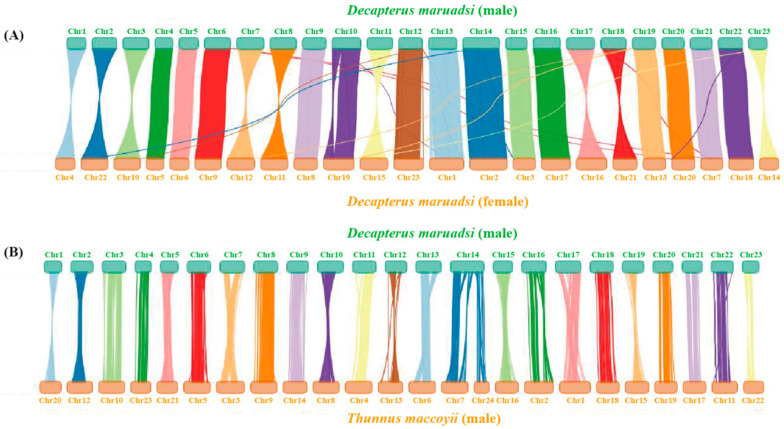 Figure 9
Peer Reviews
No public reviews on file for this paper yet. If you reviewed it on a platform where reviews are public (OpenReview, ICLR, NeurIPS, ICML), you can paste yours below so the community can read it here.
Videos
No videos yet. Explain this paper in a talk, walkthrough, or lecture? Add one.
Taxonomy
TopicsGenomics and Phylogenetic Studies · Genetic diversity and population structure · Identification and Quantification in Food