Unveiling rare and severe complications of respiratory viruses: A diverse case series of influenza A, influenza B, and Covid-19
Sreethish Sasi, Jouhar Kolleri, Fatma Ben Abid, Maliha Thapur, Arun P Nair, Muna Al-Maslamani

Abstract
Genes, proteins, chemicals, diseases, species, mutations and cell lines named across the full text — each resolved to its canonical identifier and authoritative record.
Click any figure to enlarge with its caption.
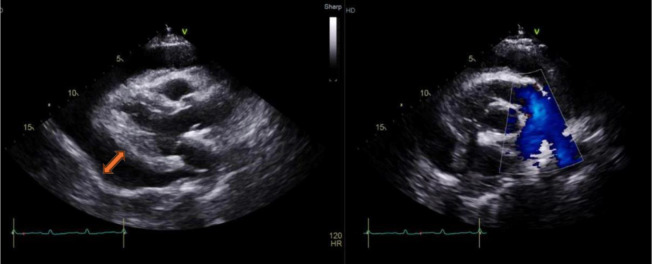 Figure 1
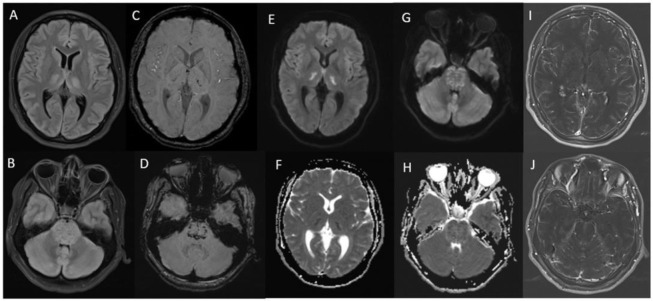 Figure 2
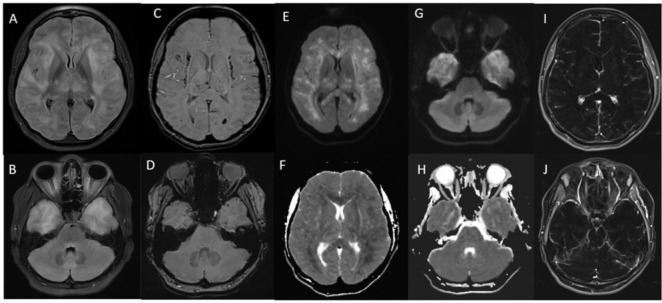 Figure 3
Peer Reviews
No public reviews on file for this paper yet. If you reviewed it on a platform where reviews are public (OpenReview, ICLR, NeurIPS, ICML), you can paste yours below so the community can read it here.
Videos
No videos yet. Explain this paper in a talk, walkthrough, or lecture? Add one.
Taxonomy
TopicsLong-Term Effects of COVID-19 · Respiratory Support and Mechanisms · COVID-19 Clinical Research Studies
Background
A majority of cardiac complications of influenza are related to influenza A.^1^ Coxsackie B, parvovirus B-19, HHV-6, and cytomegalovirus are the most frequently implicated causes of viral myocarditis-related cardiac tamponade.^2^ The viral etiology of some neuro-infections is well described in the literature, especially those related to neurotropic viruses such as poliovirus, coxsackievirus, and enterovirus-71.^3^ This case series explores rare and severe complications associated with respiratory viruses, influenza A, influenza B, and Covid-19.
Case Summaries
Case 1: A 22-year-old woman with influenza B presented with acute dyspnea and was found to have cardiac tamponade (Figure 1). The patient responded well to treatment and was discharged after one week.
Case 2: A 27-year-old woman with influenza A presented with flu-like symptoms, headache, and seizures. Further investigation revealed acute hemorrhagic encephalomyelitis (AHEM) (Figure 2), a rare neurological complication associated with influenza A. Despite initial stabilization, the patient’s condition deteriorated, and she passed away.
Case 3: A 30-year-old woman with Covid-19 presented with fever, headache, and seizures. Imaging showed signs of AHEM (Figure 3), but unlike other similar cases, the patient had only mild respiratory symptoms and no evidence of infection in the cerebrospinal fluid. The patient passed away after a week of hospitalization.
Conclusion
This case series highlights the importance of recognizing and understanding the diverse complications that can arise from respiratory viruses. It emphasizes the need for clinicians to be aware of atypical presentations, including both cardiac and neurological sequelae. By expanding our knowledge of these complications, clinicians can improve early recognition and tailored management, leading to better patient outcomes.
Conflict of Interest
The authors have no conflicts of interest to declare.
The reference list from the paper itself. Each links out to its DOI / PubMed record.
- 1Desai R Raina JS Itare V Jain A Singh S Bhuva R Pericardial tamponade in patients with influenza infection: A systematic review of published cases Circulation 2020;142(3):A 1558710.1161/circ.142.suppl_3.15587 · doi ↗
- 2Badrinath A Bhatta S Kloc A Persistent viral infections and their role in heart disease Frontiers in Microbiology 2022;13:103044010.3389/fmicb.2022.103044036504781 PMC 9730422 · doi ↗ · pubmed ↗
- 3Wouk J Rechenchoski DZ Rodrigues BCD Ribelato EV Faccin-Galhardi LC Viral infections and their relationship to neurological disorders Archives of Virology 2021;166:733–75310.1007/s 00705-021-04959-633502593 PMC 7838016 · doi ↗ · pubmed ↗