Tensorial Properties via the Neuroevolution Potential Framework: Fast Simulation of Infrared and Raman Spectra
Nan Xu, Petter Rosander, Christian Schäfer, Eric Lindgren, Nicklas Österbacka, Mandi Fang, Wei Chen, Yi He, Zheyong Fan, Paul Erhart

TL;DR
This paper introduces a machine learning method called TNEP to efficiently simulate infrared and Raman spectra for molecules and materials.
Contribution
The novel TNEP framework generalizes neuroevolution potentials to predict tensorial properties with improved accuracy and efficiency.
Findings
TNEP models outperform existing ML methods in predicting dipole moment, polarizability, and susceptibility.
The approach successfully predicts infrared and Raman spectra for liquid water, PTAF–, and BaZrO3.
TNEP is implemented in the open-source software gpumd for broad accessibility.
Abstract
Infrared and Raman spectroscopy are widely used for the characterization of gases, liquids, and solids, as the spectra contain a wealth of information concerning, in particular, the dynamics of these systems. Atomic scale simulations can be used to predict such spectra but are often severely limited due to high computational cost or the need for strong approximations that limit the application range and reliability. Here, we introduce a machine learning (ML) accelerated approach that addresses these shortcomings and provides a significant performance boost in terms of data and computational efficiency compared with earlier ML schemes. To this end, we generalize the neuroevolution potential approach to enable the prediction of rank one and two tensors to obtain the tensorial neuroevolution potential (TNEP) scheme. We apply the resulting framework to construct models for the dipole…
Click any figure to enlarge with its caption.
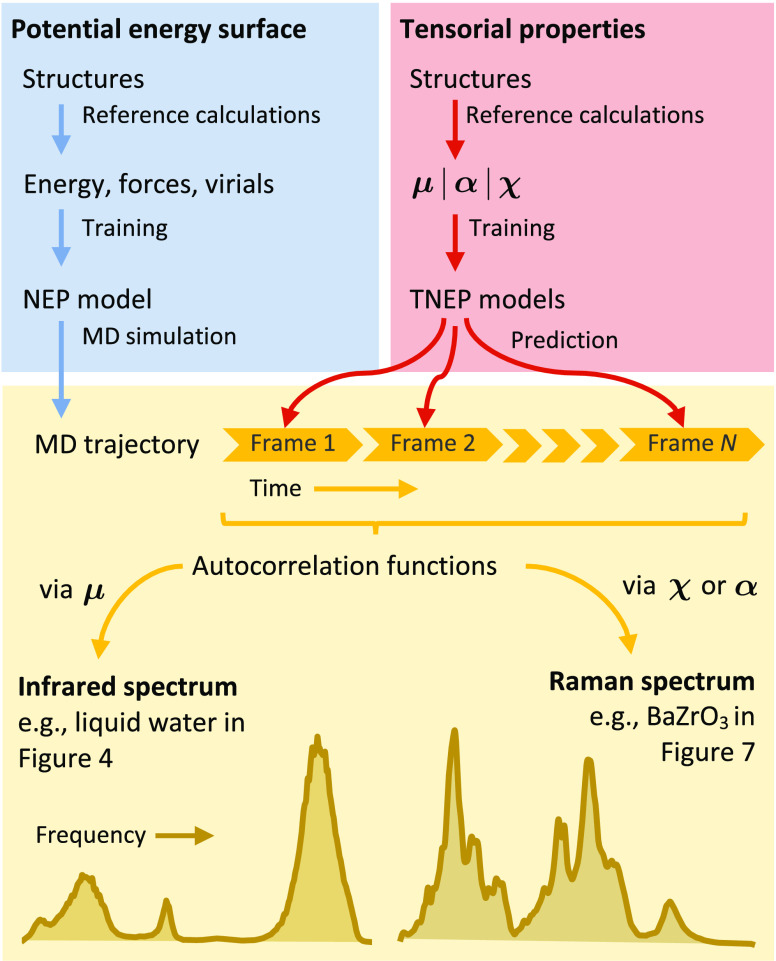 Figure 1
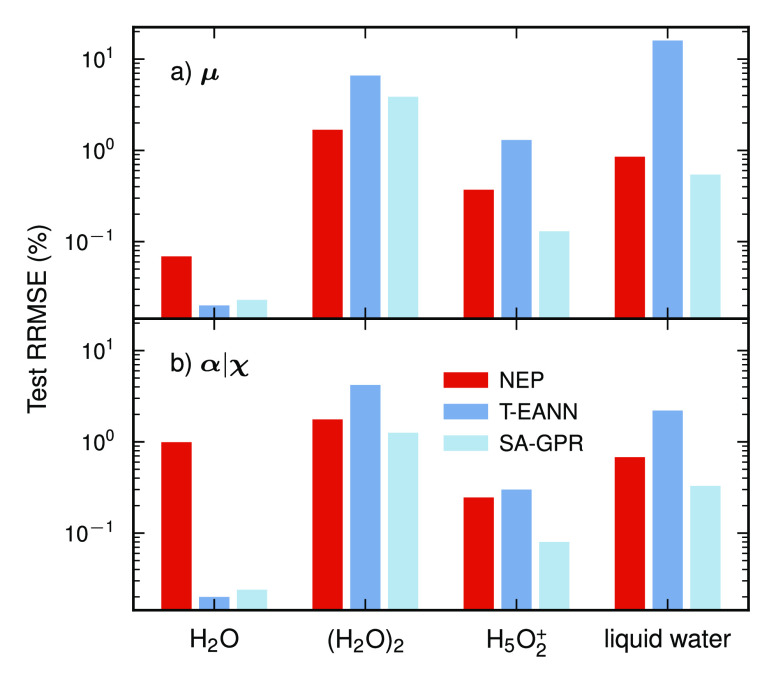 Figure 2
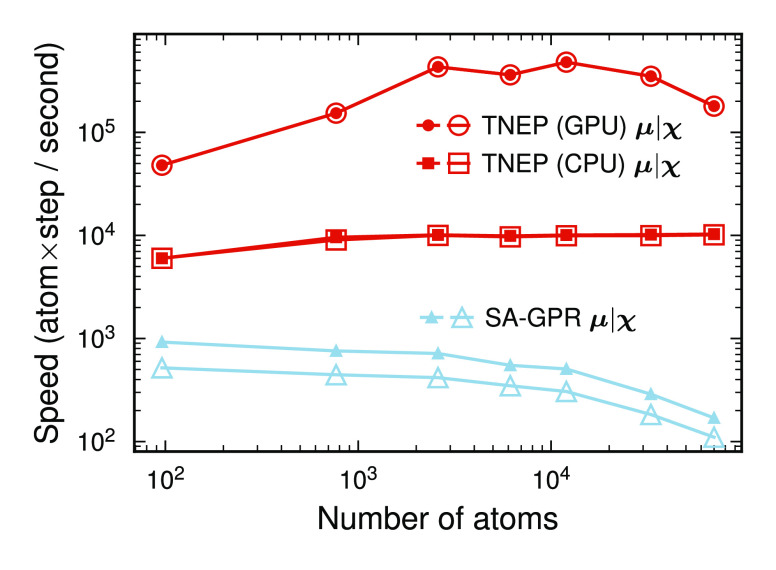 Figure 3
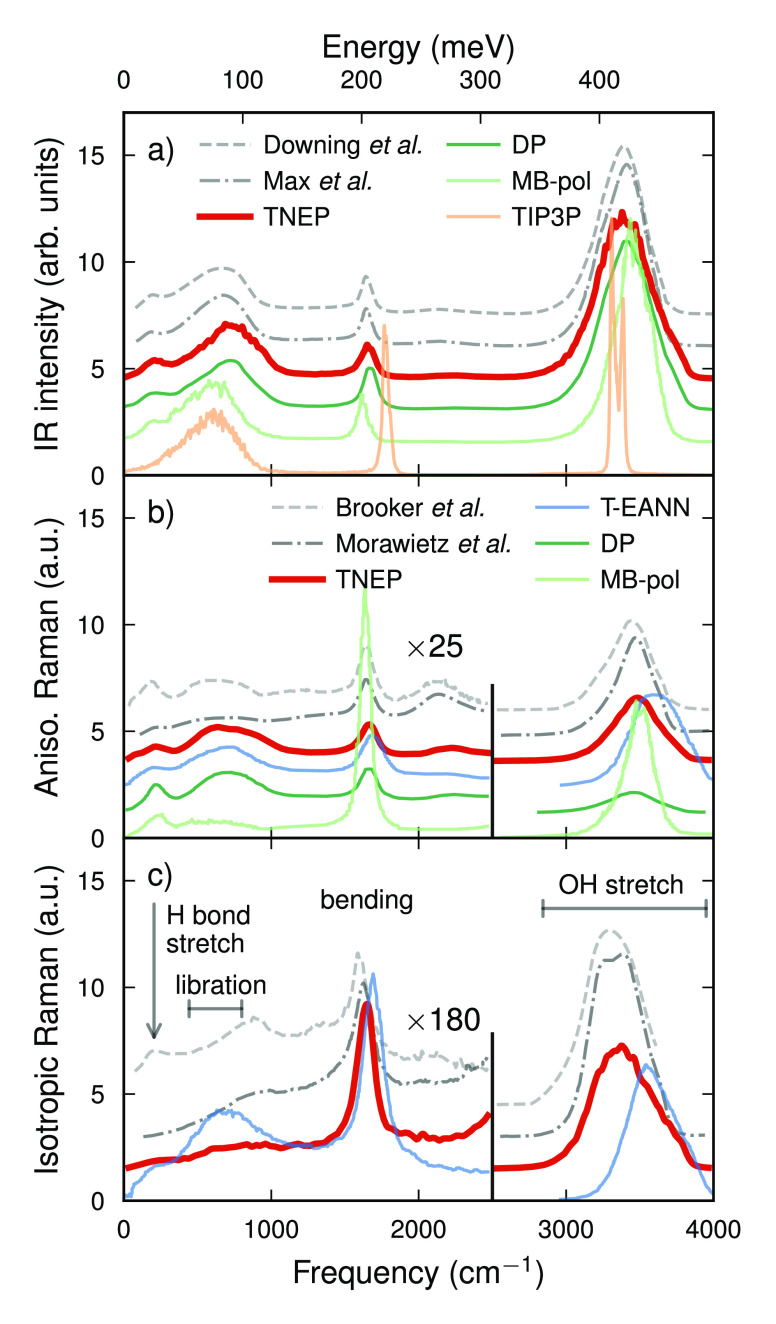 Figure 4
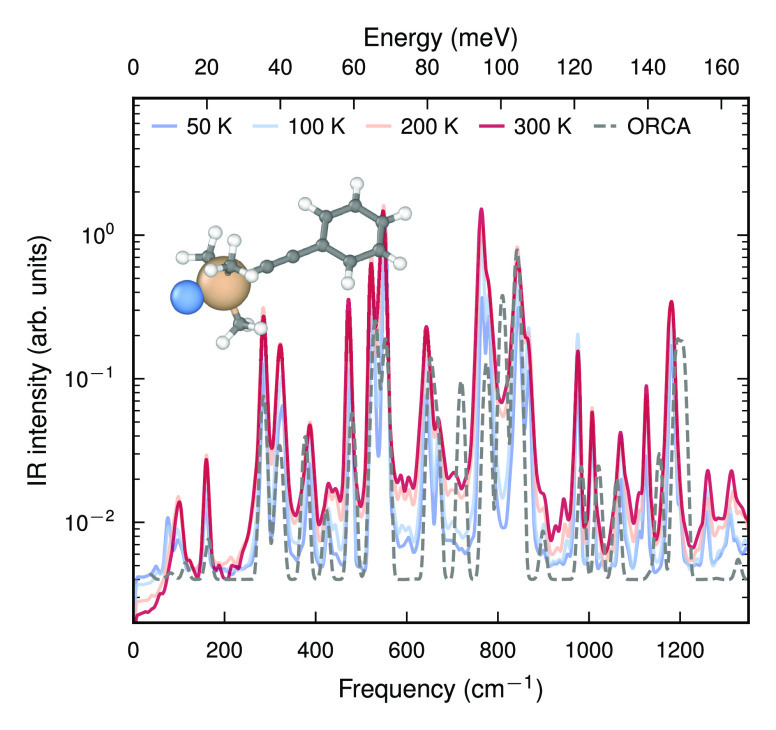 Figure 5
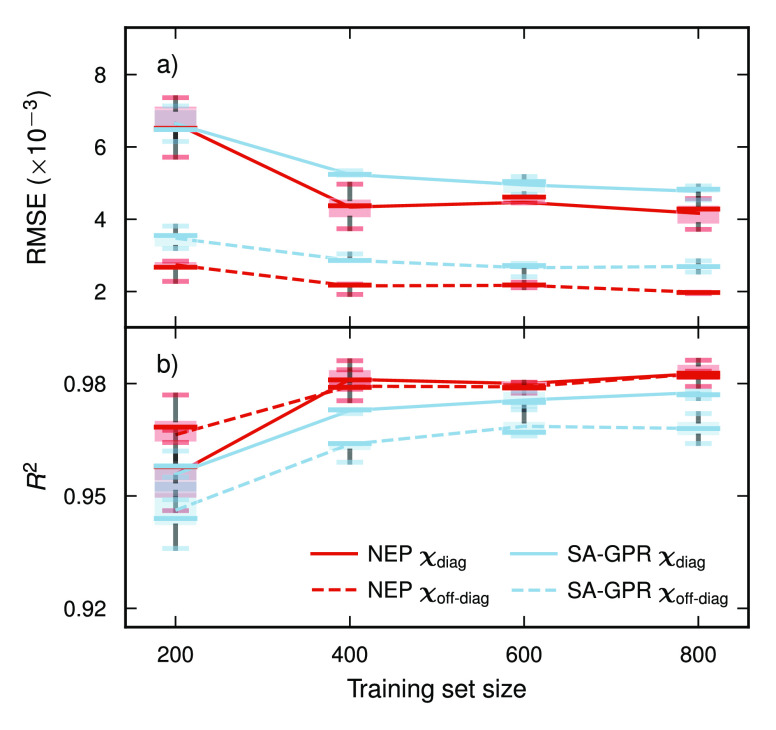 Figure 6
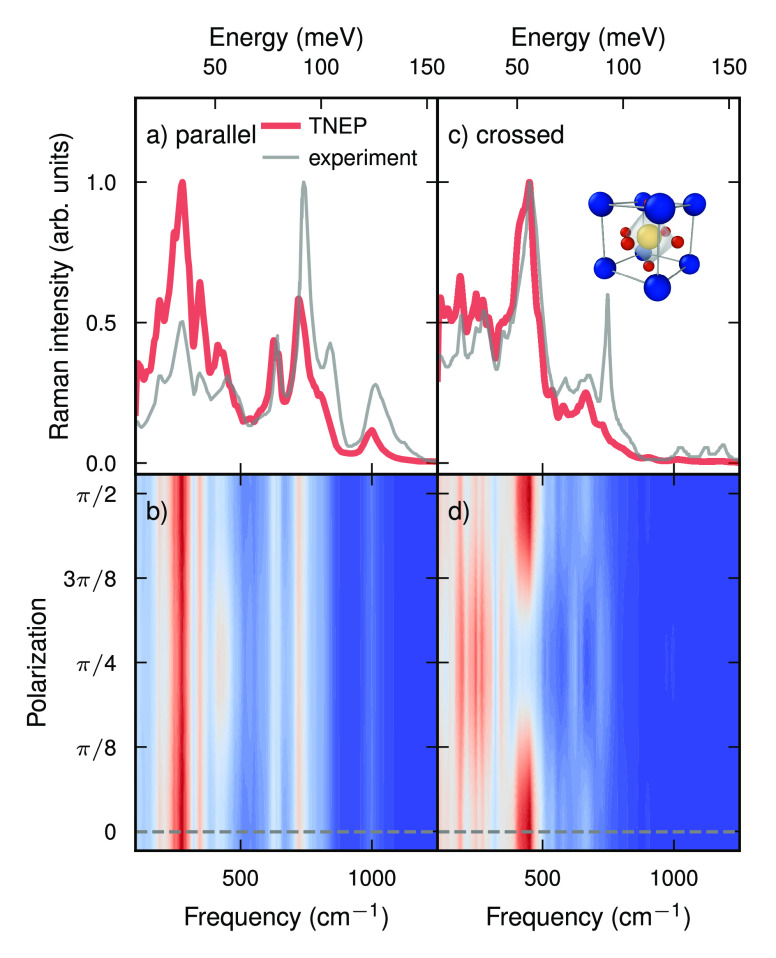 Figure 7
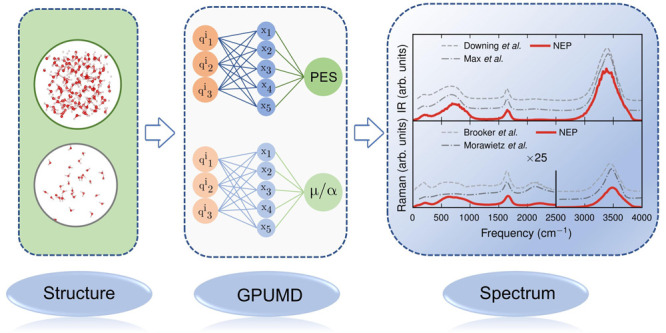 Figure 8
 Figure 9
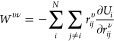 Figure 10
 Figure 11
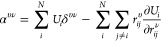 Figure 12
 Figure 13
 Figure 14
 Figure 15
 Figure 16
 Figure 17
 Figure 18
 Figure 19
 Figure 20
 Figure 21
 Figure 22
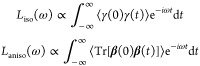 Figure 23
 Figure 24
Peer Reviews
No public reviews on file for this paper yet. If you reviewed it on a platform where reviews are public (OpenReview, ICLR, NeurIPS, ICML), you can paste yours below so the community can read it here.
Videos
No videos yet. Explain this paper in a talk, walkthrough, or lecture? Add one.
Taxonomy
TopicsOcular Surface and Contact Lens