Dynamic Profiling and Binding Affinity Prediction of NBTI Antibacterials against DNA Gyrase Enzyme by Multidimensional Machine Learning and Molecular Dynamics Simulations
Maja Kokot, Nikola Minovski

TL;DR
This paper combines machine learning and simulations to predict how well new antibacterial drugs bind to bacterial enzymes, aiding in drug design.
Contribution
A novel integrated approach combining multidimensional modeling and molecular dynamics simulations for NBTI binding prediction.
Findings
Accurate DNA gyrase models for S. aureus (q2 = 0.791) and E. coli (q2 = 0.806) predict NBTI IC50s.
MD simulations reveal key hydrogen-bonding and hydrophobic interactions of NBTIs with DNA gyrase.
LIE method with custom parameters successfully computes binding free energies for Gram-positive and Gram-negative DNA gyrase.
Abstract
Bacterial type II topoisomerases are well-characterized and clinically important targets for antibacterial chemotherapy. Novel bacterial topoisomerase inhibitors (NBTIs) are a newly disclosed class of antibacterials. Prediction of their binding affinity to these enzymes would be beneficial for de novo design/optimization of new NBTIs. Utilizing in vitro NBTI experimental data, we constructed two comprehensive multidimensional DNA gyrase surrogate models for Staphylococcus aureus (q2 = 0.791) and Escherichia coli (q2 = 0.806). Both models accurately predicted the IC50s of 26 NBTIs from our recent studies. To investigate the NBTI’s dynamic profile and binding to both targets, 10 selected NBTIs underwent molecular dynamics (MD) simulations. The analysis of MD production trajectories confirmed key hydrogen-bonding and hydrophobic contacts that NBTIs establish in both enzymes. Moreover, the…
Genes, proteins, chemicals, diseases, species, mutations and cell lines named across the full text — each resolved to its canonical identifier and authoritative record.
Click any figure to enlarge with its caption.
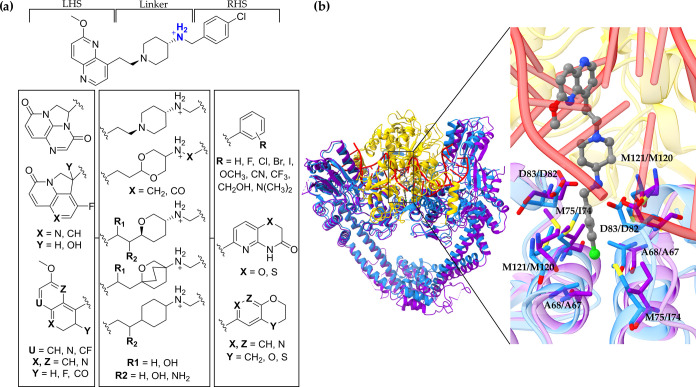 Figure 1
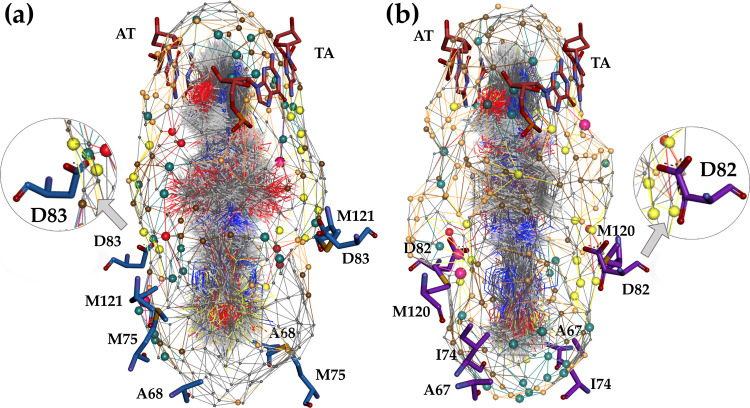 Figure 2
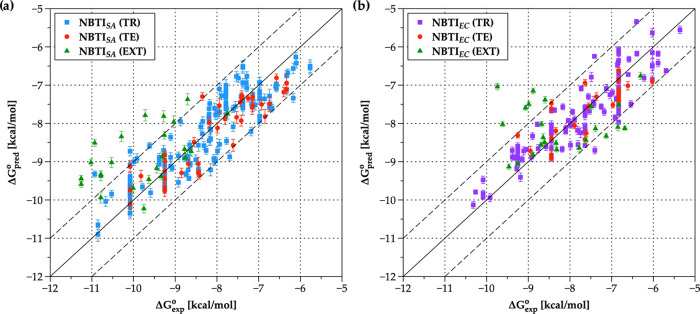 Figure 3
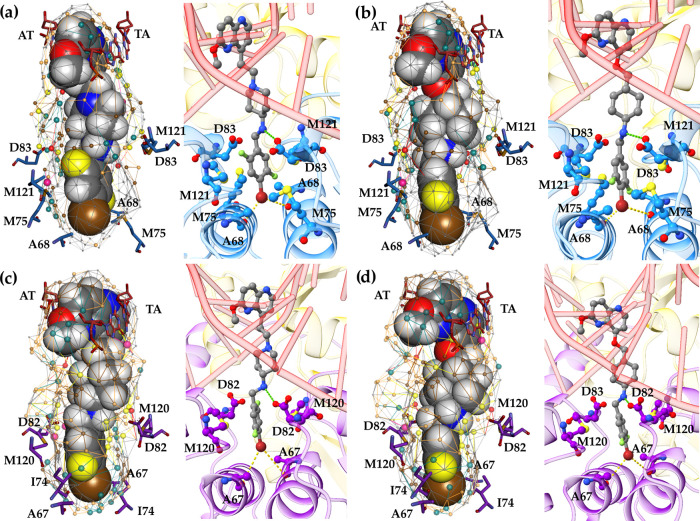 Figure 4
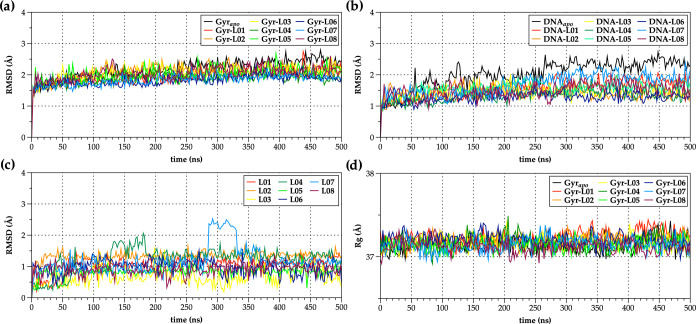 Figure 5
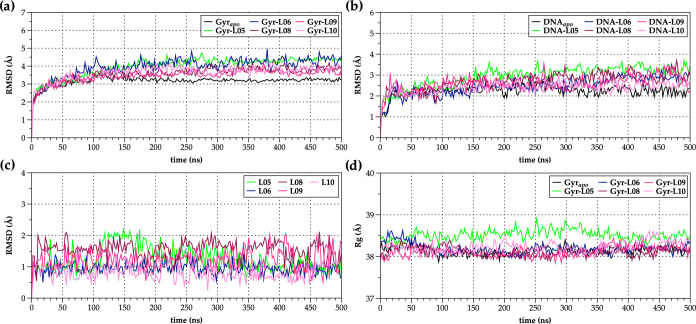 Figure 6
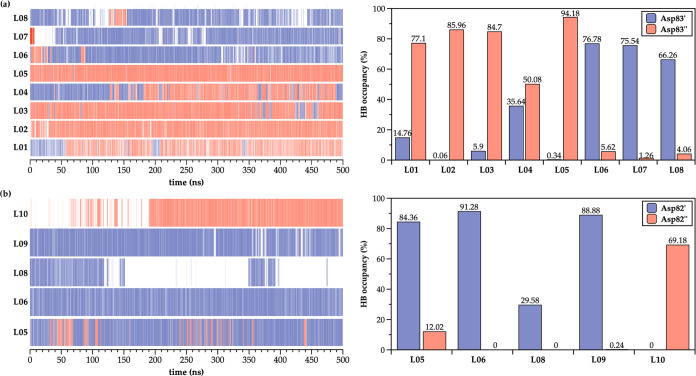 Figure 7
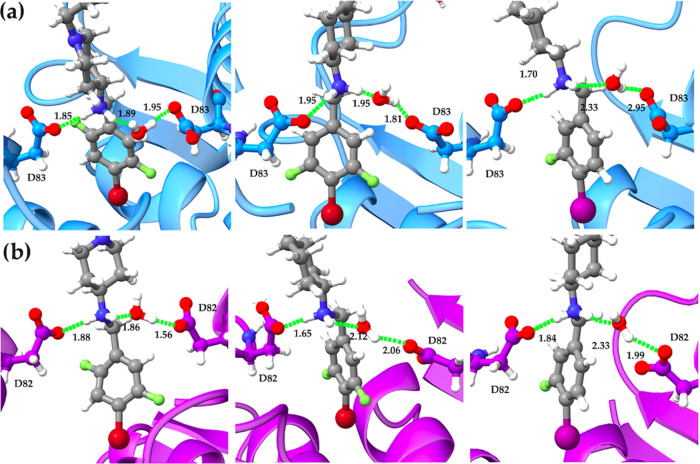 Figure 8
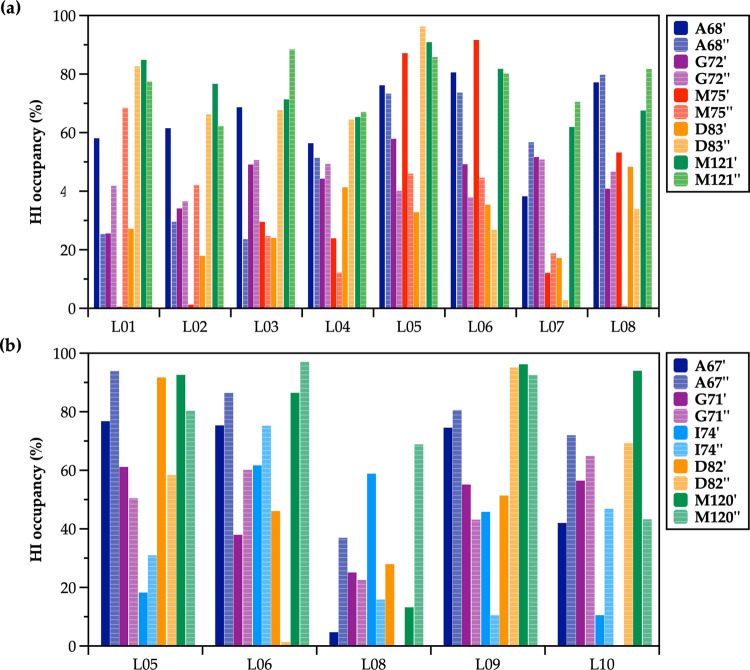 Figure 9
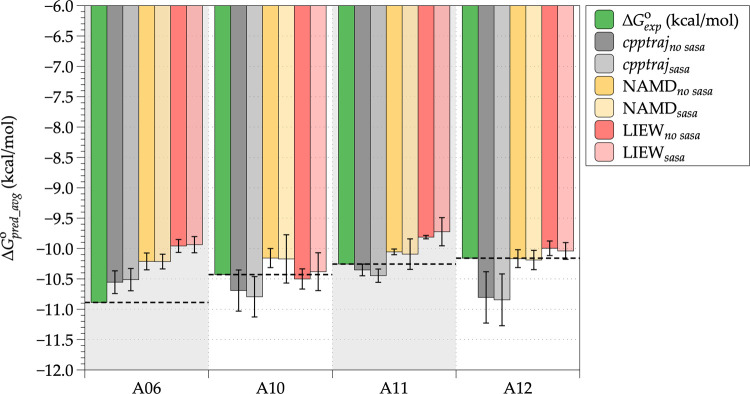 Figure 10
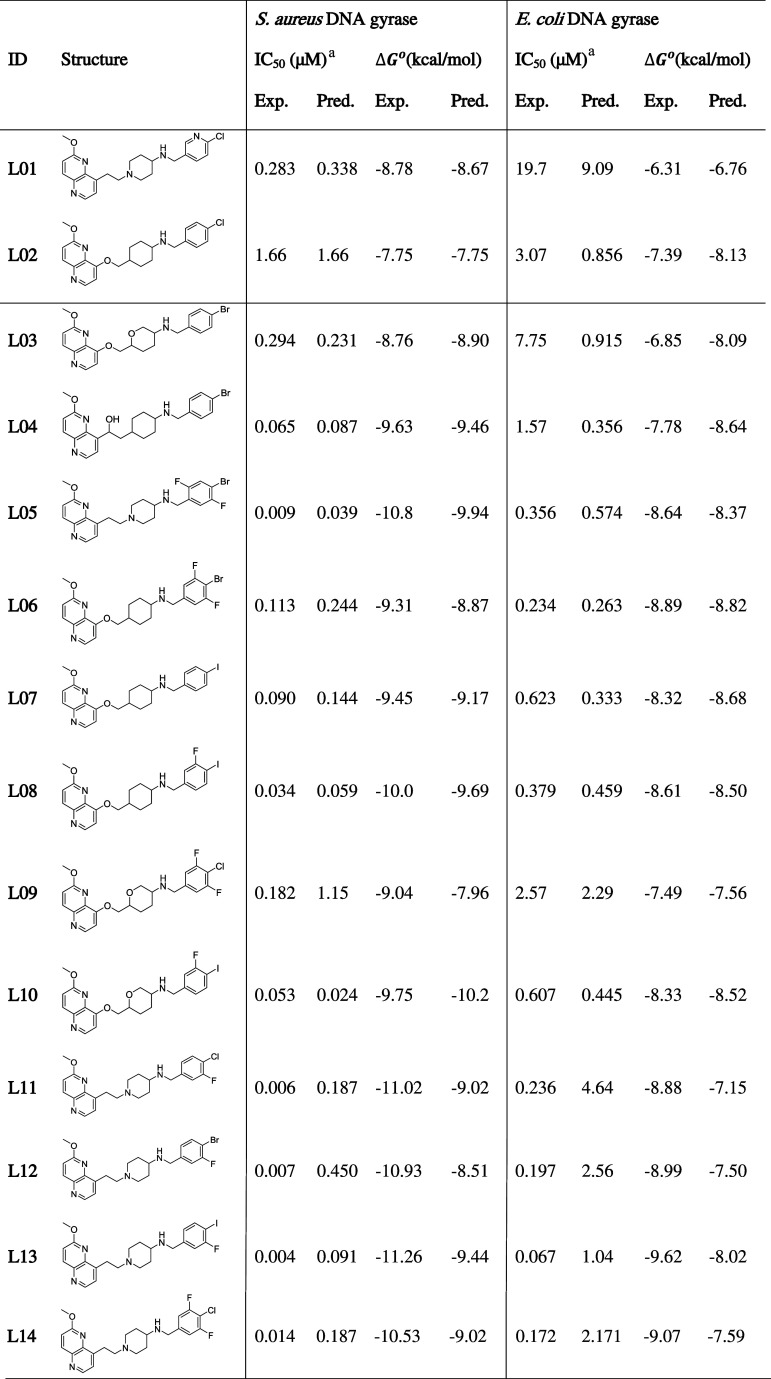 Figure 11
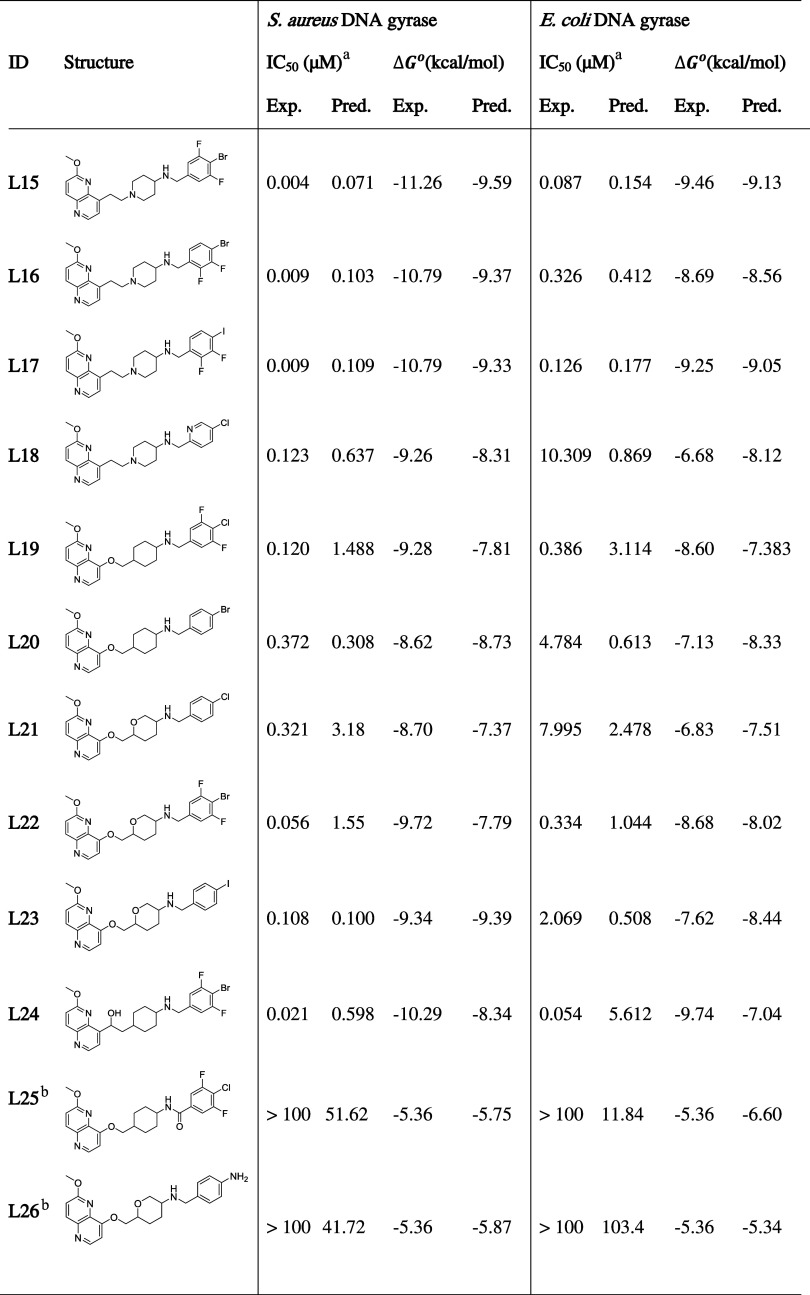 Figure 12
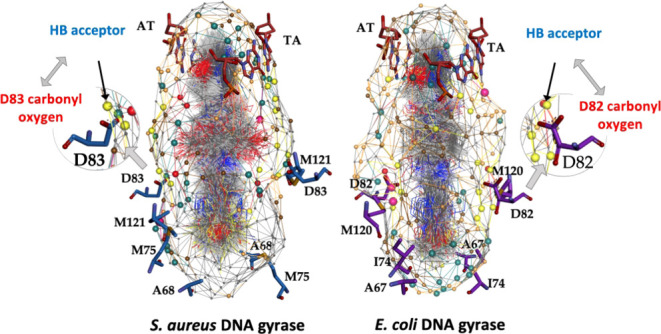 Figure 13
 Figure 14
 Figure 15
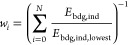 Figure 16
 Figure 17
 Figure 18
 Figure 19
 Figure 20
Peer Reviews
No public reviews on file for this paper yet. If you reviewed it on a platform where reviews are public (OpenReview, ICLR, NeurIPS, ICML), you can paste yours below so the community can read it here.
Videos
No videos yet. Explain this paper in a talk, walkthrough, or lecture? Add one.
Taxonomy
TopicsCancer therapeutics and mechanisms · Antibiotic Resistance in Bacteria · Computational Drug Discovery Methods