Commodity risk assessment of Petunia spp. and Calibrachoa spp. unrooted cuttings from Kenya
Claude Bragard, Paula Baptista, Elisavet Chatzivassiliou, Francesco Di Serio, Paolo Gonthier, Josep Anton Jaques Miret, Annemarie Fejer Justesen, Alan MacLeod, Christer Sven Magnusson, Panagiotis Milonas, Juan A. Navas‐Cortes, Stephen Parnell, Philippe Lucien Reignault

TL;DR
This paper assesses the risk of pests entering the EU through unrooted cuttings of Petunia and Calibrachoa from Kenya.
Contribution
It evaluates both regulated and non-regulated pests using a tailored methodology for risk assessment.
Findings
Sixteen EU-regulated and six non-regulated pests were identified as relevant for risk assessment.
Tetranychus neocaledonicus is the pest most likely to be present on imported cuttings.
Expert judgment estimates 9942 to 10,000 pest-free cuttings per 10,000 with 95% certainty.
Abstract
The European Commission requested the EFSA Panel on Plant Health to evaluate the probability of entry of pests (likelihood of pest freedom at entry), including both regulated and non‐regulated pests, associated with unrooted cuttings of the genera Petunia and Calibrachoa produced under physical isolation in Kenya. The relevance of any pest for this opinion was based on evidence following defined criteria, based on the methodology used for High‐Risk Plants adapted for the specificity of this assessment. Sixteen EU‐regulated pests (Bemisia tabaci, cowpea mild mottle virus, Liriomyza huidobrensis, Liriomyza sativae, Liriomyza trifolii, potato leafroll virus, potato virus S, potato virus X, potato spindle tuber viroid, Ralstonia pseudosolanacearum, R. solanacearum, Scirtothrips dorsalis, tomato mild mottle virus, tomato spotted wilt virus, tomato yellow leaf curl virus and Xanthomonas…
Genes, proteins, chemicals, diseases, species, mutations and cell lines named across the full text — each resolved to its canonical identifier and authoritative record.
Click any figure to enlarge with its caption.
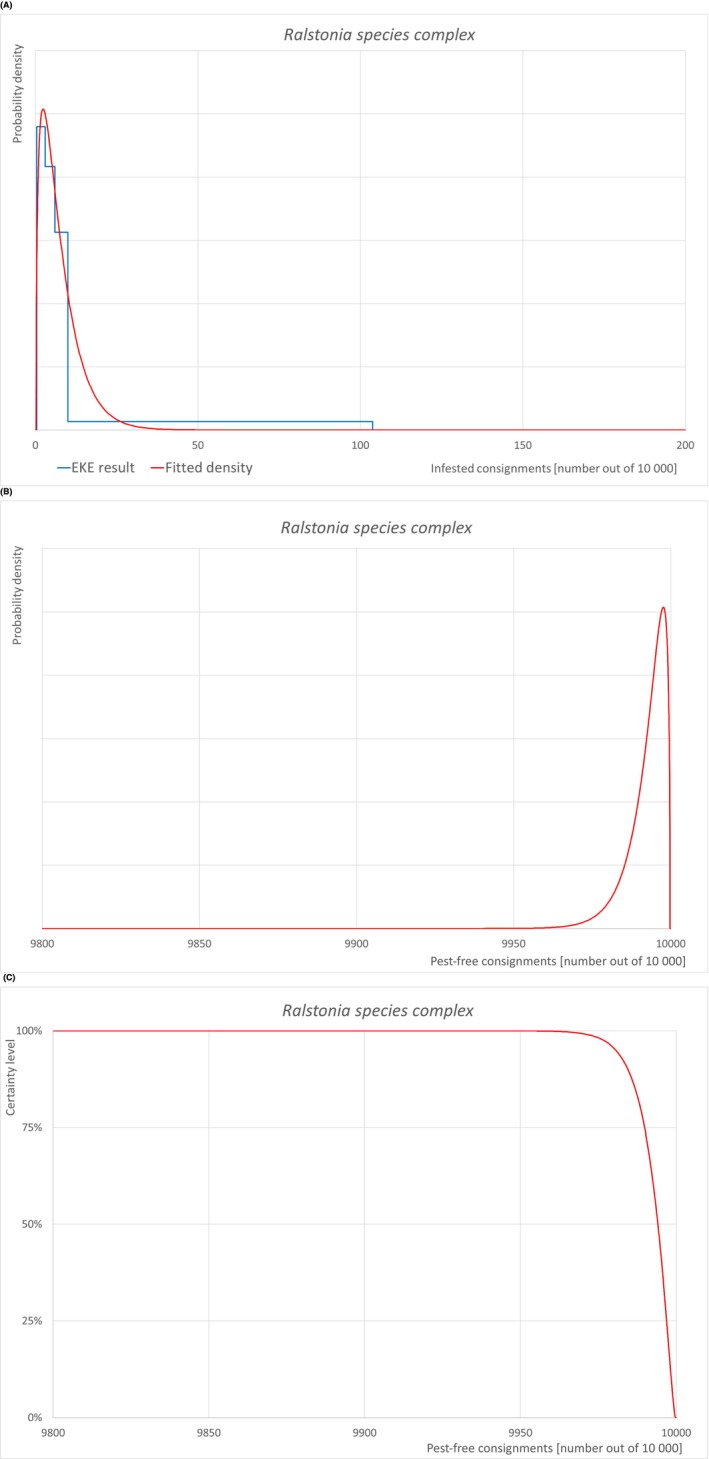 Figure 1
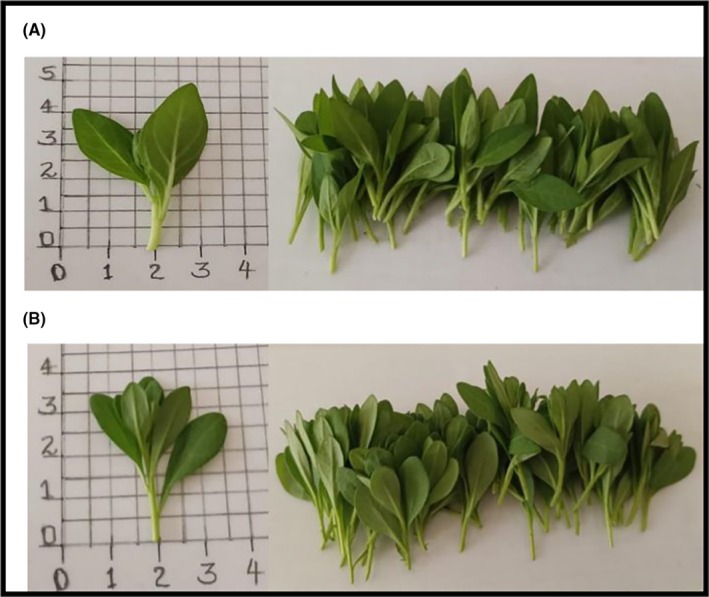 Figure 2
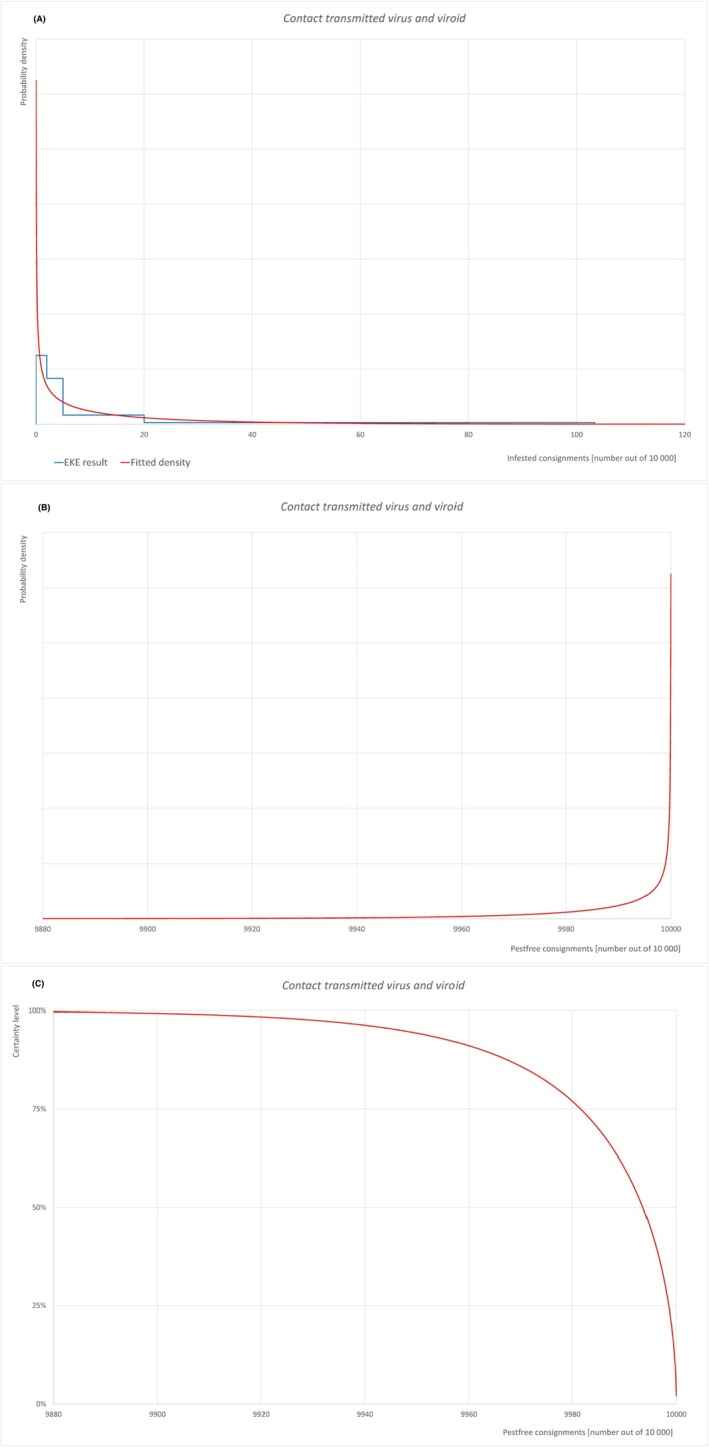 Figure 3
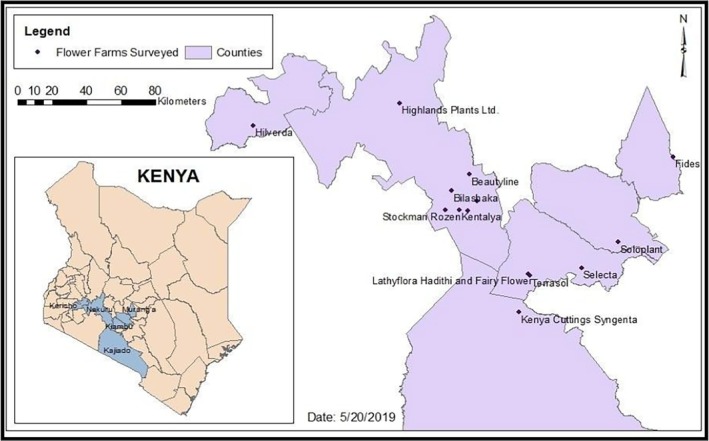 Figure 4
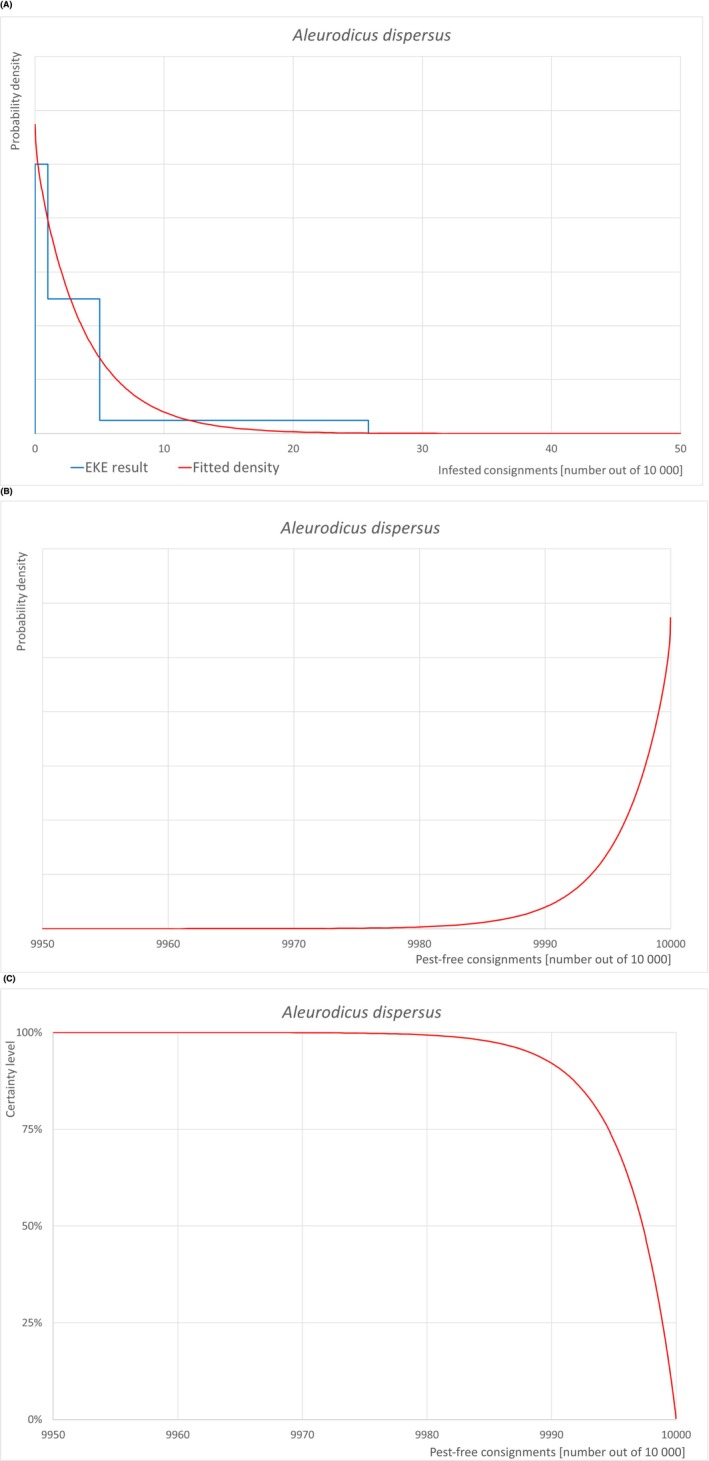 Figure 5
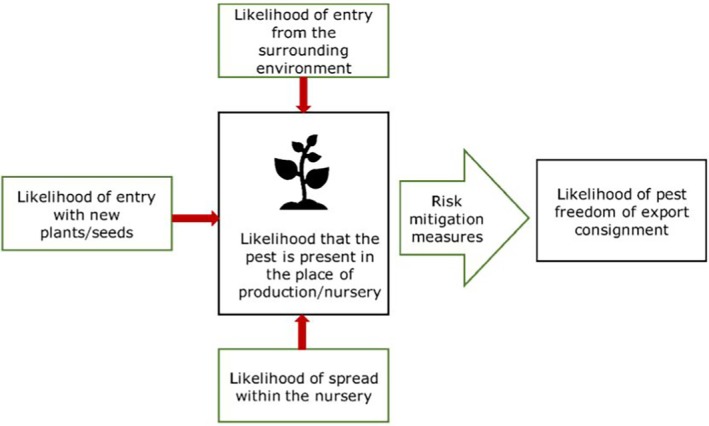 Figure 6
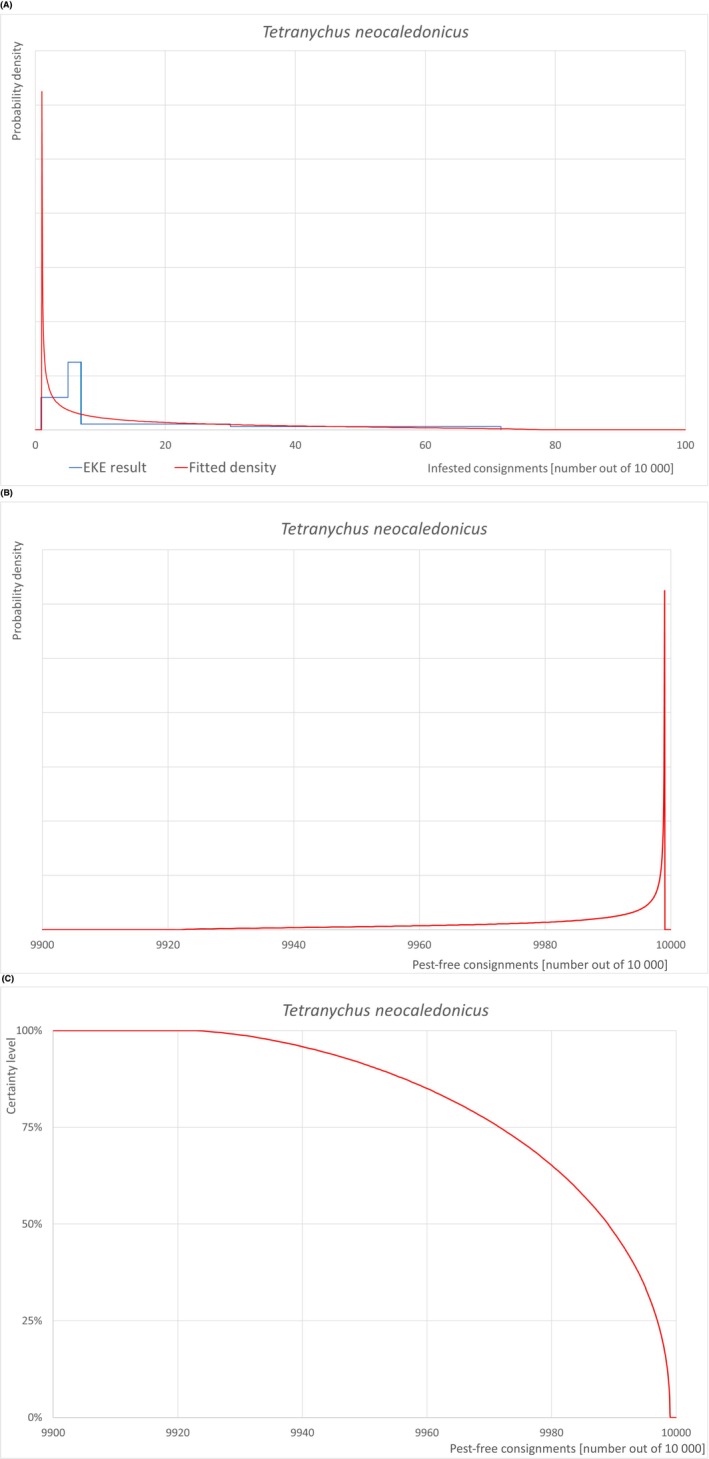 Figure 7
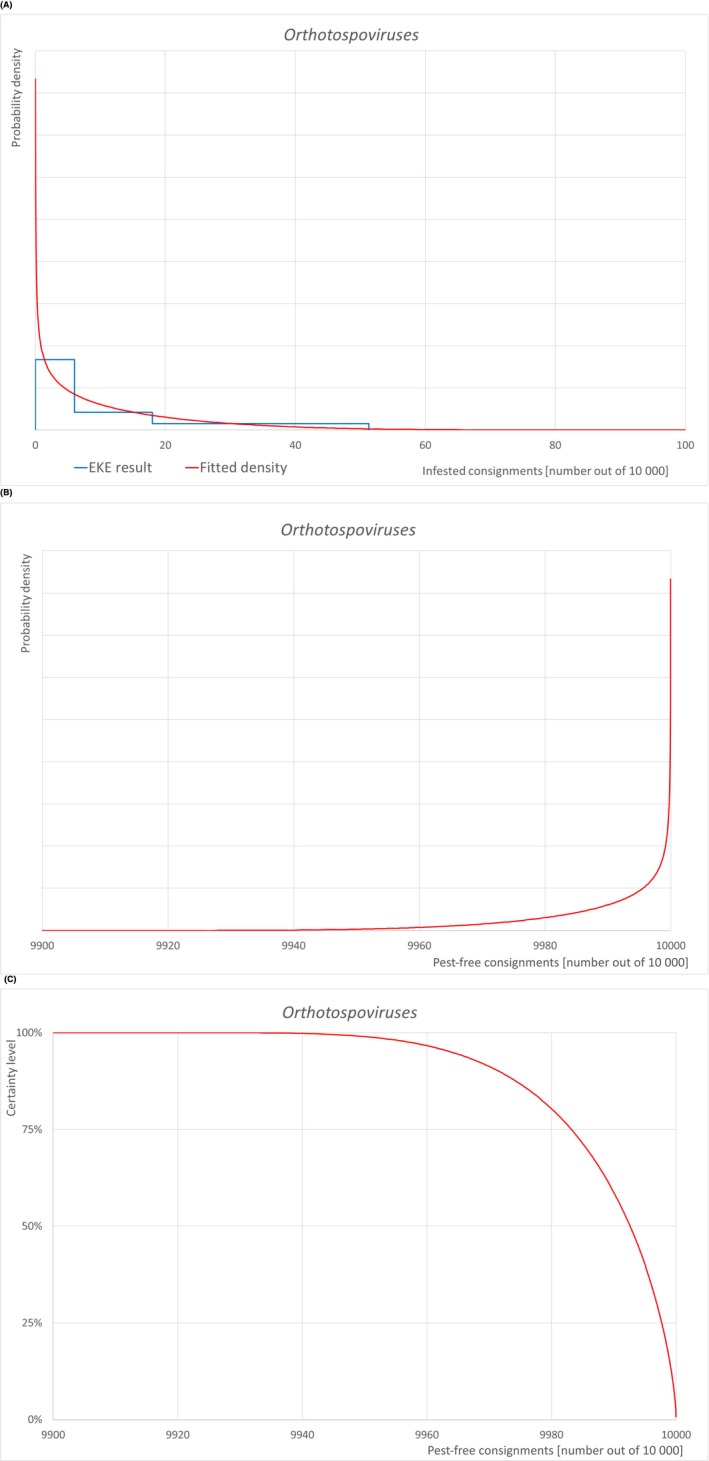 Figure 8
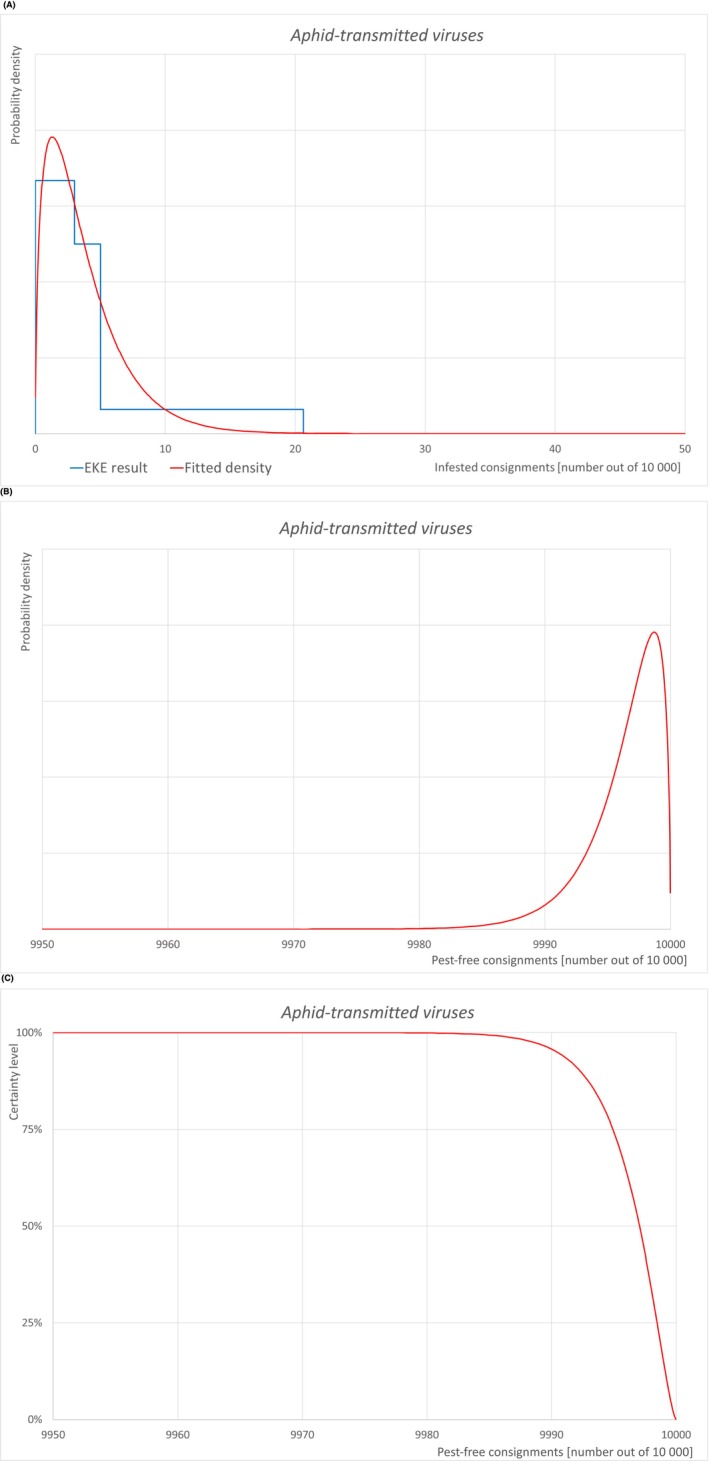 Figure 9
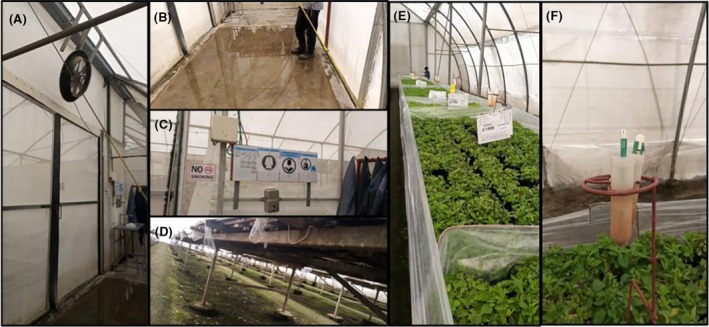 Figure 10
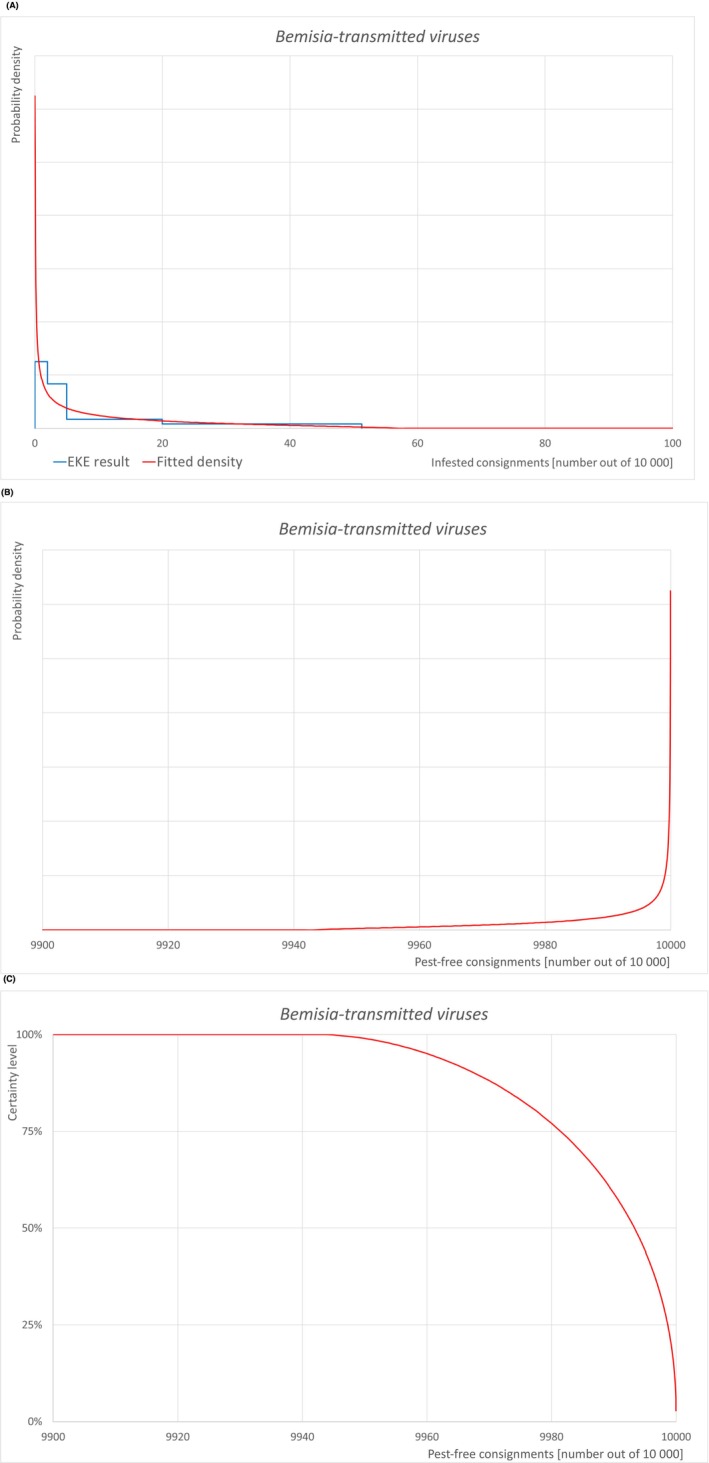 Figure 11
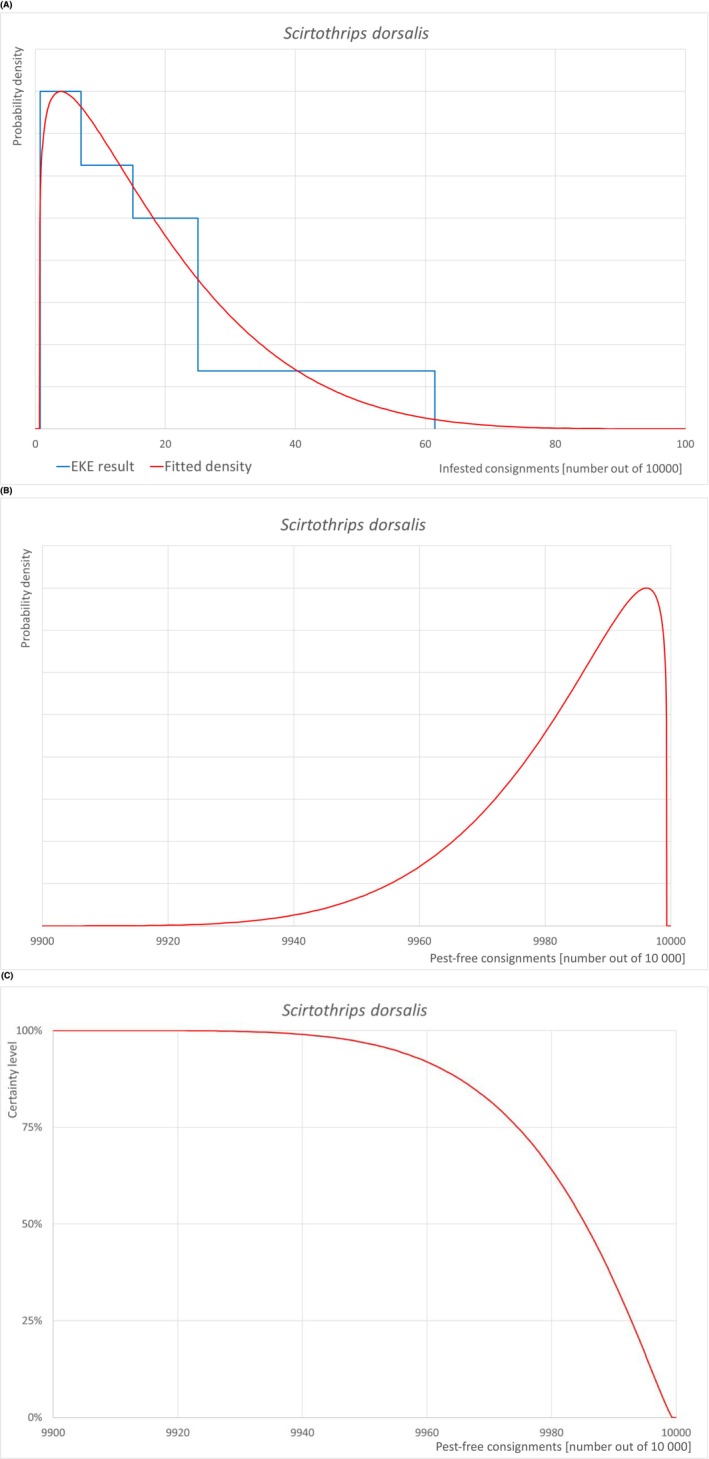 Figure 12
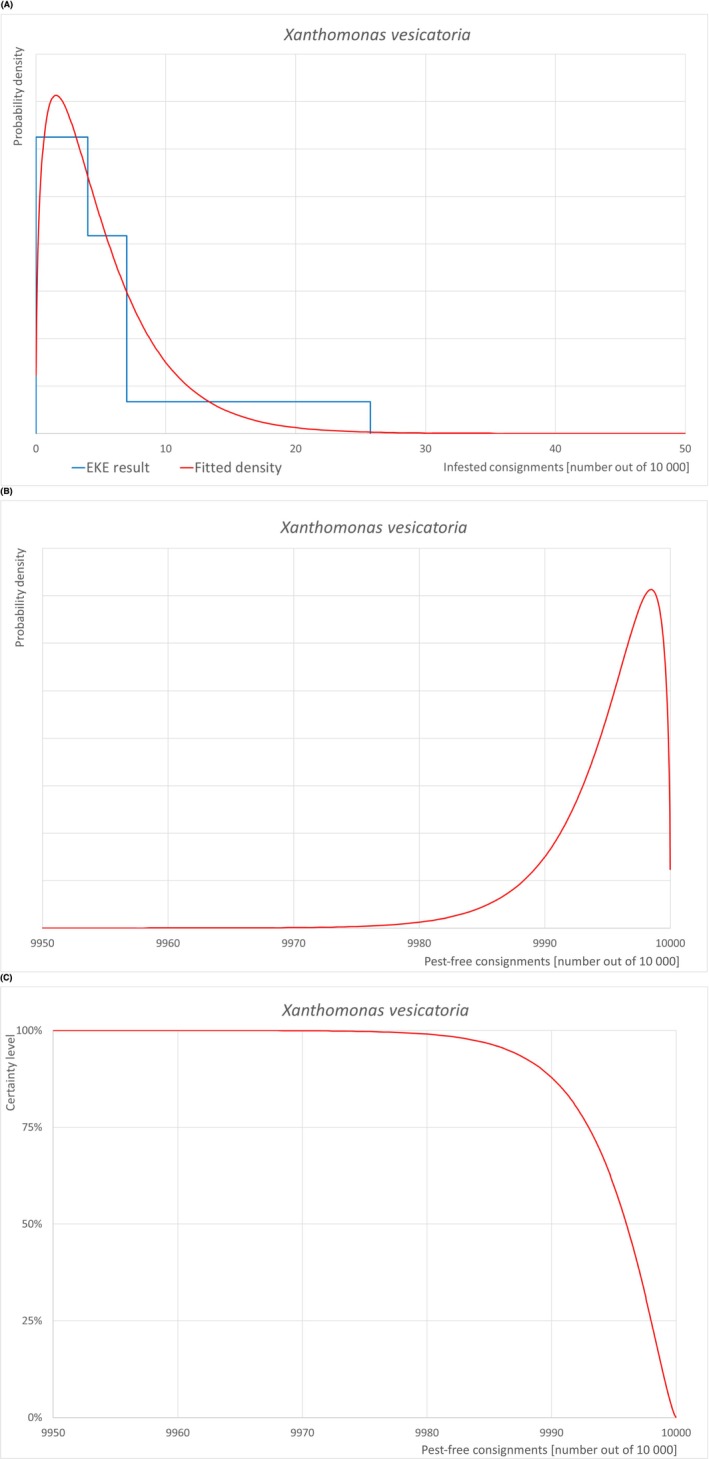 Figure 13
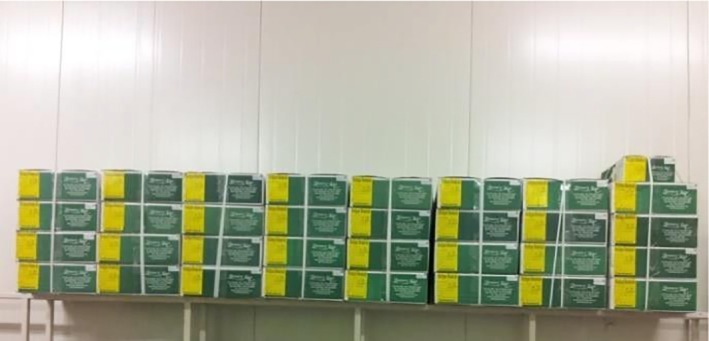 Figure 14
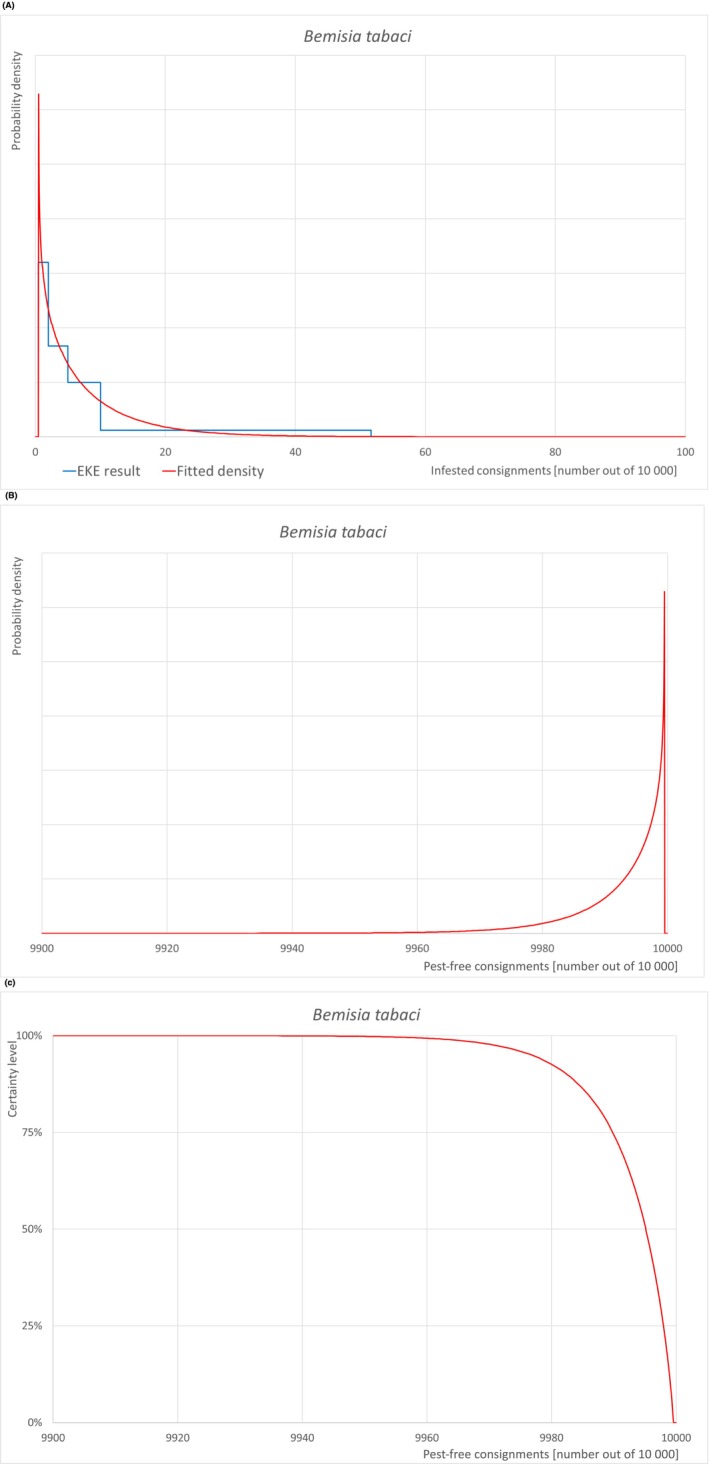 Figure 15
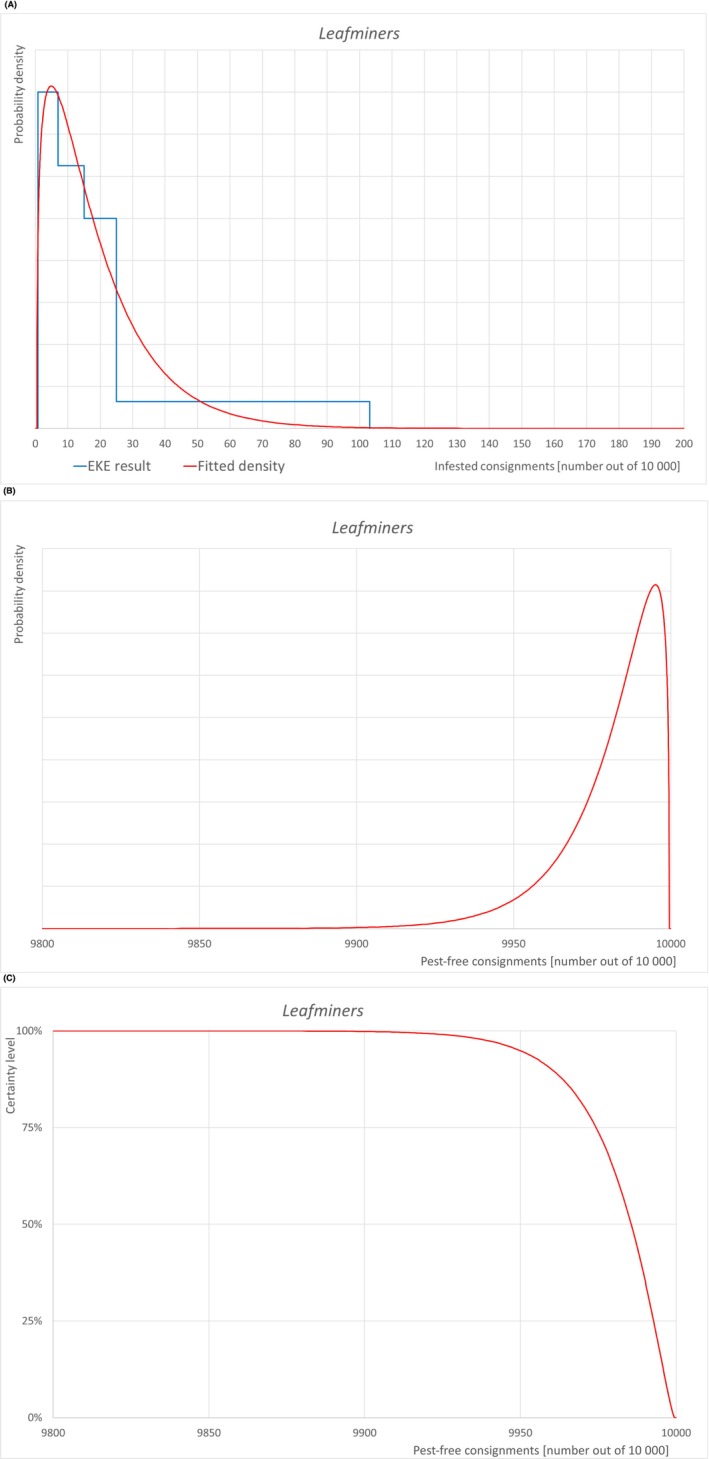 Figure 16
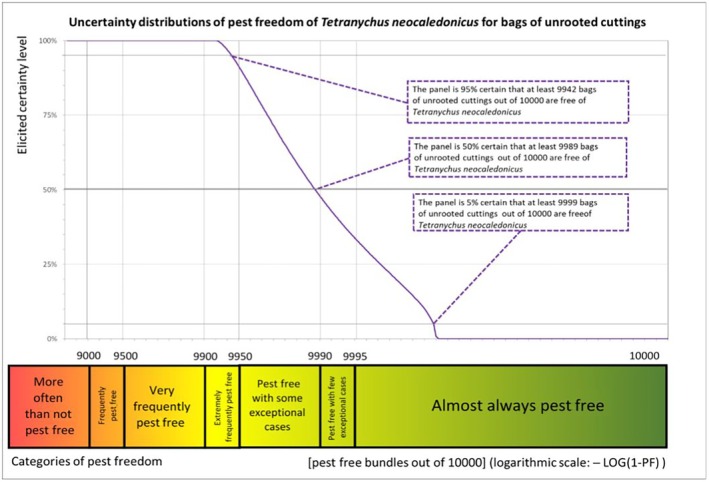 Figure 17
 Figure 18
 Figure 19
Peer Reviews
No public reviews on file for this paper yet. If you reviewed it on a platform where reviews are public (OpenReview, ICLR, NeurIPS, ICML), you can paste yours below so the community can read it here.
Videos
No videos yet. Explain this paper in a talk, walkthrough, or lecture? Add one.
Taxonomy
TopicsEducational Curriculum and Learning Methods · Education and Critical Thinking Development · Educational Research and Methods