Characterization of vitamin D3 biotransformation by the cell lysate of Actinomyces hyovaginalis CCASU-A11-2
Ahmad M. Abbas, Walid F. Elkhatib, Mohammad M. Aboulwafa, Nadia A. Hassouna, Khaled M. Aboshanab

TL;DR
Researchers used a cell-free lysate to convert vitamin D3 into calcitriol in just 6 hours, a significant improvement over previous methods.
Contribution
The study demonstrates a 10-fold faster and more efficient bioconversion of vitamin D3 into calcitriol using cell-free lysate.
Findings
Calcitriol production reached 31 µg/10 mL in 6 hours using cell-free lysate, compared to 32.8 µg/100 mL in 5 days with a fermenter.
Optimal conditions were pH 7.8, 28°C, and 6 hours of reaction time for maximum calcitriol yield.
Cell-free lysate is a viable and efficient method for industrial-scale vitamin D3 bioconversion.
Abstract
A former work conducted in our Lab, lead to in a effective scale up of vitamin D3 bioconversion into calcitriol by Actinomyces (A.) hyovaginalis isolate CCASU-A11-2 in Lab fermenter (14 L) resulting in 32.8 µg/100 mL of calcitriol. However, the time needed for such a bioconversion process was up to 5 days. Therefore, the objective of this study was to shorten the bioconversion time by using cell-free lysate and studying different factors influencing bioconversion. The crude cell lysate was prepared, freeze-dried, and primarily fractionated into nine fractions, of which, only three fractions, 50, 100, and 150 mM NaCl elution buffers showed 22, 12, and 2 µg/10 mL, calcitriol production, respectively. Ammonium sulfate was used for protein precipitation, and it did not affect the bioconversion process except at a concentration of 10%w/v. Secondary fractionation was carried out using 80 mL…
Genes, proteins, chemicals, diseases, species, mutations and cell lines named across the full text — each resolved to its canonical identifier and authoritative record.
Click any figure to enlarge with its caption.
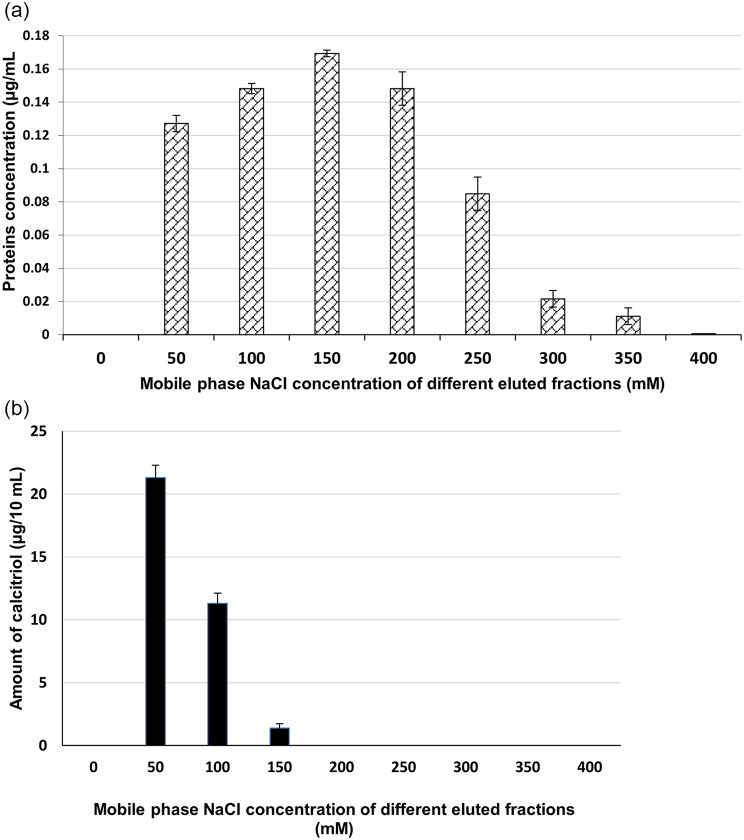 Figure 1
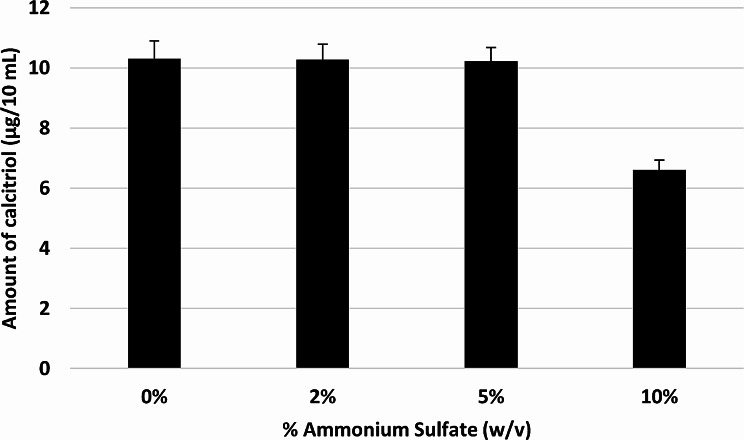 Figure 2
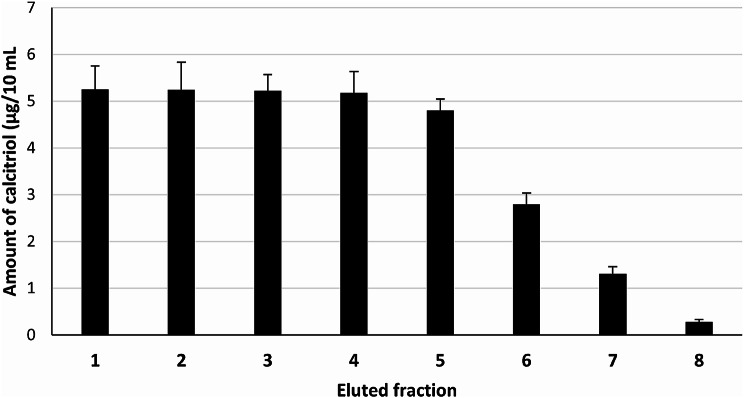 Figure 3
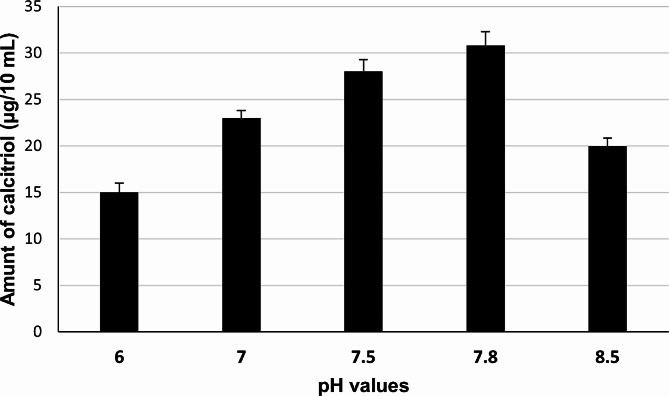 Figure 4
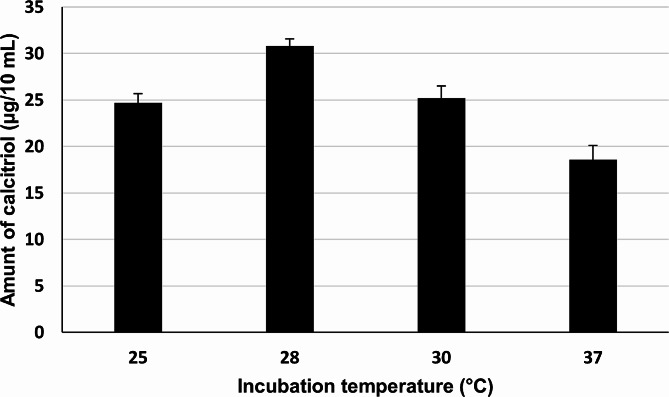 Figure 5
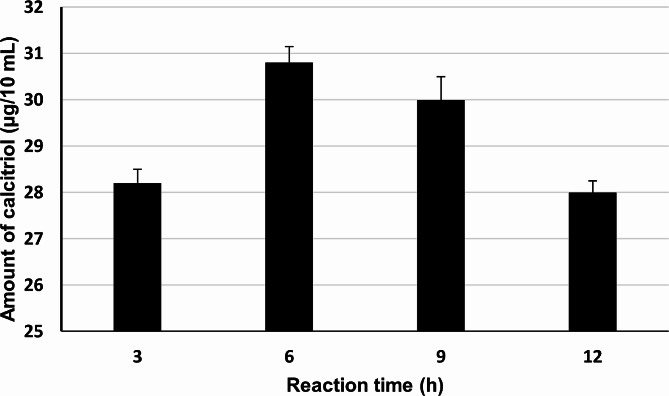 Figure 6
Peer Reviews
No public reviews on file for this paper yet. If you reviewed it on a platform where reviews are public (OpenReview, ICLR, NeurIPS, ICML), you can paste yours below so the community can read it here.
Videos
No videos yet. Explain this paper in a talk, walkthrough, or lecture? Add one.
Taxonomy
TopicsVitamin D Research Studies · Endometriosis Research and Treatment