The necroptosis-related signature and tumor microenvironment immune characteristics associated with clinical prognosis and drug sensitivity analysis in stomach adenocarcinoma
Biao Yang, Yingnan Wang, Tao Liu, Meijing Zhang, Tianhang Luo

TL;DR
This study identifies a new model using necroptosis-related long noncoding RNAs to predict stomach cancer prognosis and guide immunotherapy.
Contribution
A novel risk score model using necroptosis-related lncRNAs for STAD prognosis and drug sensitivity is developed and validated.
Findings
21 lncRNAs were identified as part of a risk score model predicting survival in stomach adenocarcinoma patients.
High-risk patients showed lower survival rates and higher immune infiltration compared to low-risk patients.
29 drugs with varying sensitivity across tumor clusters were identified, suggesting potential for personalized treatment.
Abstract
Purpose: Necroptosis plays an important role in the tumorigenesis, development, metastasis, and drug resistance of malignant tumors. This study explored the new model for assessing stomach adenocarcinoma (STAD) prognosis and immunotherapy by combining long noncoding RNAs associated with necroptosis. Methods: Patient clinical data and STAD gene expression profiles were curated from The Cancer Genome Atlas (TCGA). Immune-related genes were sourced from a specialized molecular database. Perl software and R software were used for data processing and analysis. Necroptosis-related lncRNAs in STAD were pinpointed via R’s correlation algorithms. These lncRNAs, in conjunction with clinical data, informed the construction of a prognostic lncRNA-associated risk score model using univariate and multivariate Cox regression analyses. The model’s prognostic capacity was evaluated by Kaplan-Meier…
Genes, proteins, chemicals, diseases, species, mutations and cell lines named across the full text — each resolved to its canonical identifier and authoritative record.
Click any figure to enlarge with its caption.
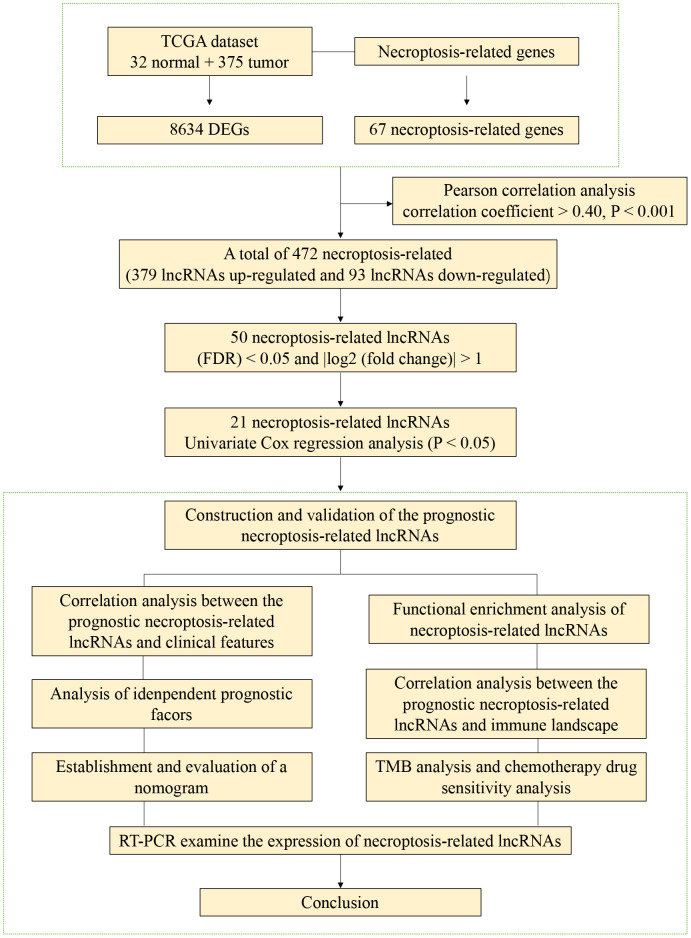 Figure 1
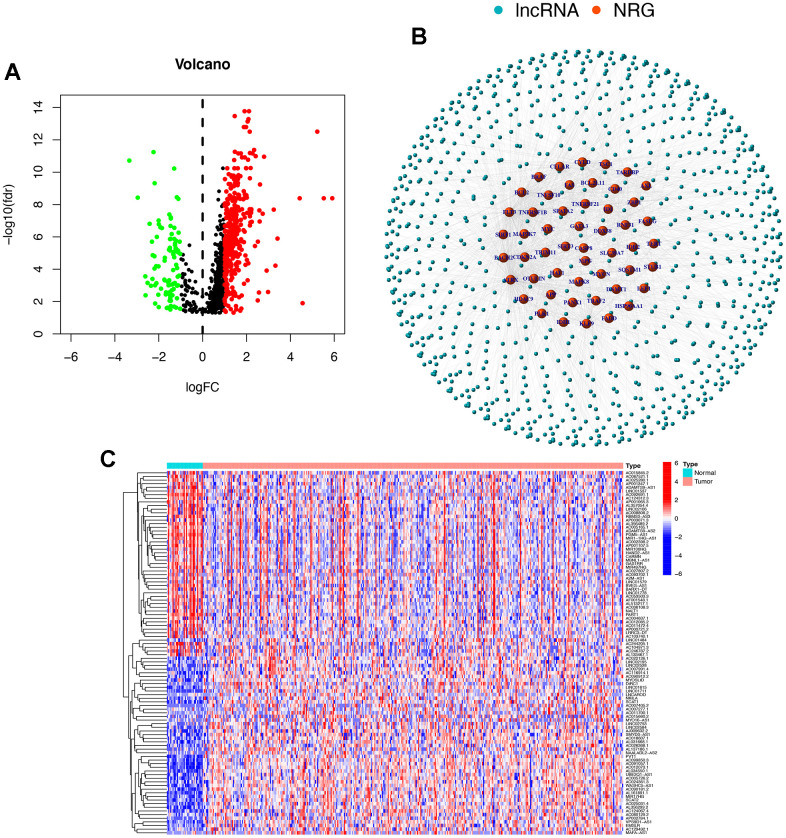 Figure 2
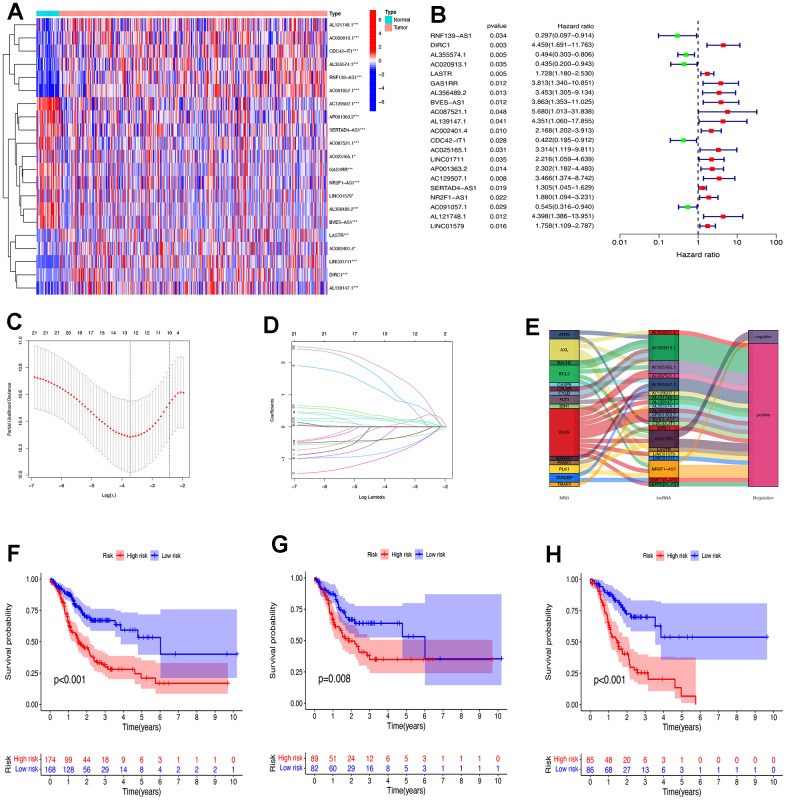 Figure 3
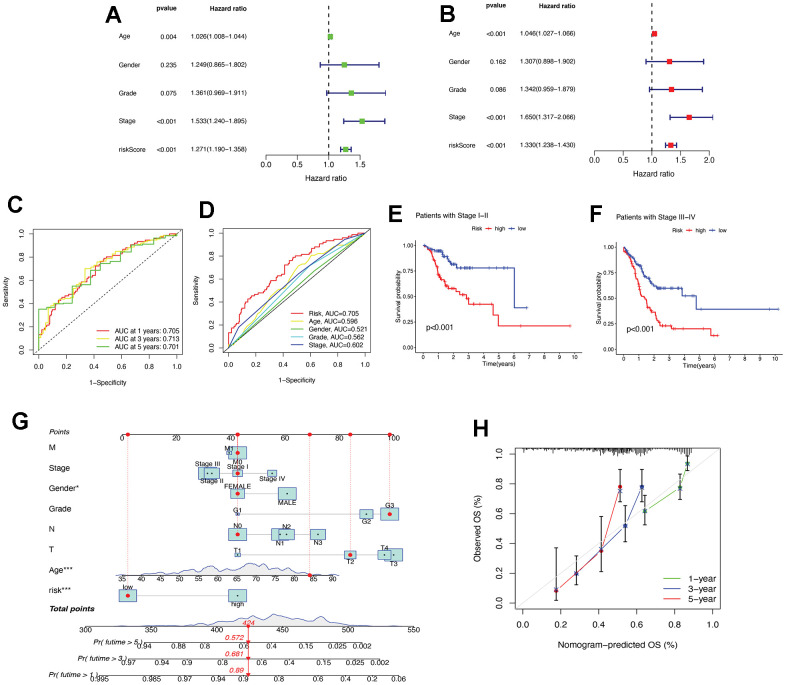 Figure 4
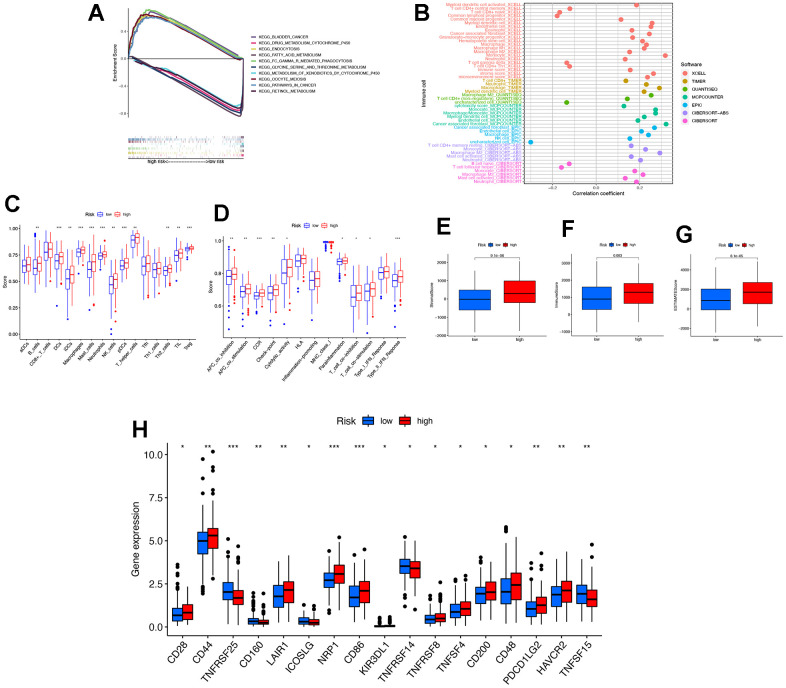 Figure 5
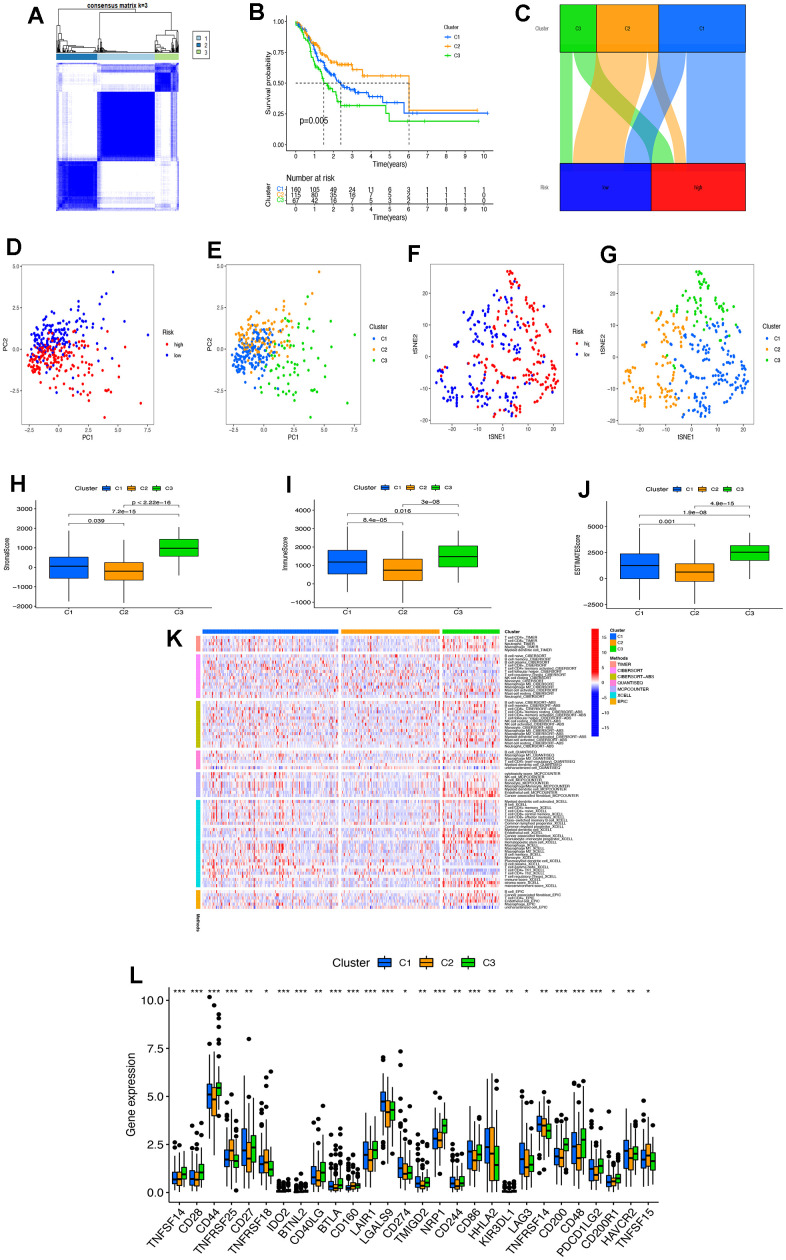 Figure 6
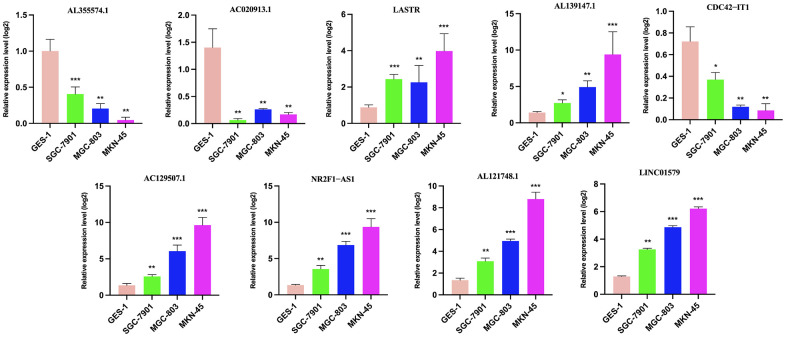 Figure 7
Peer Reviews
No public reviews on file for this paper yet. If you reviewed it on a platform where reviews are public (OpenReview, ICLR, NeurIPS, ICML), you can paste yours below so the community can read it here.
Videos
No videos yet. Explain this paper in a talk, walkthrough, or lecture? Add one.
Taxonomy
TopicsCancer-related molecular mechanisms research · RNA modifications and cancer · Circular RNAs in diseases