Identification and validation of DHCR7 as a diagnostic biomarker involved in the proliferation and mitochondrial function of breast cancer
Yanfeng Wang, Jiaxin Fan, Yongcheng Liu, Jie Du, Boyu Liang, Huxia Wang, Zhangjun Song

TL;DR
This study identifies DHCR7 as a key gene linked to breast cancer cell growth and mitochondrial function, suggesting it could be a new diagnostic and therapeutic target.
Contribution
The study is the first to report DHCR7 as an oncogene in breast cancer, validated through multiple bioinformatics and experimental approaches.
Findings
DHCR7 was identified as a key energy metabolism-related gene in breast cancer through WGCNA, LASSO regression, and ROC analysis.
High DHCR7 expression correlates with poor prognosis, tumor immune infiltration, and advanced cancer stages.
DHCR7 knockdown reduces breast cancer cell proliferation and disrupts mitochondrial function.
Abstract
Background: Energy metabolism has a complex intersection with pathogenesis and development of breast cancer (BC). This allows for the possibility of identifying energy-metabolism-related genes (EMRGs) as novel prognostic biomarkers for BC. 7-dehydrocholesterol reductase (DHCR7) is a key enzyme of cholesterol biosynthesis involved in many cancers, and in this paper, we investigate the effects of DHCR7 on the proliferation and mitochondrial function of BC. Methods: EMRGs were identified from the Gene Expression Omnibus (GEO) and MSigDB databases using bioinformatics methods. Key EMRGs of BC were then identified and validated by functional enrichment analysis, interaction analysis, weighted gene co-expression network analysis (WGCNA), least absolute shrinkage and selection operator (LASSO) regression, Cox analysis, and immune infiltration. Western blot, qRT-PCR, immunohistochemistry…
Genes, proteins, chemicals, diseases, species, mutations and cell lines named across the full text — each resolved to its canonical identifier and authoritative record.
Click any figure to enlarge with its caption.
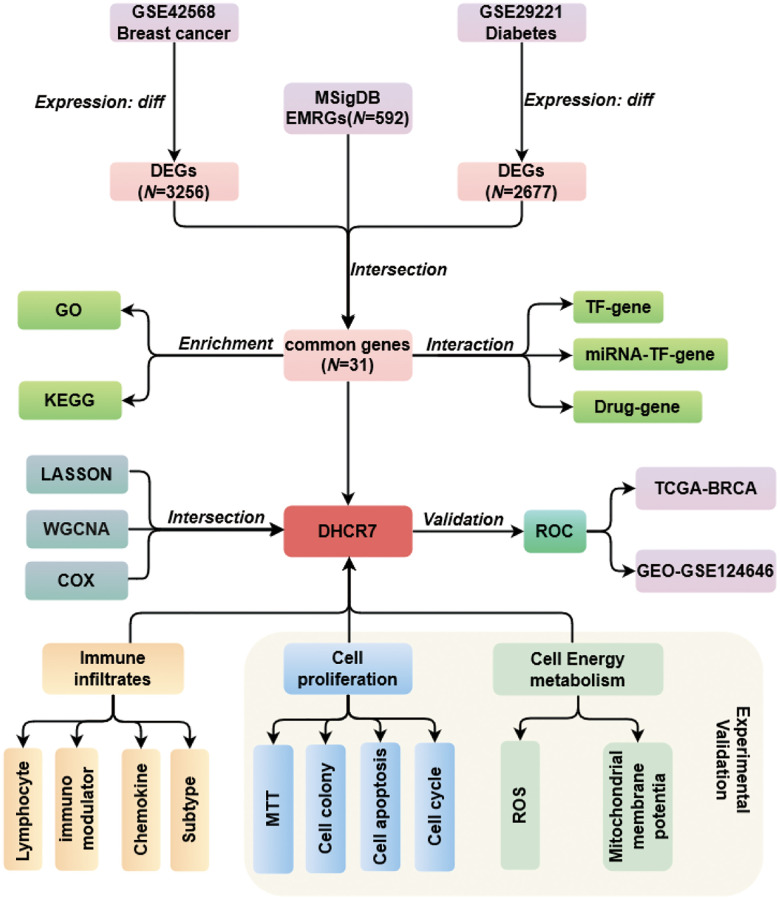 Figure 1
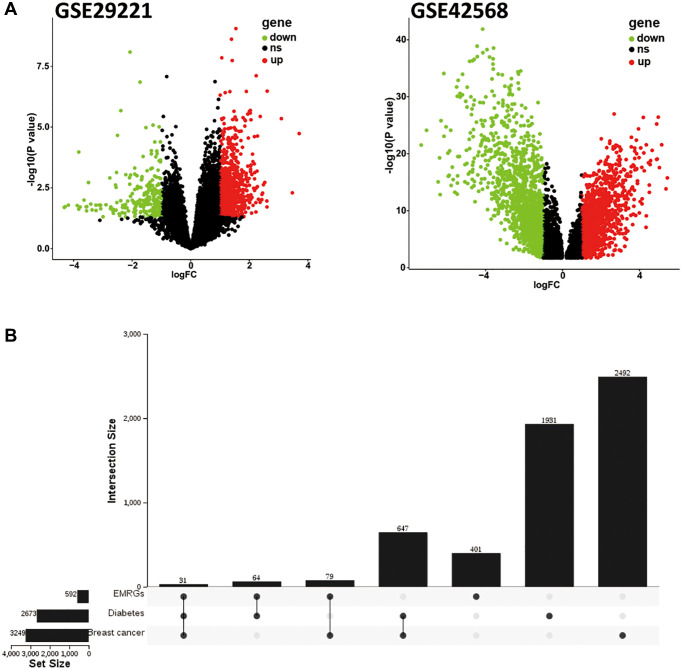 Figure 2
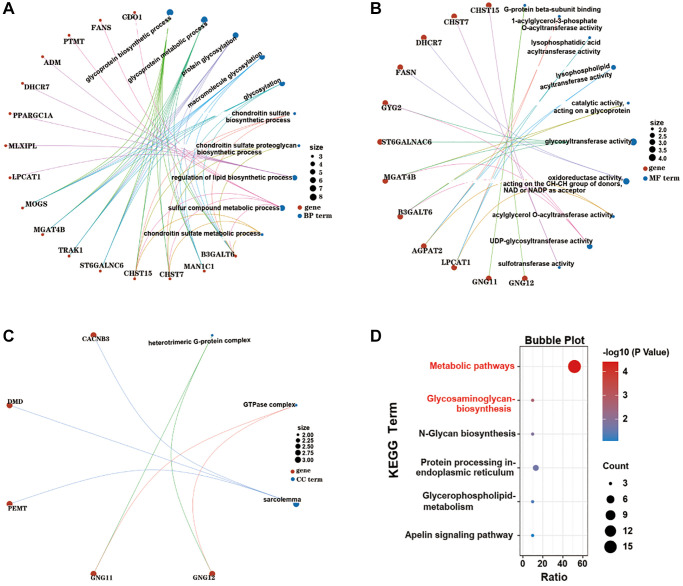 Figure 3
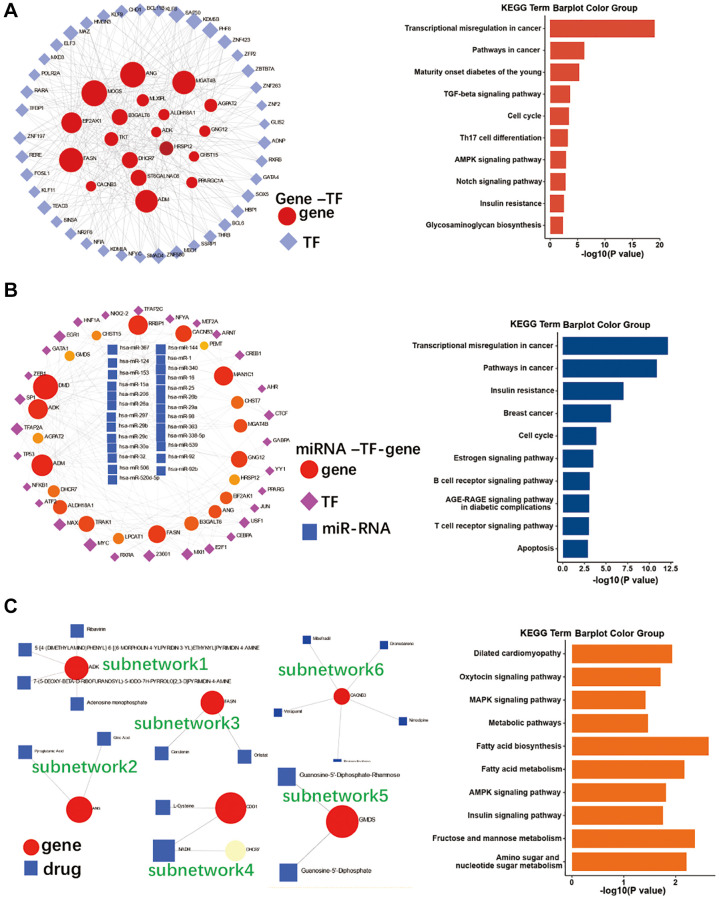 Figure 4
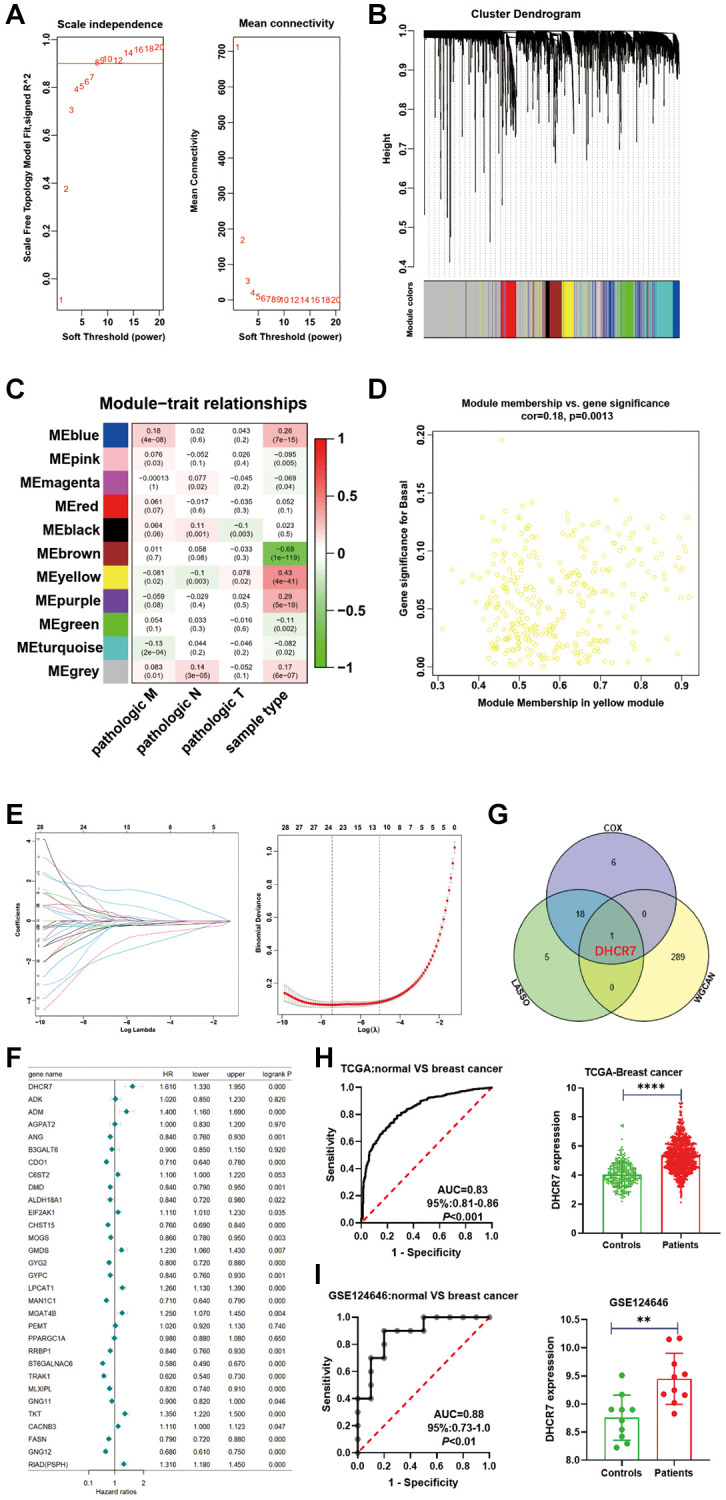 Figure 5
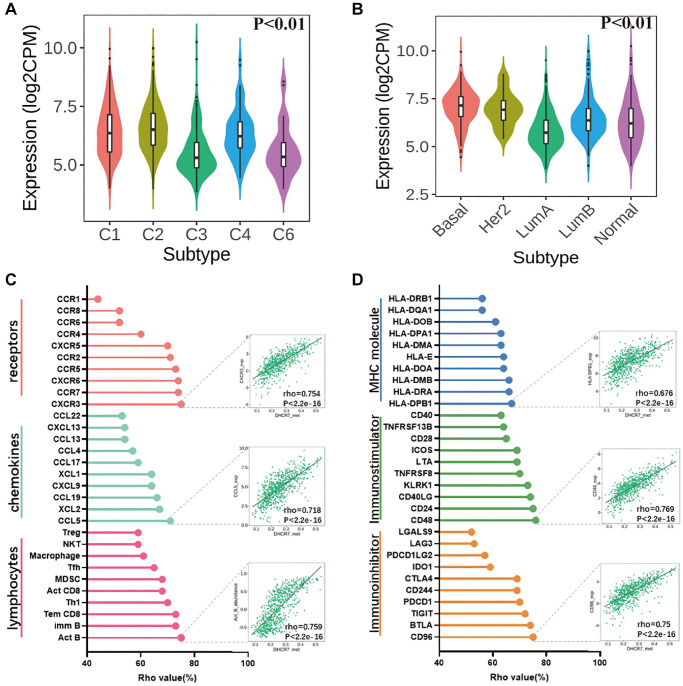 Figure 6
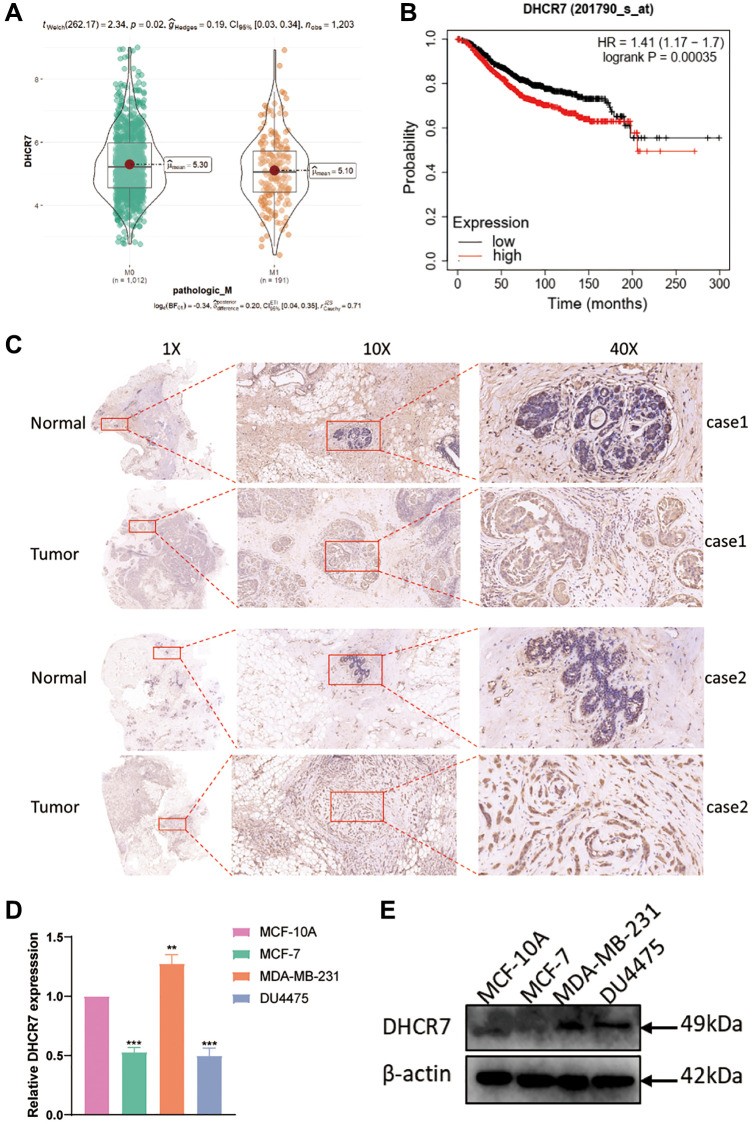 Figure 7
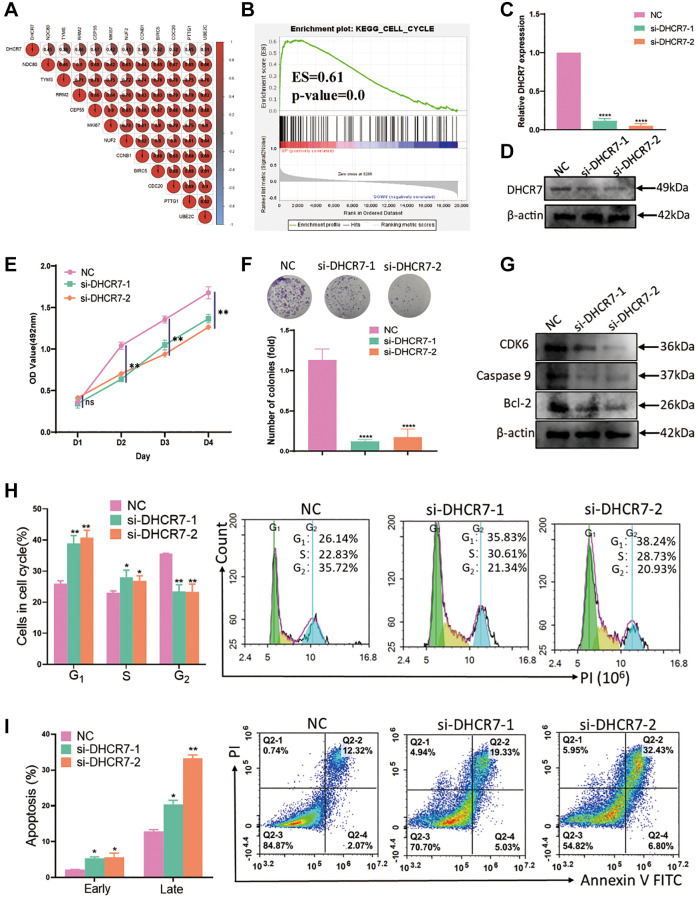 Figure 8
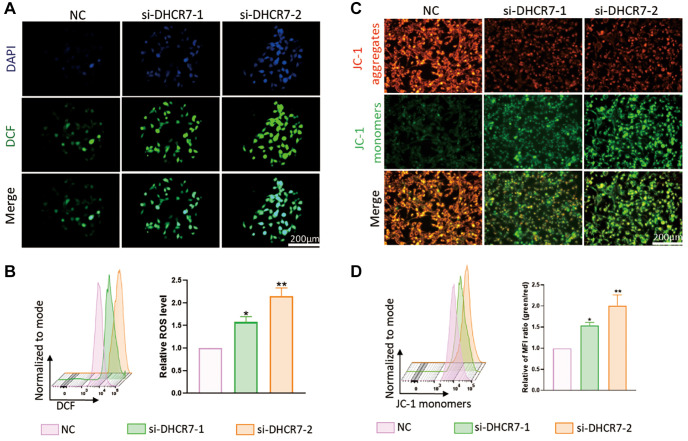 Figure 9
Peer Reviews
No public reviews on file for this paper yet. If you reviewed it on a platform where reviews are public (OpenReview, ICLR, NeurIPS, ICML), you can paste yours below so the community can read it here.
Videos
No videos yet. Explain this paper in a talk, walkthrough, or lecture? Add one.
Taxonomy
TopicsHealthcare and Venom Research · Phosphodiesterase function and regulation · Protein Kinase Regulation and GTPase Signaling