Ethnobotanical assessment of antidiabetic medicinal plants in District Karak, Pakistan
Amina Nazar, Muhammad Adnan, Syed Majid Shah, Ahmed Bari, Riaz Ullah, Akash Tariq, Nisar Ahmad

TL;DR
This study explores traditional antidiabetic plants used in Pakistan's District Karak, identifying Apteranthes tuberculata as the most commonly used plant for diabetes treatment.
Contribution
The paper documents 38 plant species used for diabetes in District Karak and identifies Apteranthes tuberculata as the most frequently cited plant.
Findings
38 plant species from 29 families were reported for diabetes treatment, with Oleaceae being the most dominant family.
Apteranthes tuberculata had the highest RFC and FL for diabetes treatment.
Leaves were the most commonly used plant part, and powder form was the most recommended preparation method.
Abstract
Diabetes is a leading health disorder and is responsible for high mortality rates across the globe. Multiple treatment protocols are being applied to overcome this morbidity and mortality including plant-based traditional medicines. This study was designed to investigate the ethnomedicinal status of plant species used to treat diabetes in District Karak, Pakistan. A semi-structured survey was created to collect data about traditionally used medicinal plants for diabetes and other ailments. The convenience sampling method was applied for the selection of informants. The collected data was evaluated through quantitative tools like frequency of citation (FC), relative frequency of citation (RFC), informant consensus factor (FIC), fidelity level (FL), and use value (UV). A total of 346 local informants were selected for this research. Out of them, 135 participants were men and 211…
Genes, proteins, chemicals, diseases, species, mutations and cell lines named across the full text — each resolved to its canonical identifier and authoritative record.
Click any figure to enlarge with its caption.
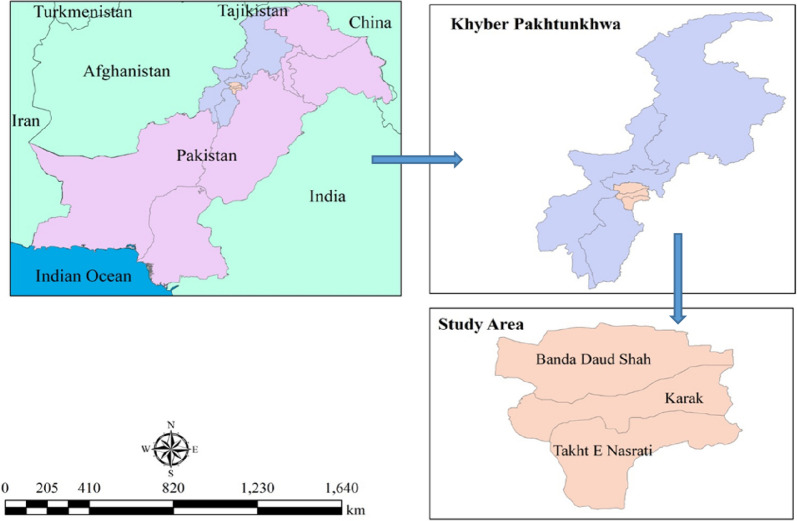 Figure 1
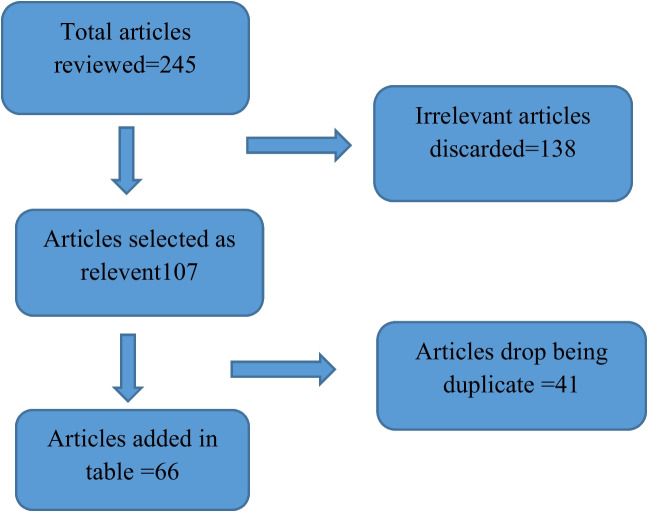 Figure 2
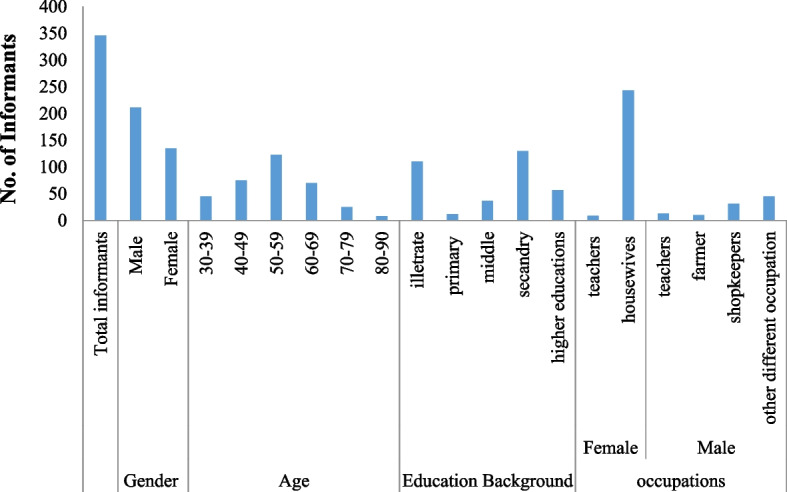 Figure 3
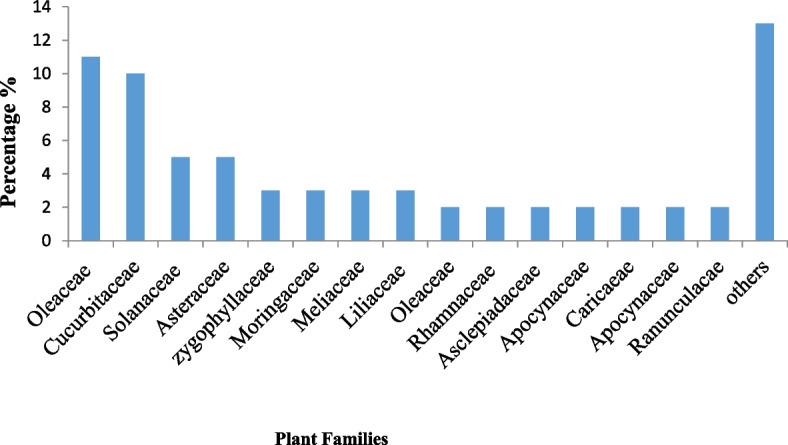 Figure 4
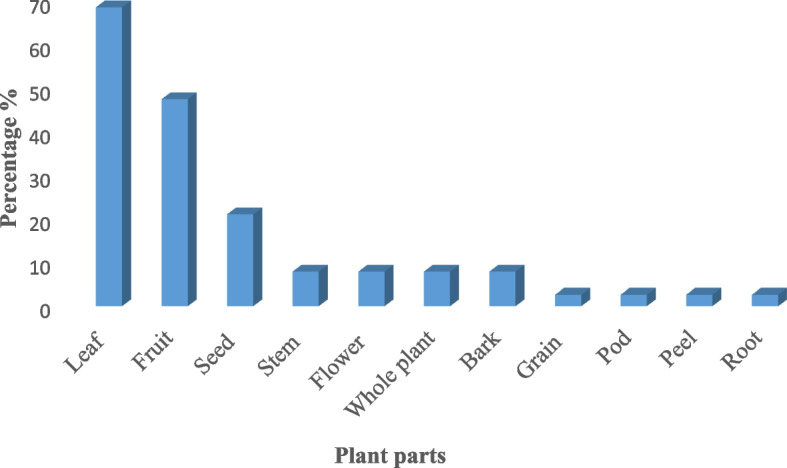 Figure 5
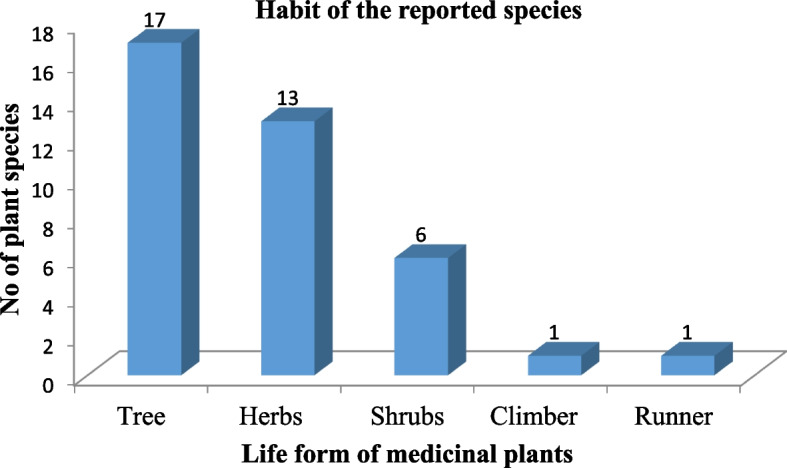 Figure 6
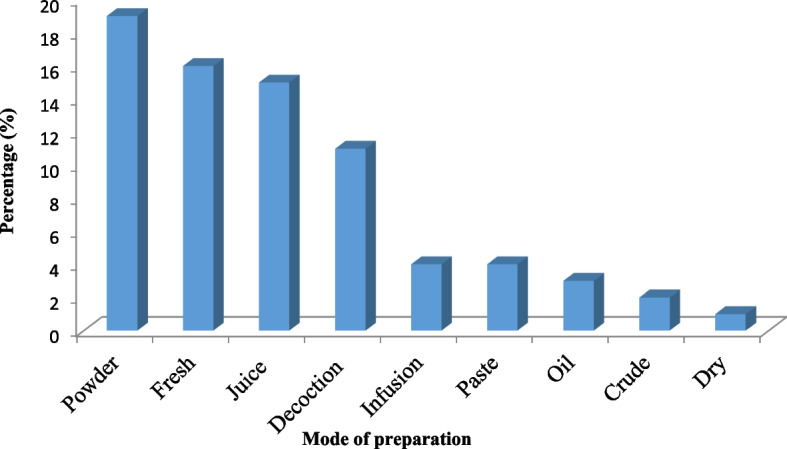 Figure 7
- —Department of Pharmacognosy College of Pharmacy King Saud University Riyadh Saudi Arabia
Peer Reviews
No public reviews on file for this paper yet. If you reviewed it on a platform where reviews are public (OpenReview, ICLR, NeurIPS, ICML), you can paste yours below so the community can read it here.
Videos
No videos yet. Explain this paper in a talk, walkthrough, or lecture? Add one.
Taxonomy
TopicsHistorical and socio-economic studies of Spain and related regions · Archaeological and Historical Studies
Background
Plants are the essential components of the planet Earth and are considered an excellent source of medicine. They are utilized in the treatment or prevention of a wide variety of diseases like diabetes, cancer, and cardiovascular problems [1]. Globally, diabetes mellitus is considered one of the leading causes of death as well as a top health condition [2]. A common metabolic disorder, diabetes mellitus occurs when there is insufficient supply of insulin (Type I) or when the body is resistant to insulin (Type II) [3]. Type II diabetes is also characterized by two significant conditions resulting from defective insulin secretion or reduced insulin sensitivity (insulin resistance) [4]. A report presented by the World Health Organization indicates that the diabetic population is possible to increase up to 300 million or more in 2025 [5]. Approximately 536.6 million people worldwide suffer from diabetes (diagnosed or undiagnosed) in 2021 according to the International Diabetes Federation and by 2045, this number will grow by 46% to 783.2 million [6]. There are several methods of treating diabetes including insulin, allopathic homeopathic, and traditional herbal medicines [7, 8].
According to International Diabetes Federation an estimated 26.7% of Pakistani adults affected by diabetes in 2022, and the number may reach 33 million approximately [9]. If awareness programs and proper treatment are not adopted, Pakistan may have double the number of diabetic patients by 2040 [10] and it is expected to reach 37.1 million by 2045 [11]. Additionally, diabetes was found to be more prevalent in urban areas (15.1%) than in rural areas (1.6%) [12]. A study reported that in rural areas, women's tolerance for glucose is 10.9% and men's is 6.9%, but in urban areas, it is 14.2% and women's is 6.3% [13].
The rural population of Pakistan relies significantly on their conventional herbal system for diabetic problems because the cost of allopathic prescription treatment for diabetes is too high [14]. According to research by the WHO, 855 traditional medicines use crude plant extracts, and more than 86% of people in underdeveloped countries depend on traditional remedies like herbs for their everyday requirements [15]. Plants with antidiabetic properties are commonly used in folk medicines. In ethnobotanical studies, around 800 plants are thought to have anti-diabetic effects [16]. In addition to these 800 plants, Momordica charantia, Pterocarpus marsupium, and Trigonella foenum-graecum have been reported to benefit type 2 diabetes patients [17]. Laboratory experiments have shown that around 343 plants have been tested for blood glucose [18]. The control of glucose metabolism is greatly influenced by natural plant products with a variety of distinct chemical components, such as phenolic compounds, flavonoids, terpenoids, alkaloids, glycosides, and coumarins [19]. Multiple herbs have exposed antidiabetic activity when reviewed using streptozotocin-induced diabetic rats [20]. Natural substances known as antioxidants help diabetes patients by scavenging different types of free radicals and decreasing the harm carried on by oxidative stress [21].
District Karak has diverse environmental conditions with unique flora. The people who live in this region are well-versed in the uses of plants. It not only reflects the unique identity of a community but also provides accessible and affordable healthcare solutions, particularly in areas where modern medical resources are scarce. As traditional healers often maintain close ties with their communities, they provide a holistic approach to health, focusing on not only physical but also mental and spiritual well-being. Their expertise, grounded in local knowledge of plants, herbs, and environmental factors, contributes to the diagnosis and treatment of ailments specific to the region. Local inhabitants use different plants for the treatment of different diseases like diabetes, cardiovascular, gastrointestinal, skin, and rheumatoid traditionally [22].
Studies on ethnobotany focus on the complex interactions between native people and plants, including traditions and cultural beliefs related to different applications. This research supports the collection of essential ethnobotanical data from indigenous people, such as herbalists, to conserve traditional knowledge of disease diagnosis and plant species utilized in folk medicine. In addition, their methods of planning and management, as well as the indigenous people's sociocultural heritage for future generations. The present research work is designed to summarize data about ethnobotanical data of plant species used against diabetes. This study aimed to have a long-term date of plants used traditionally by local inhabitants of southern regions of KPK, Pakistan. The area was selected based on rich sources of medicinal wild local plants, traditional uses of medicines by local people, and easily accessible areas.
Materials and methods
Study area
The current survey was carried out in District Karak, Pakistan (Fig. 1). The district Karak is situated in the south of KPK between latitudes 70-40° and 71-30°N and longitudes 32-48° and 33-23°E It includes both rural and urban areas with a total size of 600 Km^2^[23]. Small mountains make up the geography of the Karak district, and these mountains generally move from east to west. The climate during summer is hot with temperatures ranging from 40-45 ^0^C. Sand storms are common in Tehsil Takht-e-Nasrati. Most areas in the district are arid. The area is rich in flora. Mostly it comprises xerophytes. Common species of the area are Acacia nilotica, Acacia arabica, Calotropis procera, Peganum harmala, and Citrullus colocynthis. Cultivated includes Wheat, Sorghum, Peanut, and Gram. The district is home to a variety of fauna like quail, crane, black and brown. It's a popular place to hunt quails and fowl (Batair). In Karak, many natural resources have been found. The salt mines were an important source of salt for the Indo-Pak subcontinent throughout the British period and were well-known in antiquity. Uranium, gas, and oil were found more recently. Makori, Noshpa Banda, and Gurguri are the three towns where oil and gas deposits have been discovered. Being rich in wild herbs, people have sufficient knowledge about medicinal plants and their use against different ailments.Fig. 1. Geographical location of the study area. Indicating three Tehsils (Takht-e-Nasrati, Karak, and Banda Daud Shah) where the study was conducted in District Karak, Khyber Pakhtunkhwa province, Pakistan
Data collection and field survey
Data on ethnomedicines was collected from September 2021 to February 2022. The data was collected in the Pashtu (native language) and then translated into English through a semi-structured questionnaire. The first section of the questionnaire includes the demographics of the informants, age, gender, and educational status. While remaining part of the questionnaire consists of knowledge of medicinal plants to treat diabetes and other ailments. Mainly concentrating on the native name of the medicinal plant, other additional ingredients, remedy preparation, which part of the plant is used, and the mode of administration and dosage information for children and adults. A convenience sampling method was used to collect information regarding medicinal plants used against diabetes traditionally. Participants in the study were acknowledged as well informed about local medicinal plants and had long-standing interactions with the local flora and ecosystem. Our survey's primary respondents, rather than conventional healers or professionals, were common people with local plant knowledge who learned it orally from their elders [24].
Code of Ethics of the International Society of Ethnobiology (ISE) was strictly followed while conducting the survey [25]. Before each interview, each participant verbally agreed. A description of the study's purpose and the subject matter was given to each participant. The convenience sampling method was applied to select the interviewers using the Cochran formula (1977) for sample size. n^0^=z2⋅p⋅ (1−p) e2. After calculation from the Cochran formula, a total of 790 primary participants were visited to know about their knowledge about the traditional usage of medicinal plants. Out of these, 346 respondents were considered for their knowledge related to the plants against diabetes.
In the first instance, local people medically diagnosed with diabetes were identified and designated as participants for this study. They were questioned about the plants, which are traditionally used against diabetes along with other ailments. This study primarily focused on medicinal plants used to cure diabetes.
Collection, identification, and preservation of medicinal plants
Plant species collected from the study area were identified by Dr.Ghazala Nawaz, Assistant Professor, Department of Botany, Kohat University of Science and Technology, Kohat, voucher numbers and deposition numbers were given e.g. BOT-KHS-90/2023-001 (BOT-KHS-90 represents voucher number(s) while 2023-001 is the deposition number). The specimens were then submitted to the Herbarium at the Department of Botany, Kohat University of Science and Technology, Pakistan. For specimen validation, the www.floraonline.org/taxon/wfo-0001020013 was accessed.
Data quality assurance
Each primary participant was contacted at least three times to confirm the information they had provided for data confirmation. Only validated and related information was subject to further analytical processes. Moreover, the authors were skilled in collecting medicinal plants from the area as well as gathering remedy formulation-related information, their uses, pointing out missing information, and replication material to maintain data quality.
Ethnobotanical indices
Frequency of citation (FC), relative frequency of citation (RFC), Species Use Value (UV), Fidelity level (FL), and Informant consensus factor (ICF), were among the quantitative indices used to analyze the ethnobotanical data.
Frequency of citation (FC)
FC is the number of primary participants who described using each monoherbal recipe for ethnomedicinal purposes [26].
Relative frequency of citation (RFC)
Relative frequency of citation (RFC) indicates the importance of each species locally within a study region [27]. N is the total number of informants in the survey, and FC is the number of primary participants who cited a helpful species. Using the previously discussed formula, RFC is determined. When the RFC value is 0, it indicates that fewer primary participants have found that monoherbal formulation to be helpful, and when the RFC value is 1, it indicates that more survey primary participants have found that monoherbal formulation to be helpful (Table 2) [28].
\documentclass[12pt]{minimal} \usepackage{amsmath} \usepackage{wasysym} \usepackage{amsfonts} \usepackage{amssymb} \usepackage{amsbsy} \usepackage{mathrsfs} \usepackage{upgreek} \setlength{\oddsidemargin}{-69pt} \begin{document}$$RFC=FC /N (0 < RFC < 1)$$\end{document}Use Value (UV)
Plant utilization standards are possessed and followed [29].
\documentclass[12pt]{minimal} \usepackage{amsmath} \usepackage{wasysym} \usepackage{amsfonts} \usepackage{amssymb} \usepackage{amsbsy} \usepackage{mathrsfs} \usepackage{upgreek} \setlength{\oddsidemargin}{-69pt} \begin{document}$$\text{Used value}=\text{quantity of utilization}/{\text{N}}$$\end{document}The N represents the total number of primary participants while U represents the amount of utilization average collected from each source for known species of plant and the Use value conveys the quantifiable sum of qualified purpose of species of plant.
Fidelity level (FL%)
Fidelity level is the ratio between the number of primary participants who independently mention one use of a plant species and the total number of primary participants who initially mention all uses of that plant species proposed by [30]. It is calculated as follows: Np is the number of primary participants who reported the usage of a species; N is the total number of primary participants who mentioned all the uses of that species; and N is multiplied by 100. When a plant species has a high FL for particular uses, the local population prefers that species for that use. The species with high FL authenticates its uniqueness to treat a disease [31].
\documentclass[12pt]{minimal} \usepackage{amsmath} \usepackage{wasysym} \usepackage{amsfonts} \usepackage{amssymb} \usepackage{amsbsy} \usepackage{mathrsfs} \usepackage{upgreek} \setlength{\oddsidemargin}{-69pt} \begin{document}$$FL\% =\frac{Np }{N}\times 100$$\end{document}Np =number of primary participants citing the use of the plant species for the treatment of a disease
N = total number of primary participants citing the species for disease.
Informant consensus factor (ICF)
To estimate the usage variability of medicinal plants by local informants, ICF was used [32]. It is a consensus between local primary participants for the treatment of a disease or disease category. ICF was calculated by following the formula;
\documentclass[12pt]{minimal} \usepackage{amsmath} \usepackage{wasysym} \usepackage{amsfonts} \usepackage{amssymb} \usepackage{amsbsy} \usepackage{mathrsfs} \usepackage{upgreek} \setlength{\oddsidemargin}{-69pt} \begin{document}$$ICF=\frac{Nur-Nt}{Nur-1}$$\end{document}N_ur_ = total number of use citations for each disease category
N_t_ = total number of species listed in that category
The value of ICF ranges from 0 to 1. A higher value means there are well-defined criteria for medicine in the areas for a specific disease. A low value indicates that plants are not preferred and there is no exchange of information about their use [33].
Literature review
To find published data on the pharmacology and phytochemistry of anti-diabetic plants, online sources such as Google, Pub Med, Google Scholar, Web of Science, and Flora of Pakistan were utilized. Our Study examined 245 English-language research articles and 138 were then, selected and reviewed based on their pharmacological and phytochemical content. Out of these 138, a total of 66 were included in the review table (Fig. 2). Articles containing irrelevant data not related to our study were dropped. Various keywords, such as the in-vivo and in-vitro actions of anti-diabetic plants and the activity of secondary metabolites against diabetes were used to search the published literature. Using Tropicos, Plant List, www.flora.org, and the Flora of Pakistan, the accepted family names, recognized plant names, and synonyms were corrected (Table 3).Fig. 2. Flow chart showing the main stages of the review process
Results
Demographic characteristics of informants
A total of 346 respondents (211 male and 135 female) participated in collecting traditional information about the use of monoherbal medicines. They were divided into different modules based on their age, education, and occupation. Most of the primary participants (78%) were aged ≥50 years. Due to having more information about traditional medicinal plants, and recipes used against different diseases as well, males were more involved in commercial activities as compared to females. In males, most of the primary participants were shopkeepers while among females mostly they were housewives. The majority of them completed secondary school education, while the second largest number was illiterate (Fig. 3).Fig. 3. Demographic data of the respondents
Quantitative data analysis
Use value
The UV of the recorded medicinal plants varied from 1 to 0.03. Species having the highest use value were recorded for Brassica rapa, Melia azedarach and Calotropis procera [1], Trigonella foenum-graecum (0.66), Carica papaya (0.33), Abelmoschus esculentus and Aloe vera (0.23). The high used value indicates that these species are highly suggested and well-known by the interviewers, indicating the significance of the species. The plants with less UV are Apteranthes tuberculata and Zygophyllum indicum (0.03). This least UV specifies that the species have low or few medicinal uses known to the local informants (Table 2).
Relative frequency of citation
Apteranthes tuberculata was found to have the highest RFC (0.147), followed by Momordica charantia (0.11), Zygophyllum indicum (0.092), and Withania coagulans (0.078) (Table 1). The least RFC was observed for Brassica rapa, Capsicum baccatum, Tamarix aphylla, and Calotropis procera, respectively (Table 2). Table 1ICF of categories of diseasesS. NoDisease CategoriesNumber of species (Nt)****Number of use Report (Nur)****FIC1Diabetes383460.892752Sexual8400.881363Skin271950.865984Teeth12480.857145Wounds15780.818186Respiratory12610.816677Cardiovascular disorders15220.33333Total790Table 2Plants of selected areas used for curing diabetesRecipes NoBotanical Name, voucher number/deposition number, and FamilyLocal Name/HabitPart usedRecipe formulationDosage, treatment duration, and toxicity if anyFCRFCUV****FL1Artemisia arborescens L. BOT-KHS-90/2023-001, AsteraceaeMashyara/ HLeaf2 tablespoons of powder are boiled in 1 cup of waterTake 1 time before breakfast10.003120375 grams plant soaked in 4 glasses of water in clay pitcher(recipe will continue for 48 days)One cup of water twice a day10.00333.332Aloe vera (L.) Burm. f. BOT-KHS-1/2023-001, AsphodelaceaeZargoy/ HLeaf3-4 pieces of gel are eatenOnce a day before breakfast90.0260.2343A mixture of Aloe Vera gel and honey in crude form1-2 tablespoons after dinner20.00617The gel of aloe vera is used in crude formTake one before the evening20.00633.333Abelmoschus esculentus Moench.BOT-KHS-20/2023-001, MalvaceaeBindi/ SFruitTake 4-5 fruits of Abelmoschus esculentus, put in 1 glass of water, and leave for the night. Early morning remove the fruit and drink waterEarly morning before breakfast50.0140.283.34Azadirachta indica A.Juss. BOT-KHS-26/2023-001, MeliaceaeNeem/ TLeafGrind the leaves and make juice from the ground leavesHalf a cup before breakfast.Taking continuously causes increased uric acid10.0030.333325Take 10-15 leaves of A. indica ground, put them into 1 glass of water, and leave for the night. After straining through a fine cloth.Half a cup before breakfast50.01471.45Brassica rapa L. BOT-KHS-91/2023-001, BrassicaceaeSarsoon/ HRootEaten in salad formOnce a day10.003112.56Buxus wallichiana Baill. BOT-KHS-92/2023-001, BuxaceaeShamshad/ SLeafTo reduce water to 1 liter, add 1 Kg of leaves to 1^1/2^ liters of water and put it on fire to dissolve the leavesOne glass in the early morning before breakfast40.0120.25507Capsicum baccatum L. BOT-KHS-93/2023-001, SolanaceaeMirch/ SFruit3-4 fruits are eaten in crude formOnce a day10.0031508Cinnamomum sintoc Blume BOT-KHS-94/2023-001, LauraceaeDar cheeni/ TBarkGround into fine powderOne teaspoon is given with tea in the morning and40.0120.25579Calotropis procera (Aiton) Dryand. BOT-KHS-28/2023-001, AsclepiadaceaeSpalmuy/ SFlower4-5 flowers are eatenOnce a day before breakfast10.003112.510Carica papaya L. BOT-KHS-95/2023-001, CaricaeaePapaya/ TLeafPut 2 Kg of Carica papaya leaves in 11 liters of water. After putting the water on a fire, the leaves are dissolved, and the water is reduced to 5 liters.Half a cup is given 1 time in the morning before breakfast40.0120.33330.7Fruit3 pieces of fruit are eatenOnce a day20.00610.5211Capparis decidua Edgew. BOT-KHS-30/2023-001, CapparaceaeKarira/ TStemDry and then grind to make fine powderOne teaspoon before breakfast20.0060.522.2212Citrullus colocynthis (L.) Schrad. BOT-KHS-5/2023-001, CucurbitaceaeKharthuma/ RSeedDried and grindedBefore breakfast in the morning, take half a tablespoon.80.0230.06188.884 seeds are eaten in crude formBefore breakfast in the early morning80.02336.36FruitJuice of the fruit is usedOne teaspoon after each meal, twice a day20.00633.33Fruit is blended in 1 glass of water. Then strained through a fine cloth.1 glass before breakfast30.00942.8713Apteranthes tuberculata (N.E.Br.) KUST.KHS.71/2023-001, ApocynaceaePamanai /HStem4-5 pieces of stem are eaten in crude formOnce a day510.1470.19094.43-4 pieces with a salt crude formBefore going to bed10.00333.3314Eriobotrya japonica (Thunb.) Lindl.BOT-KHS-96/2023-001, RosaceaeLokat/ TLeafDried and then grinded to make powder1 tablespoon early in the morning before breakfast.1 tablespoon first thing in the morning, just before breakfast. Taking regularly causes stomach problem10.003114.2815Zygophyllum indicum (Burm.f.) Christenh. & Byng BOT-KHS-50/2023-001, ZygophyllaceaeSpalagza/HWhole plant1 kg of the whole plant is added in 1-liter water, leaves for 12 hrs, and after strained through a fine cloth. In 1 liter of water, 1 kg of the entire plant is added. The leaves are then left for 12 hours before being strained through a fine cloth.Half a cup in the early morning before breakfast320.0290.031294.1116Ficus carica L. BOT-KHS-52/2023-001, MoraceaeInzar/ TFruit7-8 dry Fruit are eatenOnce a day40.0120.2536.3617Hordeum vulgare L. BOT-KHS-97/2023-001, PoaceaeOrbasha/ HGrainGround into a fine powder and packed in a capsuleTwice a day before a meal10.00316.6618Launaea nudicaulis (L.) Hook. f. BOT-KHS-98/2023-001, AsteraceaeTarisha/ HLeafDry and then grind to make fine powder1 teaspoon before breakfast10.00311019Lantana camara L. BOT-KHS-99/2023-001, VerbanaceaeCamara/ HFuitFruits are eaten as saladOnce a day10.003116.6620Ligustrum vulgare L**.** BOT-KHS-100/2023-001, OleaceaeAmur/ SLeaf4-5 leaves are eaten as a saladOnce a day10.00313.7021Moringa oleifera Lam. BOT-KHS-101/2023-001, MoringaceaeMoringa/ TLeafDry and then grind to make a fine powderOne tablespoon is given with tea once a day30.0090.259.67Leaves shade dried and then ground into fine powderHalf a teaspoon two times before a meal with a little gur90.02628.1222Momordica charantia L. BOT-KHS-59 /2023-001, CucurbitaceaeKarela/ CFruitAfter blending one fruit with one glass of water, the mixture is filtered using a fine cloth.1 cup a day before breakfast80.0230.098323.524 cups of water are used to mix the fruits, which are then strained through a fine cloth.A half cup is given twice a day before the meal.90.02639.131 fruit is eaten as a saladOnce a day before breakfast380.1190.43Fruits are ground in 1 cup of waterOnce a day before breakfast30.00927.27Dry and then grindedOne teaspoon before breakfast20.00614.28Fruits are blended in 3 cups of water after being strained through a fine cloth.Half a cup is given three times a day, If taken continuously, it causes increased heartbeat10.0034.7623Melia azedarach L. BOT-KHS-8/2023-001, MeliaceaeBakanra/ TLeafAn approximate number of leaves are boiled in 1 glass of waterEvery morning, before breakfast10.003111.1124Mangifera indica L. BOT-KHS-102/2023-001, AnacardiaceaeAam/ TLeafTake some leaves and put them into 2 cups of water. Heat until one cup of water is leftOne cup before breakfast50.0140.241.6625Nigella sativa L. BOT-KHS-62/2023-001, RanunculaceaeKalonji/ HSeedTake 2 spoon seeds, put them in 1 glass of water, and leave overnightTake it early in the morning10.0030.6665.55Grind into fine powderHalf a teaspoon of water 2 times after the meal20.00616.6626Olea europaea L.BOT-KHS-65/2023-001, OleaceaeZaitoon/ TFruitSoak fruits of Olea in water for a night4-5 fruit are eaten before breakfast40.0120.35721.05Fruit oilTwo spoons of olive oil are mixed in one glass of milkTake early morning50.01423.80Leaf7-8 leaves are chewed in fresh formOnce a day30.00913.04LeafGrind the leaves with water to make juiceMorning 2-3 spoons of juice in one glass of water10.0035.55Bark5 kg bark is boiled in 15 liters of water. By boiling the water and dissolved bark, reduce the volume to 5 liters2 spoons before breakfast10.0039.0927Opuntia anacantha Speg.BOT-KHS-103/2023-001, CactaceaeZakoom/ SFruit4-5 Fruits are eaten in crude formOnce a day50.0140.215.6228Olea capensis L.BOT-KHS-104/2023-001, OleaceaeShown/ TFruit10-15 fruits are eaten in crude formOnce a day40.0120.42840Bark1kg bark is boiled in 5 liters of water reducing the water content to 4 liters2 spoons once a day before breakfast10.00311.11Leaf4 to 5 leaves are boiled in 1 ^½^ cup and reduced to 1 cupOne time before breakfast20.00633.3329Psidium guajava L. BOT-KHS-73/2023-001, MyrtaceaeAmrood/ TLeaf250 gm leaves are put in 4-glass water. By boiling reduce it to 2 glasses1 glass once a day before breakfast90.0260.111134.6130Punica granatum L. BOT-KHS-105/2023-001, PunicaceaeAnar/ TPeelDry and then grinded into fine powder1 tablespoon before breakfast10.003112.531Parthenium integrifolium L*.BOT-KHS-106/2023-001, AsteraceaeLewany bhangy/ HFlower5 flowers are eaten in fresh formOnce before breakfast40.0120.2530.7632Rhazya stricta* Decne. BOT-KHS-74/2023-001, ApocynaceaeGandaria/ SPodDry and then grindedOne tablespoon a day30.0090.33327.2733Solanum virginianum L*.BOT-KHS-107/2023-001, SolanaceaeTarha Martha/ HSeedDry and then make fine powderOne tablespoon once a day before breakfast30.0090.3331534Tamarix aphylla* (L.) H.Karst. BOT-KHS-83/2023-00, TamaricaceaeGhaz/ TLeafTake 3 kg leaves in10 liters of water and leave for 24 hrs. boiled until reduced to one cup of teaPut three drops of a recipe into one cup and drink before breakfast10.00316.2535Trigonella foenum-graecum L. BOT-KHS-84/2023-001, FabaceaeShamrita/HSeedOne cup of water and a tablespoon of powder are combined and then left overnightTake 2 time20.0060.66669.09Grinded and to make fine powder1 teaspoon before breakfast10.0031036Terminalia chebula Retz. BOT-KHS-108/2023-001, CombretaceaeHareer/ TFruitDry and then grinded into fine powderOne teaspoon before breakfast10.003112.537Withania coagulans (Stocks) Dunal. BOT-KHS-87/2023-001*,* SolanaceaeShapyanga/ HFruitSoaked 5 seeds in 1 glass of water, and left overnight. Remove the water and the seeds are eatenOne early morning270.0780.068187.09LeafThe leaf is grinded to make powder fine powderOne teaspoon before breakfast20.00613.33Extract the juice from the leavesOne cup in the early morning before breakfast150.04353.5738Ziziphus nummularia Burm. Wight & Arn BOT-KHS-109/2023-001, RhamnaceaeBera/ TLeafGrind some leaves, and put in 1 glass of water. Boiled to reduce half-glassOnce a day before breakfast40.0120.222.227-8 leaves are eatenonce a day60.01766.66
Fidelity level (FL %)
FL indicates the primary participants' choice of a potential plant species to treat a given disease. Fidelity levels ranged from 3.70 % to 94.44 % in the present study. Maximum value of FL (94.44%) was recorded for Apteranthes tuberculata, Zygophyllum indicum (94.11), Citrullus colocynthis (88.88), and Abelmoschus esculentus (83.3) for treating diabetes, skin and wounds. However, Ligustrum vulgare (3.70), Momordica charantia (4.76), and Olea europaea (5.55) had the lowest FL values (Table 2).
Informant consensus factor (FIC)
For calculating informant consensus factor (FIC) to various ailment categories 346 use reports were observed for diabetes followed by Skin disorders (195 use reports), wounds (78 use reports), teeth (48 use reports), sexual disorders (40 use reports) and cardiovascular disorders [22] (Table 1). During the present study, it has been noted that diabetes has high Fic value (0.89) followed by dermatological disorders (0.86 each). The lowest value was observed for cardiovascular disorders (0.33).
Diversity of medicinal plant species recorded and their taxonomy
A total of 38 plant species from 29 families were identified, and local people frequently utilized these to cure diabetes. Most plant species that have been identified are members of the Oleaceae family. The remaining plant species have been divided into the following families: Cucurbitaceae, Solanaceae, and Asteraceae (Fig. 4). Medicinal plant species that have been most frequently cited were Apteranthes tuberculata, Momordica charantia, Zygophyllum indicum and Withania coagulans (Table 2).Fig. 4. Dominant antidiabetic medicinal plant families of the study area
Plant parts used
The primary participants in the area mainly utilized leaves, stems, bark, and roots of plants for the manufacture of herbal treatments. The most common medicinal part among the plant parts that have been reported is the leaf, which is followed by the stem, bark, whole plant, seeds, and fruits, in that order (Fig. 5).Fig. 5. Medicinal plant parts in the herbal formulation against Diabetes
Habit forms
The majority of the medicinal plant species in the study area have been from woody plant species, specifically trees (17 species). They made up as much as 44% of all plant forms. Herbs with (13 species) comprise the second highest followed by shrubs (6 species), climbers, and runners each with 1 species respectively (Fig. 6).Fig. 6. Habits of antidiabetic medicinal plants species
Mode of preparation
The primary participants most frequently used the following methods to prepare herbal medicines: powder [19], fresh [16], juice [15], and decoction [11] (Fig. 7).Fig. 7. Mode of utilization of medicinal plants
Dosage and toxicity
In most cases, the recipes were administered trice and twice a day, at breakfast, lunch, and dinner. Some of these were taken before breakfast, and some after. Most of the primary participants mentioned using traditional remedies after lunch and dinner. In a few instances, toxicity reports have also indicated that long-term usage of Azadirachta indica causes a rise in uric acid levels in the bloodstream. Momordica charantia and Eriobotrya japonica have been linked to difficulties such as elevated heart rate and stomach issues.
Review results
Many plant species such as A. vera, B. rapa, C. colocynthis, A. tuberculata, and C. papaya, etc were analyzed for in-vivo antidiabetic activities. For in-vitro and in-vivo activity, a total of 36 plant species from 28 distinct families were recorded. Thirty-five (35) plant species were evaluated for in-vivo animal studies and 28 for in-vitro anti-enzymatic activities. Among these families, Oleaceae and Solanaceae were dominant with 4 and 3 plant species followed by Meliaceae and Solanaceae with 2 species each. The rest of the families were reported with one plant species. Different plant parts were found to be utilized for antidiabetic potentials. Leaf as plant part reported mostly followed by fruit and seed. Leaf was used 14 times and fruit 9. Ethanolic, aqueous, and methanolic were among the leading solvents used for the formulation of extracts. The result from the literature also reveals that phenolic, flavonoids, alkaloids, and terpenoids were reported mostly from phytochemical analysis (Table 3). Table 3.Ethnopharmacological evidence of the documented antidiabetic medicinal plants of District Karak, PakistanIn vivoIn vitroPlant name/ FamilyPart usedExtractDosage (mg/Kg)Route of administrationModelPhytocompoundsExtractEnzyme****Concentration(mg/ml)****Inhibition (%)****References1Artemisia arborescens L./ AsteraceaeLeafEthyl acetate250OralWistar ratsPhenolic, flavonoids, tanninEthyl acetateα-amylase0.958.14[34]2Aloe vera L./ AsphodelaceaeLeafleaf pulp (gel together with latex)10IntraperitoneallyFemale Albino RatsAlkaloids, flavonoids, saponins, glycoside, tanninsMethanolicα-amylase566[35, 36]3Azadirachta indica A.Juss./ MeliaceaeLeafAqueous extract400IntraperitoneallyMale Wistar ratsFlavonoids, xanthine, terpenoids and glycosidesEthanolα-amylase563.5[37, 38]α-glucosidase66.74Abelmoschus esculentus Moench./ MalvaceaeFruitCrude120IntraperitoneallyRatsTannins, terpenoids, flavonoidsEthanolα-amylase(0.05-2.580.2[39, 40]α-glucosidase93.65Brassica rapa L./ BrassicaceaeRootEthanolic200IntraperitoneallyMale Wistar ratsFlavonoids, alkaloids, and phytosterolsEthanolicα-glucosidase0.544.6[41–43]6Calotropis procera (Aiton) Dryand./ AsclepiadaceaeFlower, aerial partslatex100 and 400 mg/kg dOralRatscarboxylic acid, alkenes, and esterChloroformα -amylase0.260[44, 45]7Citrullus colocynthis (L.) Schrad./ CucurbitaceaeSeedsAqueous90IntraperitoneallyFemale Wistar ratsFlavonoids, alkaloids, saponins, tannins, and phenolsEthanolicα-glucosidase0.01355.5[46, 47]FruitPetroleum ether300&500OralAlbino ratsSugars, fatty acids, flavonoids, alkaloids, glycosides, and essential oilsNANANANA[48, 19]8Cinnamomum sintoc Blum / LauraceaeBarkNANANANAEthanolicα-glucosidase183.94[49]9Apteranthes tuberculata (N.E.Br.)/ ApocynaceaeWhole plantEthyl acetate25& 500OralRabbitsSteroids, terpenoids, tannins and amino acids;NANANANA[29, 50]10Capparis decidua Edgew./ CapparaceaeStemAqueous and Ethanolic500OralAlbino ratsAlkaloids, carbohydrates, flavonoids, sterols & tannins,NANANANA[51]11Capsicum baccatum L./ SolanaceaeFruitEthanolic300IntraperitoneallyMale Sprague-Dawley ratsOleoresin, phenolic, carotenoids, flavonoids, reducing sugars.EthanolicEthyl acetate α-amylase2.5143.6[52, 53]Hexane α-glucosidase95.612Carica papaya L./ CaricaeaeLeafEthanolic100IntraperitoneallyWistar miceAlkaloids, flavonoids, triterpenoids, tannins, and saponins.Methanolicα-amylase0.125.2[54]13Eriobotrya japonica (Thunb.) Lindl./ RosaceaeLeafEthanolic300 mg/kgIntraperitoneallyAlbino ratsTannins, saponins, alkaloids, flavonoids and carbohydratesNANANANA[55]14Zygophyllum indicum (Burm.f.) Christenh. & Byng/ ZygophyllaceaeWhole plantMethanolic150IntraperitoneallyRabbitsSaponins, tannins, sterols and triterpenoids, alkaloidsNANANANA[56, 57]15Ficus carica L./ MoraceaeLeaves, FruitDichloromethane500 & 1000IntraperitoneallyMale miceNAEthanolicα-amylase0.1–0.5104.6[58, 59]α- glucosidase81.616Hordeum vulgare L./ PoaceaeGrainHydro-alcohol250 & 500IntraperitoneallyMale Wistar ratsAlkaloids, Flavonoids, Tannins and SaponinsNANANANA[60, 61]17Lantana camara L./ VerbanaceaeFruitMethanolic200Intramuscular injectionMale Albino ratsCarbohydrates, flavonoids, saponins, and fixed oils.Methanolicα-amylase0.133.3[62]18Ligustrum vulgare L**.** /OleaceaeLeafAqueous50-200IntraperitoneallyAlbino ratsNANANANANA[63]19Mangifera indica L./AnacardiaceaeLeafAqueous200MouthAlbino RatsFlavonoids, tannins, steroids and terpenoidsEthanolα-amylase0.251.4[64, 65]20Momordica charantia L./ CucurbitaceaeFruitEthanol110IntraperitoneallyMale albino ratsAlkaloids, flavonoids, tannins, saponinsEthanolicα-glucosidase0.10.267[66, 67]α-amylase0.050.29821Moringa oleifera Lam./ MoringaceaeLeafEthanolic250 & 500IntraperitoneallyWistar ratsFlavonoids, tannin, cardiac glycosides alkaloids, triterpenoids, saponins,Ethyl acetateα-amylase126.3[68]22Melia azedarach L./ MeliaceaeLeafEthanol100IntraperitoneallyAlbino rats,Polyphenolic, flavonoids, terpenoids, saponinsEthanolicα-glucosidase0.0572.0[69, 70]23Nigella sativa L./ RanunculaceaeSeedEthanol48IntraperitoneallyMale albino ratsNAHexaneα-glucosidase0.113.1[71, 72]α-amylase0.290.124Olea capensis L./ OleaceaeLeafaqueous200IntraperitoneallyNAFlavonoids, polyphenols, saponins and polysaccharidesAqueousα-glucosidase 3.8581.34[73, 74]25Opuntia anacantha Speg./ CactaceaeFruitAqueous100OralMale Dawley ratsFlavonoids, alkaloids, steroids and phenolsHydro-alcoholicα-amylase0.554.6[75, 76]26Olea europaea L./ OleaceaeLeafAqueous100, 250 & 500OralMale adult Wistar ratsGlycosides, flavonoids, and poly-unsaturated fatty acids.Ethanolicα-amylase500000121[77–79]α-glucosidase165Fruit OilPhenolic20IntraperitoneallyMale Wistar ratsPhenol, tyrosol, and oxy tyrosol.Ethanolicα-amylase500000210.5[80],α-glucosidase e204.327Parthenium integrifolium L*./ AsteraceaeFlowerAqueous100OralAlbino ratsNANANANANA[81]28Psidium guajava* L./ MyrtaceaeLeafMethanolic10IntraperitoneallyMale Wistar ratsSugar, tannins, flavonoids, steroids and alkaloidsMethanolicα-glucosidase1.089.4[82, 83]α-amylase96.329Punica granatum L./ PunicaceaePeelAqueous430IntraperitoneallyMale albino ratsTannins, steroids flavonoids, quinines, glycosides, cardiac glycosides, carbohydratesEthanolic and aqueous extractα-glucosidase(0.1–153.3,65.48[84, 85]30Rhazya stricta Decne./ ApocynaceaeLeaves and fruitCrude extract1IntraperitoneallyAlbino ratsFlavonoids, alkaloids, glycosides, saponins, tanninsNANANANA[86]31Solanum virginianum L*./* SolanaceaeWhole plantAqueous2000IntraperitoneallyAlbino miceAlkaloids, glycosides, proteins and amino acids, flavonoids, and saponinsNANANANA[87]32Tamarix aphylla (L.) H.Karst./ TamaricaceaeLeafMethanolic400IntraperitoneallyMale Wistar ratsFlavonoids, cardiac glycosides, steroids and terpenoidsMethanolicα-glucosidase0.02467[88, 89]33Trigonella foenum-graecum L./ FabaceaeFruitEthanolic200OralMale albino Wister ratsTannins, phenols, terpenoidsPetroleum etherα-amylase165.9[90, 91]34Terminalia chebula Retz./ CombretaceaeSeedEthanolic100, 250, & 500OralMale Wister ratsPolyphenols and flavonoidsEthyl acetateα-amylase0.2564.5[92]α-glucosidase52.535Withania coagulans (Stocks) Dunal./ SolanaceaeFruitAqueous250Intraperitoneal InjectionMale albino Wistar ratsCarbohydrates, glycosides, saponins, phenols, tannins, alkaloids and flavonoidsEthanolicα- glucosidase0.0545.4[78, 93]36Ziziphus nummularia Burm.Wight & Arn/ RhamnaceaeLeafEthanol Aqueous250 & 500OralSwiss albino Male Wister ratsAlkaloids, flavonoids, saponins, mucilage, tannins, steroids and phenolic compoundSaponin Extractα-amylase0.1688.3[94, 95]
In-vitro antidiabetic activity reveals that C. colocynthis and O. europaea showed the highest zone of inhibition against a-amylase (210%) and a-glucosidase (355% and 204%) respectively. C. baccatum against a-amylase showed a 143% zone of inhibition while F. carica with 104% (Table 3). However, two plant species reported in the survey that is Buxus wallichiana Baill and Launaea nudicaulis (L.) found to have rare data regarding in-vivo and in-vitro anti-diabetic activities.
Discussion
The present study revealed that people who are local inhabitants have great traditional knowledge regarding plants having medicinal potential. The study was based on traditional uses of plants used against diabetes by local people. Data revealed that people preferred plants over modern drugs to treat diabetes. The plants are safe and productive.
The study was conducted randomly from different areas of District Karak to explore that not only local healers used these plants but also common people who did not practice medicine have great knowledge of plants having anti-diabetic properties. In the present study total of 346 respondents (211 male and 135 female) participated in collecting usual information about the use of herbal medicines. The data was divided into different modules based on their age, education, and occupation. According to [96, 97], a total of 67 informants out of 103 individuals (response rate: 69%) from nine ethnic groups were interviewed; 70% of the informants were men and 30% were women. A study was conducted by [98] and reported a total of 150 respondents (100 females and 50 males). They participated while collecting information regarding multiple diseases including diabetes, gastrointestinal, and urinary tract infections. Our results agreed with [99] where males were the major respondents.
The results of the present study show that the maximum use values (UV) were noted for Brassica rapa, Melia azedarach, and Calotropis procera [1] while Apteranthes tuberculata (0.147) followed by Momordica charantia (0.11), Zygophyllum indicum (0.092) and Withania coagulans (0.078). In 2019 [100] applied UV and RFC on the collected data and reported the highest RFC for Adiantum venustum (0.27) used in the form of paste for wound healing properties, Artemisia fragrans (0.25) used in the treatment of boils, similarly Aconitum chasmanthum (0.24) used as a decoction for treatment of mumps and measles. The UV recorded highest for Pisum sativum (0.143), Cynodon dactylon (0.125) and Adiantum venustum had a very low use value (0.021).
Among all modes of preparation, powder was most preferable. The results of the study conducted in Northern Pakistan by [100] reported that in various preparation methods, the powder was most frequently used.
According to the current study, the percentages of plant parts that are used are as follows: 68% for leaves, 47% for fruits, 21% for seeds, 7% for flowers and whole plants, and 4% for rhizomes and areal stems with branches. According to a study by [101] leaves (90%) fruits and roots (16%), seeds, and entire plants (8%), each. This is beneficial in terms that plants may not be damaged as leaves were removed from plants rather than stem and root. In another study, the most common ingredient utilized to prepare traditional medicines was leaves. Rich in several phytochemicals, including tannins, glycosides, alkaloids, and saponins, leaves are readily available [102].
Trees and Herbs were major life forms of plant species used as antidiabetic medicine. These findings were in accordance with many other surveys documented for monoherbal recipes where trees and herbs were the dominant plant status [103, 104]. It may be because traditional healers have access to a large number of trees or herbs that are natural.
In the current survey, 38 plant species belonging to 29 families were recognized which were frequently used by inhabitants to treat diabetes. Among these 29 families, four families Oleaceae, Cucurbitaceae, Solanaceae, and Asteraceae were dominant. According to [105] families that were frequently cited are Solanaceae and Moraceae followed by Apiaceae, Cucurbitaceae, Euphorbiaceae, and Fabaceae. The remaining families contributed a minor role in the ailment of diseases traditionally.
The species that the inhabitants preferred to treat specific diseases based on their level of fidelity. There were significant variations in the documented species' fidelity levels for a specific disease. Among the species that have been reported, a maximum value of FL (94.44%) was recorded for A. tuberculata, Z. indicum (94.11), C. colocynthis (88.88), and A. esculentus (83.3) for treating diabetes, skin and wounds. On the other hand, the least FL was recorded for L. vulgare (3.70), M. charantia (4.76) and O. europaea 5.55 respectively.
According to a study conducted in 2023, Berberis lycium had the highest FL value (89.9%) when used to treat ulcers and stomach pain*. Decaspermum blancoi* came in second with an FL value of 62.2 percent when treating diarrhea and abdominal pain, and Sageretia thea and Solanum nigrum each had an FL value of 53.3% when treating hepatitis and blood purification, respectively. However, the Xanthium strumarium, Cephalanthera longifolia, and Astragalus grahamianus showed the lowest fidelity level [106].
FL ranged from 28 to 100%. The plant species mostly used in the study area with 100% fidelity level were Aesculus indica, Amaranthus viridis, Artemisia scoparia, Cedrus deodara, Chenopodium botrys, Jasminum humile, Malva sylvestris, Layia chrysanthemoides, Thalictrum foliolosum, and Urtica dioica [107].
In the present study, the ICF values for different ailment categories treated by the local informants in this survey ranged from 0.33 to 0.89. Diabetes, skin, wounds, and respiratory 0.89, 0.86, and 0.81 ICF, respectively, were ranked as the most popular ailment categories for medicinal plants in this region. Diabetes disorder scored the highest ICF (0.89). This unexpected result is due to the high use report of few medicinal plants for treating diabetes mellitus such as Apteranthes tuberculata, Zygophyllum indicum, Citrullus colocynthis, and Abelmoschus esculentus with 346, 195, 78, and 61 use reports, respectively.
The condition with the greatest ICF was diabetes (0.92). This surprising outcome can be attributed to the high number of reported uses of a select few medicinal herbs, such as Tecomella undulata, Berberis integerrima, and Citrullus colocynthis, which had 91, 61, and 41 usage reports, respectively, for treating diabetes mellitus. In this instance, the antidiabetic qualities of C. colocynthis, a well-known medicinal plant in the province of Kerman, are well documented [108].
These findings are due to high-use reports for plant species such as Calotropis procera, Pergularia tomentosa, Rhazya srticta, and Tecomella undulata in the treatment of eczema, wound healing, and other skin disorders]. A different study found that endocrine problems had a high FIC value (0.90), followed by fever (0.88), gastrointestinal disorders, and dangerous bites. The dental care category has the lowest value (0.60) [109].
Compounds reported in A. tuberculata such as pregnane glycosides, and flavone glycosides have anti-diabetic properties [110]. Bioactive polysaccharides such as rhamnose and galacturonic acid belong to the class carbohydrates found in A. esculantus (okra) and reportedly have biological functions in the body [111]. Another study [112] reported compounds like pectin, guar gum, and carboxymethylcellulose (CMC) add good results in various conditions like hyperlipidemia and diabetes. Saponin a natural product found in C. colocynthis has the anti-hyperglycemic effect and may interact with many metabolic pathways or insulin metabolism. It also affects glucose homeostasis directly or indirectly [113]. A compound isolated from M. charantia L. named charantin is documented to have insulin-like activity by promoting the release of insulin and decelerating glucogenesis [114].
Numerous plant species, including A. vera, B. rapa, C. colocynthis, A. tuberculata, and C. papaya, among others, were tested for their in-vivo antidiabetic properties, according to the review results. For in-vivo and in-vitro activity, a total of 36 plant species from 29 distinct families were described. For in-vivo animal research, 35 plant species were assessed, and 28 were investigated for their in vitro anti-enzymatic properties. With four and three plant species, respectively, Oleaceae and Solanaceae were the most numerous of these families, followed by Meliaceae and Solanaceae with two species apiece. A study by [115] found that 255 plant species from 70 families were recorded. It was claimed that the two most represented families are Compositae and Lamiaceae. Most Moroccans use Artemisia herba-alba, Nigella sativa, Olea europaea, Marrubium vulgare, Trigonella foenum-graecum, and Allium cepa as common plant species.
Conclusions and recommendations
Having assessed, the ethnopharmacological properties of antidiabetic medicinal plants has provided valuable insights into the traditional diabetes management practices in the study area. The present study highlights the importance of indigenous wisdom in preventing diabetes and identifies several plants that may have anti-diabetic properties. The findings of our study bridge the gap between traditional and modern medicine, encouraging further investigation and validation of these plants' therapeutic effects through in-vivo, in-vitro, and phytochemical activities.
Validating the anti-diabetic properties of identified medicinal plants requires rigorous scientific research. For instance, phytochemical analysis and bioassays may be conducted to understand the active compounds causing the observed effects. Furthermore, the findings of this study support the initiation of clinical trials to examine the safety, efficacy, and optimal dosage of the most promising antidiabetic herbs. The study proposes standard protocols for preparing and administering herbal remedies to ensure consistency and quality control. Moreover, it is also important to promote the cultivation of medicinal plants to reduce pressure on wild populations and ensure a sustainable supply.
To summarize, ethnopharmacological assessment of antidiabetic medicinal plants offers significant potential for diabetes management. By respecting traditional knowledge, conducting rigorous research, and implementing appropriate regulatory measures, we can harness the potential of investigated medicinal plants and improve diabetes care.
The reference list from the paper itself. Each links out to its DOI / PubMed record.
- 1Khosravi-Boroujeni H Sarrafzadegan N Mohammadifard N Sajjadi F Maghroun M Asgari S Rafieian-Kopaei M Azadbakht L White rice consumption and CVD risk factors among Iranian population J Health Popul Nutr 201331225210.3329/jhpn.v 31i 2.1639023930344 PMC 3702347 · doi ↗ · pubmed ↗
- 2Joseph B Jini D Antidiabetic effects of Momordica charantia (bitter melon) and its medicinal potency Asian Pac J Trop Dis 2013329310210.1016/S 2222-1808(13)60052-3 · doi ↗
- 3Guariguata L Whiting DR Hambleton I Beagley J Linnenkamp U Shaw JE Global estimates of diabetes prevalence for 2013 and projections for 2035 Diabetes Res Clin Pract 201410321374910.1016/j.diabres.2013.11.00224630390 · doi ↗ · pubmed ↗
- 4Boden G Shulman GI Free fatty acids in obesity and type 2 diabetes: defining their role in the development of insulin resistance and β-cell dysfunction Eur J Clin Pharmacol 200232142310.1046/j.1365-2362.32.s 3.3.x 12028371 · doi ↗ · pubmed ↗
- 5Sy GY CisséA Nongonierma RB Sarr M Mbodj NA Faye B Hypoglycaemic and antidiabetic activity of acetonic extract of Vernonia colorata leaves in normoglycaemic and alloxan-induced diabetic rats J Ethnopharmacol 2005981–2171510.1016/j.jep.2005.01.02415763379 · doi ↗ · pubmed ↗
- 6Ogurtsova K Guariguata L Barengo NC Ruiz PL Sacre JW Karuranga S Sun H Boyko EJ Magliano DJIDF diabetes Atlas: Global estimates of undiagnosed diabetes in adults for 2021 Diabetes Res Clin Pract 202218310911810.1016/j.diabres.2021.10911834883189 · doi ↗ · pubmed ↗
- 7Wagman AS Nuss JM Current therapies and emerging targets for the treatment of diabetes Curr Pharm Des 2001764175010.2174/138161201339791511281851 · doi ↗ · pubmed ↗
- 8Al-Rowais NA Herbal medicine in the treatment of diabetes mellitus Saudi Med J 2002231113273112506289 · pubmed ↗