Exploring COVID-19 Phobia among International Chinese College Students in South Korea Before Ending COVID-19 Restrictions
Bo Zhao, Fanlei Kong, Eun Woo Nam

TL;DR
This study examines how international Chinese college students in South Korea experienced fear of COVID-19 before restrictions were lifted, focusing on their information sources and behaviors.
Contribution
The study provides insights into the psychological impact of the pandemic on a specific international student group and their reliance on information sources.
Findings
Students with higher perceived infection severity had higher levels of COVID-19 phobia.
Those who avoided crowded places and disagreed with Korean government policies showed higher phobia levels.
Students relied heavily on the internet and news for pandemic-related information.
Abstract
College students, considered to be the driving force of society, are highly vulnerable to COVID-19. At a time when facing a new pandemic wave in 2022, China’s policy was in contrast with that of Korea. We investigated the phobia levels of international Chinese college students studying in Korea. This study aimed to investigate the relationship between the frequency of use and trust of information sources, and COVID-19 phobia (C19P) among Chinese college students studying in Korea before ending related restrictions. This study employed a cross-sectional design, conducting an online survey among Chinese college students studying in Korea from April 8–15, 2022 (before Korea ended the limitations due to COVID-19). Data about 319 respondents were analyzed, including socio-demographics, information variables, knowledge, attitudes, practices (KAP), and C19P. Hierarchical regression analysis…
Genes, proteins, chemicals, diseases, species, mutations and cell lines named across the full text — each resolved to its canonical identifier and authoritative record.
Click any figure to enlarge with its caption.
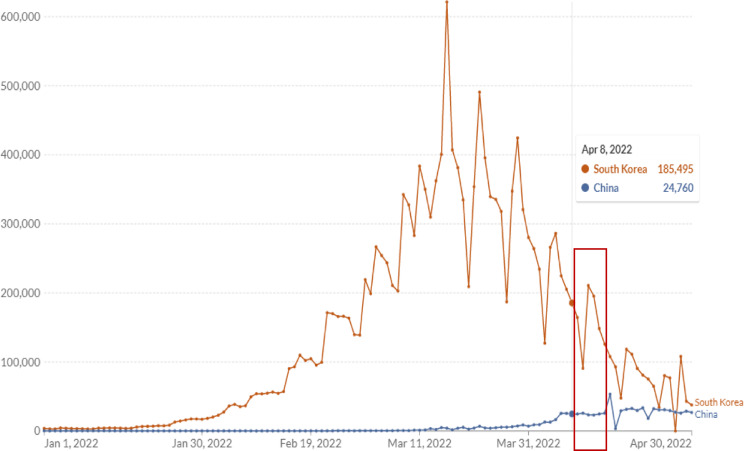 Figure 1
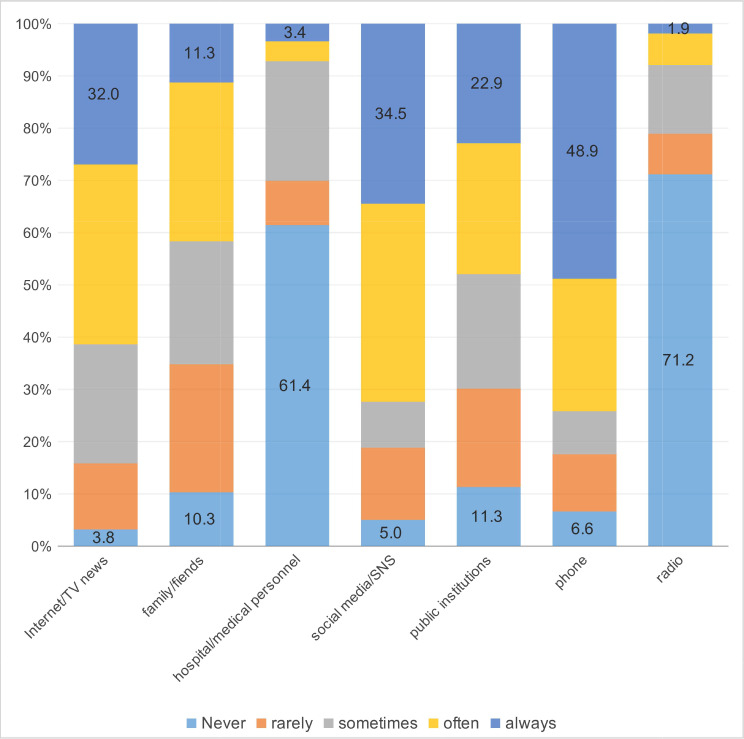 Figure 2
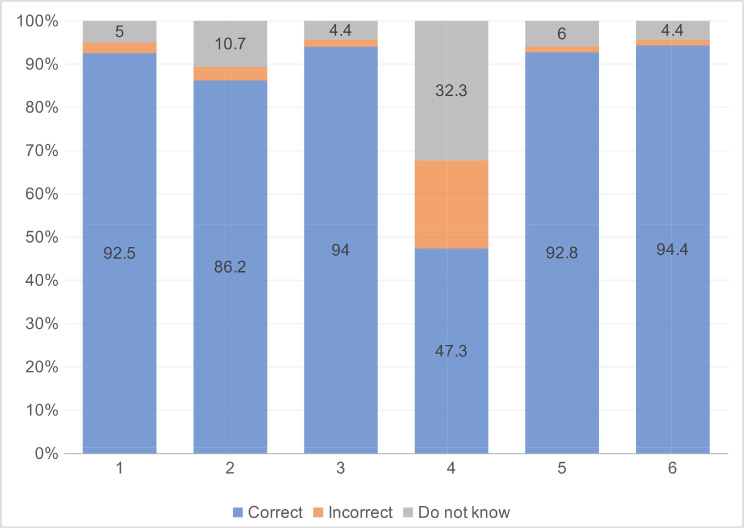 Figure 3
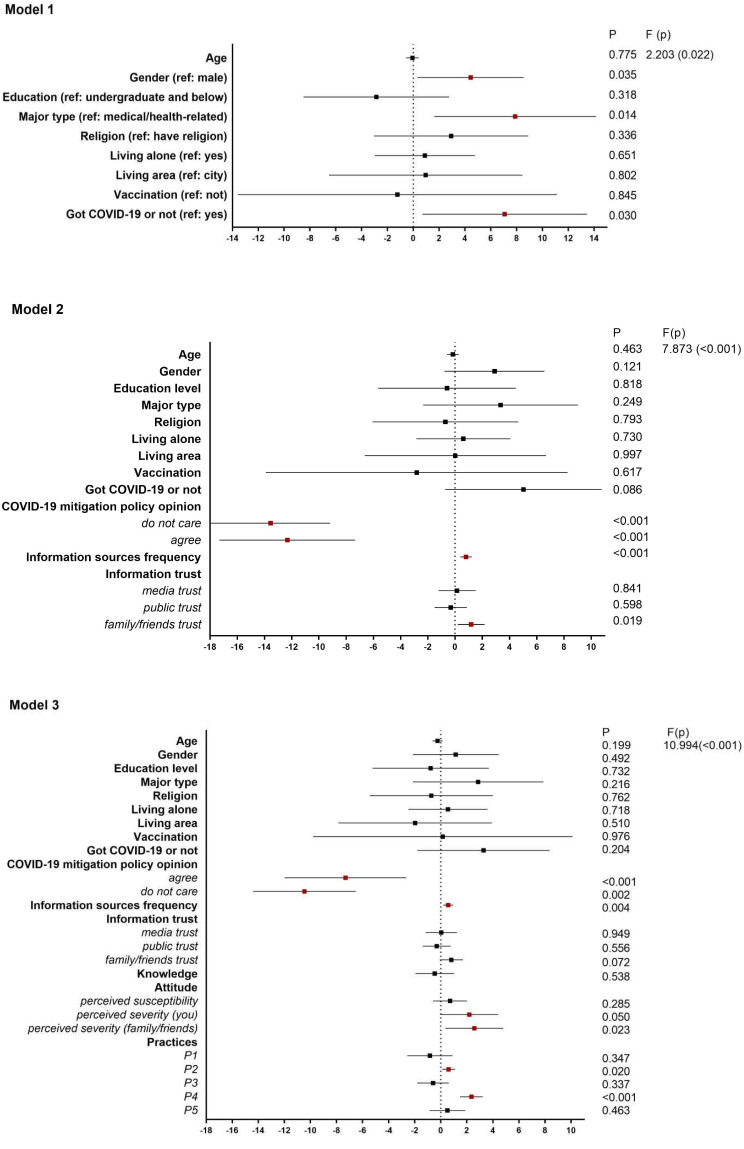 Figure 4
Peer Reviews
No public reviews on file for this paper yet. If you reviewed it on a platform where reviews are public (OpenReview, ICLR, NeurIPS, ICML), you can paste yours below so the community can read it here.
Videos
No videos yet. Explain this paper in a talk, walkthrough, or lecture? Add one.
Taxonomy
TopicsCOVID-19 and Mental Health · Misinformation and Its Impacts · Anxiety, Depression, Psychometrics, Treatment, Cognitive Processes
Introduction
Dynamic trends in COVID-19 were unpredictable [1]. With the recurrence of the three-year pandemic, individuals’ psychological experiences were also recurring, leading to problems such as stress, fear, and phobia [2–4]. Previous studies have pointed out that the increased risk factors for mental health and the psychological burden of anxiety and phobia of COVID-19 vary by country [5–7]. Over three-quarters of people surveyed expressed concern for their family members’ health, and more than half of those interviewed reported experiencing moderate-to-severe psychological impacts as a result of their COVID-19 fear [8, 9].
A phobia, unlike regular fear, is a mental health condition that causes an intense fear of specific situations [10]. Thus, a phobia causes anxiety above and beyond the true threat of a scenario, which could have a significant effect on individual’s life [11]. Studies indicated that the phobia of COVID-19 is an exaggerated fear of contracting the virus causing COVID-19, accompanied by excessive concern about physiological symptoms, increased stress and safety-seeking behaviors and avoidance of public places and situations, resulting in a noticeable impairment in daily functioning [12, 13]. These worries, combined with social isolation and strict quarantine regulations around the world, have resulted in unparalleled stress on individuals, both mentally and emotionally. This uncontrollable and persistent fear has given rise to a new and distinct type of anxiety known as COVID-19 phobia (C19P), which has exacerbated the effects on mental health [8, 9].
The health and well-being of vulnerable groups during the COVID-19 pandemic need to be prioritized [5–7]. College students have long been regarded as one of the most vulnerable groups to psychological health disorders [14–16]. As well-educated young adults and a group that has active social lives and great social mobility, college students were at a high risk of being exposed to and infected with COVID-19 [17, 18]. For international college students abroad [19], the COVID-19 pandemic led to extra pressure and challenges for those who were away from central social support such as family and friends [20]. The COVID-19 psychological and mental well-being studies of international students from different countries have been conducted in several countries [21–23], revealing there was increased phobia and urgency for further care concerning international students’ psychological status.
Regards to the Korea Education Development Agency, 67,439 Chinese students were studying in South Korea, accounting for 40.4% of the international student population in 2022 [24, 25]. Previous studies mentioned that some international students who may lack proficiency in the domestic language and cultural customs prefer interacting with people from their home culture and may avoid getting involved in extracurricular activities. Due to the social limitations of COVID-19, online classes were chosen and they did not need to go to school to meet other people. Faculties also highlighted the difficulty in increasing involvement among local Korean students and international students during the COVID-19 pandemic. Thus, there were rare meaningful opportunities for socialization for Chinese international students, leading to a struggle to adapt to Korean life [25].
According to previous studies, the factors affecting college students’ phobia of COVID-19 could be divided into two aspects individual and social relations. Individual factors included age, gender, educational level, living area, COVID-19 isolation experience, knowledge, avoidance behavior, and trusting government measures and information [26, 27]. COVID-19 knowledge could directly affect attitudes (e.g., perceived risk of infection) and practices (e.g., social distancing and personal hygiene practices), which were associated with C19P and have been studied by numerous researchers [28–30]. Although variations in the level of knowledge-attitude-practice (KAP) and phobia of COVID-19 exist among different countries and groups [29, 30], increasing knowledge, building positive attitudes, and improving behavioral patterns have been suggested to assuage people’s phobia and stress of successful COVID-19 control [31, 32].
Internet and social media have emerged as primary methods for residents to obtain dynamic information and maintain social contact and relations [33, 34]. The implementation of home isolations and restrictions of in-person social interactions severely restricted public outings and social interactions on a broad scale [35, 36]. The an extraordinary amount of misinformation regarding the pandemic [37, 38]. This has created a fertile atmosphere for fake news or misleading information to propagate, preying on people’s helplessness, unawareness, and restlessness [39, 40]. For example, lack of information on COVID-19 and acquiring wrong information from their peers are associated with the onset of panic and phobia among young teenagers. College students with higher levels of frequency use of information sources or trust could have a higher risk of phobia of COVID-19 [41]. What is more concerning is that many Internet users may be incorrectly receiving or interpreting information, thereby increasing the spread of inaccurate information [42, 43]. Consequently, exposure to trustworthy internet channels may favorably expose one to dread [44] and generate a panic reaction surrounding COVID-19.
In 2020–2021, Korea successfully contained COVID-19 and was hailed as an example for other countries to learn from [45, 46]. However, in March 2022, the number of daily new cases in Korea was more than 407,000, with one in five South Koreans being infected with COVID-19 [47]. With the increase of daily confirmed cases (3rd wave), at the beginning of April, South Korea stated that it would further relax its social distancing rules and eliminate most pandemic-related regulations [48, 49]. Starting on April 18, 2022, the Korean authorities agreed to suspend daily sanitary regulations, except for the mask mandate [50]. During the same period, the severity of COVID-19 in Shanghai, China, showed no signs of easing, which led other Chinese cities to tighten curbs, even in places with no recent infections [51]. Such a considerable difference in the two countries’ views and practices on COVID-19 may bring more restlessness and phobia to Chinese international students studying in South Korea. Although many studies explored the mental status among international student groups, there were rare studies that have examined the potential phobia of COVID-19 among Chinese international students in Korea during a totally different government policy.
Therefore, the following hypothesis was developed: C19P of college students may be affected by individual factors, information factors, and KAP aspects. This study aimed to investigate the level of COVID-19 knowledge, trust in information sources, KAP, and phobia of COVID-19 among Chinese international students studying in Korea during the COVID-19 3rd wave. Additionally, under the different COVID-19 regulations in the home country and host country, it aims to investigate the influencing factors of COVID-19 phobia among these students and tentatively explore the impact of the Korean mitigation policy opinion on phobia in 3rd COVID-19 period.
Methods
Study design and sample size
In this cross-sectional study, we collected data from respondents using an anonymous questionnaire. Snowball sampling was used to recruit participants. An online questionnaire made from an online platform (Wenjuan.com) was distributed through WeChat among Chinese international college students. The survey started on April 8, 2022, and ended on April 15, 2022 (Fig. 1), recruiting a total of 319 participants.
Fig. 1. Daily new confirmed COVID-19 cases in South Korea and China in 2022 [52]. Note Red box: survey period
The sample size needed for the study was calculated using the G*Power 3.1 program with choosing F test for multiple regression analysis based on the study design, a moderate effect size (f^2^ = 0.15), an alpha-level of 0.01, a power of 0.95 and 9 predictors [53]. The minimum total sample size was estimated to be 158. Considering the population of this group, the sample size were also calculated by the determinants and prevalence of psychological issues brought on by COVID-19 [41, 54]. Based on the following single population percentage formula assumptions: 5% type I error, 95% CI and 80% response distribution, then the final sample size became 247.
\documentclass[12pt]{minimal} \usepackage{amsmath} \usepackage{wasysym} \usepackage{amsfonts} \usepackage{amssymb} \usepackage{amsbsy} \usepackage{mathrsfs} \usepackage{upgreek} \setlength{\oddsidemargin}{-69pt} \begin{document}$$ n=\frac{(Z{\alpha }/2)2\left(P\right)(1-P)}{d2}$$\end{document}where n = required sample size, Zα/2 = critical value for normal distribution at 95% confidence level (1.96), P = proportion of psychological problems and d = 0.05 (5% margin of error).
Chinese college students studying in Korea were sent a link to participate in the questionnaire. They were invited to complete the survey online and were encouraged to send the link to their acquaintances. All participants were informed the statement of the purpose of the research and assurance of the confidentiality and privacy. Students could only complete the questionnaire after reading this statement and click-ing “AGREE” to confirm their consent. Additionally, the main questions in the survey were stipulated as mandatory questions. Any question left blank made the final submission of the online questionnaire impossible. All these measures resulted in a 100% response rate for our study.
Measurements
Scales for measuring information trust, the KAP, and COVID-19 phobia have been developed in previous studies. The Yonsei Global Health Center (YGHC) has made some changes according to the specific situation in Korea. The questionnaire in this study consisted of questions covering several areas: (1) demographic characteristics, (2) COVID-19 experiences and information, (3) KAP of COVID-19, and (4) COVID-19 phobia.
- Demographic characteristics elicited from the respondents included gender, age, educational level, living areas, living status, and religion.
- COVID-19 experiences and information included vaccination status, whether the student had COVID-19, mitigation opinion, information-related sources, and trust. Questions on seven information sources, including Internet/TV news, family/fiends, hospital/medical personnel, social media/SNS, public institutions, phone, and radio, were asked to respondents about using frequency who answered on a 5-point Likert-type scale (“1 = never, 5 = always”). Questions on the trust scores (1–10) of the media, public, and family/friends were subsequently asked (Table 1).
- The KAP scale was adopted from similar studies [55] and validated by Lee et al. [56]. Knowledge of COVID-19 was assessed using a six-item questionnaire developed by Zhong et al. [57]. All respondents could respond with “Yes,” “No,” or “Don’t know.” Knowledge scores were calculated by assigning one point to each correct question, and an aggregate score was calculated (range 0–6), with higher scores indicating more knowledge about COVID-19. Attitudes related to COVID-19 were examined, including the perceived risk of COVID-19 infection and perceived severity of infection (two items: if COVID-19 infects you, if COVID-19 infects family/friends) [58]. Responses were rated on a 5-point Likert-type scale, with “1 = very low, 3 = neither low nor high, and 5 = very high.” Precautionary behavior practices were measured using five items in two categories: (1) preventive measures (i.e., wearing facial masks in public/with family or friends and practicing internal ventilation regularly) and (2) social distancing (i.e., avoiding crowded places and maintaining social distancing). Respondents were asked to give scores on their practices ranging from to 1–10 (1 = not at all and 10 = extremely) (Table 1).
- The COVID-19 Phobia Scale (C19P-SE) was developed, and its reliability and validity were confirmed by Arpaci et al. [59, 60]. The C19P-SE purports to assess phobic reactions using 20 items followed by 4-factor categories (psychological, psychosomatic, economic, and social scale). The items in the Appendix are graded on a five-point Likert scale ranging from “strongly disagree (1)” to “strongly agree (5).” The total scale scores range from 20 to 100, with higher scores indicating more phobia. The total scale in this study had a Cronbach’s value of 0.940 and Kaiser-Meyer-Olkin (KMO) of 0.936. The reliability and validity of the subscales were tested (Table 2).
Table 1. Descriptive statistics of COVID-19 phobia scale (C19P-SE) (N = 319)ScaleItemsRangeMean ± SDαKMO C19P-SE 2020–10056.47 ± 17.640.9400.936Psychological61–3019.14 ± 6.010.8550.876Psycho-somatic51–259.60 ± 4.910.8740.840Economic51–2517.08 ± 5.070.8160.788Social41–2010.62 ± 1.260.8360.772
Table 2. Characteristics of study participants (N = 319) and their mean score of C19P-SEVariablesTotalC19P-SE P n (%)Mean ± SD Total 56.47 ± 17.64 Age ^a^ 26.53 ± 4.60 Gender 0.048Male111 (34.8)53.66 ± 19.37Female208 (65.2)57.97 ± 16.49 Education level 0.372Undergraduate and others (e.g.: language learning program)66 (20.7)58.45 ± 21.05Graduate and above253 (79.3)55.95 ± 16.64 Major type 0.015Medical/health-related34 (10.7)49.50 ± 15.78Non-medical285 (89.3)57.30 ± 17.69 Religion 0.083Have religion40 (12.5)51.95 ± 20.06No religion279 (87.5)57.11 ± 17.20 Living alone 0.673Yes162 (50.8)56.06 ± 17.42No157 (49.2)56.89 ± 17.90 Living area 0.442City295 (92.5)56.26 ± 17.58Rural24 (7.5)59.04 ± 18.51 Vaccination 0.915Not vaccinated8 (2.5)57.13 ± 21.60At least one dose311 (97.5)56.45 ± 17.57 Got COVID-19 or not 0.020Yes33 (10.3)49.73 ± 16.32No286 (89.7)57.24 ± 17.64 Government’s COVID-19 mitigation policy opinion ^b^ < 0.001Do not agree196 (61.4)62.63 ± 15.41Do not care70 (21.9)46.90 ± 14.62Agree53 (16.6)46.32 ± 18.89 COVID-19 Phobia level Low (20–40)57 (17.9)31.53 ± 6.12Medium (41–70)192 (60.2%)54.73 ± 7.98High (71–100)70 (21.9)81.53 ± 8.21Note^a^: mean age; ^b^: ANOVA test
Statistical analysis
Descriptive analysis, Student’s t-test or one-way analysis of variance (ANOVA) was used to assess statistical differences in the distribution of COVID-19–related degrees of phobia across different sociodemographic factors. The association between trust in information sources, KAP, and phobia of COVID-19 was investigated using multivariate linear regression hierarchical model.
The correlation magnitudes are reported as standardized regression coefficients (β). SPSS, version 23.0 (IBM Corp) was used to perform statistical analyses. VIF ranged from 1.02 to 2.50, indicating that there was no multi-collinearity among selected independent variables. Different model regression results showing in the Forest plot were graphed by GraphPad prism 8 (GraphPad Software, Inc., San Diego, CA). All statistical significance levels were set at α = 0.05 (P < 0.05), and all statistical tests were two-tailed.
The inclusion criteria were as follows: (a) college students aged over 18 years old, (b) Chinese students studying at Korean universities, and (c) consent to participate in the survey. In total, 319 valid responses were included in the data analysis.
Results
Participant characteristics
The mean age of the participants was 26.53 years (SD = 4.60). Of the 319 participants, 65.2% were women, and 34.8% were men. Of these, 253 (79.3%) were in graduate or above educational status, while only 34 (10.7%) majored in medical/health-related. Most of them (87.5%) did not have a religion, and half of them were living alone. More than 90% of these students lived in city area and got vaccinated at least one dose. 33 out of 319 participants (10.3%) were COVID-19 positive, and around 61.4% did not agree with Korea’s mitigation policy. The mean COVID-19 phobia score was 56.47 (SD 17.64). More than half (60.2%) had a medium phobia level. Significant differences in phobia scores were reported in groups of major, get COVID-19, and government’s COVID-19 mitigation policy (as shown in Table 3).
Table 3. Responses of Information sources, trust, and KAP (N = 319)VariablesRangeMeanSD Frequency of information sources use Information sources frequency score7–3521.104.30 Information trust media trust: how much do you trust the COVID-19 information provided by the media (Internet/TV/SNS)?1–107.151.34public trust: how much do you trust the COVID-19 information provided by public health centers/public institutions?1–107.501.90family/friends trust: how much do you trust the COVID-19 information provided by your family/friends?1–106.742.02 Knowledge Knowledge score0–65.071.14 Attitudes
Perceived risk Perceived susceptibility1–53.281.22Perceived severity (you)1–52.561.06Perceived severity (family/friends)1–52.871.04 Practices P1: Wearing facial masks (public places)1–109.590.93P2: Wearing facial masks (with your family/friends)1–103.193.20P3: Practicing internal ventilation regularly1–109.421.38P4: Avoiding crowded places1–108.432.02P5: Keeping social distancing1–109.770.92
Figure 2 shows the usage frequency of seven information sources among Chinese college students studying in Korea. Nearly half (48.9%) of them always used phones to obtain information, followed by social media (34.5%), internet/TV news (32.0%), and public institutions (22.9%). Additionally, the sources that most of them had never used included radio (71.2%) and hospital/medical personnel (61.4%). The total information source frequency scores of these respondents were 21.10 ± 4.30 (Table 1).
Fig. 2. The percentage of responses to frequency of information sources items usage (N = 319, %)
Most respondents answered approximately five of the six knowledge items correctly (M = 5.07, SD = 1.16). These students appeared to be knowledgeable about transmission through the respiratory droplets of infected people (92.5% answered correctly, 2.5% incorrectly, and 5.0% reported that they did not know). A high prevalence of misunderstanding was discovered in a knowledge item, with participants believing that infection could occur through eating or having contact with wild animals (Fig. 3). Only 20.4% correctly answered that the statement was false, 47.3% believed it was true, and 32.3% said that they were not sure. Around 94.4% of the respondents replied that wearing a general medical mask helped prevent the spread of infection. The mean total knowledge score was 5.07 ± 1.14 (Table 1).
Fig. 3. The percentage of responses to knowledge items (N = 319, %) Note 1: The main clinical symptoms of COVID-19 are fever, fatigue, dry cough, and myalgia. 2: There is currently no effective cure for COVID-2019, but early symptomatic and supportive treatment can help most patients recover from infection. 3: Not all persons with COVID-2019 will develop severe cases. Only older individuals who have chronic illnesses are more likely to be in severe cases. 4: Eating or contacting wild animals would result in infection by the COVID-19 virus. 5: The COVID-19 virus spreads via respiratory droplets of infected individuals. 6: Ordinary residents can wear general medical masks to prevent infection by the COVID-19 virus.
Respondents trusted the information provided by public health centers and institutions (M = 7.50, SD = 1.90), followed by the Internet/TV (M = 7.15, SD = 1.34), and family/friends (M = 6.74, SD = 2.02). They perceived the risk of becoming infected with COVID-19 (perceived susceptibility) as higher than “neither high nor low” (score = 3) (M = 3.28, SD = 1.22). The average perceived severity scores in “yourself” and “family/friends” were average level (M = 2.56, SD = 1.06; M = 2.87, SD = 1.04). Four out of five practice items were reported well. The most frequently performed practice was maintaining social distancing (M = 9.77, SD = 0.92), followed by wearing facial masks (M = 9.59, SD = 0.93) in public places, practicing regular internal ventilation (M = 9.42, SD = 1.38), and avoiding crowded places (M = 8.43, SD = 2.02) (Table 1).
Associations between demographic variables, Information trust, KAP and phobia of COVID-19
Figure 4 shows that gender, major type, and COVID-19 were significantly associated with COVID-19 phobia (Model 1). Women with a higher level of education who did not have COVID-19 before were more likely to have severe phobia. After adding information-related variables in Model 2, it was reported that those who did not agree with the mitigation policy, who more frequently received information, and who trusted their family would have a greater risk of phobia. Model 3 shows more associations with the KAP variables. Perceived higher severity of infection, better performance in wearing masks with family/friends, and avoiding crowded places were also significantly associated with a higher level of phobia. The Durbin-Watson value was 2.092 and the F-test in the three models was less than 0.05. The R^2^ value accounted for 47.3% of the variation in Model 3.
Fig. 4. Regression analysis of the phobia of COVID-19 among international Chinese college students in Korea (N = 319). Note Significant symbols are marked in red (P < 0.05)
Discussion
Principal results
Our study demonstrated the level of trust and frequency in information sources, KAP, and COVID-19 phobia among Chinese international students in South Korea. In addition, we examined whether trust and frequency in information sources and KAP were associated with phobia of COVID-19. In the context of Korea’s ending restrictions on COVID-19, this is one of the few studies that considers the relationship between these factors for this special population group.
This study reported that the respondents had diverse sources of getting information related to COVID-19. After two years of knowledge of COVID-19, they had adequate knowledge about COVID-19, including the transmission of the virus through respiratory droplets of infected people and clinical symptoms of the disease. Information trust via the media and the public was higher than that in family or friends. Regarding attitudes, the perceived risk of infection susceptibility was relatively higher than the disease’s perceived severity, which was the opposite in a 2021 Korean group study [56]. More than half of them disagreed with the mitigation policy, which could be explained by the fact that China’s behavior affected their opinion, which has been escalating restrictions [61, 62]. Most respondents complied with the recommended practices, such as wearing facial masks in public, practicing regular internal ventilation, avoiding crowded places, and maintaining social distancing to prevent COVID-19 infections. Although the KCDC said that if a family member/roommate becomes infected, others can change to self-manual surveillance and go out normally [63], and they do not score high on masks when they are with family/friends. This may be because most of them live alone and do well to avoid meeting others [64, 65].
Given that individuals need to learn about the disease and then respond properly, health information acquisition and sharing have become increasingly vital during the COVID-19 pandemic [66, 67]. Information from highly trusted sources is more likely to elicit changes in action and mental status. Health-related information can be provided through a series of interpersonal, organizational, and mediated communication channels (e.g., health personnel, public agencies, and social media) [68, 69]. For example, the daily regional COVID-19 situation can be noticed by people through phones in Korea. A higher frequency of use and trust in COVID-19 information sources provided by family/friends were associated with increased phobia of COVID-19 among these students, according to the findings. This might indicate that more COVID-19 information is exposed and accepted by those who are highly supported by their family and friends [70], and they felt greater fear as a result of misinformation or fake news such as rumors and disinformation, which might lead to several panic actions [71, 72]. This may be an unintended consequence of providing COVID-19 messages daily through many platforms [70]. A previous study also reported that misinformation regarding COVID-19 shared on social media may have caused unwarranted fear, anxiety, and stigma against affected individuals [73]. These international college individuals had disagreed with Korea’s mitigation policy, and there were too much information about China and Korea for them to filter out helpful information or assess their personal dangers [74]. Further assurances about their safety or interpretations of official messaging on social media and public agencies may make them feel less fearful.
The results of the regression analysis on the association between KAP and COVID-19-related phobia support the findings of previous research on the relationship between KAP and fear of COVID-19 [29, 30, 75]. Levels of knowledge, risk perception, and preventive health behaviors during the COVID-19 outbreak have been identified as essential adherence elements for implementing prevention and control measures [76, 77]. In this study, instead of knowledge, Chinese international students’ emotions related to panic and fear could be more affected by attitudes and preventive practices. Being at high risk of coming into contact with confirmed patients without any limitations while the home country’s situation was getting worse and escalated, the policy gap and pandemic situation of the two countries exposed the vulnerability of international students in Korea [78, 79]. More perceived severity of family/friends getting COVID-19, wearing masks with family/friends, and avoiding crowded places were significantly associated with higher phobia. Psychological elements, such as fear and phobia, must be considered in infectious disease treatment and surveillance [80]. The best way to relieve the phobia of COVID-19 among Chinese international college students may be to focus on communication from authority standpoints to remove deep-seated beliefs and misperceptions.
The study’s findings offer both theoretical and practical implications. Theoretically, it contributes to understanding how information sources and social support networks impact emotions during pandemics, particularly phobia among international students. Practically, it highlights the need for accurate, authoritative communication to manage COVID-19 misinformation and its psychological effects. Tailoring communication strategies to address misconceptions and providing clear, reliable information can mitigate phobia and support better adherence to preventive measures among vulnerable populations like international students.
Limitations
This study has certain limitations. First, the non-probability sampling approach used in the data collection may restrict readers from generalizing the findings to larger settings. However, it is routinely used in social and medical sciences when the target population is difficult to identify [81], particularly during such a unique pandemic. Therefore, conducting a generalizable study with the help of platforms and institutions among possible participants using probability methods such as random sampling and increasing the sample size would be ideal. Second, the assessment items for information, KAP, were examined and subjectively answered in this study. Attitudes related to COVID-19 risk perceptions could include not cognitive but also affective dimensions. Additional characteristics linked to COVID-19 attitudes and preventive behaviors, such as perceived obstacles or other communication factors that may have impacted their phobia levels. Third, comparable study with Korean or other international students to better understand the role of nationality in phobia would be future planning in the similar research. Nevertheless, the strength of this study is that results from Chinese international students in Korea about information trust, KAP, and COVID-19 phobia will be directly applicable to the new normal after ending all COVID-19 limitations.
Conclusions
The findings from this study suggest that Chinese international students who highly trusted family-provided information, more frequently used sources to get information, and disagreed with Korea’s mitigation policy had higher levels of phobia of COVID-19. In the context of ending all limitations and returning to normal, there was also evidence of a strong association between the perceived severity of family/friends getting infected, preventive practices, and the increasing risk of COVID-19 phobia among these students. These results have implications for mental interventions for COVID-19, suggesting the need for more proactive communication strategies and education programs for international students to alleviate their phobia and psychological stress.
Electronic supplementary material
Below is the link to the electronic supplementary material.
Supplementary Material 1
The reference list from the paper itself. Each links out to its DOI / PubMed record.
- 1Kim K Lee M The impact of the COVID-19 pandemic on the unpredictable dynamics of the cryptocurrency market Entropy 2021239123410.3390/e 2309123434573859 PMC 8467557 · doi ↗ · pubmed ↗
- 2Chevance A Gourion D Hoertel N Llorca PM Thomas P Bocher R Moro MR Laprévote V Benyamina A Fossati P Masson M Ensuring mental health care during the SARS-Co V-2 epidemic in France: a narrative review L’encephale 202046319320110.1016/j.encep.2020.04.00532370982 PMC 7174154 · doi ↗ · pubmed ↗
- 3Jackson L De Pascalis L Harrold JA Fallon V Silverio SA Postpartum women’s psychological experiences during the COVID-19 pandemic: a modified recurrent cross-sectional thematic analysis BMC Pregnancy Childbirth 20212111610.1186/s 12884-021-04071-234530772 PMC 8445650 · doi ↗ · pubmed ↗
- 4Han C Li M Haihambo N Babuna P Liu Q Zhao X Jaeger C Li Y Yang S Mechanisms of recurrent outbreak of COVID-19: a model-based study Nonlinear Dyn 2021106211698510.1007/s 11071-021-06371-w 33758464 PMC 7972336 · doi ↗ · pubmed ↗
- 5Rahman MA Islam SM Tungpunkom P Sultana F Alif SM Banik B Salehin M Joseph B Lam L Watts MC Khan SJCOVID-19: factors associated with psychological distress, fear, and coping strategies among community members across 17 countries Globalization Health 20211711910.1186/s 12992-021-00768-334598720 PMC 8485312 · doi ↗ · pubmed ↗
- 6Banerjee D Vaishnav M Rao TS Raju MS Dalal PK Javed A Saha G Mishra KK Kumar V Jagiwala MP Impact of the COVID-19 pandemic on psychosocial health and well-being in South-Asian (World Psychiatric Association zone 16) countries: a systematic and advocacy review from the Indian Psychiatric Society Indian J Psychiatry 202062 Suppl 3S 34310.4103/psychiatry.Indian J Psychiatry_1002_2033227049 PMC 7659771 · doi ↗ · pubmed ↗
- 7De Kock JH Latham HA Leslie SJ Grindle M Munoz SA Ellis L Polson RO’Malley CMA rapid review of the impact of COVID-19 on the mental health of healthcare workers: implications for supporting psychological well-being BMC Public Health 20212111810.1186/s 12889-020-10070-333422039 PMC 7794640 · doi ↗ · pubmed ↗
- 8Marzo RR Ismail Z Htay MN Bahari R Ismail R Villanueva EQIII Singh A Lotfizadeh M Respati T Irasanti SN Sartika D Psychological distress during pandemic Covid-19 among adult general population: result across 13 countries Clin Epidemiol Global Health 20211010070810.1016/j.cegh.2021.100708 PMC 788947633619459 · doi ↗ · pubmed ↗