Essentiality, protein–protein interactions and evolutionary properties are key predictors for identifying cancer-associated genes using machine learning
Amro Safadi, Simon C. Lovell, Andrew J. Doig

TL;DR
This paper uses machine learning to identify cancer-related genes by analyzing their essentiality and protein interactions, helping to speed up cancer research.
Contribution
The study introduces a machine learning model that effectively predicts cancer-associated genes using essentiality and network properties.
Findings
Cancer-associated genes have higher essentiality scores than non-cancer genes.
A machine learning model achieved 89% accuracy in predicting cancer genes.
Essentiality and protein interaction features are key predictors in the model.
Abstract
The distinctive nature of cancer as a disease prompts an exploration of the special characteristics the genes implicated in cancer exhibit. The identification of cancer-associated genes and their characteristics is crucial to further our understanding of this disease and enhanced likelihood of therapeutic drug targets success. However, the rate at which cancer genes are being identified experimentally is slow. Applying predictive analysis techniques, through the building of accurate machine learning models, is potentially a useful approach in enhancing the identification rate of these genes and their characteristics. Here, we investigated gene essentiality scores and found that they tend to be higher for cancer-associated genes compared to other protein-coding human genes. We built a dataset of extended gene properties linked to essentiality and used it to train a machine-learning…
Genes, proteins, chemicals, diseases, species, mutations and cell lines named across the full text — each resolved to its canonical identifier and authoritative record.
Click any figure to enlarge with its caption.
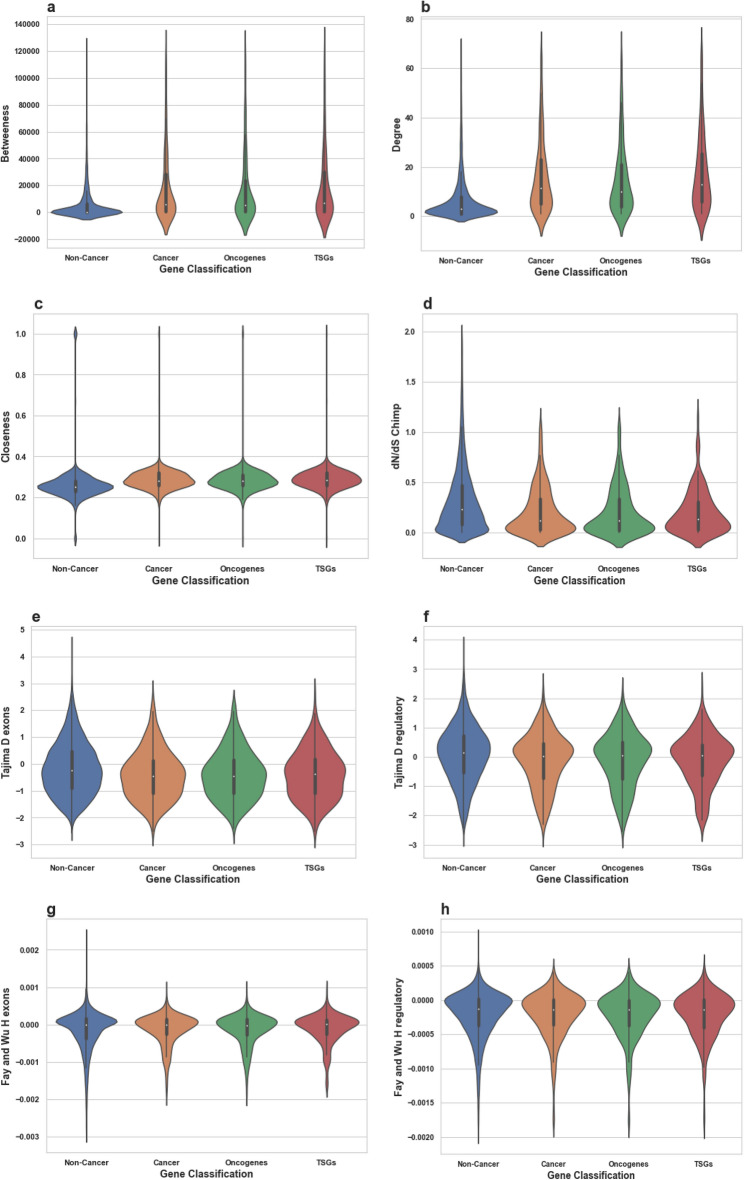 Figure 1
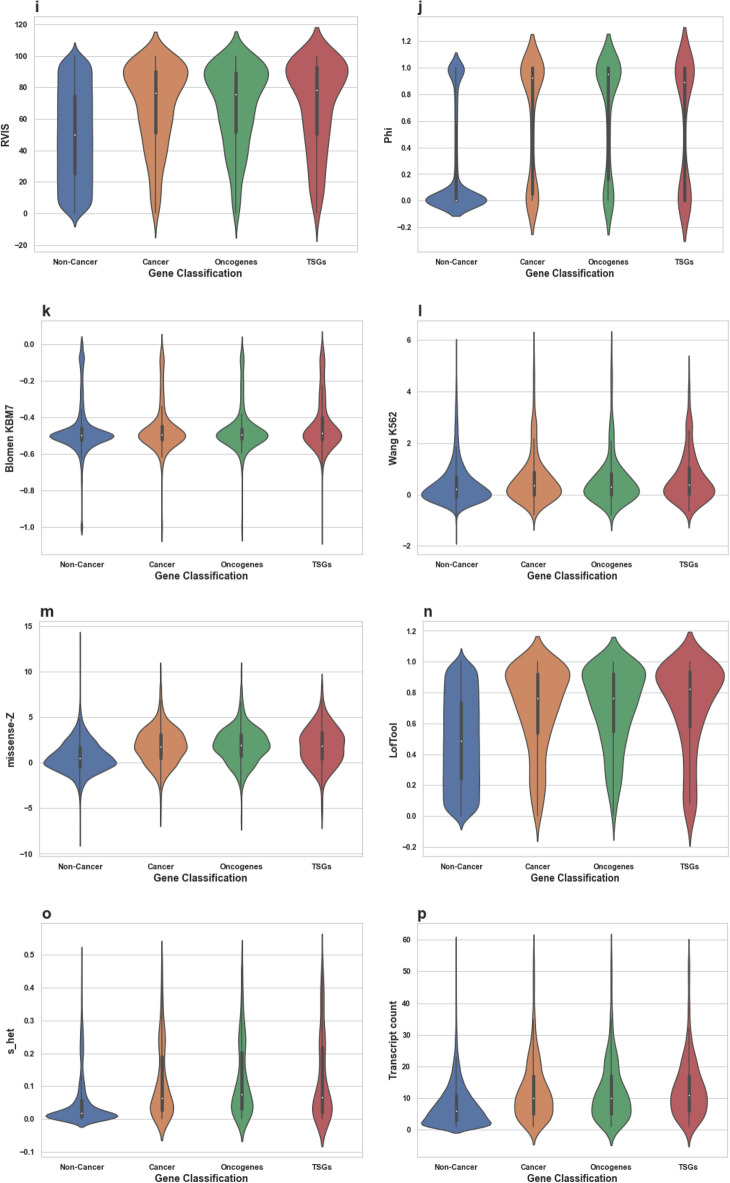 Figure 1
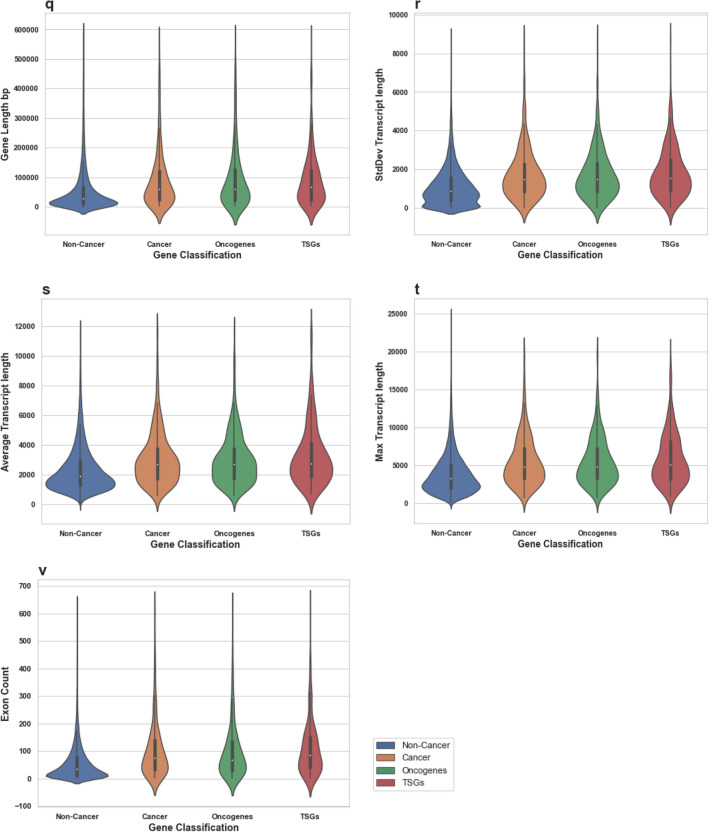 Figure 1
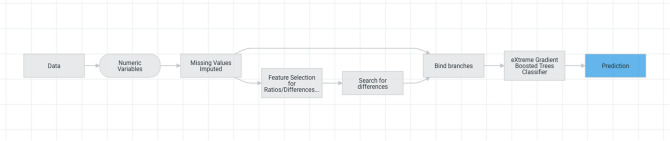 Figure 2
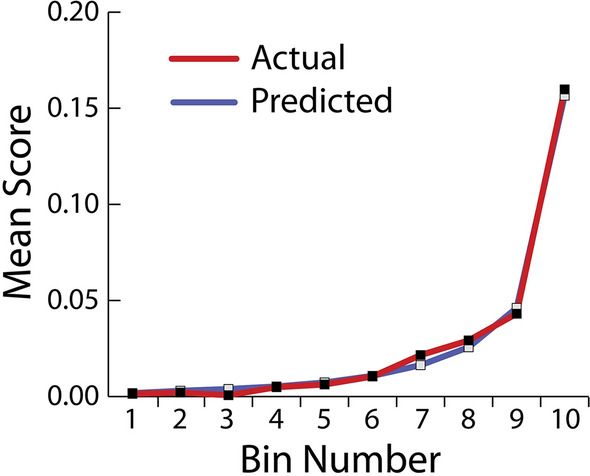 Figure 3
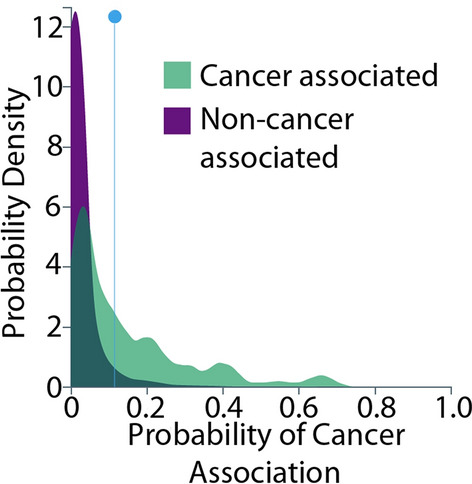 Figure 4
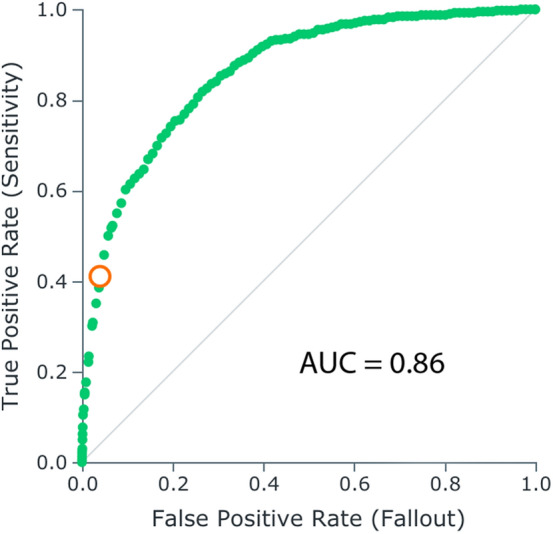 Figure 5
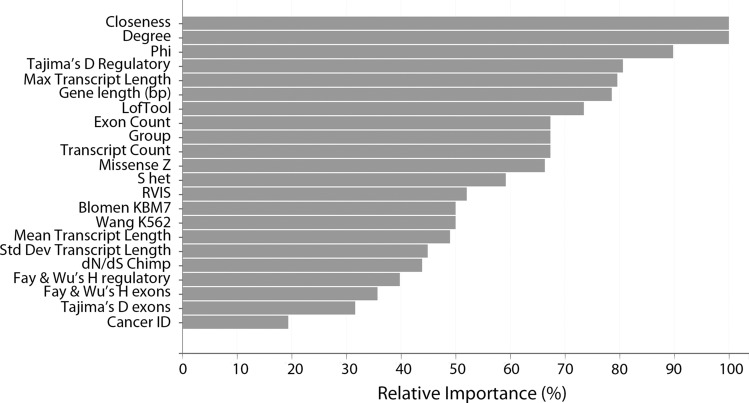 Figure 6
Peer Reviews
No public reviews on file for this paper yet. If you reviewed it on a platform where reviews are public (OpenReview, ICLR, NeurIPS, ICML), you can paste yours below so the community can read it here.
Videos
No videos yet. Explain this paper in a talk, walkthrough, or lecture? Add one.
Taxonomy
TopicsBioinformatics and Genomic Networks · Gene expression and cancer classification · Genomics and Phylogenetic Studies