TTN-related hereditary myopathy with early respiratory failure presented with elevated hemoglobin initially: A case report and literature review
Hanyang Liang, Dong Liu, Qian Gao, Zhenguo Zhai

TL;DR
A 44-year-old man with a TTN gene variant was diagnosed with a rare muscle disease causing early respiratory failure, initially mistaken for blood-related issues.
Contribution
This case report identifies a novel TTN variant associated with hereditary myopathy and highlights elevated hemoglobin as a potential early sign.
Findings
A TTN gene variant (c.90272C > T) was linked to respiratory muscle dysfunction in a Chinese family.
Elevated hemoglobin levels were an initial but overlooked indicator of hereditary myopathy with early respiratory failure.
Muscle imaging and genetic testing confirmed the diagnosis despite absence of limb weakness.
Abstract
As common abnormal conditions in clinical practice, hypoxemia and respiratory failure are mainly caused by various respiratory diseases. However, other causes are easily overlooked but deserve more attention from doctors. A 44-year-old man presented with dyspnea for 10 years. In the early stage, his dyspnea was mild without hypoxemia, and he was misdiagnosed with polycythemia vera due to elevated hemoglobin level. He later developed to respiratory failure but he did not have weakness in his extremities. The positional difference in pulmonary function tests and arterial blood gas analysis led us to identify the respiratory muscle dysfunction. Fatty infiltration of the thigh muscle found by magnetic resonance imaging and muscle biopsies gave us more clues to the causes of diaphragmatic dysfunction. Finally, in combination with his family history and the results of whole exome sequencing,…
Genes, proteins, chemicals, diseases, species, mutations and cell lines named across the full text — each resolved to its canonical identifier and authoritative record.
Click any figure to enlarge with its caption.
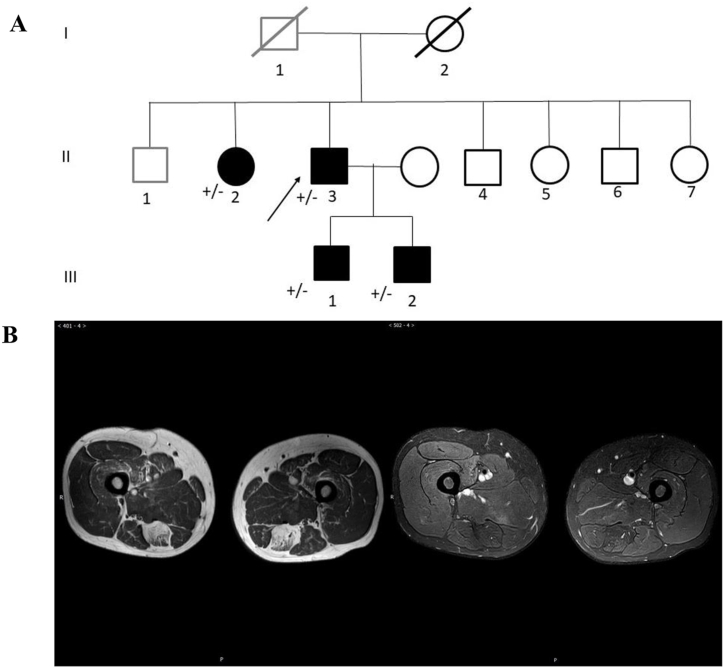 Figure 1
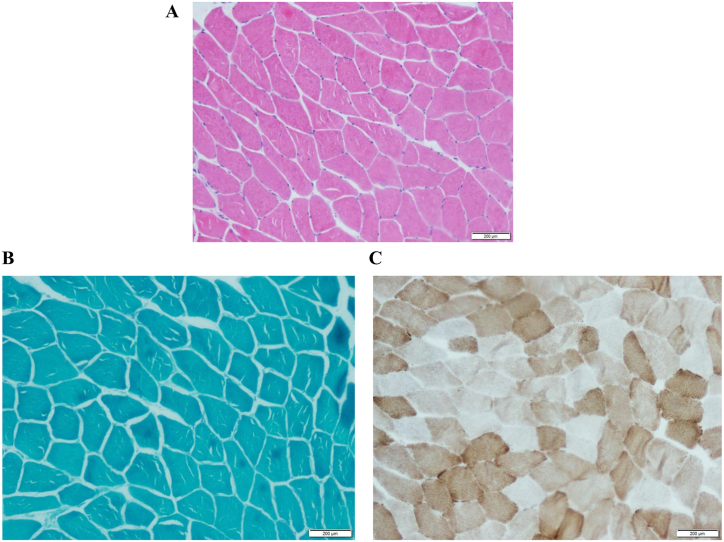 Figure 2
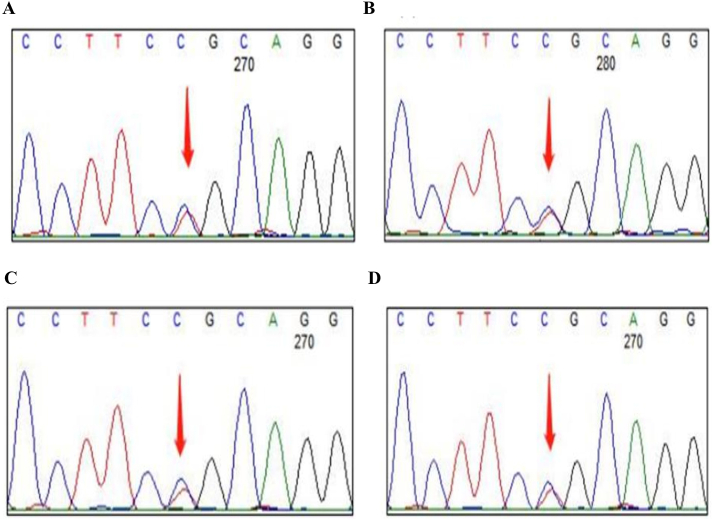 Figure 3
Peer Reviews
No public reviews on file for this paper yet. If you reviewed it on a platform where reviews are public (OpenReview, ICLR, NeurIPS, ICML), you can paste yours below so the community can read it here.
Videos
No videos yet. Explain this paper in a talk, walkthrough, or lecture? Add one.
Taxonomy
TopicsCardiomyopathy and Myosin Studies · Neurogenetic and Muscular Disorders Research · Muscle Physiology and Disorders