Anodal Electrical Taste Stimulation to the Chin Enhances the Salt Taste Perception in Subarachnoid Hemorrhage Patients
Masahito Katsuki, Taiki Fukushima, Tetsuya Goto, Yoshiki Hanaoka, Naomichi Wada, Takuya Nakamura, Shiori Sasaki, Tetsuyoshi Horiuchi

TL;DR
Applying electrical stimulation to the chin can enhance salt taste perception in patients with subarachnoid hemorrhage, potentially helping them reduce salt intake without losing flavor.
Contribution
This is the first report demonstrating the effectiveness of anodal electrical taste stimulation in enhancing salt taste perception in a real patient.
Findings
Electrical stimulation lowered the salt taste threshold from 0.8% to 0.6% on filter paper.
Salt perception increased with stimulation, with 0.8% and 1.0% salt perceived as 0.6% and 0.8% without stimulation.
This is the first clinical case showing ETS's potential to enhance salt taste in subarachnoid hemorrhage patients.
Abstract
Aneurysmal subarachnoid hemorrhage (SAH) is a critical condition associated with high mortality rates. Hypertension is a significant risk factor for SAH development and recurrence following coil embolization for a ruptured aneurysm. While reduction of salt consumption is crucial for managing hypertension, it often compromises food taste. Anodal electrical taste stimulation (ETS) has been proposed to enhance taste perception without altering salt content. We present the case of a 69-year-old female SAH patient with a ruptured aneurysm at the anterior communicating artery who underwent coil embolization and in whom we tested ETS’s efficacy in enhancing the salt taste perception on day 42 after the procedure. ETS effectively enhanced the salt taste perception threshold and perceived concentration; the threshold for salt taste without electrical stimulation was 0.8% of salt-impregnated…
Genes, proteins, chemicals, diseases, species, mutations and cell lines named across the full text — each resolved to its canonical identifier and authoritative record.
Click any figure to enlarge with its caption.
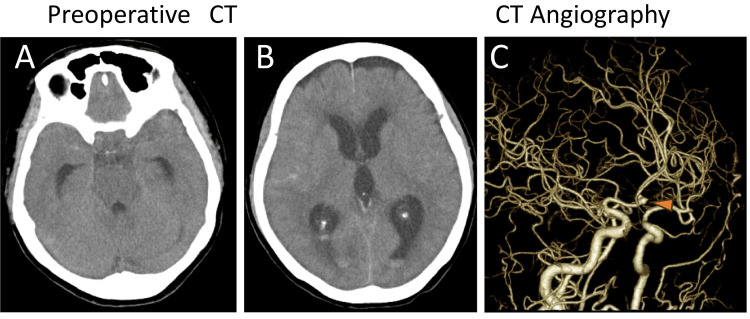 Figure 1
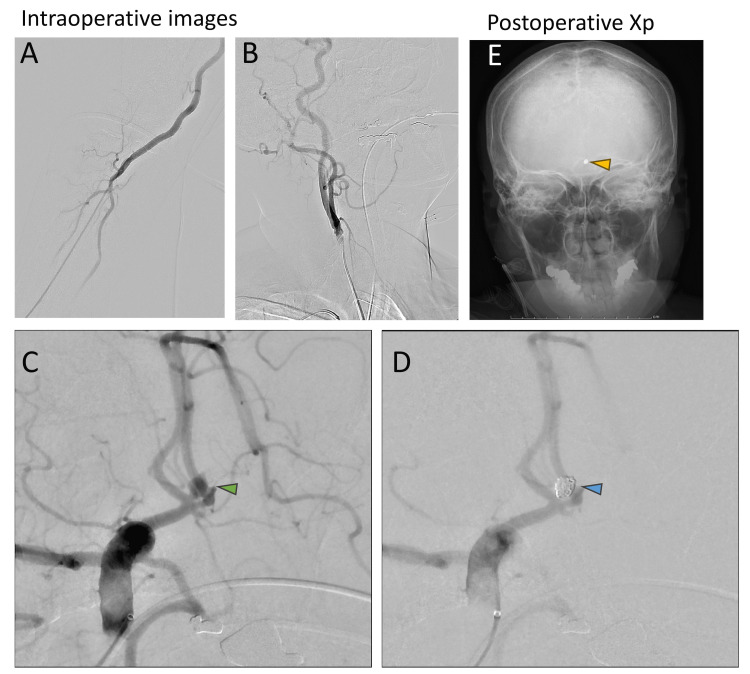 Figure 2
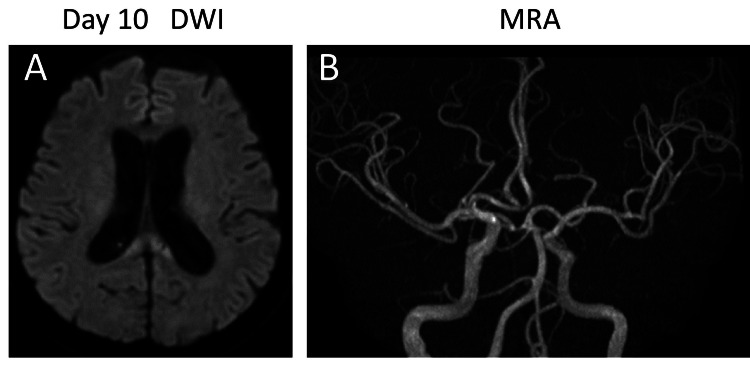 Figure 3
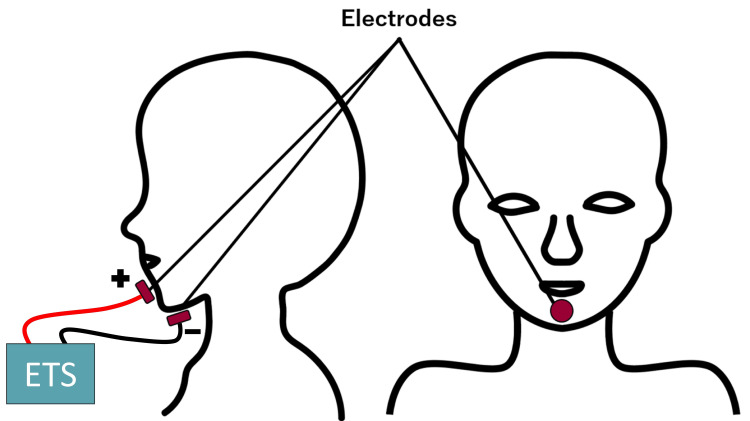 Figure 4
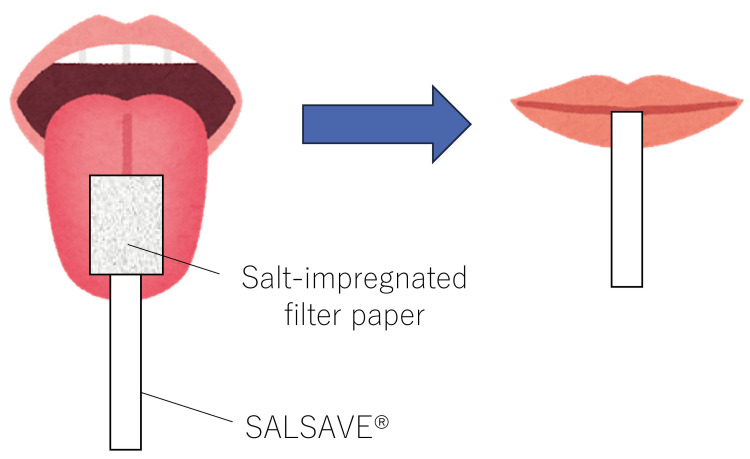 Figure 5
Peer Reviews
No public reviews on file for this paper yet. If you reviewed it on a platform where reviews are public (OpenReview, ICLR, NeurIPS, ICML), you can paste yours below so the community can read it here.
Videos
No videos yet. Explain this paper in a talk, walkthrough, or lecture? Add one.
Taxonomy
TopicsHuman Rights and Immigration · International Maritime Law Issues · European and International Law Studies