Creating High-Quality Synthetic Health Data: Framework for Model Development and Validation
Elnaz Karimian Sichani, Aaron Smith, Khaled El Emam, Lucy Mosquera

TL;DR
This paper introduces a new model for generating synthetic longitudinal health data that preserves privacy while maintaining the usefulness of the original data.
Contribution
The novel contribution is a generative model using GCP tensor decomposition and multiple sampling methods to create synthetic health data.
Findings
The model produces synthetic data similar to real data in structure and patterns.
The model preserves privacy by eliminating direct patient data sharing.
The model can handle various data structures and simulate diverse patient populations.
Abstract
Electronic health records are a valuable source of patient information that must be properly deidentified before being shared with researchers. This process requires expertise and time. In addition, synthetic data have considerably reduced the restrictions on the use and sharing of real data, allowing researchers to access it more rapidly with far fewer privacy constraints. Therefore, there has been a growing interest in establishing a method to generate synthetic data that protects patients’ privacy while properly reflecting the data. This study aims to develop and validate a model that generates valuable synthetic longitudinal health data while protecting the privacy of the patients whose data are collected. We investigated the best model for generating synthetic health data, with a focus on longitudinal observations. We developed a generative model that relies on the generalized…
Genes, proteins, chemicals, diseases, species, mutations and cell lines named across the full text — each resolved to its canonical identifier and authoritative record.
Click any figure to enlarge with its caption.
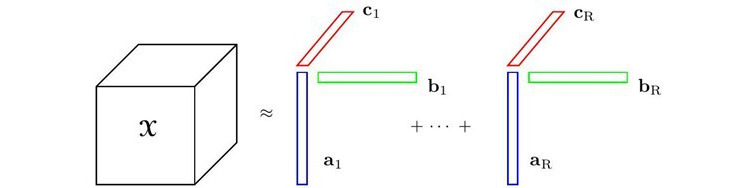 Figure 1
 Figure 10
 Figure 11
 Figure 12
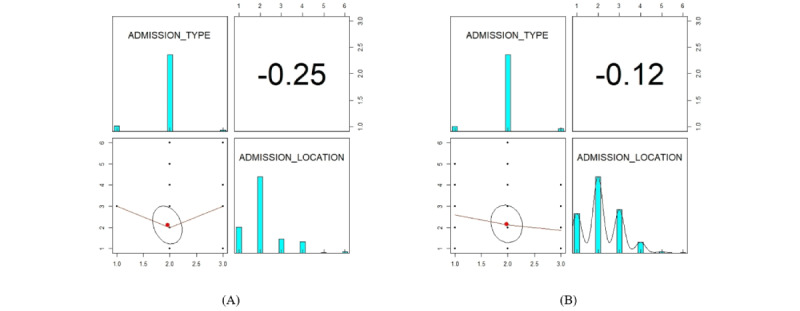 Figure 13
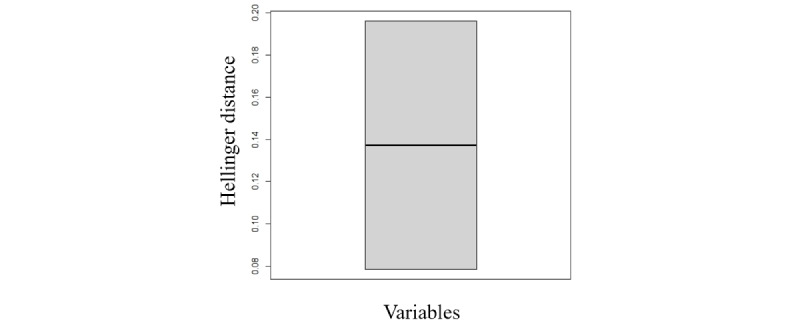 Figure 14
 Figure 15
 Figure 16
 Figure 17
 Figure 18
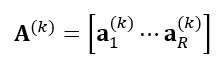 Figure 19
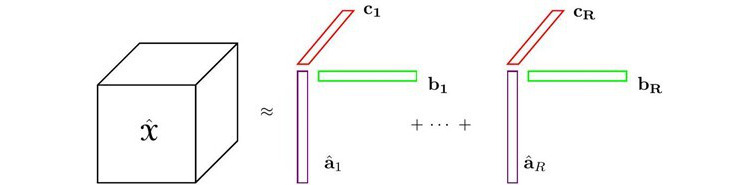 Figure 2
 Figure 20
 Figure 21
 Figure 22
 Figure 23
 Figure 24
 Figure 25
 Figure 26
 Figure 27
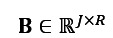 Figure 28
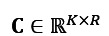 Figure 29
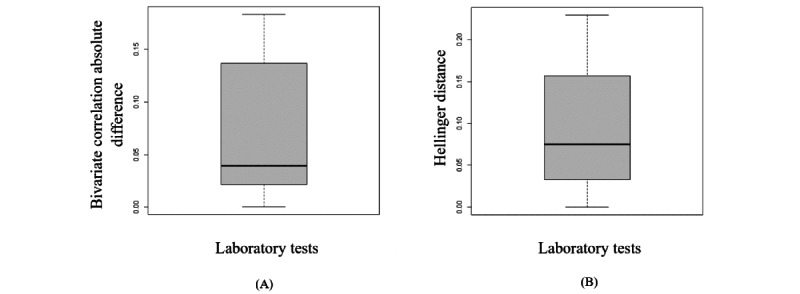 Figure 3
 Figure 30
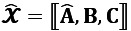 Figure 32
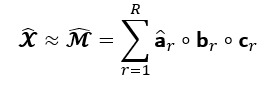 Figure 33
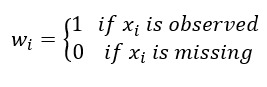 Figure 34
 Figure 35
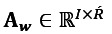 Figure 36
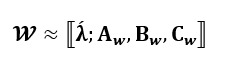 Figure 37
 Figure 38
 Figure 39
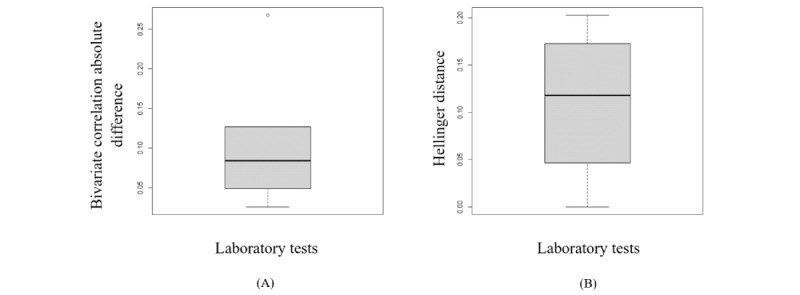 Figure 4
 Figure 40
 Figure 41
 Figure 42
 Figure 43
 Figure 44
 Figure 45
 Figure 46
 Figure 47
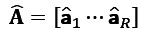 Figure 48
 Figure 49
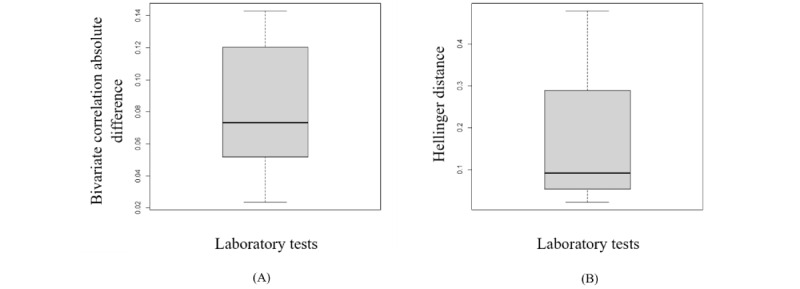 Figure 5
 Figure 50
 Figure 51
 Figure 52
 Figure 53
 Figure 54
 Figure 55
Peer Reviews
No public reviews on file for this paper yet. If you reviewed it on a platform where reviews are public (OpenReview, ICLR, NeurIPS, ICML), you can paste yours below so the community can read it here.
Videos
No videos yet. Explain this paper in a talk, walkthrough, or lecture? Add one.
Taxonomy
TopicsTensor decomposition and applications · Mental Health Research Topics · Mental Health via Writing