The epidemiology and clinical features of the neglected myiasis: A pilot surveillance study from Oman
Zayid K. Almayahi, Mahfoudha Al Hattali, Zalkha Al Kharusi, Dalal Al Shaqsi, Khairy Anis

TL;DR
This study from Oman finds that myiasis, a neglected disease, is common in certain areas and age groups, likely due to animal-related activities, and highlights the need for better prevention and treatment.
Contribution
The study provides the first detailed epidemiological and clinical profile of myiasis in South Batinah Governorate, Oman.
Findings
Myiasis exposure rates were highest in Nakhal and Wadi Mawel, with 16 cases per 10,000 people.
Most patients had nasal or oral myiasis, and re-exposure was common, especially among specific age groups.
Animal ownership and seasonal patterns suggest a link between animal-related activities and myiasis occurrence.
Abstract
Background: Myiasis is a neglected disease, characterized by ill-defined diagnostics and management protocols. Published epidemiological and clinical studies of myiasis are still scarce, although several countries, such as Oman, have reported a few cases over the past 30 years. This study explores the epidemiological profile and clinical characteristics of myiasis in South Batinah Governorate (SBG), Oman. Methodology: A prospective surveillance study was conducted in SBG from 1st November 2018 to 31st October 2019. Clinical and epidemiological data were collected using a pre-designed reporting form for suspected and confirmed cases. Results: A total of 188 cases were reported, of which 81.4% were male. One-third of cases were 11–20 years old, and a quarter reported exposure inside house. The rate of exposure was 16 per 10000 in Nakhal and Wadi Mawel. About 57% patients reported…
Genes, proteins, chemicals, diseases, species, mutations and cell lines named across the full text — each resolved to its canonical identifier and authoritative record.
Click any figure to enlarge with its caption.
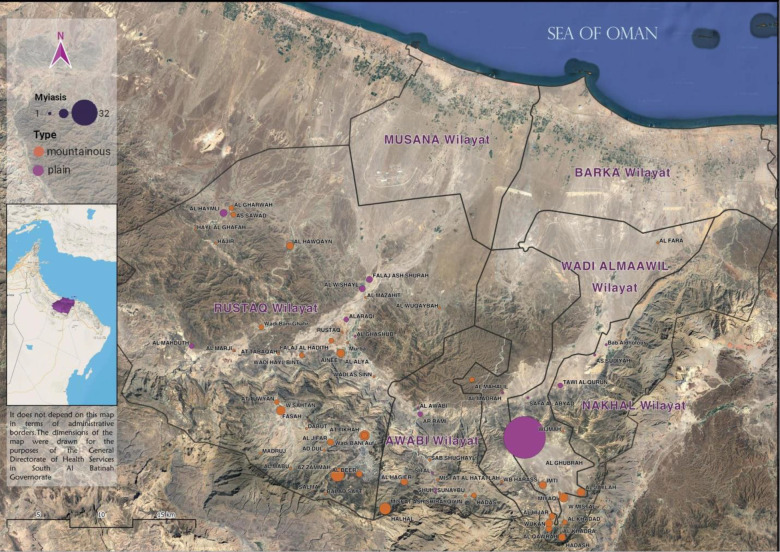 Figure 1
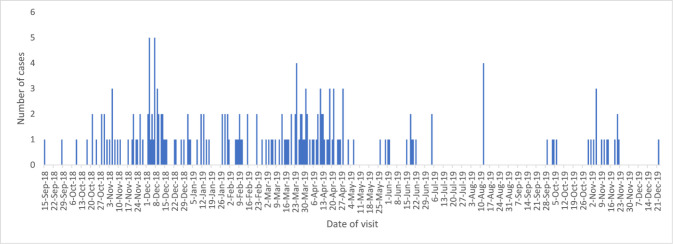 Figure 2
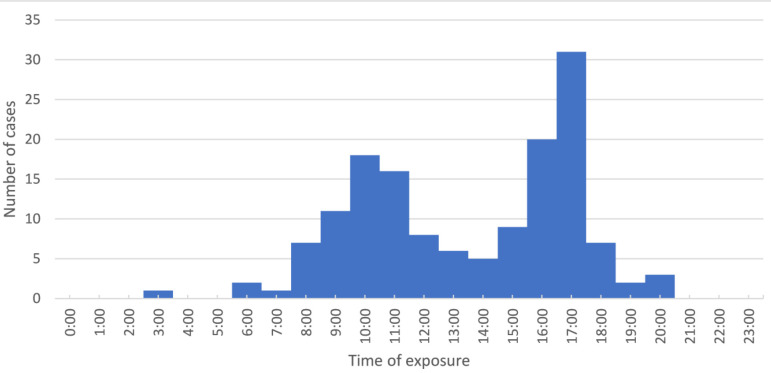 Figure 3
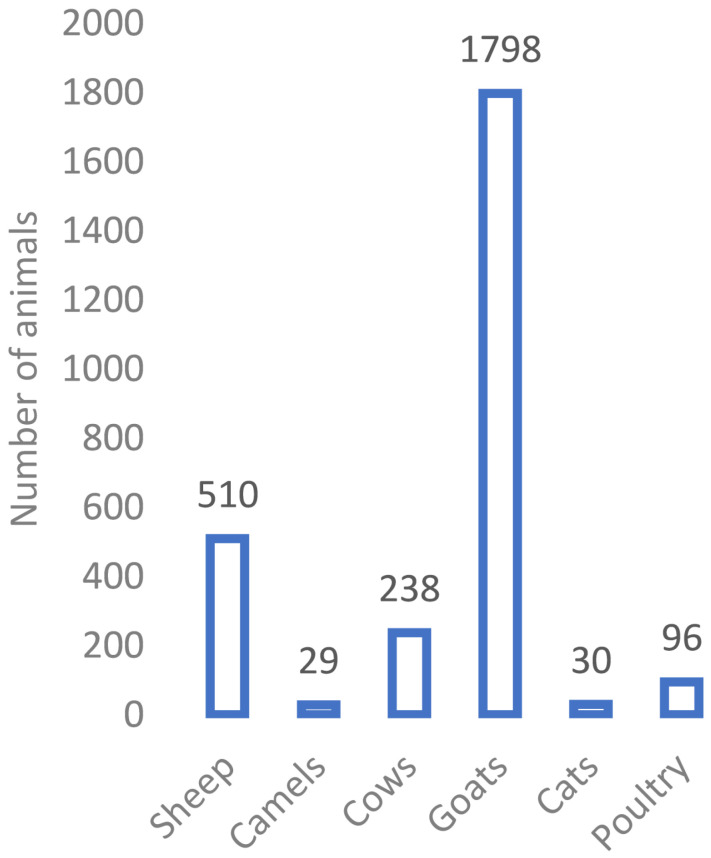 Figure 4
Peer Reviews
No public reviews on file for this paper yet. If you reviewed it on a platform where reviews are public (OpenReview, ICLR, NeurIPS, ICML), you can paste yours below so the community can read it here.
Videos
No videos yet. Explain this paper in a talk, walkthrough, or lecture? Add one.
Taxonomy
TopicsService-Learning and Community Engagement · Diverse Educational Innovations Studies · Education and Critical Thinking Development