Modification of velopharyngeal closure pressures during phonation by neuromuscular electrical stimulation in healthy individuals
Simone Miller, Katharina Peters, Martin Ptok, Michael Jungheim

TL;DR
This study shows that neuromuscular electrical stimulation during speech increases velopharyngeal closure pressures in healthy individuals, potentially helping those with speech disorders.
Contribution
The study demonstrates that combining neuromuscular electrical stimulation with phonation increases closure pressures in healthy individuals.
Findings
NMES combined with articulation increased maximum pressure values by about 200% in healthy individuals.
Statistical significance was found for maximum pressure values when comparing articulation with and without NMES.
NMES alone also induced velum reactions with measurable pressure changes.
Abstract
Rhinophonia aperta may result from velopharyngeal insufficiency. Neuromuscular electrical stimulation (NMES) has been discussed in the context of muscle strengthening. The aim of this study was to evaluate in healthy subjects whether NMES can change the velopharyngeal closure pattern during phonation and increase muscle strength. Eleven healthy adult volunteers (21–57 years) were included. Pressure profiles were measured by high resolution manometry (HRM): isolated sustained articulation of /a/ over 5 s (protocol 1), isolated NMES applied to soft palate above motor threshold (protocol 2) and combined articulation with NMES (protocol 3). Mean activation pressures (MeanAct), maximum pressures (Max), Area under curve (AUC) and type of velum reactions were compared. A statistical comparison of mean values of protocol 1 versus protocol 3 was carried out using the Wilcoxon signed rank test.…
Genes, proteins, chemicals, diseases, species, mutations and cell lines named across the full text — each resolved to its canonical identifier and authoritative record.
Click any figure to enlarge with its caption.
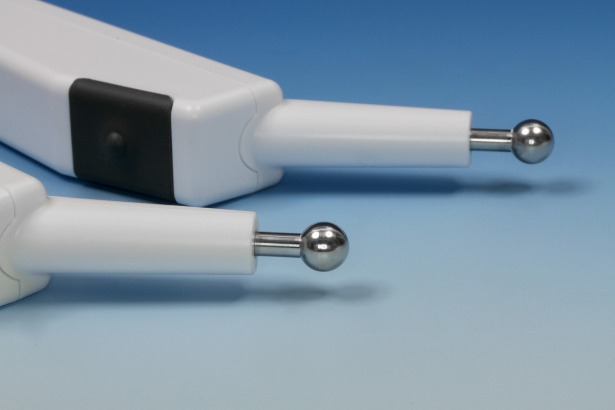 Figure 1
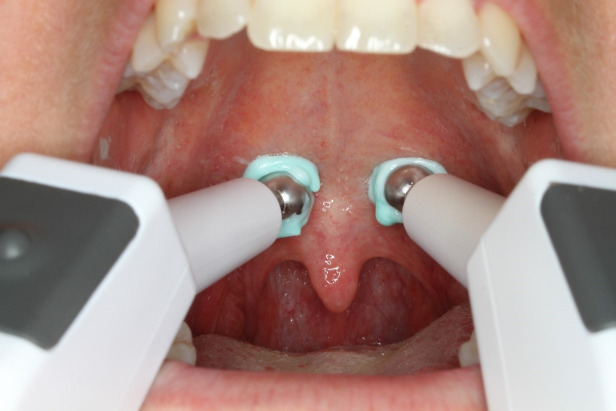 Figure 2
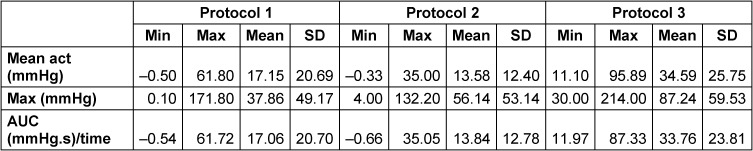 Figure 3
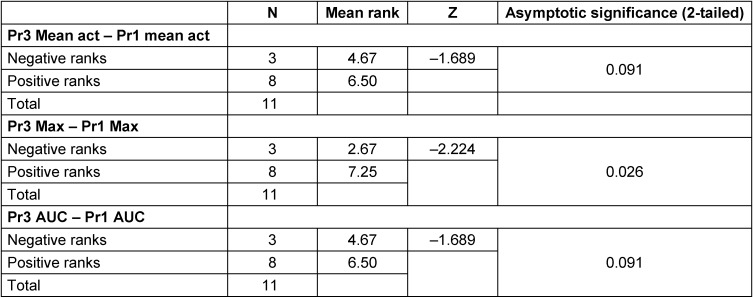 Figure 4
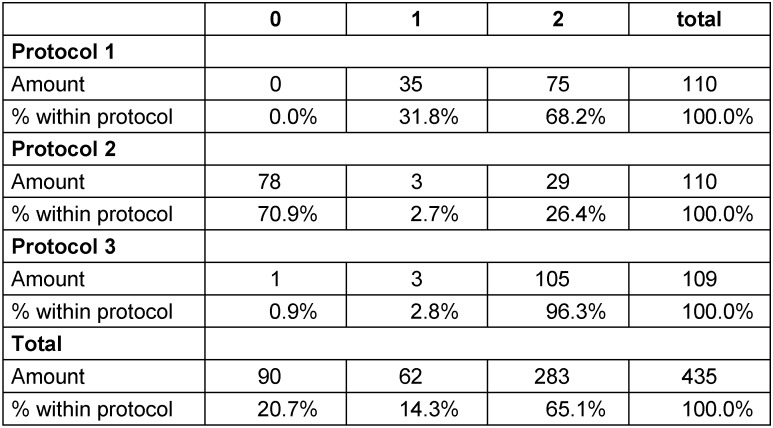 Figure 5
Peer Reviews
No public reviews on file for this paper yet. If you reviewed it on a platform where reviews are public (OpenReview, ICLR, NeurIPS, ICML), you can paste yours below so the community can read it here.
Videos
No videos yet. Explain this paper in a talk, walkthrough, or lecture? Add one.
Taxonomy
TopicsCleft Lip and Palate Research