Surprising Radiolytic Stability of 8-Thiomethyladenine in an Aqueous Solution
Magdalena Datta, Adrian Szczyrba, Magdalena Zdrowowicz, Dariusz Wyrzykowski, Olga Ciupak, Sebastian Demkowicz, Farhad Izadi, Stephan Denifl, Janusz Rak

TL;DR
A modified nucleobase called 8-thiomethyladenine remains stable in water when exposed to high X-ray doses, but degrades in acetonitrile, suggesting proton transfer in water stabilizes it.
Contribution
The study reveals proton transfer in water as a key factor in stabilizing radical anions of modified nucleobases, impacting radiosensitization.
Findings
ASCH3 remains radiolytically stable in aqueous solution up to 300 Gy X-ray exposure.
Electron-induced degradation of ASCH3 occurs in aprotic acetonitrile, indicating proton transfer stabilizes its radical anion in water.
The dissociation of the S-CH3 bond is the main reaction channel in the radical anion of ASCH3.
Abstract
8-Thiomethyladenine (ASCH3), a potentially radiosensitizing modified nucleobase, has been synthesized in a reaction between 8-thioadenine and methyl iodide. Despite favorable dissociative electron attachment (DEA) characteristics, the radiolysis of an aqueous solution of ASCH3 with a dose of X-ray amounting to as much as 300 Gy leads to no effects. Nevertheless, crossed electron-molecule beam experiments in the gas phase on ASCH3 confirm the theoretical findings regarding the stability of its radical anion, namely, the most abundant reaction channel is related to the dissociation of the S-CH3 bond in the respective anion. Furthermore, electron-induced degradation of ASCH3 has been observed in aprotic acetonitrile, which is strong evidence for the involvement of proton transfer (PT) in stabilizing the radical anion in an aqueous solution. These findings demonstrate that PT in water can…
Genes, proteins, chemicals, diseases, species, mutations and cell lines named across the full text — each resolved to its canonical identifier and authoritative record.
Click any figure to enlarge with its caption.
 Figure 1
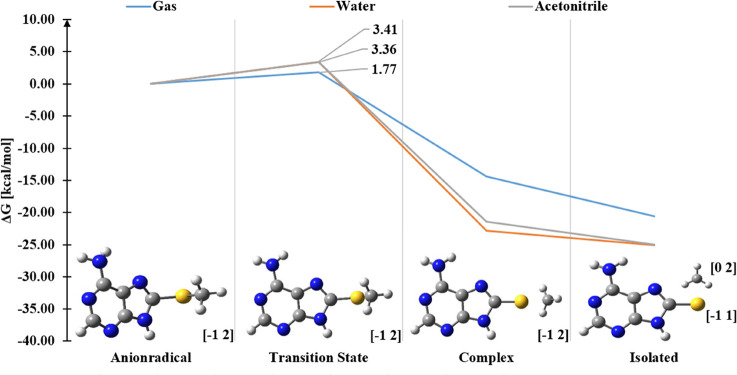 Figure 2
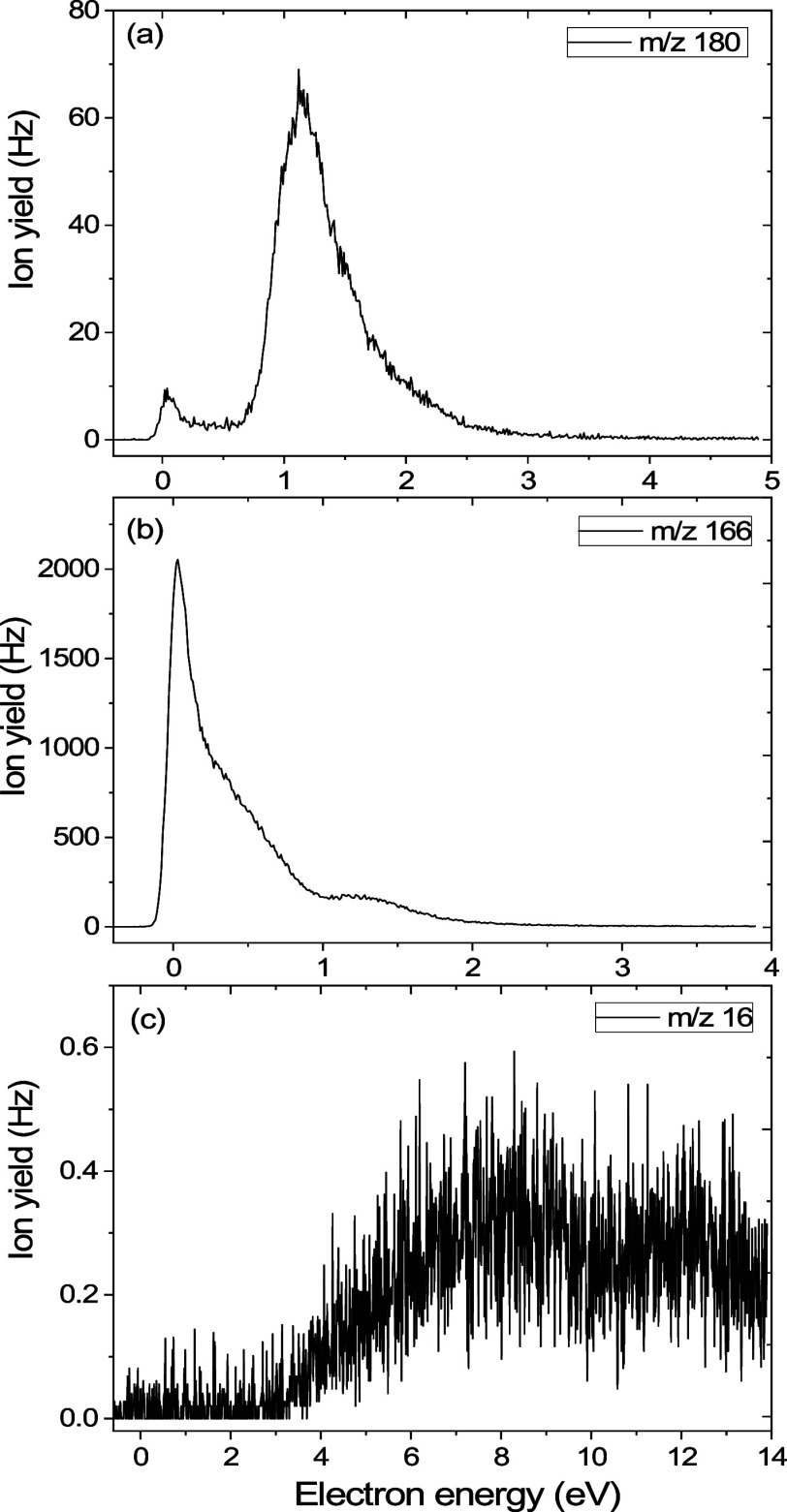 Figure 3
 Figure 4
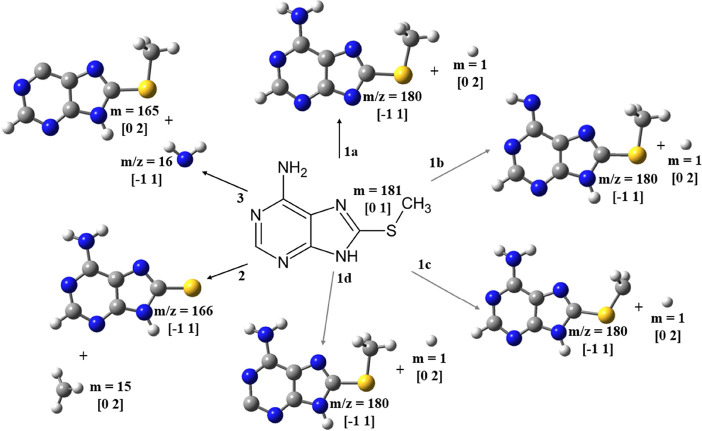 Figure 5
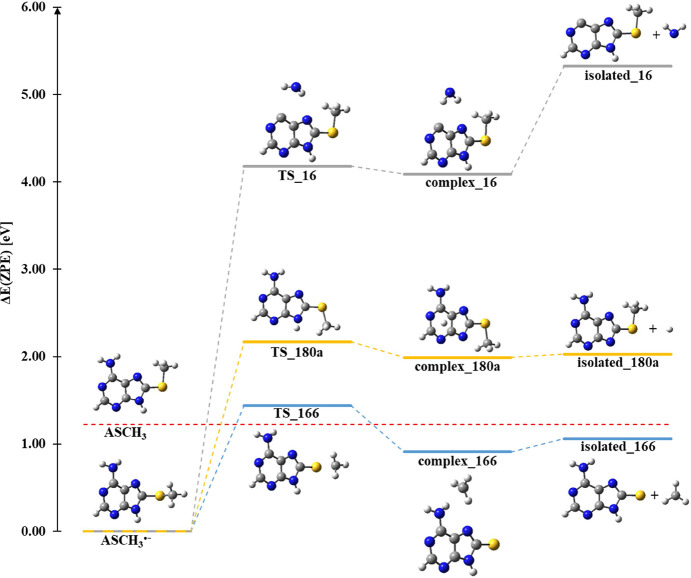 Figure 6
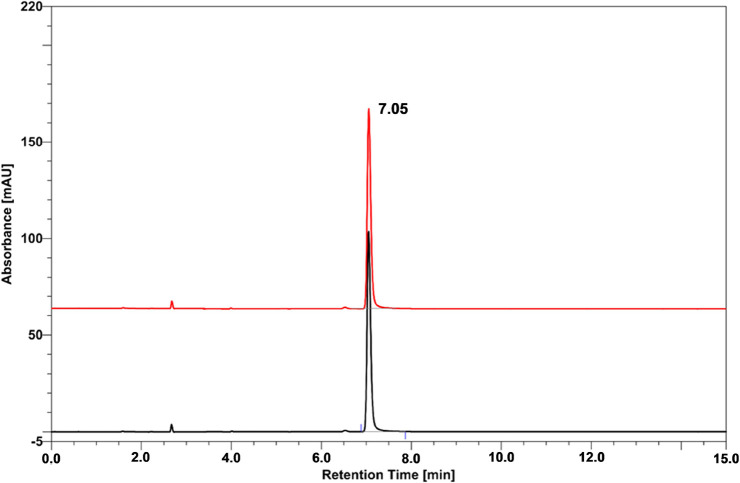 Figure 7
 Figure 8
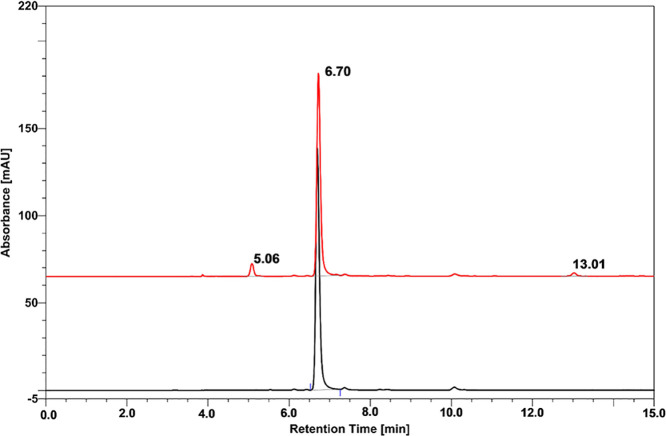 Figure 9
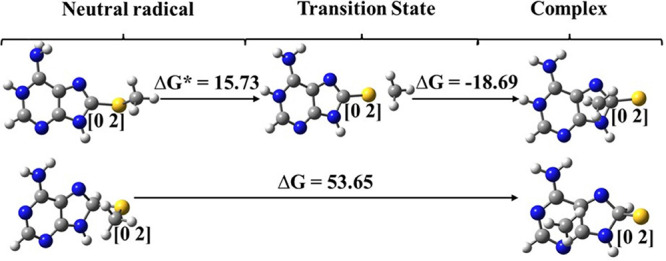 Figure 10
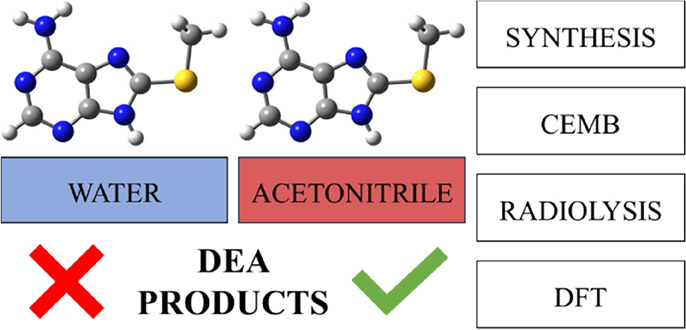 Figure 11
 Figure 12
 Figure 13
 Figure 14
Peer Reviews
No public reviews on file for this paper yet. If you reviewed it on a platform where reviews are public (OpenReview, ICLR, NeurIPS, ICML), you can paste yours below so the community can read it here.
Videos
No videos yet. Explain this paper in a talk, walkthrough, or lecture? Add one.
Taxonomy
TopicsAmmonia Synthesis and Nitrogen Reduction · DNA and Nucleic Acid Chemistry · CO2 Reduction Techniques and Catalysts