Longitudinal cytokine and multi-modal health data of an extremely severe ME/CFS patient with HSD reveals insights into immunopathology, and disease severity
Fereshteh Jahanbani, Justin Cyril Sing, Rajan Douglas Maynard, Shaghayegh Jahanbani, Janet Dafoe, Whitney Dafoe, Nathan Jones, Kelvin J. Wallace, Azuravesta Rastan, Holden T. Maecker, Hannes L. Röst, Michael P. Snyder, Ronald W. Davis

TL;DR
This study explores the immune system changes in a severe ME/CFS patient with HSD, revealing Th2 cytokine dysregulation and suggesting new treatment and diagnostic approaches.
Contribution
The integration of longitudinal cytokine data with multi-modal health data and AI techniques provides new insights into ME/CFS immunopathology and potential treatment strategies.
Findings
Th2-type cytokines and mast cell-eosinophil synergy are linked to ME/CFS severity and cognitive impairment.
BCL6 and TP53 pathways may play roles in ME/CFS etiology.
Low-dose drugs with partial agonist activity are suggested as potential treatments.
Abstract
Myalgic Encephalomyelitis/Chronic Fatigue Syndrome (ME/CFS) presents substantial challenges in patient care due to its intricate multisystem nature, comorbidities, and global prevalence. The heterogeneity among patient populations, coupled with the absence of FDA-approved diagnostics and therapeutics, further complicates research into disease etiology and patient managment. Integrating longitudinal multi-omics data with clinical, health,textual, pharmaceutical, and nutraceutical data offers a promising avenue to address these complexities, aiding in the identification of underlying causes and providing insights into effective therapeutics and diagnostic strategies. This study focused on an exceptionally severe ME/CFS patient with hypermobility spectrum disorder (HSD) during a period of marginal symptom improvements. Longitudinal cytokine profiling was conducted alongside the collection…
Genes, proteins, chemicals, diseases, species, mutations and cell lines named across the full text — each resolved to its canonical identifier and authoritative record.
Click any figure to enlarge with its caption.
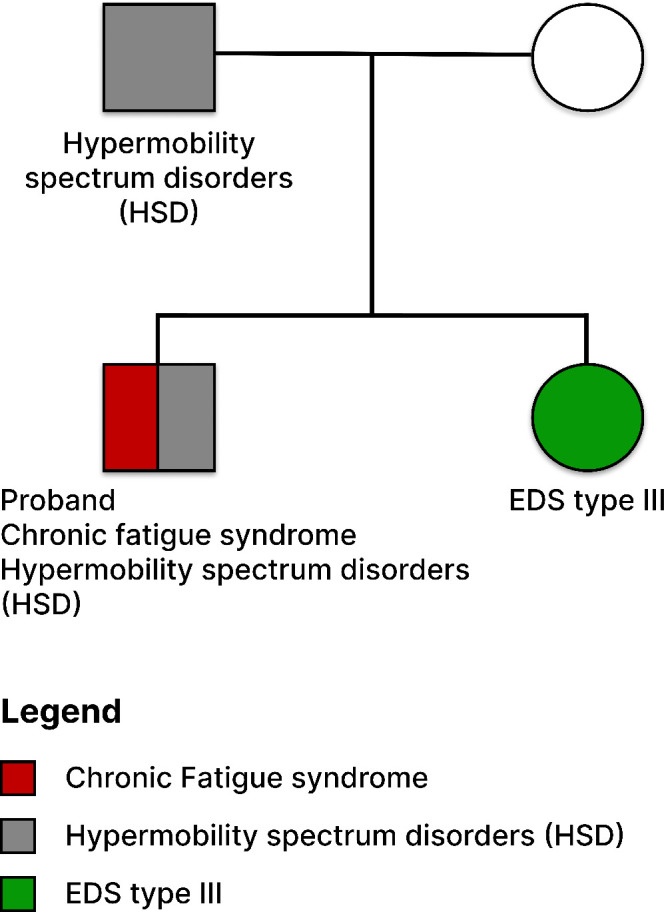 Figure 1
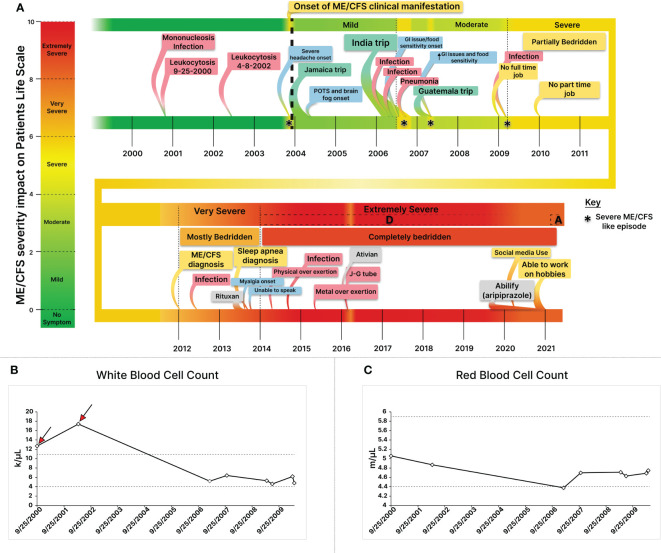 Figure 2
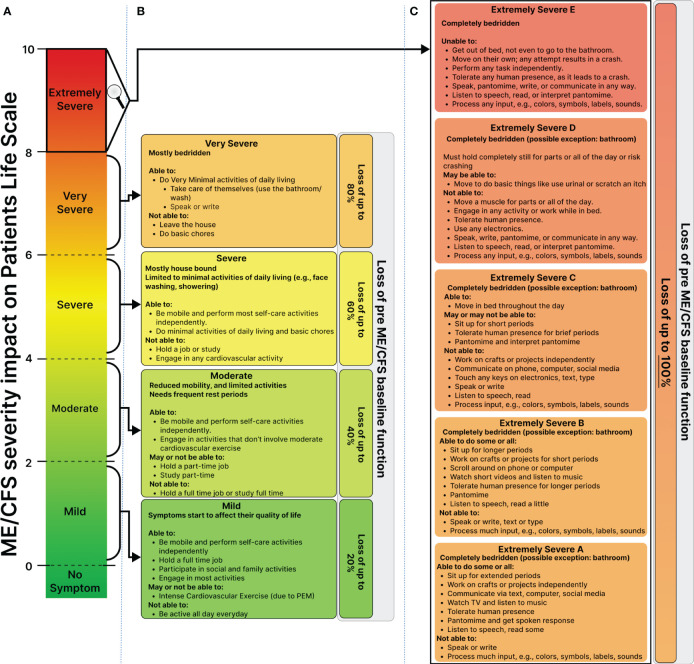 Figure 3
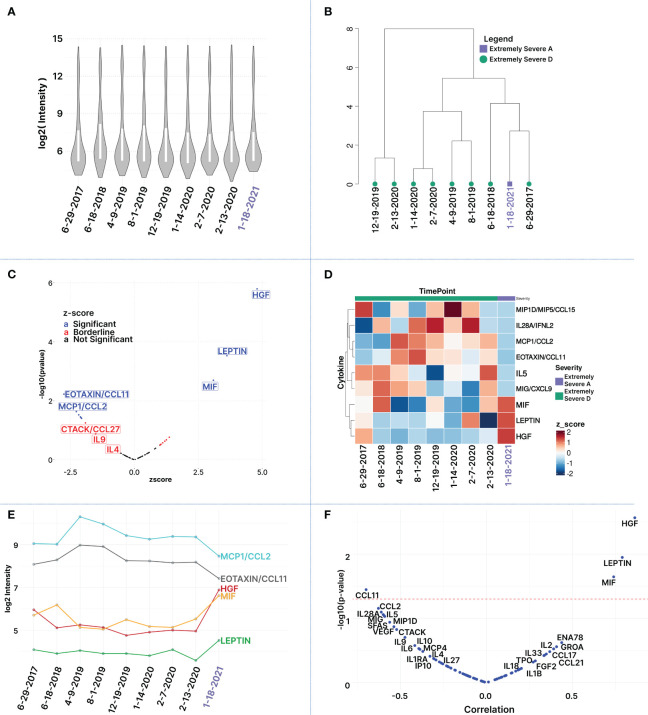 Figure 4
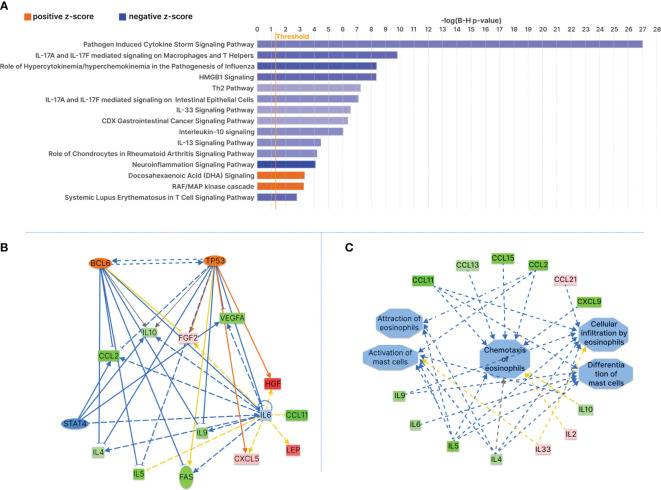 Figure 5
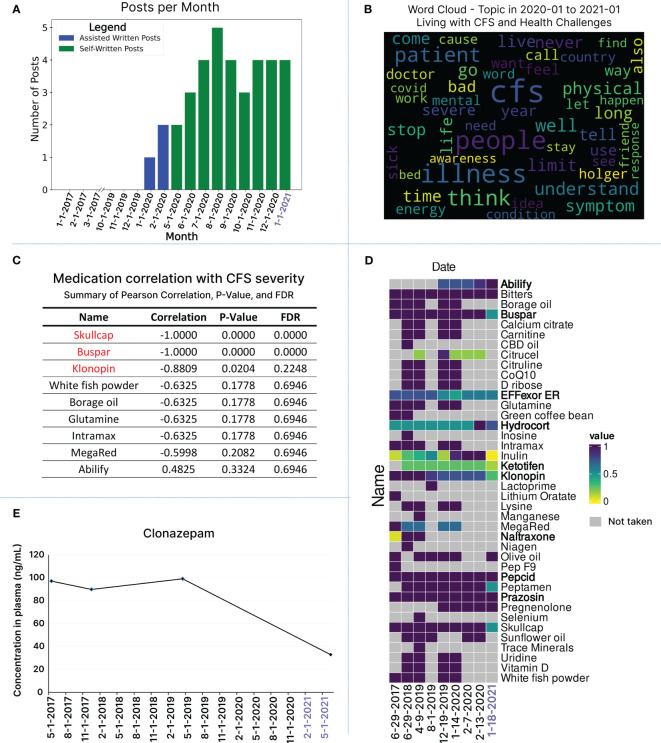 Figure 6
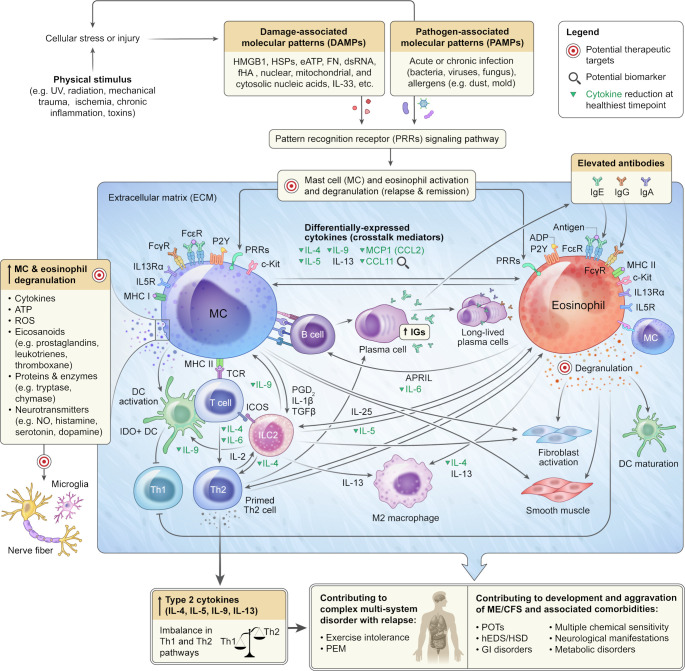 Figure 7
Peer Reviews
No public reviews on file for this paper yet. If you reviewed it on a platform where reviews are public (OpenReview, ICLR, NeurIPS, ICML), you can paste yours below so the community can read it here.
Videos
No videos yet. Explain this paper in a talk, walkthrough, or lecture? Add one.
Taxonomy
TopicsGenetic Associations and Epidemiology · Asthma and respiratory diseases · Rheumatoid Arthritis Research and Therapies