Intraductal magnetic resonance imaging of cholangiocarcinoma - a practical possibility
Richard R. A. Syms, Christopher A. Wadsworth, Evdokia Kardoulaki, Attapol Titapun, Wuttisak Boonphongsathien, Prakasit Sa-Ngiamwibool, Shuo Zhang, Simon D. Taylor-Robinson, Nittaya Chamadol, Watcharin Loilome

TL;DR
This paper explores using a catheter-based MRI technique to better visualize and characterize cholangiocarcinoma tumors within bile ducts.
Contribution
The study introduces intraductal T2 mapping with a catheter receiver as a novel imaging method for cholangiocarcinoma.
Findings
Catheter receivers improve signal-to-noise ratios, enabling higher resolution imaging.
T2 mapping compensates for signal distortion and allows tumor visualization without contrast agents.
In vitro tests on resected liver specimens demonstrated the feasibility of the method.
Abstract
Intraductal T2 mapping based on a catheter receiver is proposed as a method of visualizing the extent of intraductal and periductal cholangiocarcinoma (CCA). Compared to external receivers, internal receivers provide locally enhanced signal-to-noise ratios by virtue of their lower field-of-view for body noise, allowing smaller voxels and higher resolution. However, inherent radial sensitivity variation and segmentation for patient safety both distort image brightness. We discuss simulated T2 weighted images and T2 maps, and in vitro images obtained using a thin film catheter receiver of a freshly resected liver specimen containing a polypoid intraductal tumor from a patient with CCA. T2 mapping provides a simple method of compensating non-uniform signal reception patterns of catheter receivers, allowing the visualization of tumor extent without contrast enhancement and potentially…
Genes, proteins, chemicals, diseases, species, mutations and cell lines named across the full text — each resolved to its canonical identifier and authoritative record.
Click any figure to enlarge with its caption.
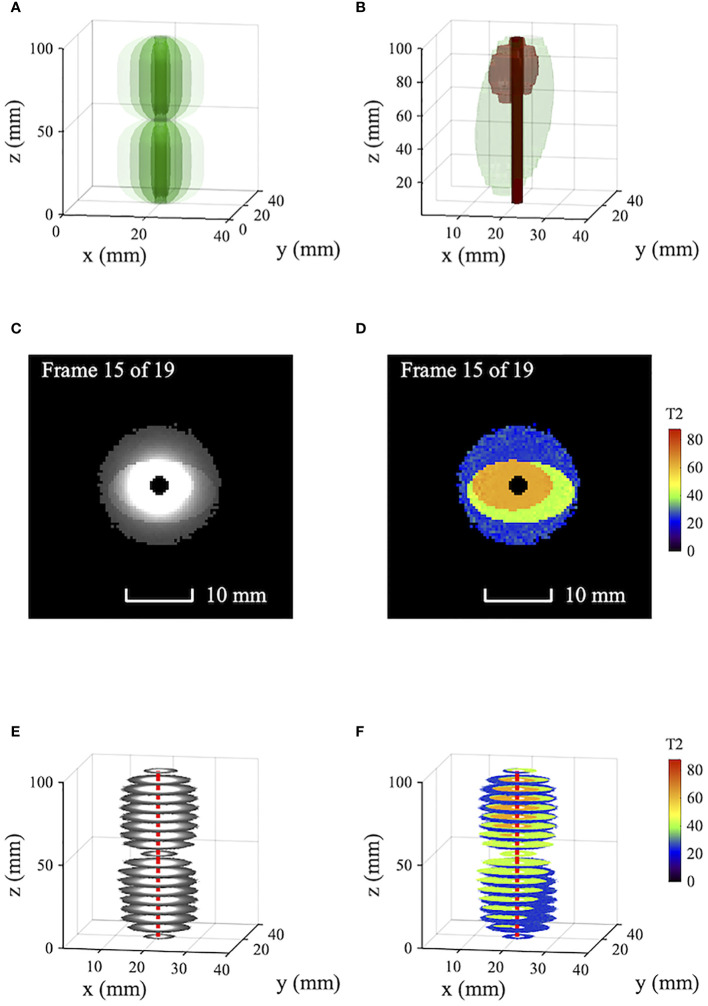 Figure 1
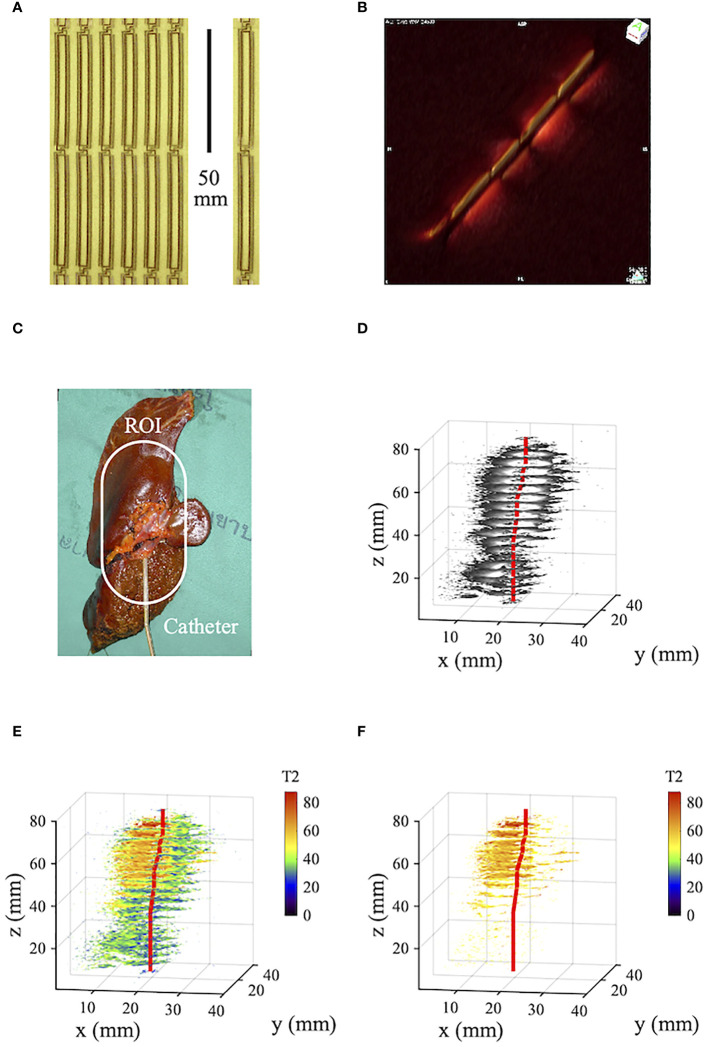 Figure 2
Peer Reviews
No public reviews on file for this paper yet. If you reviewed it on a platform where reviews are public (OpenReview, ICLR, NeurIPS, ICML), you can paste yours below so the community can read it here.
Videos
No videos yet. Explain this paper in a talk, walkthrough, or lecture? Add one.
Taxonomy
TopicsCholangiocarcinoma and Gallbladder Cancer Studies · Pediatric Hepatobiliary Diseases and Treatments · Gallbladder and Bile Duct Disorders