Reliability and validity of new isokinetic strength assessment for rotator cuff muscles in a muscle architecture-based position
Çağlar SOYLU, Mustafa Ertuğrul YAŞA, Pervin DEMİR, Ahmet Mustafa ADA, Tüzün FIRAT, Necmiye ÜN YILDIRIM

TL;DR
This study introduces a new shoulder position for isokinetic strength testing of rotator cuff muscles that improves reliability and force measurement.
Contribution
The novel muscle architecture-based position (MABP) is proposed for more accurate isokinetic strength assessment of rotator cuff muscles.
Findings
The MABP showed excellent test-retest reliability with intraclass correlation coefficients above 0.98.
Measurements in MABP produced higher force values compared to the standard scapular neutral position.
No systematic bias was found between MABP and its retest measurements.
Abstract
Isokinetic strength assessment of the rotator cuff muscle is frequently applied in a variety of shoulder postures, but none of these consider muscular architecture, which is one of the most important aspects of improving strength development. This study aimed to examine the test and retest reliability and validity of the muscle architecture-based position (MABP), which is 25° abduction and 20° external rotation, in healthy subjects to be able to select a better isokinetic assessment position for shoulder rotator cuff muscles. A total of 54 healthy males with a mean age of 21.0 ± 1.2 years and mean body mass index of 22.8 ± 1.7 kg/m2 completed an isokinetic measurement session. All of the tests were performed on an IsoMed 2000 isokinetic dynamometer concentrically and eccentrically for both upper limbs at 60°/s angular velocity. All of the participants completed 3 measurement sessions:…
Genes, proteins, chemicals, diseases, species, mutations and cell lines named across the full text — each resolved to its canonical identifier and authoritative record.
Click any figure to enlarge with its caption.
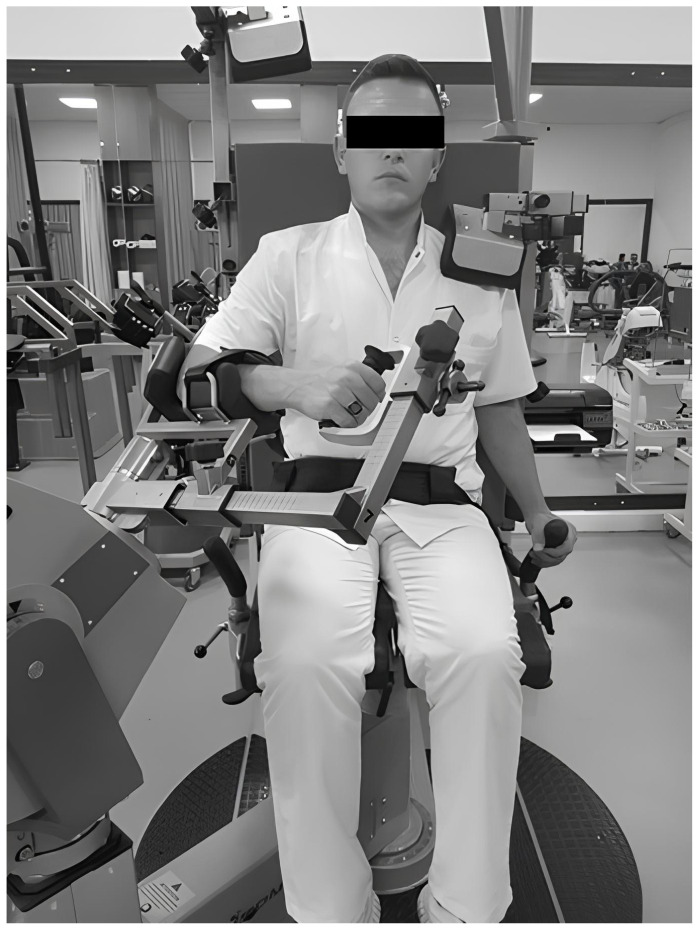 Figure 1
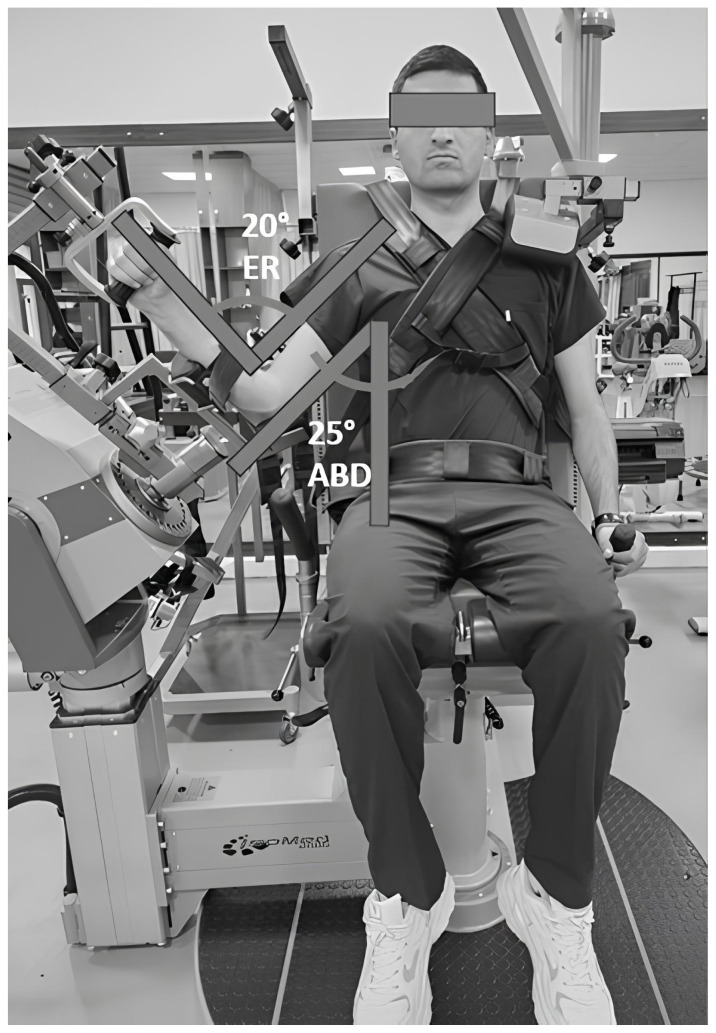 Figure 2
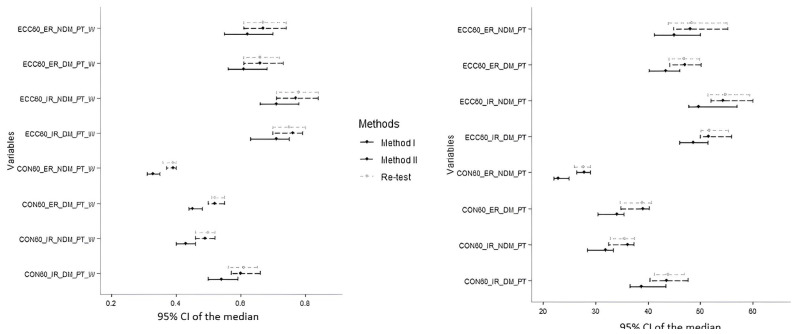 Figure 3
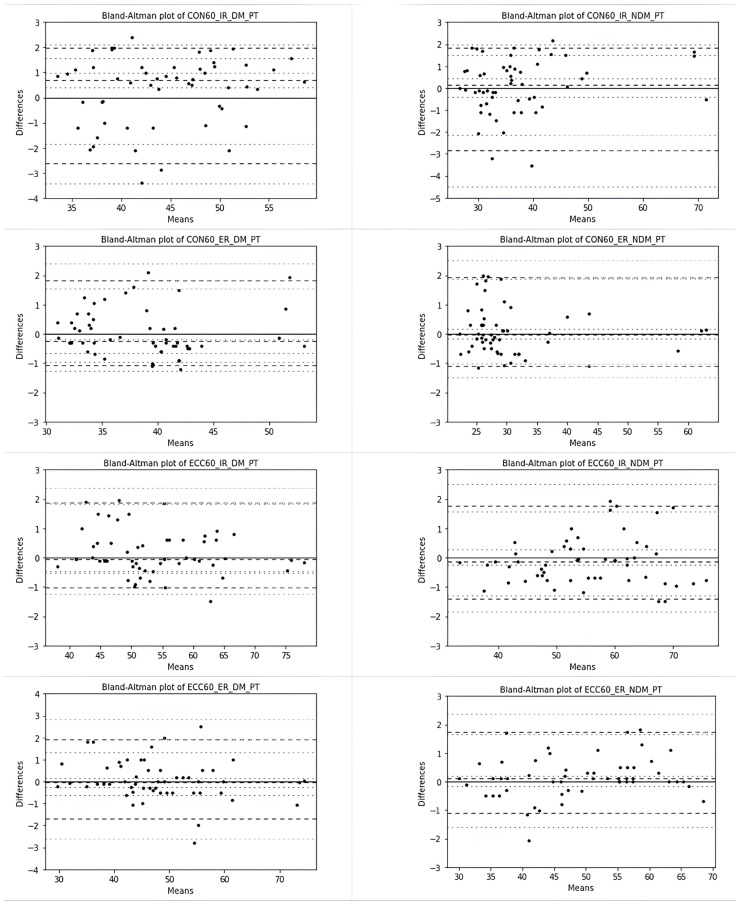 Figure 4
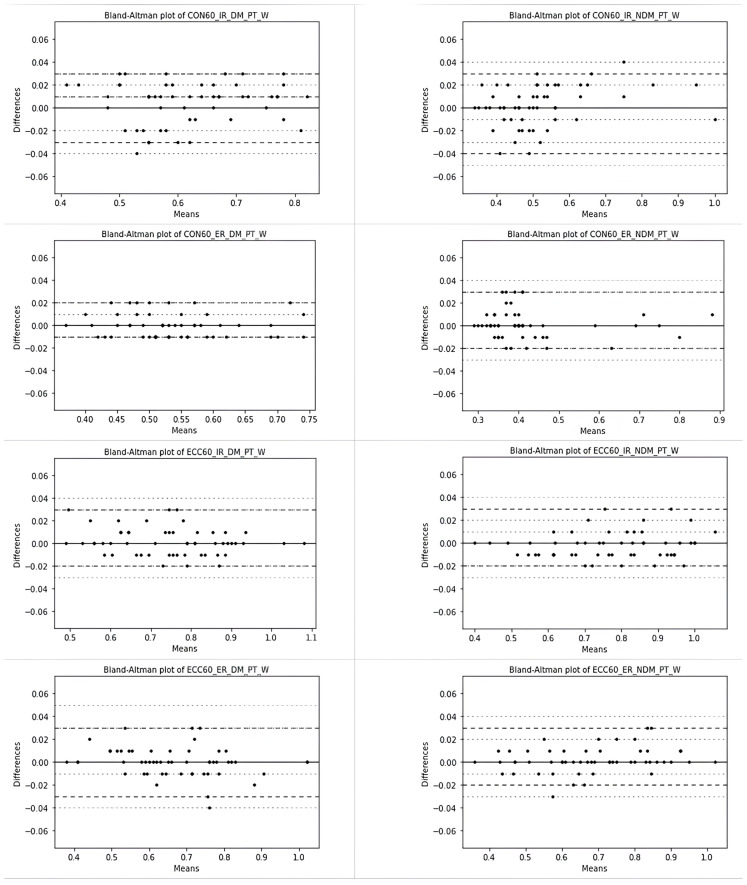 Figure 5
Peer Reviews
No public reviews on file for this paper yet. If you reviewed it on a platform where reviews are public (OpenReview, ICLR, NeurIPS, ICML), you can paste yours below so the community can read it here.
Videos
No videos yet. Explain this paper in a talk, walkthrough, or lecture? Add one.
Taxonomy
TopicsShoulder Injury and Treatment · Medical research and treatments · Sports Performance and Training