Identification of new potent NLRP3 inhibitors by multi-level in-silico approaches
Chandni Hayat, Vetriselvan Subramaniyan, Mubarak A. Alamri, Ling Shing Wong, Asaad Khalid, Ashraf N. Abdalla, Sahib Gul Afridi, Vinoth Kumarasamy, Abdul Wadood

TL;DR
Researchers identified new potential inhibitors for the NLRP3 protein, which is linked to diabetes and inflammatory diseases, using computational methods.
Contribution
A new set of NLRP3 inhibitors was identified using a multi-level in-silico approach including pharmacophore modeling, docking, and molecular dynamics simulations.
Findings
646 compounds were identified as matching the pharmacophore model of NLRP3.
Six compounds were selected as potential hits based on docking scores and interactions.
Molecular dynamics simulations confirmed the stability of the six compounds bound to NLRP3.
Abstract
Nod-like receptor protein 3 (NLRP-3), is an intracellular sensor that is involved in inflammasome activation, and the aberrant expression of NLRP3 is responsible for diabetes mellitus, its complications, and many other inflammatory diseases. NLRP3 is considered a promising drug target for novel drug design. Here, a pharmacophore model was generated from the most potent inhibitor, and its validation was performed by the Gunner-Henry scoring method. The validated pharmacophore was used to screen selected compounds databases. As a result, 646 compounds were mapped on the pharmacophore model. After applying Lipinski's rule of five, 391 hits were obtained. All the hits were docked into the binding pocket of target protein. Based on docking scores and interactions with binding site residues, six compounds were selected potential hits. To check the stability of these compounds, 100 ns…
Genes, proteins, chemicals, diseases, species, mutations and cell lines named across the full text — each resolved to its canonical identifier and authoritative record.
Click any figure to enlarge with its caption.
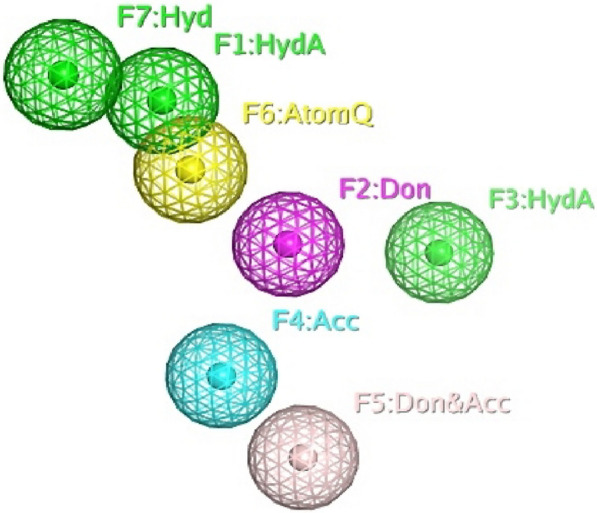 Figure 1
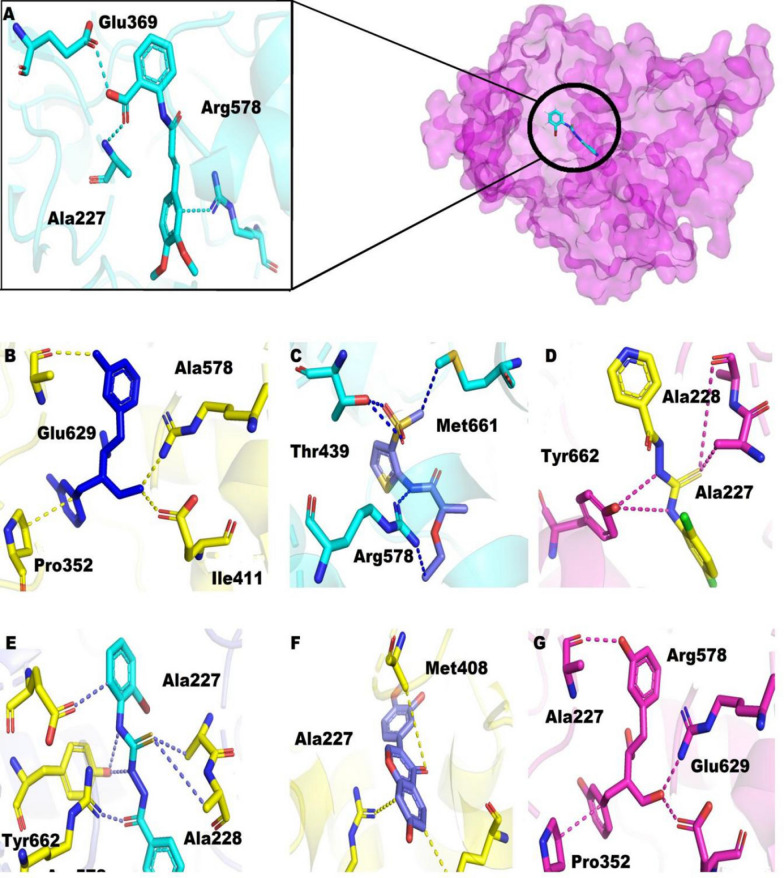 Figure 2
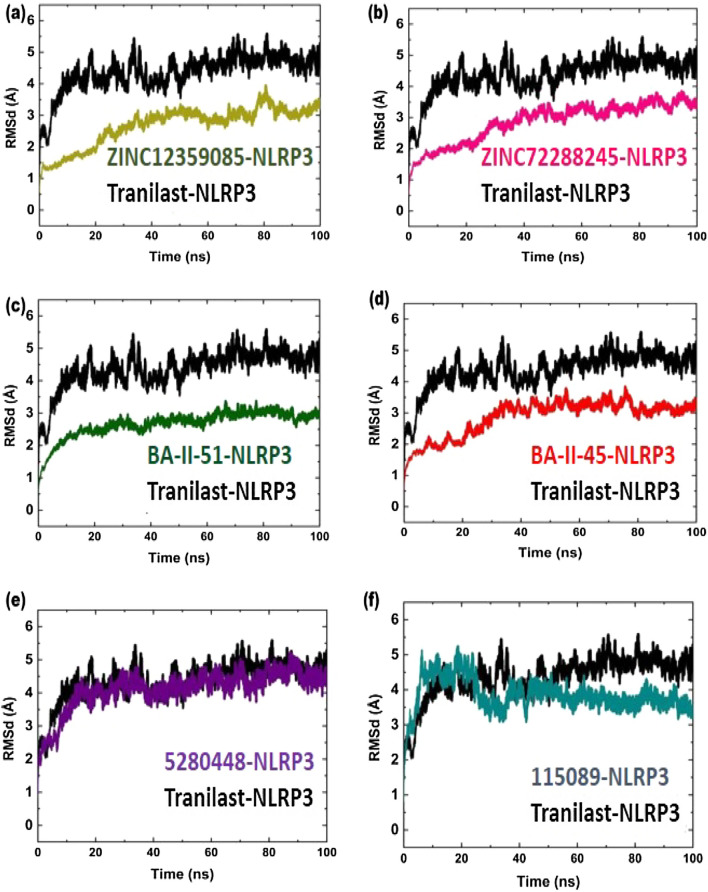 Figure 3
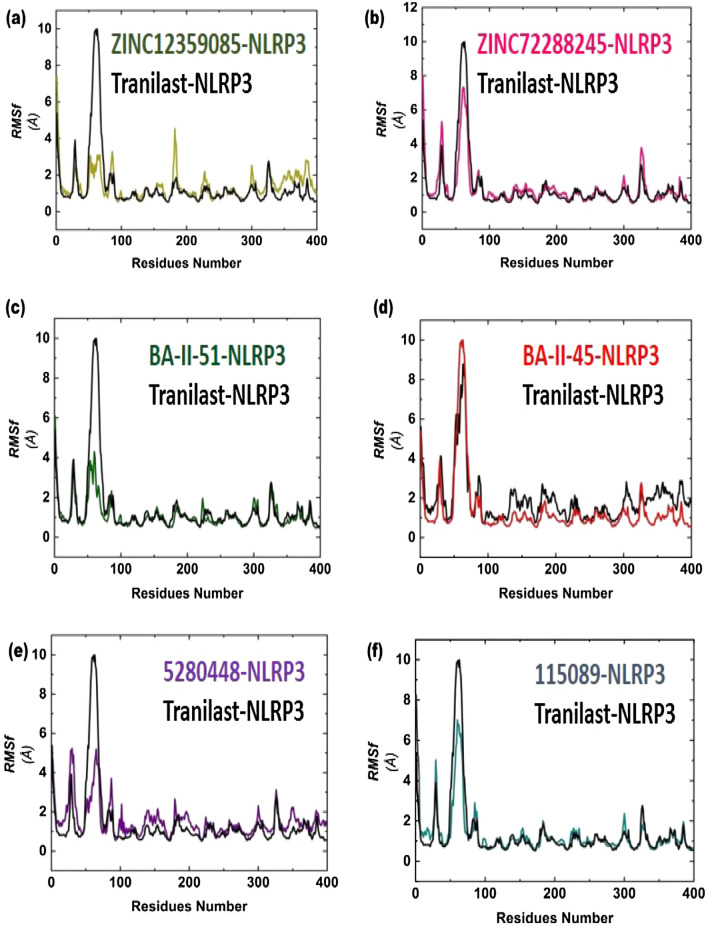 Figure 4
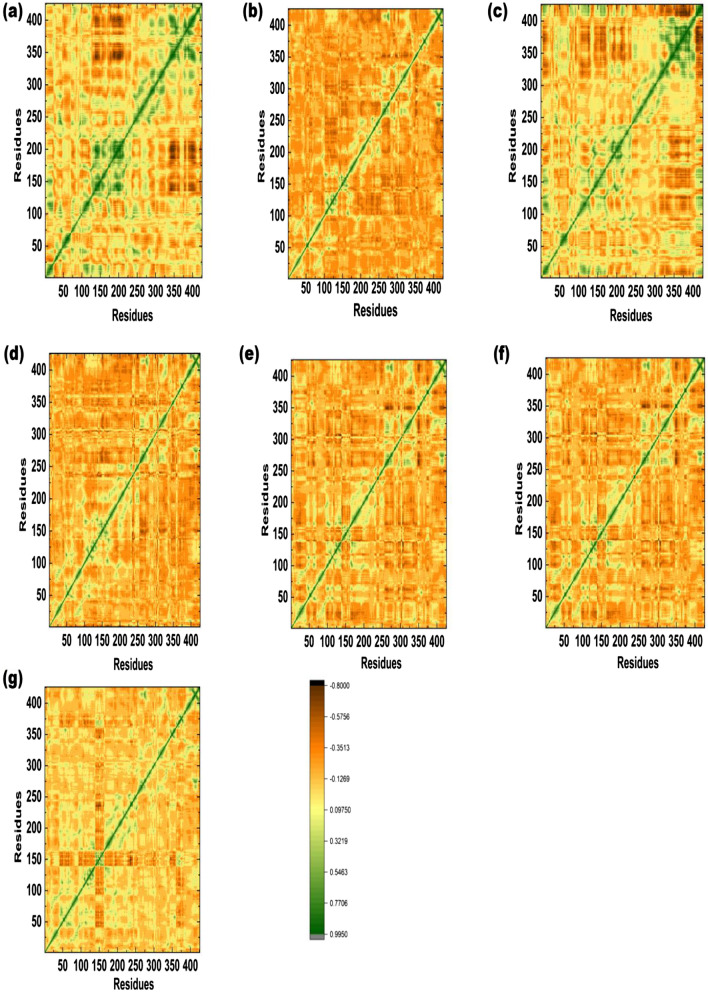 Figure 5
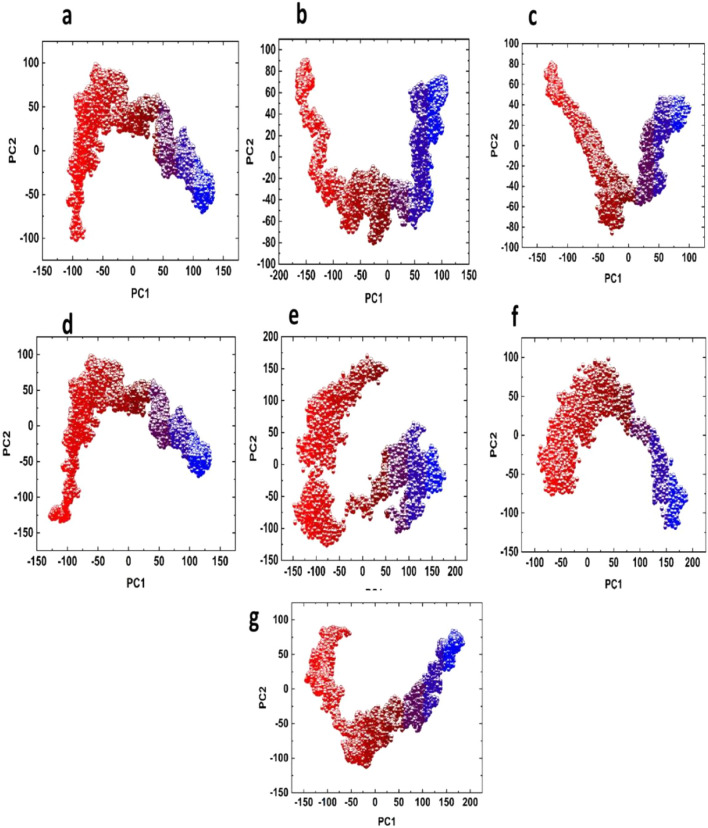 Figure 6
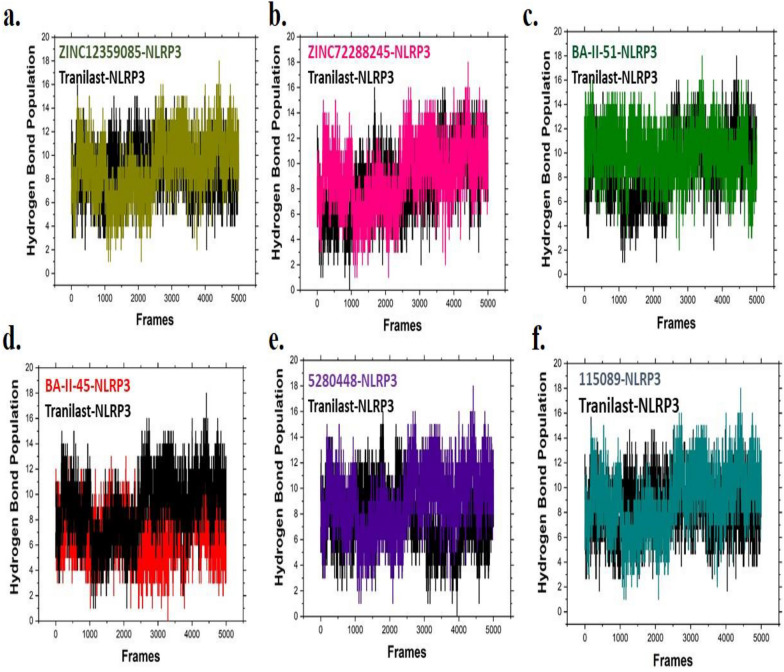 Figure 7
Peer Reviews
No public reviews on file for this paper yet. If you reviewed it on a platform where reviews are public (OpenReview, ICLR, NeurIPS, ICML), you can paste yours below so the community can read it here.
Videos
No videos yet. Explain this paper in a talk, walkthrough, or lecture? Add one.
Taxonomy
TopicsNationalism and Cultural Identity · Basque language and culture studies · Spanish Literature and Culture Studies