Characterization of three lamp genes from largemouth bass (Micropterus salmoides): molecular cloning, expression patterns, and their transcriptional levels in response to fast and refeeding strategy
Yan-Lin Yang, Wan-Hong Zeng, Yong Peng, Shi-Yu Zuo, Yuan-Qi Fu, Yi-Ming Xiao, Wen-Li Huang, Zheng-Yong Wen, Wei Hu, Yu-Ying Yang, Xiao-Feng Huang

TL;DR
This study identifies and characterizes three lamp genes in largemouth bass, revealing their expression patterns and responses to starvation and refeeding.
Contribution
The study provides the first characterization of lamp genes in largemouth bass and their differential expression under nutritional stress.
Findings
LAMP1-3 genes are highly conserved across fish species and ubiquitously expressed in various tissues of largemouth bass.
LAMP1 expression increases during starvation and returns to normal after refeeding in the liver.
LAMP1 and LAMP2 show increased expression in the spleen and kidney during starvation.
Abstract
Lysosomes-associated membrane proteins (LAMPs), a family of glycosylated proteins and major constituents of the lysosomal membranes, play a dominant role in various cellular processes, including phagocytosis, autophagy and immunity in mammals. However, their roles in aquatic species remain poorly known. In the present study, three lamp genes were cloned and characterized from Micropterus salmoides. Subsequently, their transcriptional levels in response to different nutritional status were investigated. The full-length coding sequences of lamp1, lamp2 and lamp3 were 1251bp, 1224bp and 771bp, encoding 416, 407 and 256 amino acids, respectively. Multiple sequence alignment showed that LAMP1-3 were highly conserved among the different fish species, respectively. 3-D structure prediction, genomic survey, and phylogenetic analysis were further confirmed that these genes are widely existed in…
Genes, proteins, chemicals, diseases, species, mutations and cell lines named across the full text — each resolved to its canonical identifier and authoritative record.
Click any figure to enlarge with its caption.
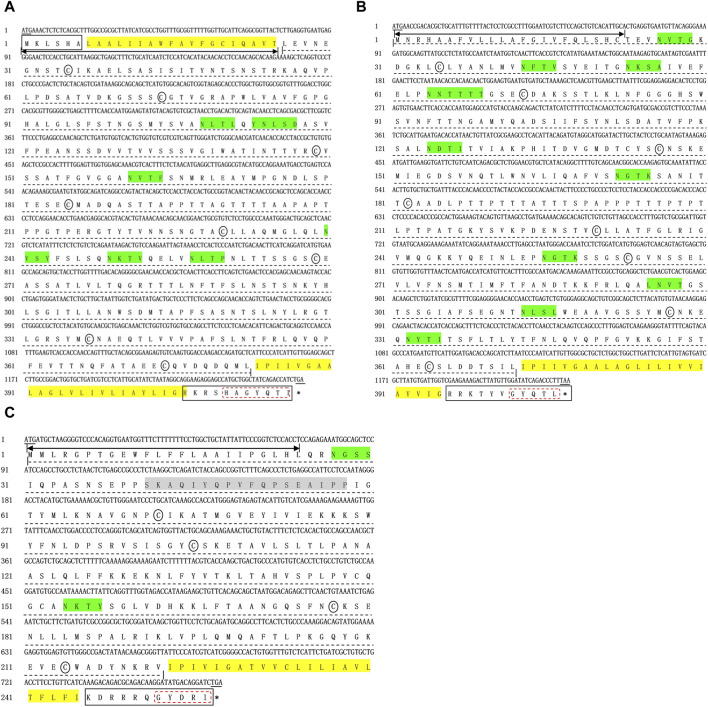 Figure 1
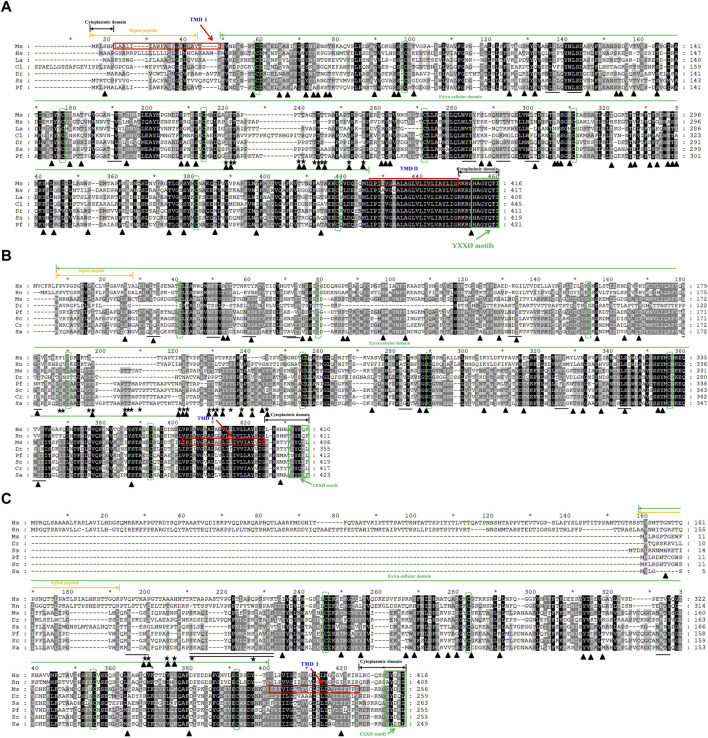 Figure 2
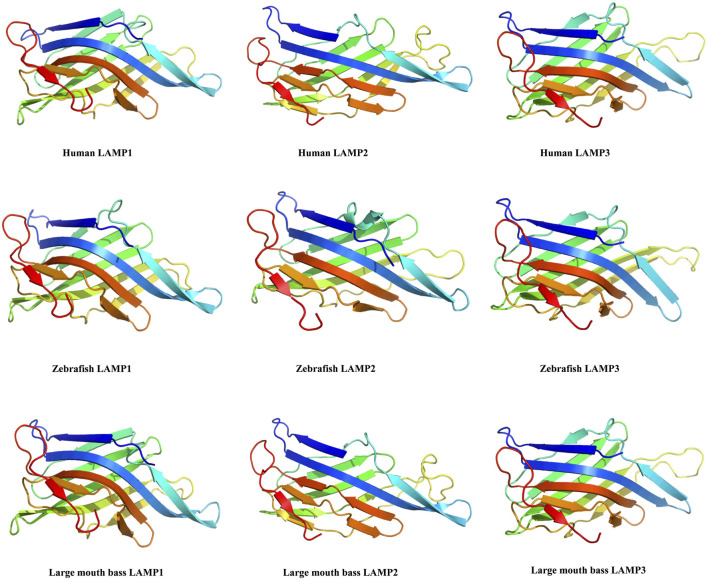 Figure 3
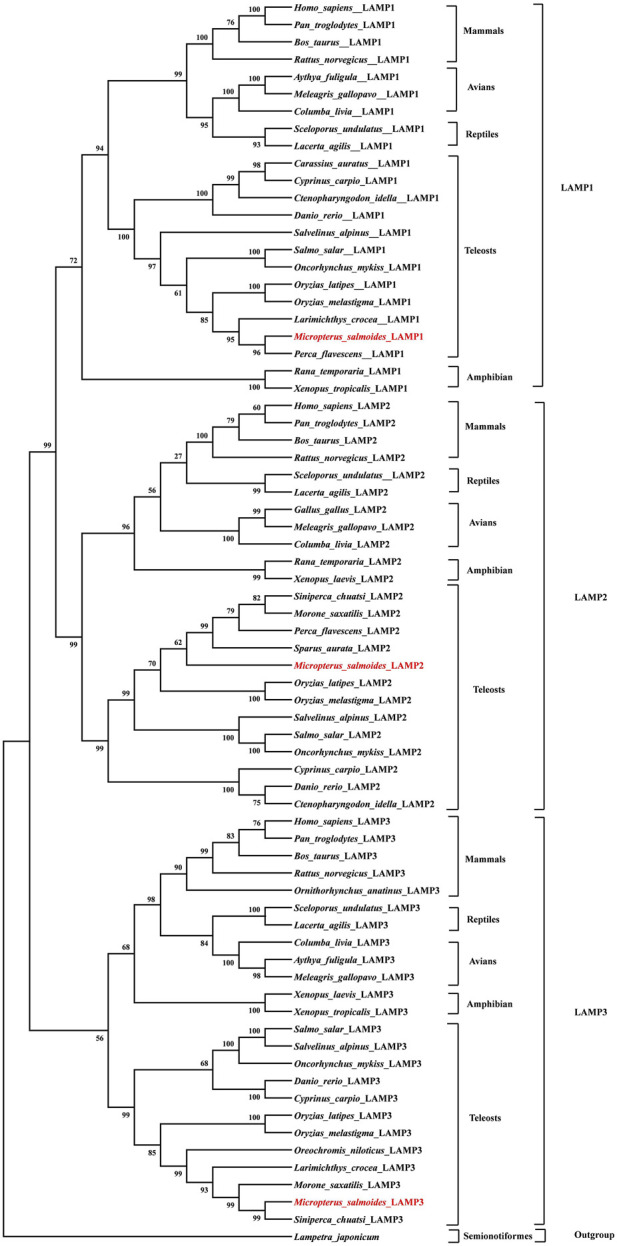 Figure 4
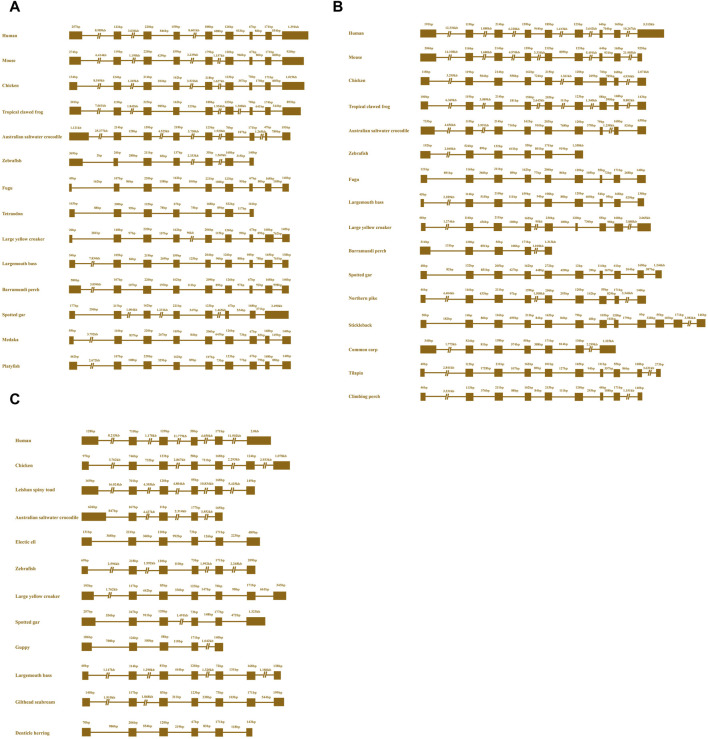 Figure 5
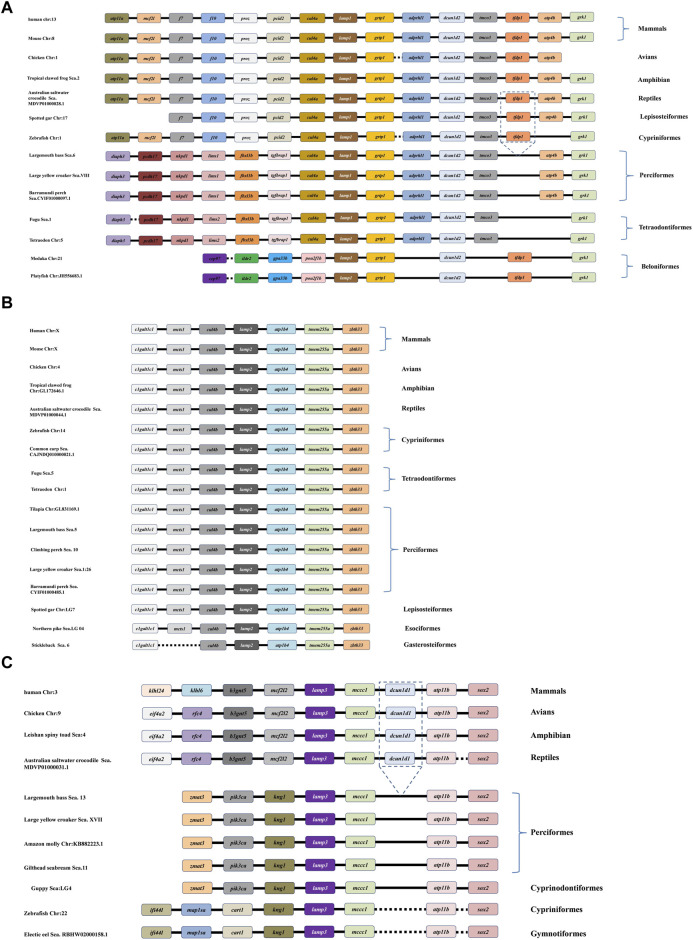 Figure 6
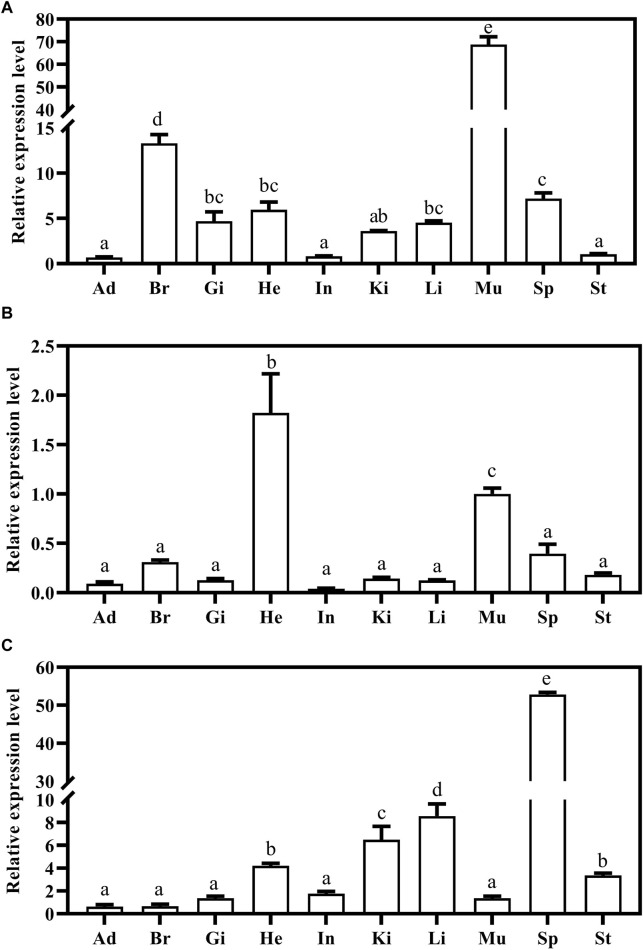 Figure 7
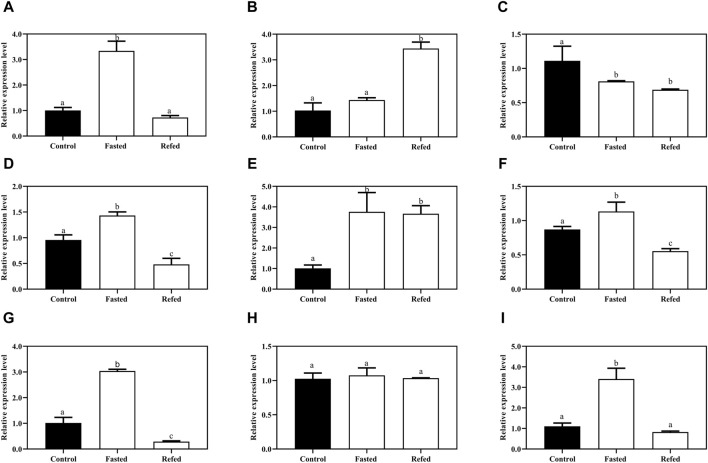 Figure 8
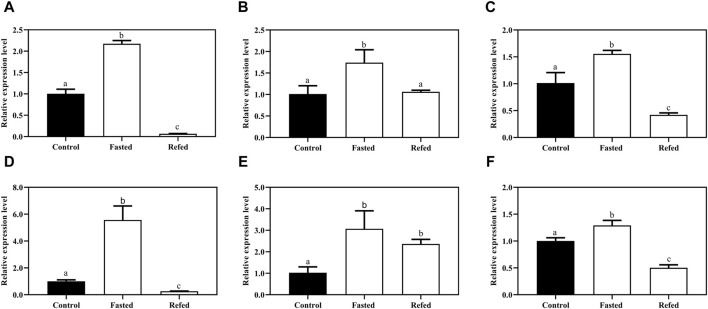 Figure 9
Peer Reviews
No public reviews on file for this paper yet. If you reviewed it on a platform where reviews are public (OpenReview, ICLR, NeurIPS, ICML), you can paste yours below so the community can read it here.
Videos
No videos yet. Explain this paper in a talk, walkthrough, or lecture? Add one.
Taxonomy
TopicsAquaculture Nutrition and Growth · Aquaculture disease management and microbiota · Fish biology, ecology, and behavior