Vaginal microbiota molecular profiling and diagnostic performance of artificial intelligence-assisted multiplex PCR testing in women with bacterial vaginosis: a single-center experience
Sihai Lu, Zhuo Li, Xinyue Chen, Fengshuangze Chen, Hao Yao, Xuena Sun, Yimin Cheng, Liehong Wang, Penggao Dai

TL;DR
This study uses a new PCR test and AI to analyze vaginal microbiota and diagnose bacterial vaginosis more accurately than traditional methods.
Contribution
A novel AI-assisted multiplex PCR test is introduced for diagnosing bacterial vaginosis with high accuracy.
Findings
Lactobacillus crispatus and Lactobacillus jensenii were reduced in BV patients, while other bacteria were increased.
The SVM-based model achieved 96.9% accuracy in predicting BV, outperforming traditional Nugent scoring for intermediate cases.
The mPCR test effectively evaluates vaginal microbiota in BV, intermediate, and healthy women.
Abstract
Bacterial vaginosis (BV) is a most common microbiological syndrome. The use of molecular methods, such as multiplex real-time PCR (mPCR) and next-generation sequencing, has revolutionized our understanding of microbial communities. Here, we aimed to use a novel multiplex PCR test to evaluate the microbial composition and dominant lactobacilli in non-pregnant women with BV, and combined with machine learning algorithms to determine its diagnostic significance. Residual material of 288 samples of vaginal secretions derived from the vagina from healthy women and BV patients that were sent for routine diagnostics was collected and subjected to the mPCR test. Subsequently, Decision tree (DT), random forest (RF), and support vector machine (SVM) hybrid diagnostic models were constructed and validated in a cohort of 99 women that included 74 BV patients and 25 healthy controls, and a separate…
Genes, proteins, chemicals, diseases, species, mutations and cell lines named across the full text — each resolved to its canonical identifier and authoritative record.
Click any figure to enlarge with its caption.
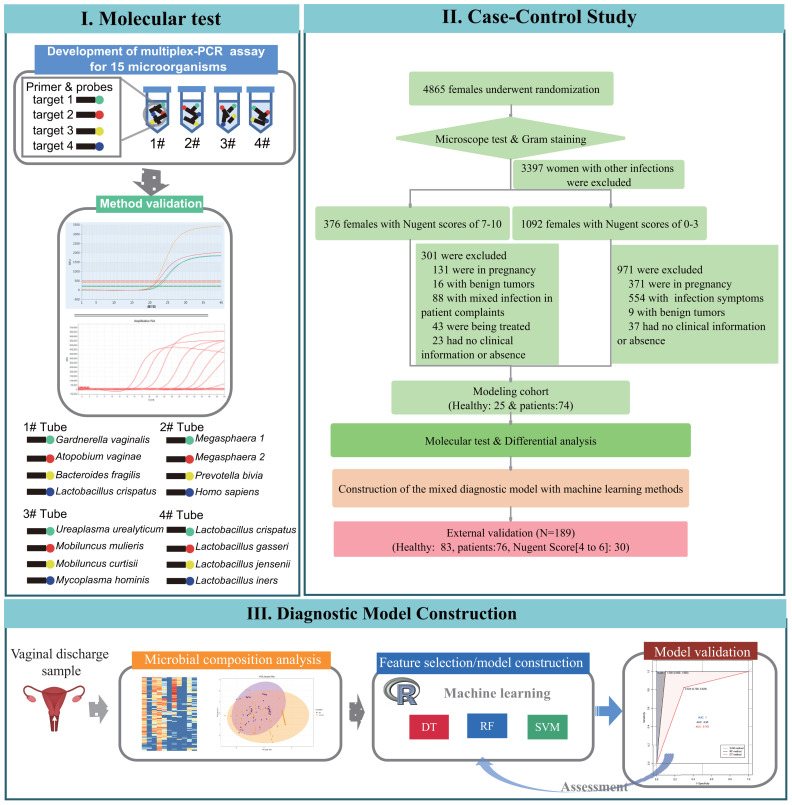 Figure 1
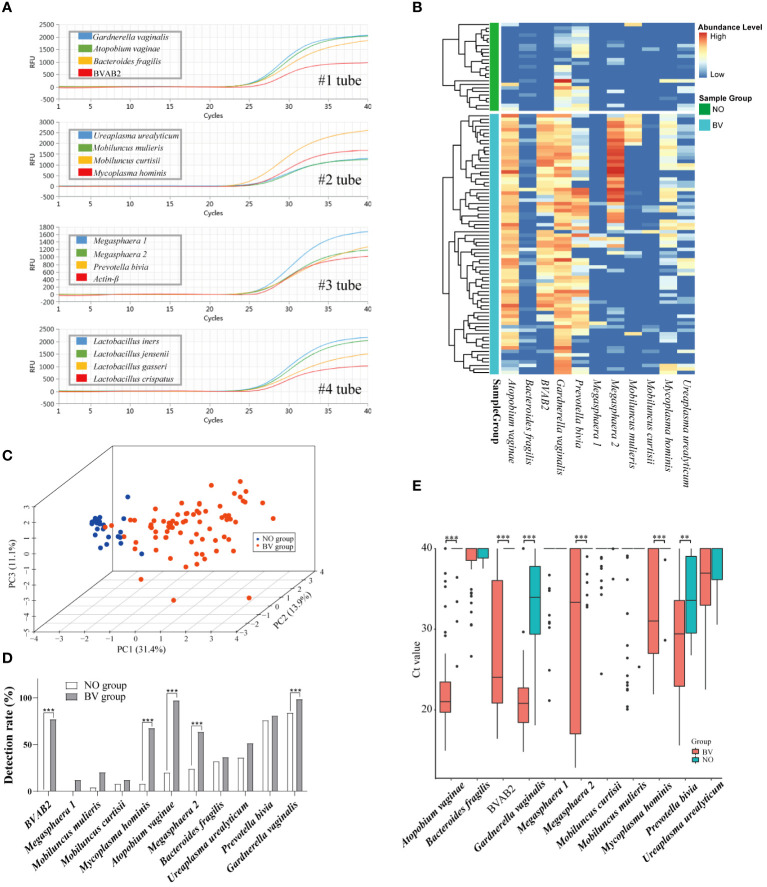 Figure 2
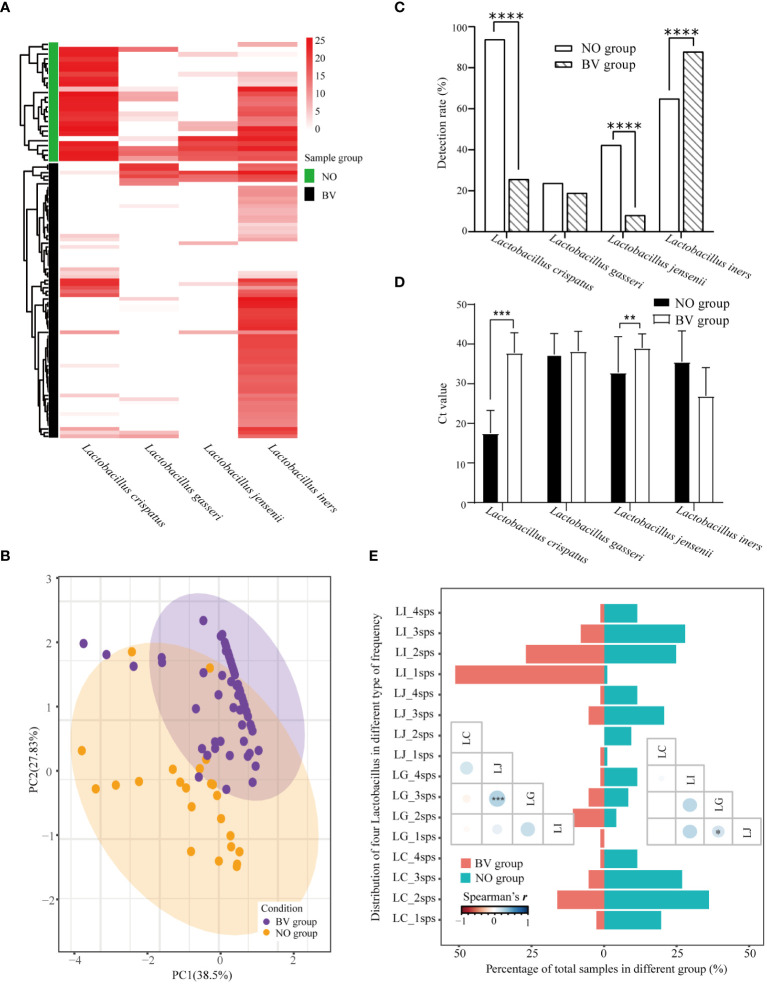 Figure 3
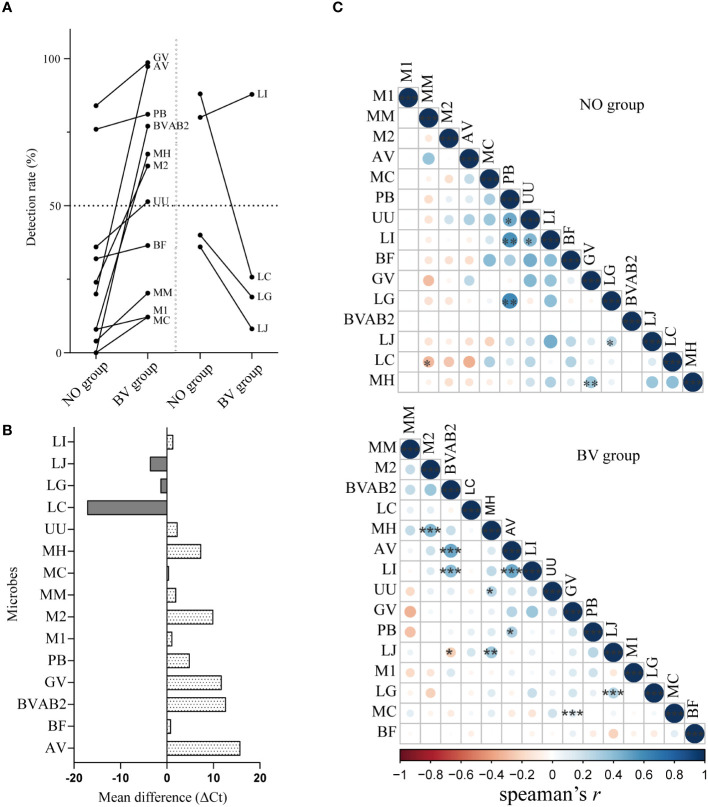 Figure 4
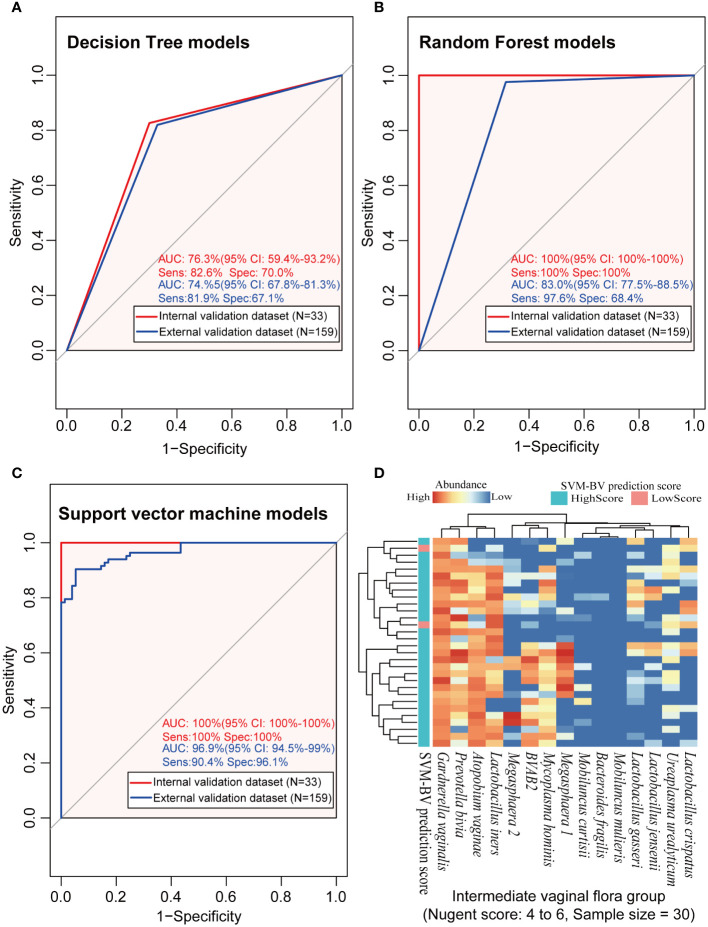 Figure 5
Peer Reviews
No public reviews on file for this paper yet. If you reviewed it on a platform where reviews are public (OpenReview, ICLR, NeurIPS, ICML), you can paste yours below so the community can read it here.
Videos
No videos yet. Explain this paper in a talk, walkthrough, or lecture? Add one.
Taxonomy
TopicsAsian Studies and History