Radiolabeled 15-mer peptide internalization is mediated by megalin (LRP2 receptor) in a CRISPR/Cas9-based LRP2 knockout human kidney cell model
Anna Durinova, Lucie Smutna, Pavel Barta, Rajamanikkam Kamaraj, Tomas Smutny, Bernhard Schmierer, Petr Pavek, Frantisek Trejtnar

TL;DR
This study shows that a specific kidney receptor called megalin helps take up radioactive peptides in kidney cells, and knocking out this receptor reduces uptake.
Contribution
A CRISPR/Cas9-based LRP2 knockout model in human kidney cells was developed to study megalin-mediated peptide internalization.
Findings
LRP2 knockout reduced the internalization of radiolabeled 15-mer peptides in HK2 cells.
Both 68Ga- and 99mTc-labeled peptides were identified as megalin ligands.
Biomolecular docking revealed the interaction site of the 15-mer with megalin.
Abstract
Megalin (LRP2 receptor) mediates the endocytosis of radiolabeled peptides into proximal tubular kidney cells, which may cause nephrotoxicity due to the accumulation of a radioactive tracer. The study aimed to develop a cellular model of human kidney HK2 cells with LRP2 knockout (KO) using CRISPR/Cas9 technique. This model was employed for the determination of the megalin-mediated accumulation of 68Ga- and 99mTc-labeled 15-mer peptide developed to target the vascular endothelial growth factor (VEGF) receptor in oncology radiodiagnostics. The gene editing in the LRP2 KO model was verified by testing two well-known megalin ligands when higher viability of KO cells was observed after gentamicin treatment at cytotoxic concentrations and lower FITC-albumin internalization by the KO cells was detected in accumulation studies. Fluorescent-activated cell sorting was used to separate genetically…
Genes, proteins, chemicals, diseases, species, mutations and cell lines named across the full text — each resolved to its canonical identifier and authoritative record.
Click any figure to enlarge with its caption.
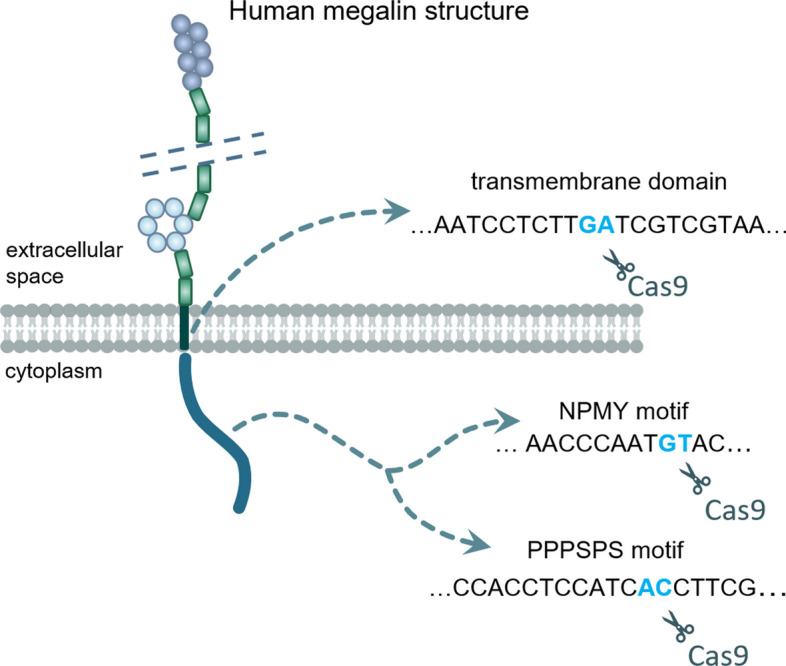 Figure 1
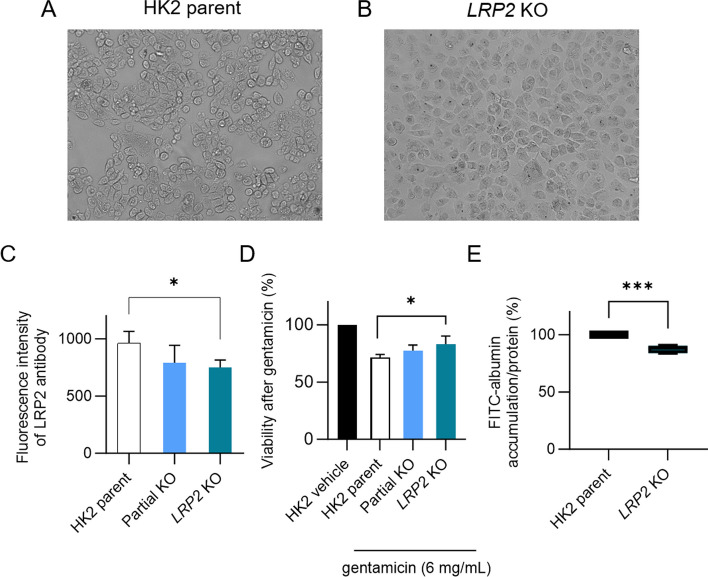 Figure 2
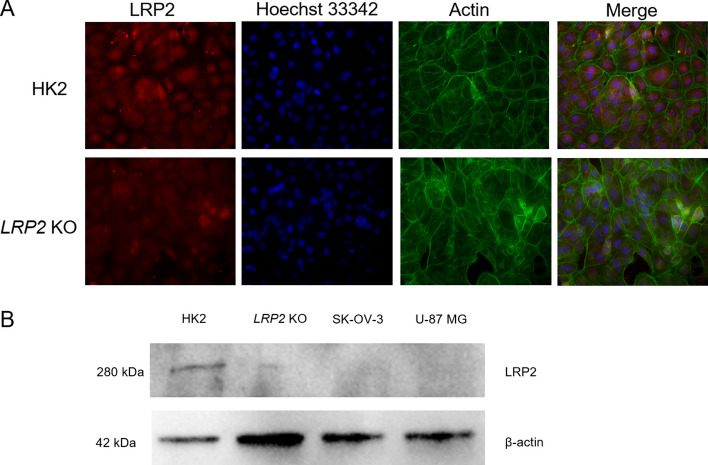 Figure 3
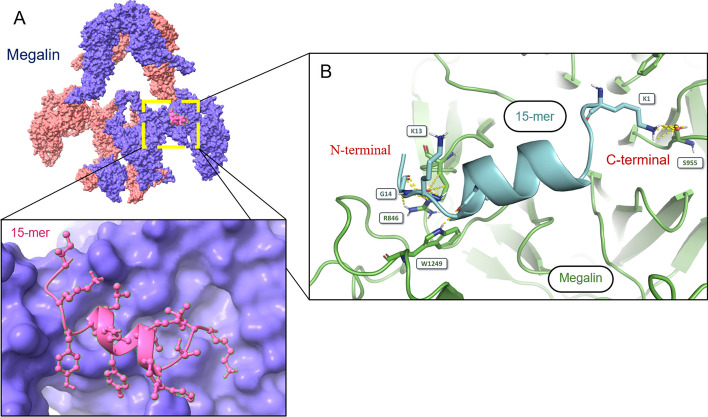 Figure 4
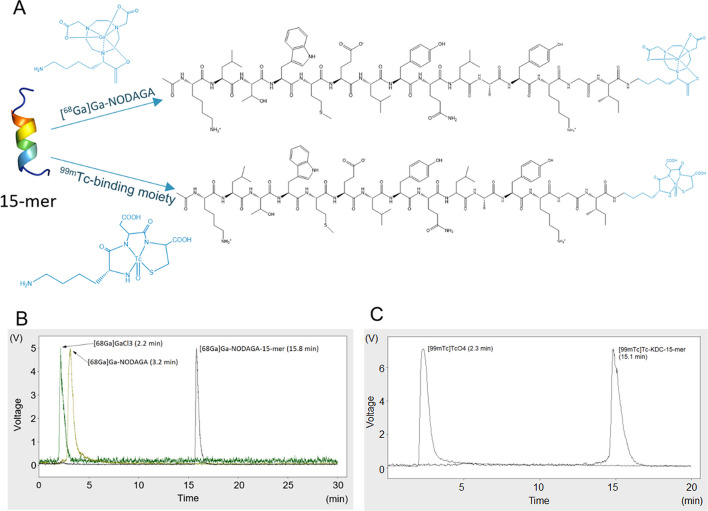 Figure 5
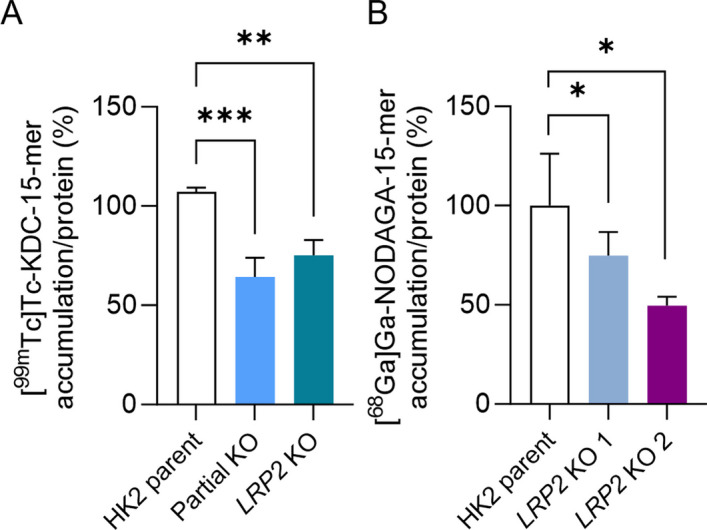 Figure 6
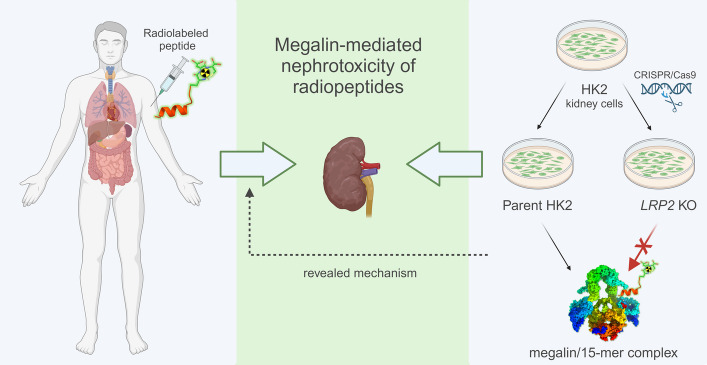 Figure 7
Peer Reviews
No public reviews on file for this paper yet. If you reviewed it on a platform where reviews are public (OpenReview, ICLR, NeurIPS, ICML), you can paste yours below so the community can read it here.
Videos
No videos yet. Explain this paper in a talk, walkthrough, or lecture? Add one.
Taxonomy
TopicsRenal and related cancers · Cancer Genomics and Diagnostics · Radiopharmaceutical Chemistry and Applications