Protective role of protease-activated receptor-2 in anaphylaxis model mice
Maho Nakazawa, Ryota Tochinai, Wataru Fujii, Mao Komori, Tomohiro Yonezawa, Yasuyuki Momoi, Shingo Maeda, Hiroyasu Nakano, Hiroyasu Nakano, Hiroyasu Nakano

TL;DR
This study shows that protease-activated receptor-2 (PAR-2) protects against anaphylaxis by reducing nitric oxide production, with tryptase acting as its ligand.
Contribution
The study identifies a protective role of PAR-2 in anaphylaxis through its interaction with mast cell tryptase.
Findings
PAR-2 deficiency worsened anaphylaxis symptoms like hypothermia and hypotension.
PAR-2 deficiency increased eNOS expression and phosphorylation in anaphylactic lungs.
Tryptase is likely the ligand for PAR-2 in anaphylaxis, as its absence negated the effect of PAR-2 antagonists.
Abstract
Anaphylaxis is a severe life-threatening hypersensitivity reaction induced by mast cell degranulation. Among the various mediators of mast cells, little is known about the role of tryptase. Therefore, we aimed to elucidate the role of protease-activating receptor-2 (PAR-2), a receptor activated by tryptase, in murine anaphylactic models using PAR-2-deficient mice and newly generated tryptase-deficient mice. Anaphylaxis was induced by IgE-dependent and IgE-independent mast cell degranulation in mice. PAR-2 deficiency exacerbated the decrease in body temperature and hypotension during anaphylaxis; however, the number of skin mast cells, degree of mast cell degranulation, and systemic and local vascular hyperpermeability were comparable in PAR-2 knockout and wild-type mice. Nitric oxide, which is produced by endothelial nitric oxide synthase (eNOS), is an indispensable vasodilator in…
Genes, proteins, chemicals, diseases, species, mutations and cell lines named across the full text — each resolved to its canonical identifier and authoritative record.
Click any figure to enlarge with its caption.
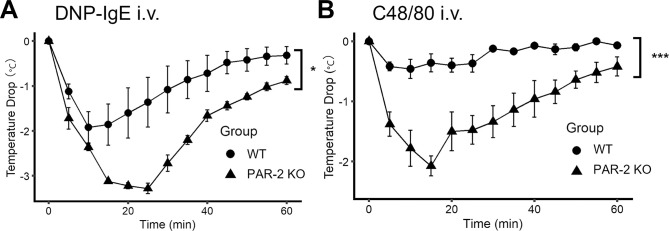 Figure 1
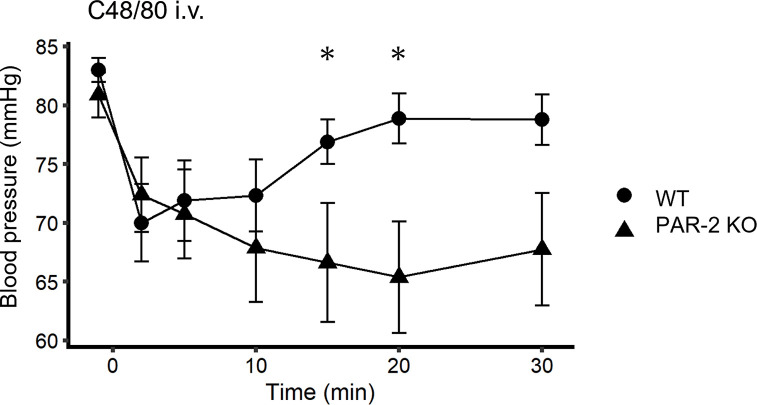 Figure 2
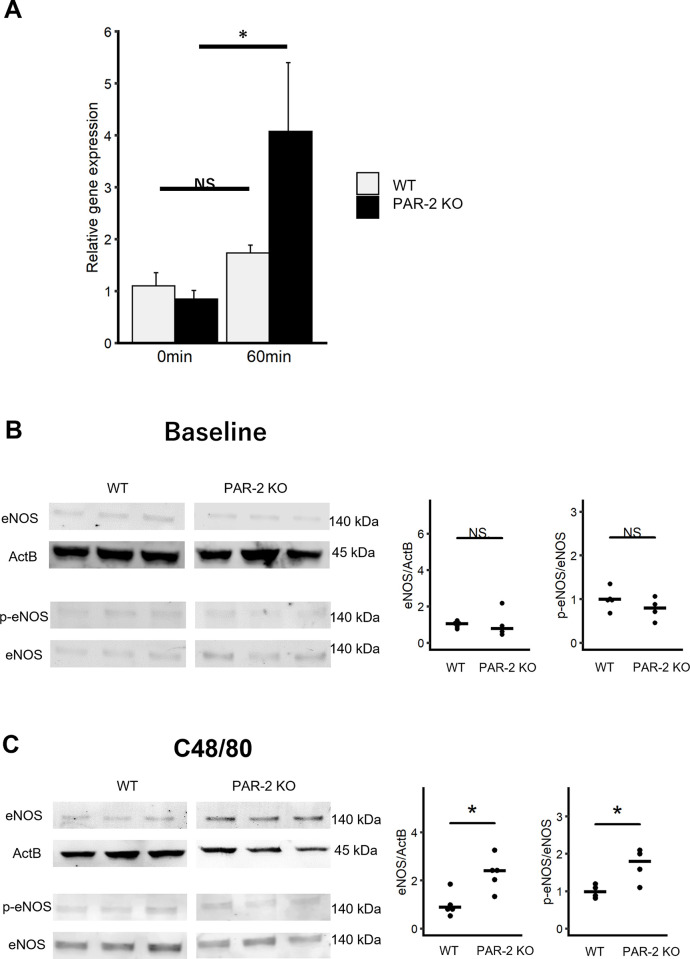 Figure 3
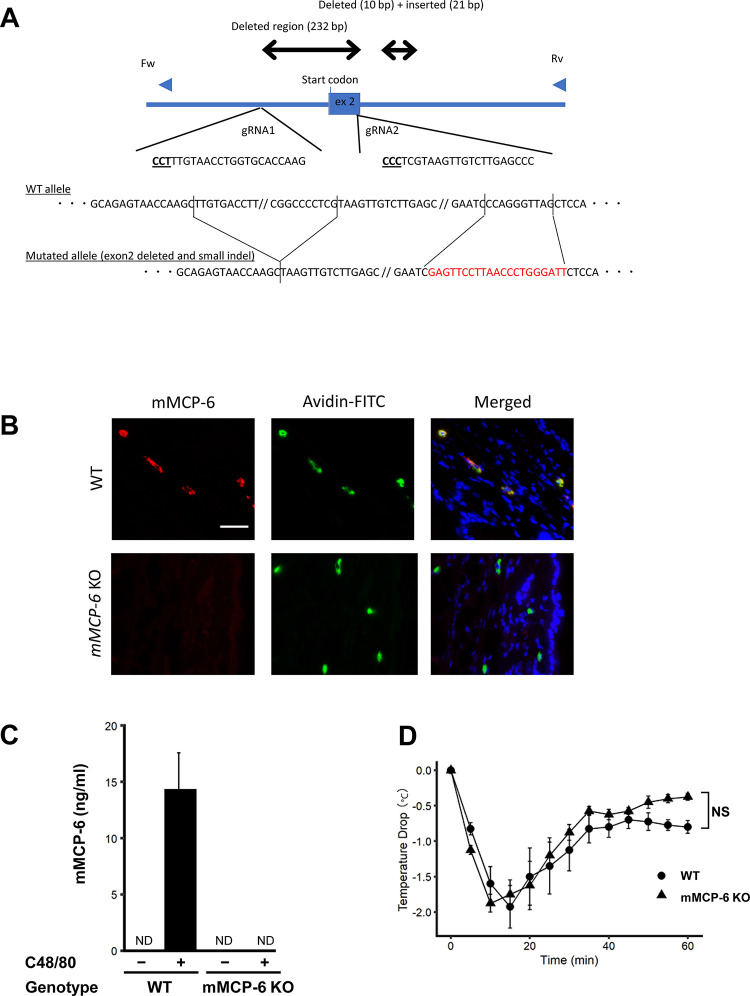 Figure 4
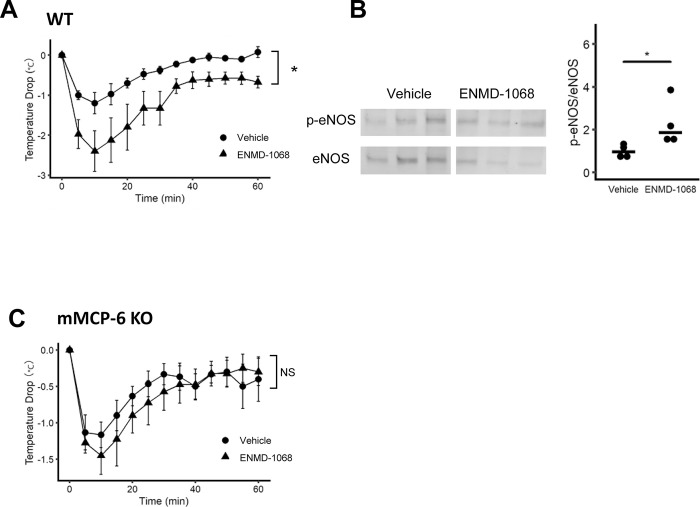 Figure 5
Peer Reviews
No public reviews on file for this paper yet. If you reviewed it on a platform where reviews are public (OpenReview, ICLR, NeurIPS, ICML), you can paste yours below so the community can read it here.
Videos
No videos yet. Explain this paper in a talk, walkthrough, or lecture? Add one.
Taxonomy
TopicsMast cells and histamine · Coagulation, Bradykinin, Polyphosphates, and Angioedema · Food Allergy and Anaphylaxis Research