iSCNT embryo culture system for restoration of Cervus nippon hortulorum, presumed to be sika deer in the Korean Peninsula
Yong-Su Park, Min-Gee Oh, Sang-Hwan Kim, Birendra Mishra, Birendra Mishra, Birendra Mishra

TL;DR
Scientists used genetic analysis and cloning techniques to explore the possibility of restoring the extinct Korean Peninsula sika deer subspecies.
Contribution
The study demonstrates the feasibility of using iSCNT embryo culture for the restoration of the extinct Cervus nippon hortulorum subspecies.
Findings
mt-DNA analysis confirmed that sika deer near the Russian Primorsky Territory match Cervus nippon hortulorum.
iSCNT embryos developed successfully using porcine oocytes and a stable IVC system.
Endometrial cell stimulation and progesterone improved blastocyst development and energy metabolism.
Abstract
Sika deer inhabiting South Korea became extinct when the last individual was captured on Jeju Island in Korea in 1920 owing to the Japanese seawater relief business, but it is believed that the same subspecies (Cervus nippon hortulorum) inhabits North Korea and the Russian Primorskaya state. In our study, mt-DNA was used to analyze the genetic resources of sika deer in the vicinity of the Korean Peninsula to restore the extinct species of continental deer on the Korean Peninsula. In addition, iSCNT was performed using cells to analyze the potential for restoration of extinct species. The somatic cells of sika deer came from tissues of individuals presumed to be Korean Peninsula sika deer inhabiting the neighboring areas of the Primorskaya state and North Korea. After sequencing 5 deer samples through mt-DNA isolation and PCR, BLAST analysis showed high matching rates for Cervus nippon…
Genes, proteins, chemicals, diseases, species, mutations and cell lines named across the full text — each resolved to its canonical identifier and authoritative record.
Click any figure to enlarge with its caption.
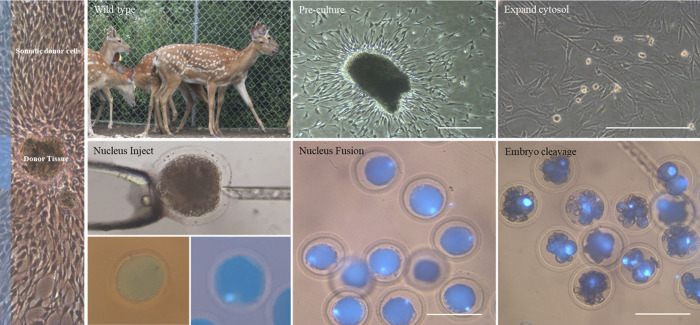 Figure 1
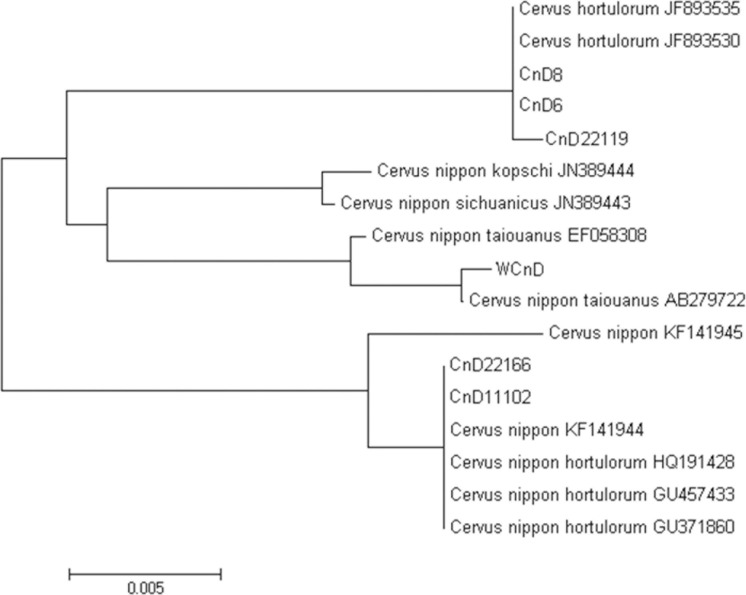 Figure 2
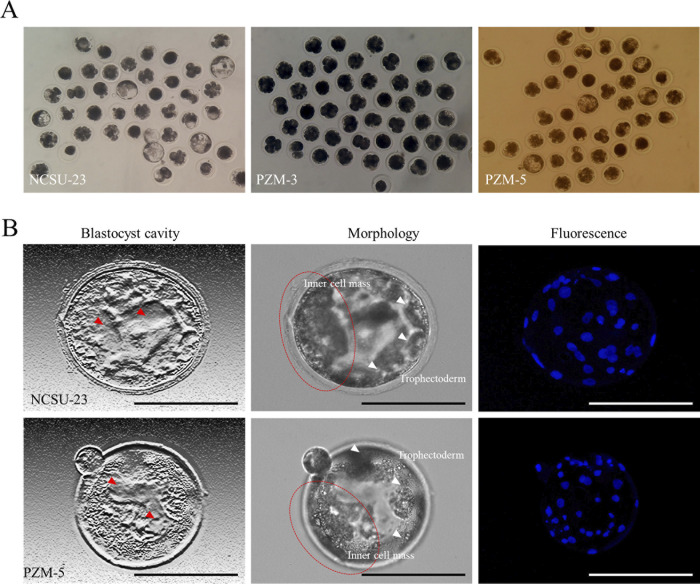 Figure 3
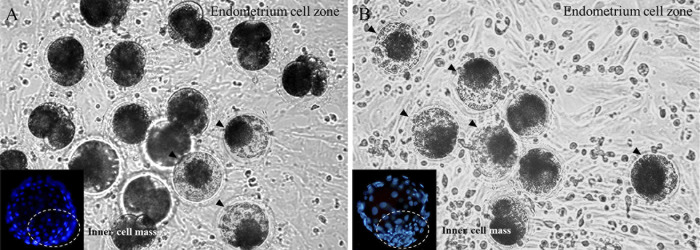 Figure 4
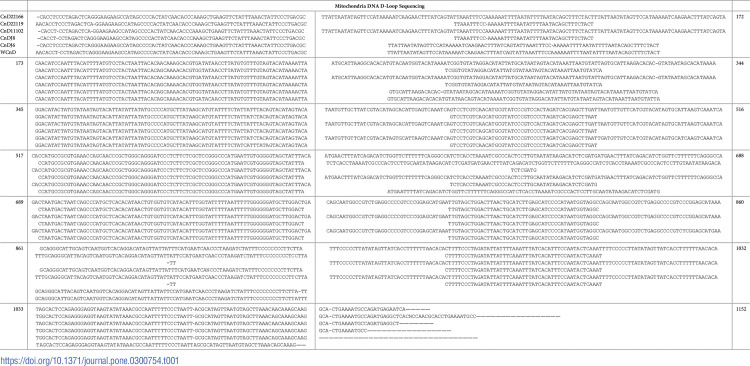 Figure 5
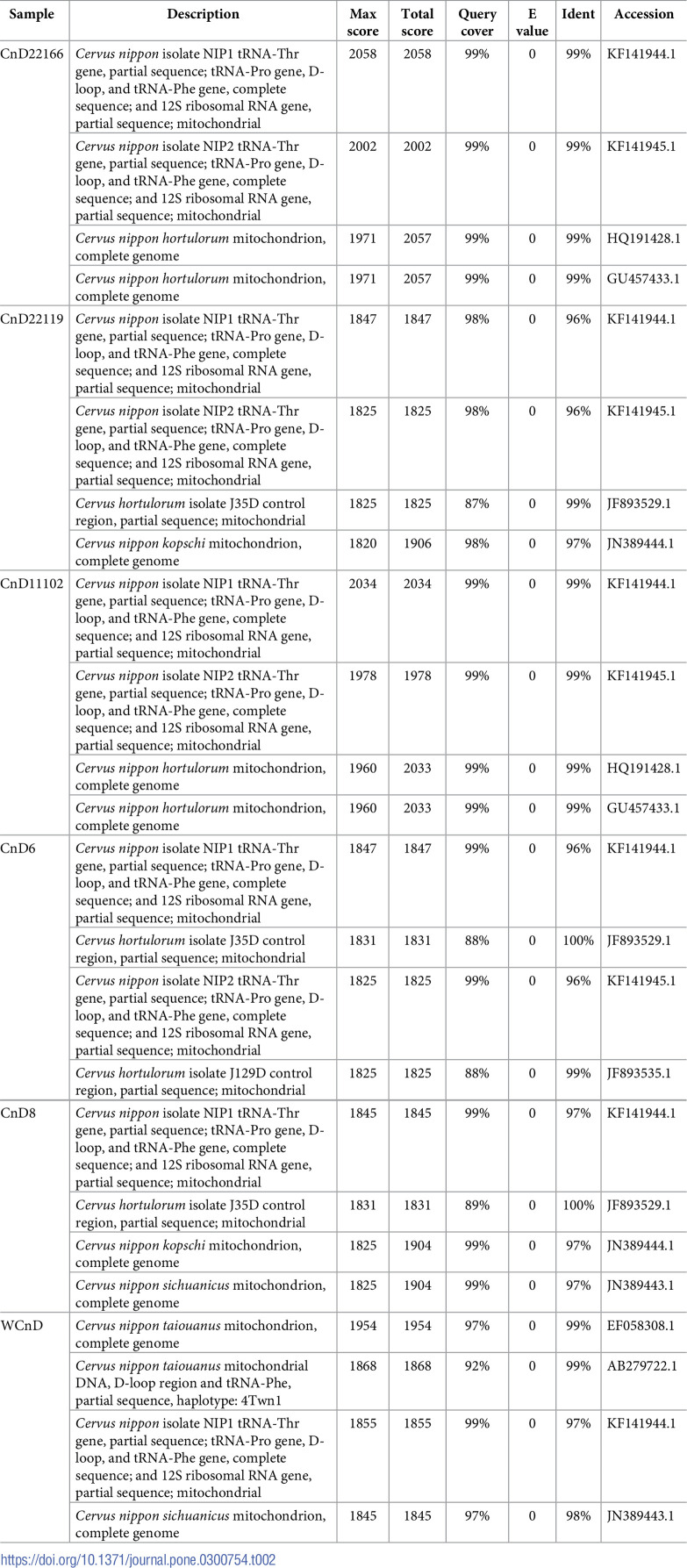 Figure 6
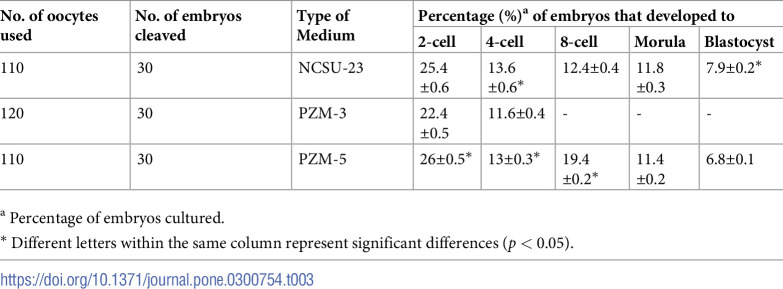 Figure 7
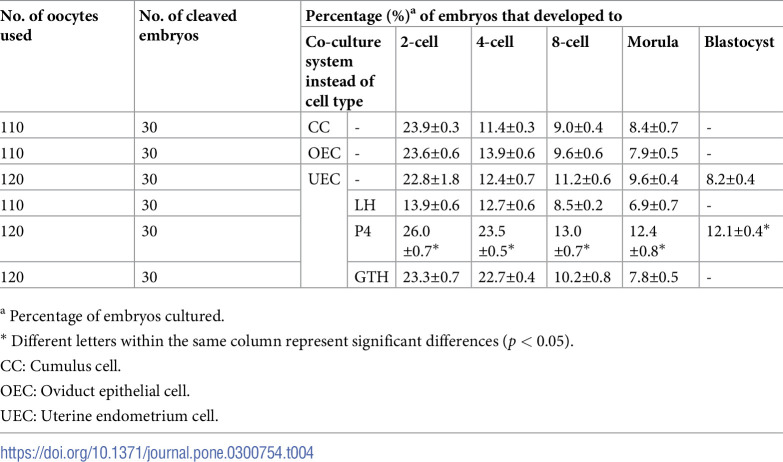 Figure 8
Peer Reviews
No public reviews on file for this paper yet. If you reviewed it on a platform where reviews are public (OpenReview, ICLR, NeurIPS, ICML), you can paste yours below so the community can read it here.
Videos
No videos yet. Explain this paper in a talk, walkthrough, or lecture? Add one.
Taxonomy
TopicsReproductive Biology and Fertility · Environmental DNA in Biodiversity Studies · Chromosomal and Genetic Variations