Latent class analysis of barriers to HIV testing services and associations with sexual behaviour and HIV status among adolescents and young adults in Nigeria
Okikiolu Badejo, Edwin Wouters, Sara Van Belle, Anne Buve, Tom Smekens, Plang Jwanle, Marie Laga, Christiana Nöstlinger, Belayneh Mengist, Belayneh Mengist, Belayneh Mengist, Belayneh Mengist, Belayneh Mengist, Belayneh Mengist

TL;DR
This study identifies different groups of young people in Nigeria based on barriers to HIV testing and finds that these groups have distinct sexual behaviors and sociodemographic profiles.
Contribution
The study introduces a novel approach using latent class analysis to identify subgroups of adolescents and young adults with distinct barriers to HIV testing in Nigeria.
Findings
Four subgroups were identified: low-risk perception, consent and proximity, testing site, and cost and logistics.
Subgroups showed varying likelihoods of engaging in risky sexual behaviors like transactional sex and multiple partners.
Sociodemographic factors like gender, age, and religion were linked to HIV status, but barrier subgroup membership was not.
Abstract
Adolescents and young adults (AYA) face multiple barriers to accessing healthcare services, which can interact, creating complex needs that often impact health behaviours, leading to increased vulnerability to HIV. We aimed to identify distinct AYA subgroups based on patterns of barriers to HIV testing services and assess the association between these barrier patterns and sexual behaviour, socio-demographics, and HIV status. Data were from Nigeria’s AIDS Indicator and Impact Survey (NAIIS, 2018) and included 18,612 sexually active AYA aged 15–24 years who had never been tested for HIV and reported barriers to accessing HIV testing services. A Latent class analysis (LCA) model was built from 12 self-reported barrier types to identify distinct subgroups of AYA based on barrier patterns. Latent class regressions (LCR) were conducted to compare the socio-demographics, sexual behaviour, and…
Genes, proteins, chemicals, diseases, species, mutations and cell lines named across the full text — each resolved to its canonical identifier and authoritative record.
Click any figure to enlarge with its caption.
 Figure 1
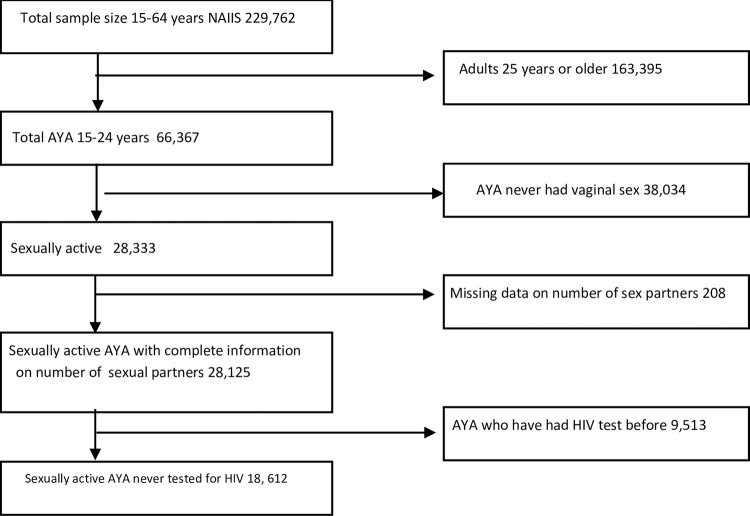 Figure 2
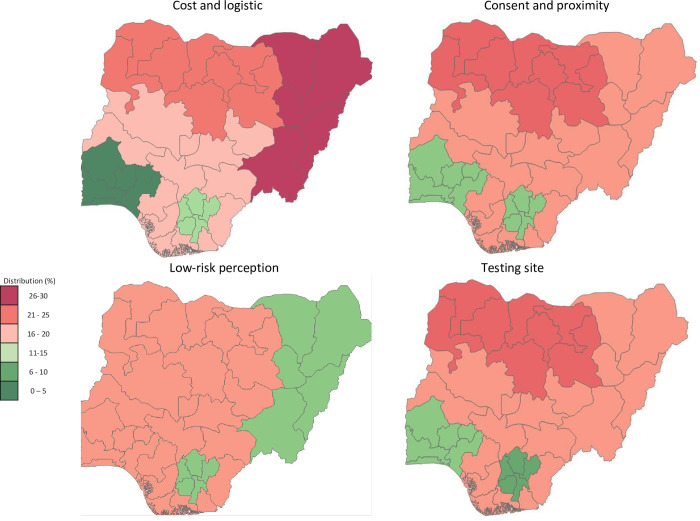 Figure 3
 Figure 4
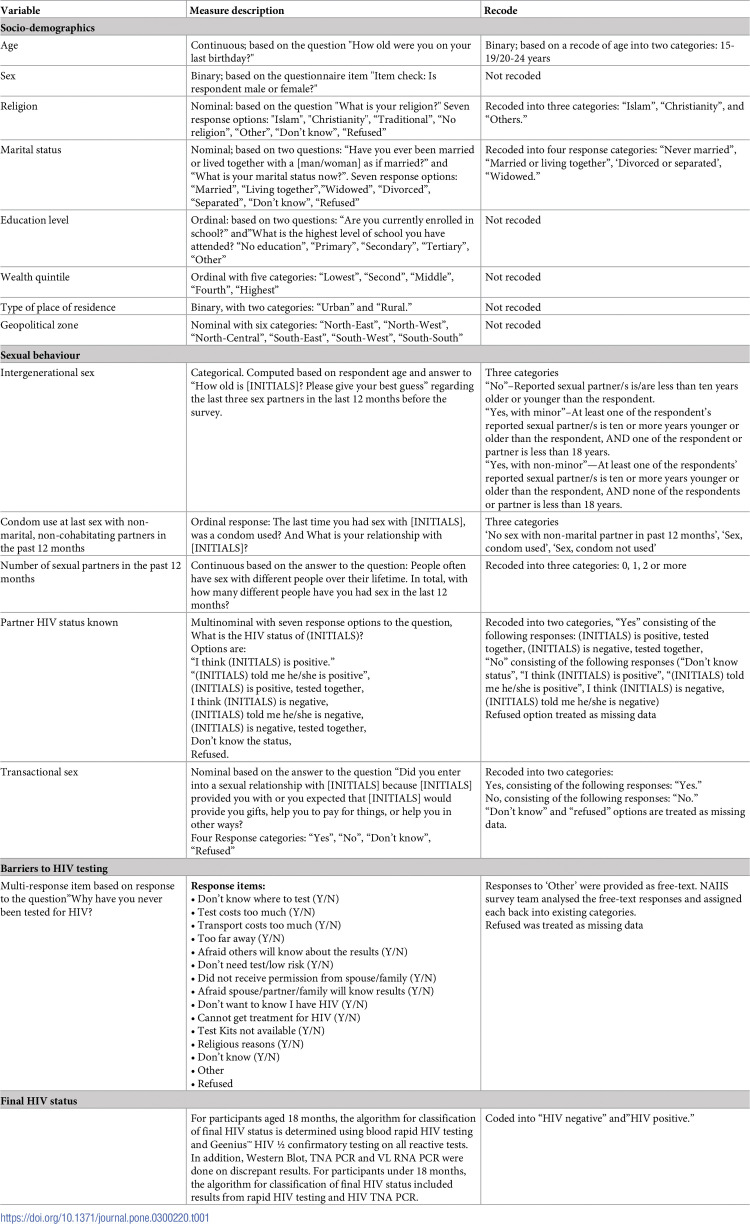 Figure 5
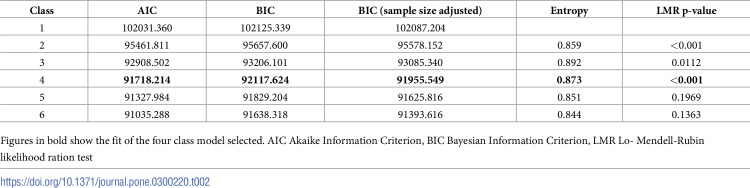 Figure 6
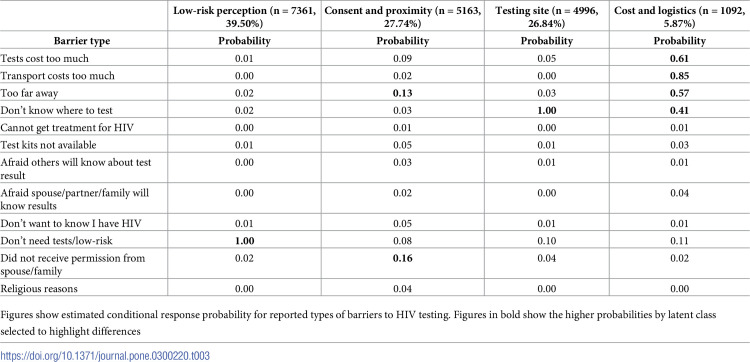 Figure 7
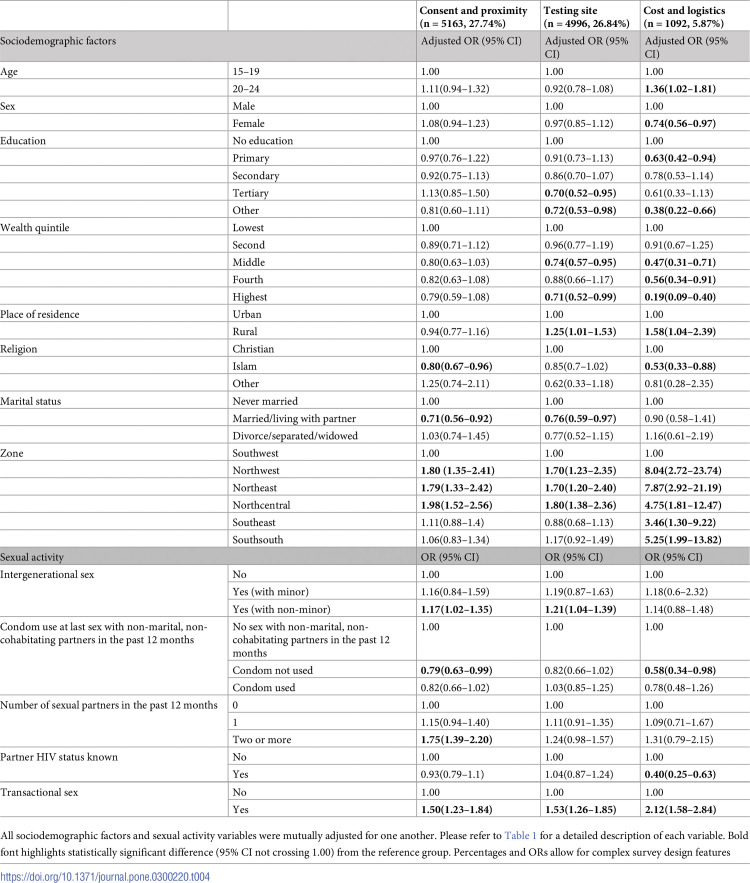 Figure 8
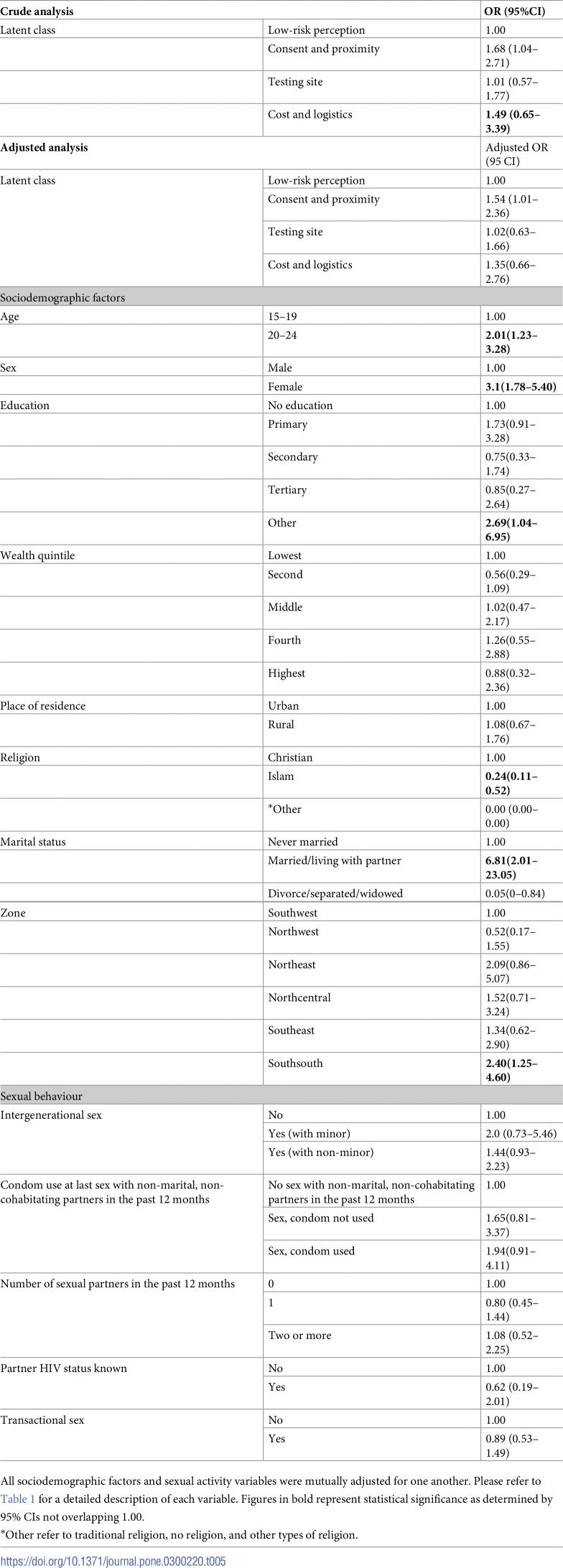 Figure 9
Peer Reviews
No public reviews on file for this paper yet. If you reviewed it on a platform where reviews are public (OpenReview, ICLR, NeurIPS, ICML), you can paste yours below so the community can read it here.
Videos
No videos yet. Explain this paper in a talk, walkthrough, or lecture? Add one.
Taxonomy
TopicsAdolescent Sexual and Reproductive Health · HIV/AIDS Research and Interventions · HIV/AIDS Impact and Responses