Predisposing deleterious variants in the cancer-associated human kinases in the global populations
Salman Ahmed Khan, Misbah Anwar, Atia Gohar, Moom R. Roosan, Daniel C. Hoessli, Ambrina Khatoon, Muhammad Shakeel

TL;DR
This study identifies harmful genetic variants in cancer-related human kinases across global populations and suggests potential drugs for personalized cancer treatment.
Contribution
The study catalogs deleterious kinase gene variants in diverse populations and links them to cancer-related gene expression and drug targets.
Findings
35 deleterious SNVs in kinases were identified in ExAC, with 5 in HGDP.
NTRK1 and FGFR3 were most significantly enriched and over-expressed in multiple cancers.
13 potential drugs target NTRK1, and 6 target FGFR3 for cancer management.
Abstract
Human kinases play essential and diverse roles in the cellular activities of maintaining homeostasis and growth. Genetic mutations in the genes encoding the kinases (or phosphotransferases) have been linked with various types of cancers. In this study, we cataloged mutations in 500 kinases genes in >65,000 individuals of global populations from the Human Genetic Diversity Project (HGDP) and ExAC databases, and assessed their potentially deleterious impact by using the in silico tools SIFT, Polyphen2, and CADD. The analysis highlighted 35 deleterious non-synonymous SNVs in the ExAC and 5 SNVs in the HGDP project. Notably, a higher number of deleterious mutations was observed in the Non-Finnish Europeans (26 SNVs), followed by the Africans (14 SNVs), East Asians (13 SNVs), and South Asians (12 SNVs). The gene set enrichment analysis highlighted NTRK1 and FGFR3 being most significantly…
Genes, proteins, chemicals, diseases, species, mutations and cell lines named across the full text — each resolved to its canonical identifier and authoritative record.
Click any figure to enlarge with its caption.
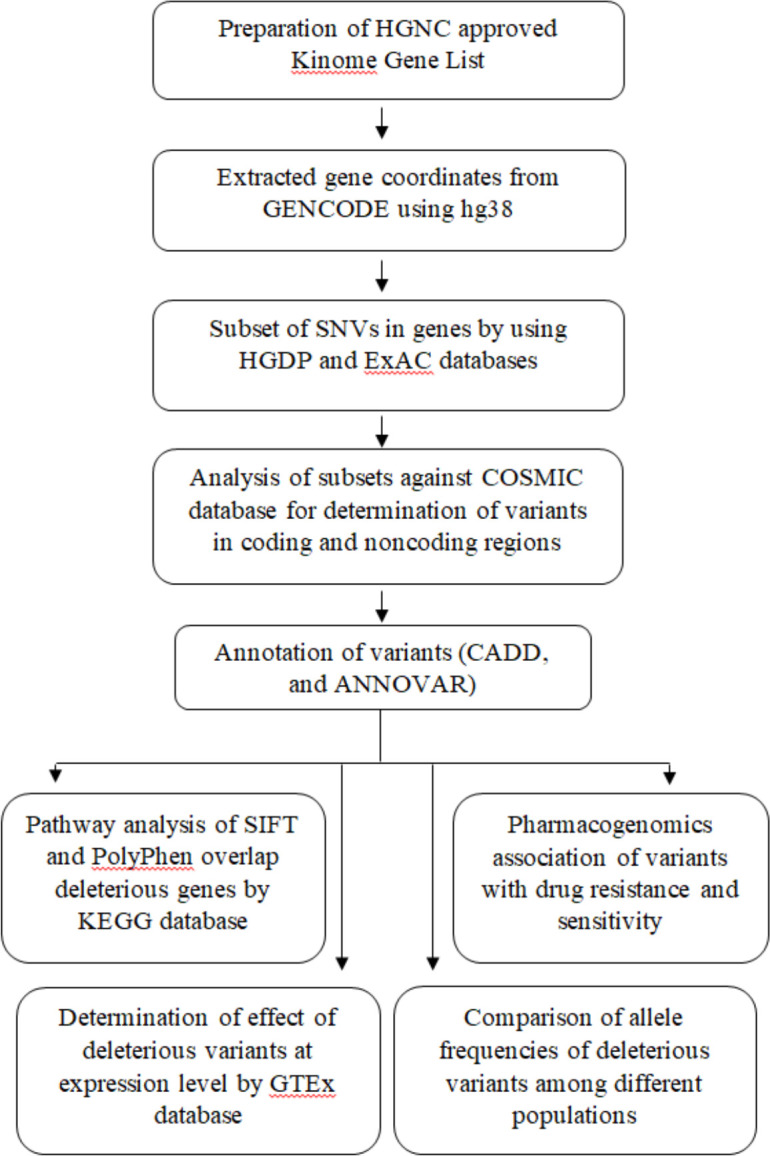 Figure 1
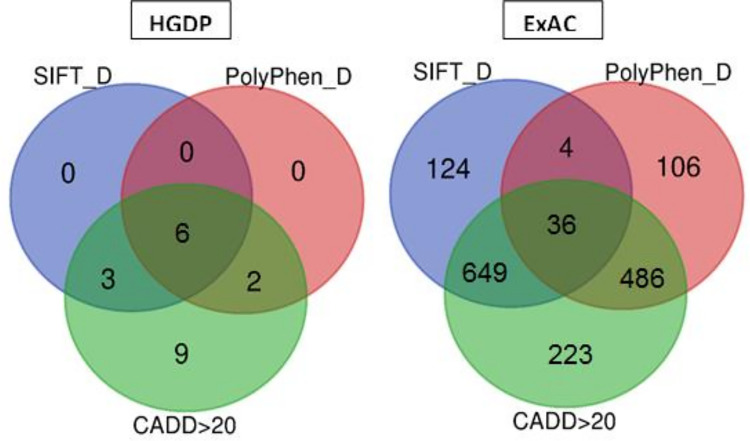 Figure 2
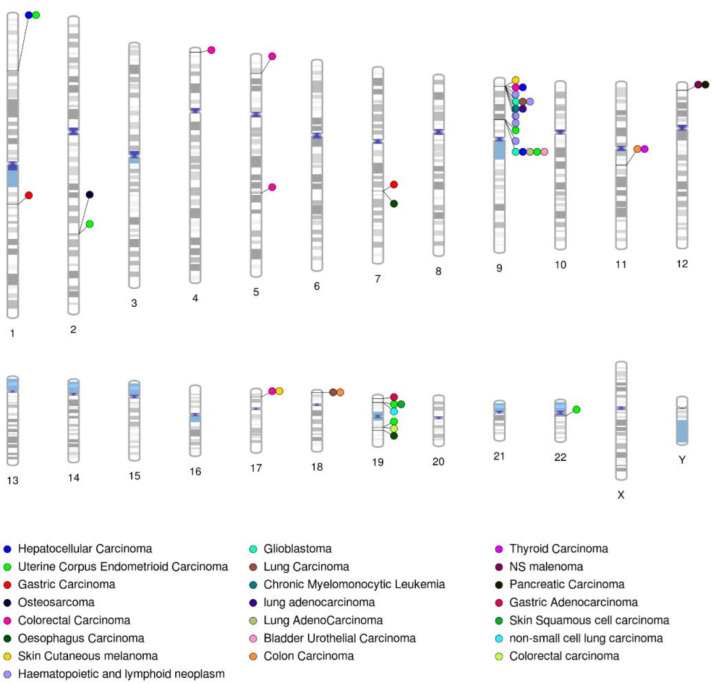 Figure 3
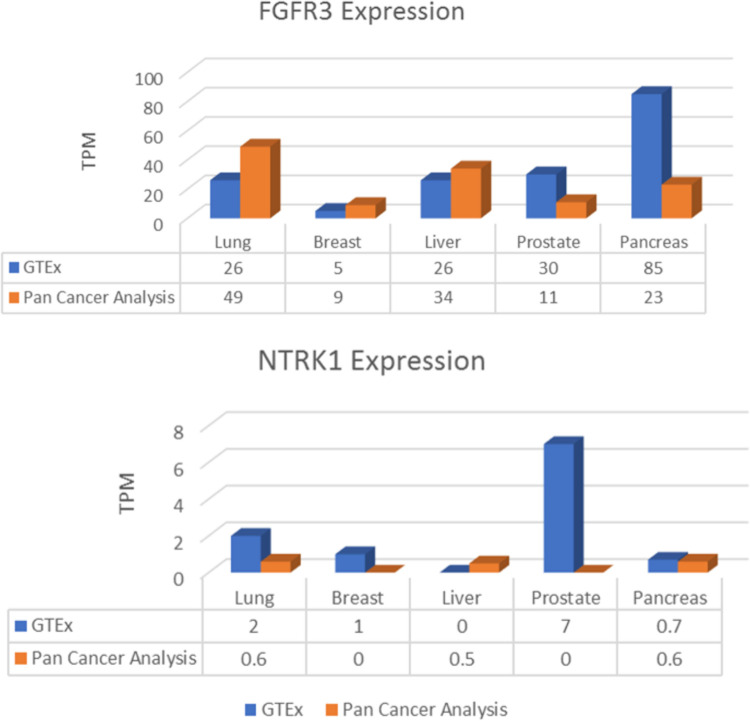 Figure 4
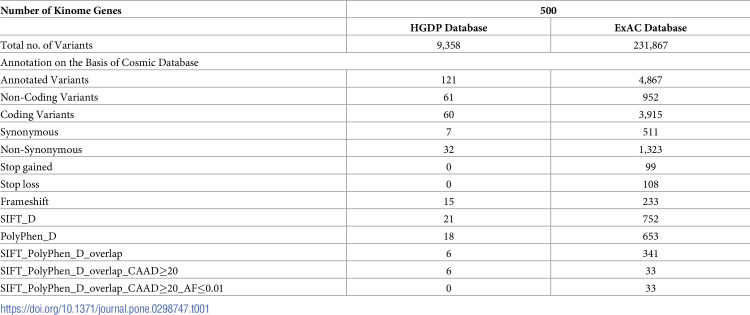 Figure 5
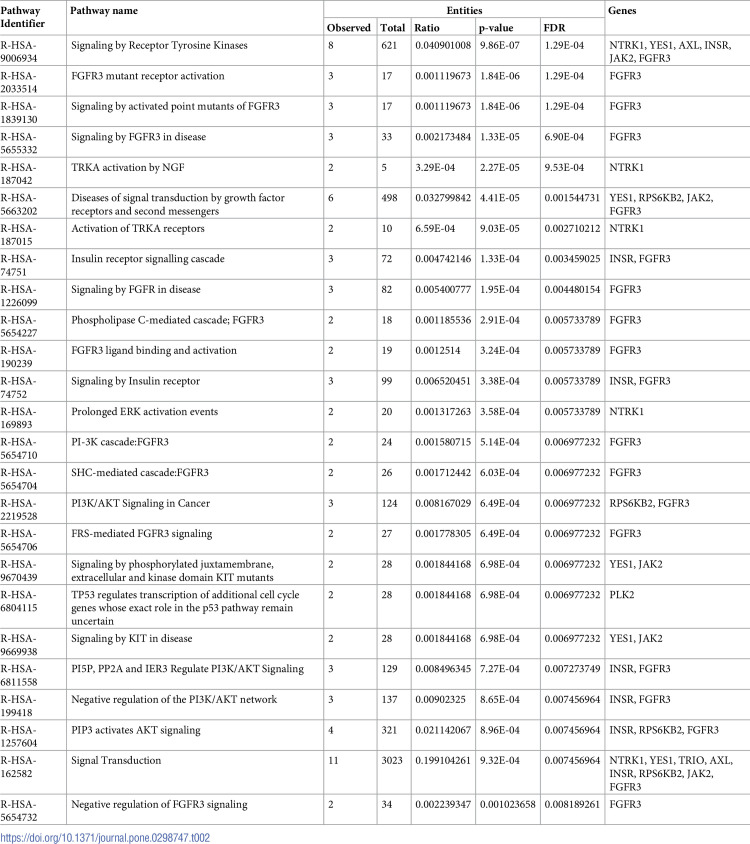 Figure 6
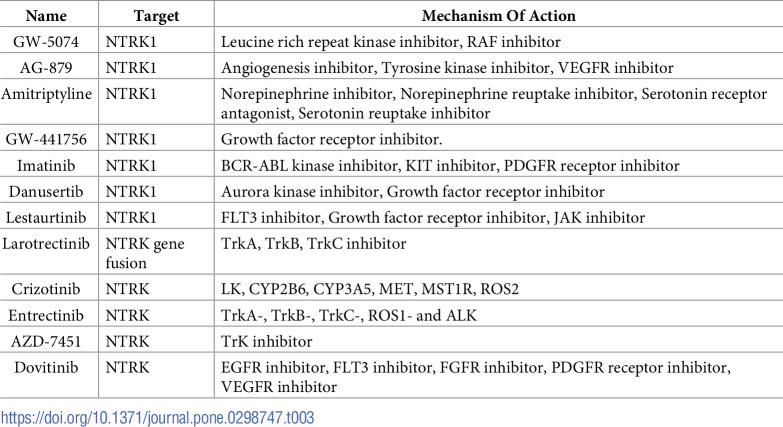 Figure 7
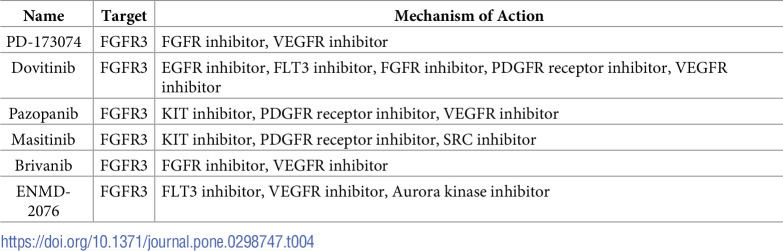 Figure 8
Peer Reviews
No public reviews on file for this paper yet. If you reviewed it on a platform where reviews are public (OpenReview, ICLR, NeurIPS, ICML), you can paste yours below so the community can read it here.
Videos
No videos yet. Explain this paper in a talk, walkthrough, or lecture? Add one.
Taxonomy
TopicsGenetic Associations and Epidemiology · Cancer Genomics and Diagnostics · Epigenetics and DNA Methylation