Chemoinformatics and machine learning techniques to identify novel inhibitors of the lemur tyrosine kinase-3 receptor involved in breast cancer
Faris Alrumaihi

TL;DR
This study uses chemoinformatics and machine learning to find new inhibitors for the LMTK3 receptor, which may help in treating breast cancer.
Contribution
The study introduces novel inhibitors for LMTK3 and provides insights into their binding mechanisms through molecular simulations.
Findings
Top three compounds showed best binding affinities during docking simulations.
Protein dynamics analysis revealed structural changes in complexes with novel inhibitors.
Binding free energy analysis indicated higher stability in the top1 complex compared to the control.
Abstract
Breast cancer is still the largest cause of cancer death in women, and around 70% of primary breast cancer patients are estrogen receptor (ER)-positive, which is the most frequent kind of breast cancer. The lemur tyrosine kinase-3 (LMTK3) receptor has been linked to estrogen responsiveness in breast cancer. However, the function of LMTK3 in reaction to cytotoxic chemotherapy has yet to be studied. Breast cancer therapy research remains tricky due to a paucity of structural investigations on LMTK3. We performed structural investigations on LMTK3 using molecular docking and molecular dynamics (MD) simulations of the LMTK3 receptor in complex with the top three inhibitor molecules along with a control inhibitor. Analysis revealed the top three compounds show the best binding affinities during docking simulations. Interactive analysis of hydrogen bonds inferred hotspot residues Tyr163,…
Genes, proteins, chemicals, diseases, species, mutations and cell lines named across the full text — each resolved to its canonical identifier and authoritative record.
Click any figure to enlarge with its caption.
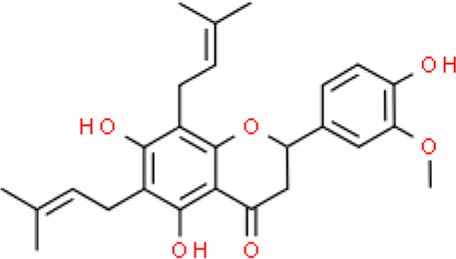 Figure 1
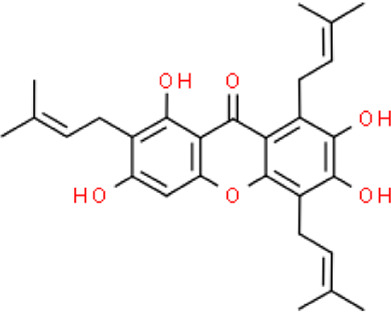 Figure 2
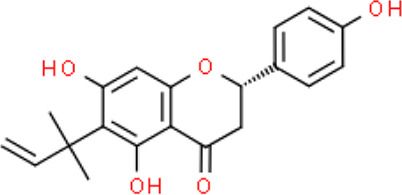 Figure 3
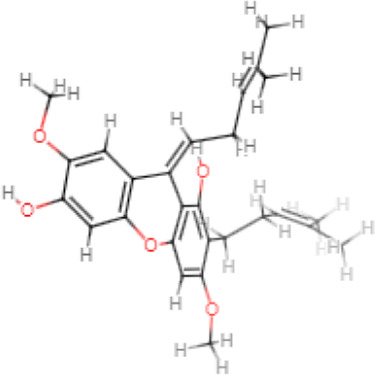 Figure 4
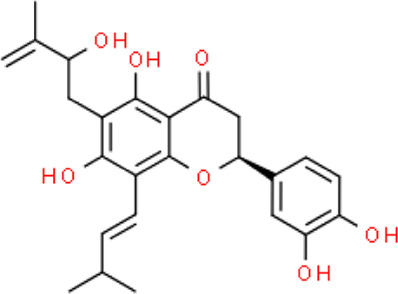 Figure 5
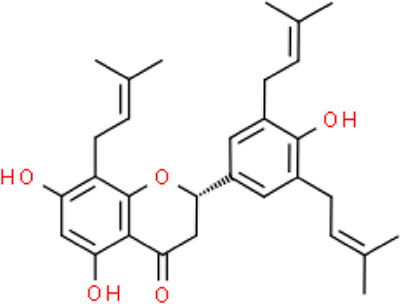 Figure 6
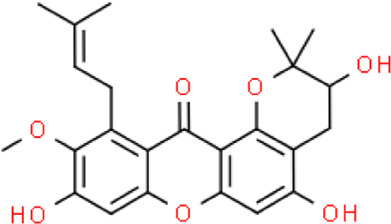 Figure 7
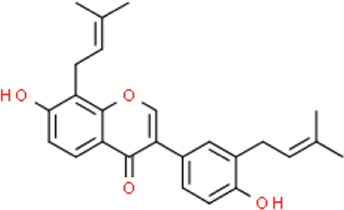 Figure 8
 Figure 9
 Figure 10
 Figure 11
 Figure 12
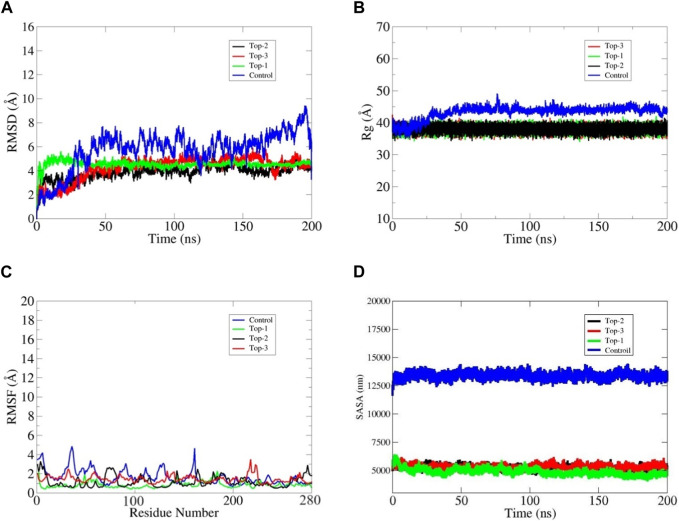 Figure 13
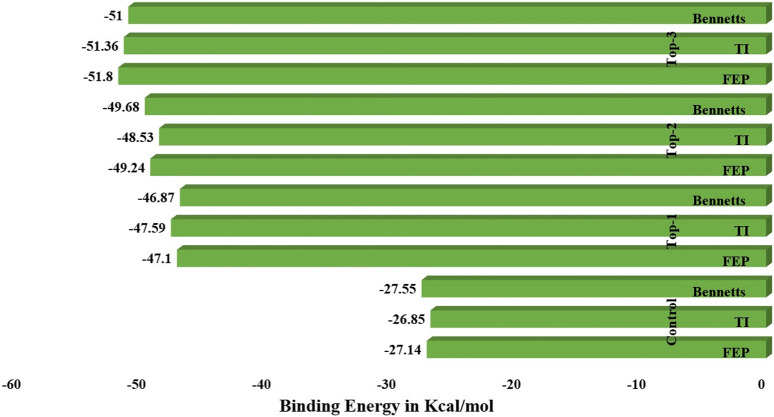 Figure 14
Peer Reviews
No public reviews on file for this paper yet. If you reviewed it on a platform where reviews are public (OpenReview, ICLR, NeurIPS, ICML), you can paste yours below so the community can read it here.
Videos
No videos yet. Explain this paper in a talk, walkthrough, or lecture? Add one.
Taxonomy
TopicsComputational Drug Discovery Methods · Estrogen and related hormone effects · Chemical Synthesis and Analysis