Discovery of diverse Pectocaris species at the Cambrian series 2 Hongjingshao formation Xiazhuang section (Kunming, SW China) and its ecological, taphonomic, and biostratigraphic implications
Changfei Jin, Hong Chen, Huijuan Mai, Xianguang Hou, Xianfeng Yang, Dayou Zhai

TL;DR
This study discovers new Pectocaris species in China's Cambrian rock layers, revealing ecological adaptations and connections between ancient marine ecosystems.
Contribution
The discovery of a new Pectocaris species and its ecological interpretation expands understanding of Cambrian biodiversity and niche differentiation.
Findings
Pectocaris paraspatiosa sp. nov. is identified as a filter-feeder adapted to shallow, agitated environments.
Morphological differences among Pectocaris species suggest niche differentiation within the genus.
The study establishes a biological connection between Yu’anshan and Hongjingshao Formations through shared fossil taxa.
Abstract
Pectocaris species are intermediate- to large-sized Cambrian bivalved arthropods. Previous studies have documented Pectocaris exclusively from the Cambrian Series 2 Stage 3 Chengjiang biota in Yu’anshan Formation, Chiungchussu Stage in SW China. In this study, we report Pectocaris paraspatiosa sp. nov., and three other previously known Pectocaris from the Xiazhuang section in Kunming, which belongs to the Hongjingshao Formation and is a later phase within Cambrian Stage 3 than the Yu’anshan Formation. The new species can be distinguished from its congeners by the sparsely arranged endopodal endites and the morphologies of the abdomen, telson, and telson processes. We interpret P. paraspatiosa sp. nov. as a filter-feeder and a powerful swimmer adapted to shallow, agitated environments. Comparison among the Pectocaris species reinforces previous views that niche differentiation had been…
Genes, proteins, chemicals, diseases, species, mutations and cell lines named across the full text — each resolved to its canonical identifier and authoritative record.
Click any figure to enlarge with its caption.
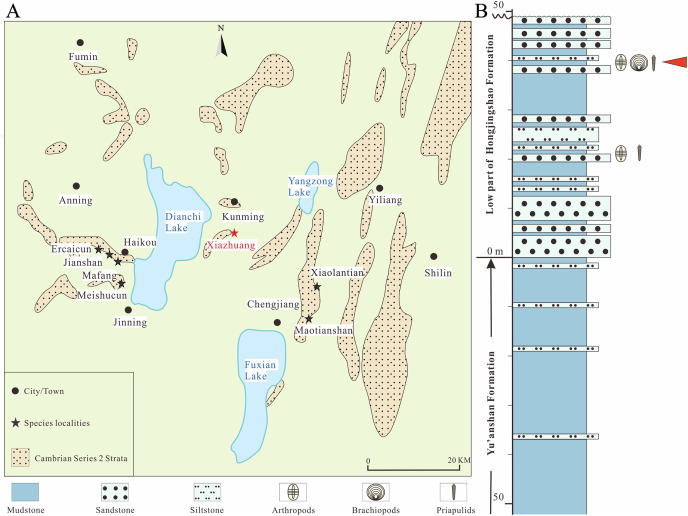 Figure 1
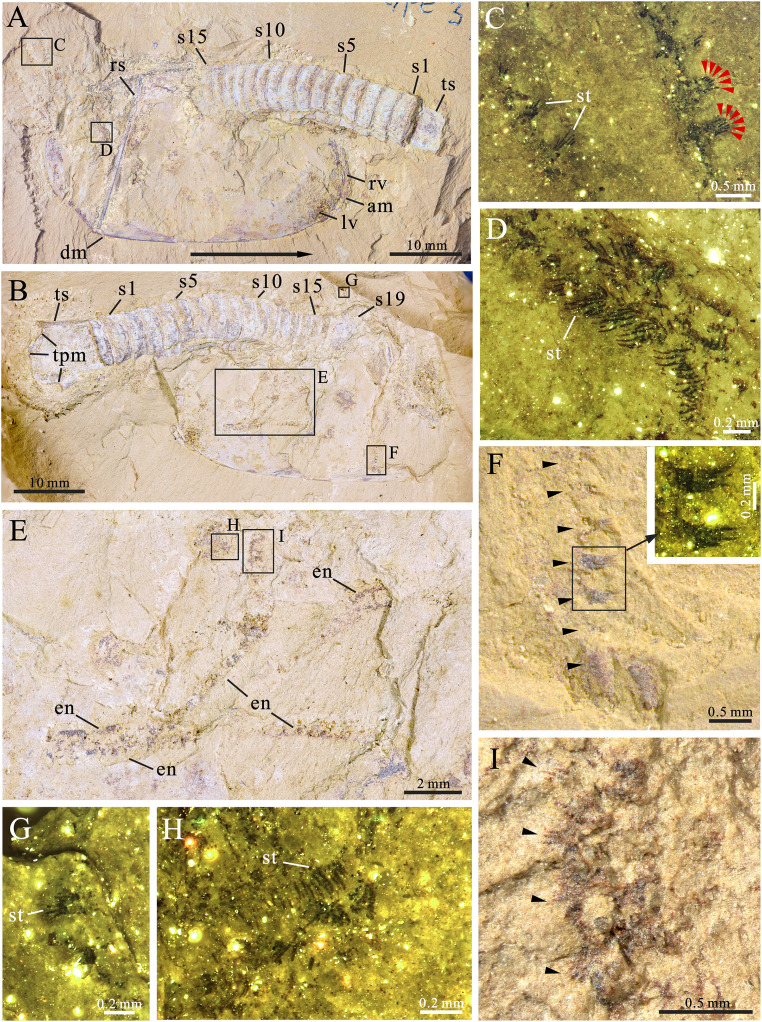 Figure 2
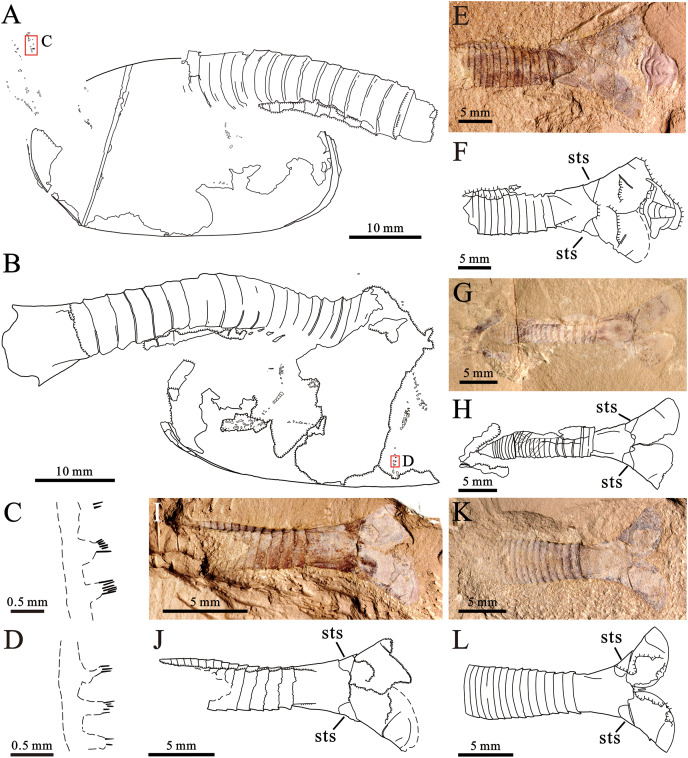 Figure 3
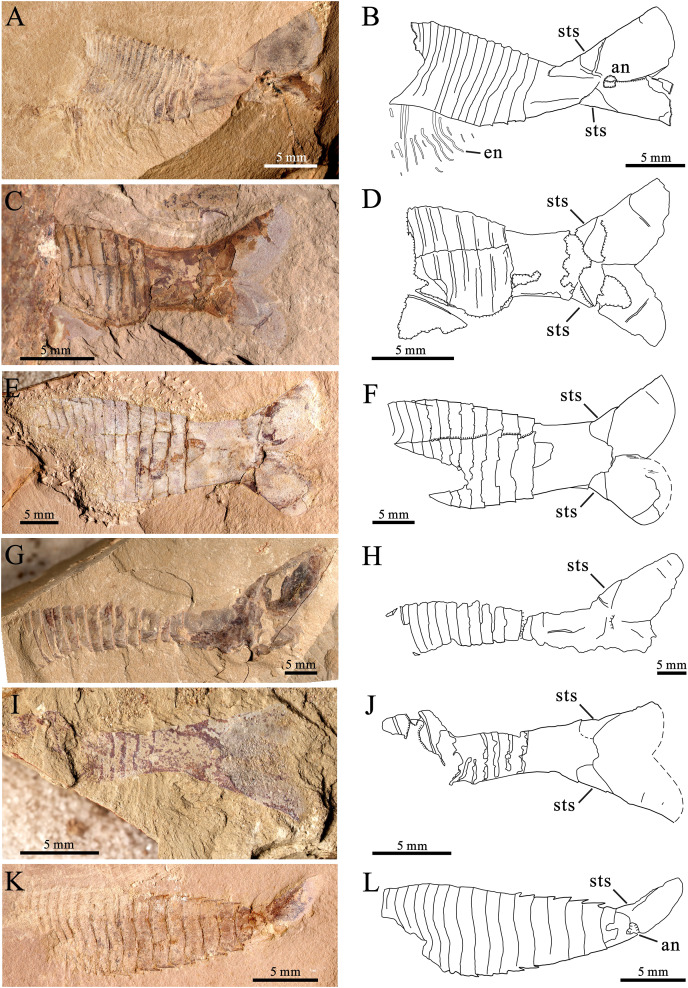 Figure 4
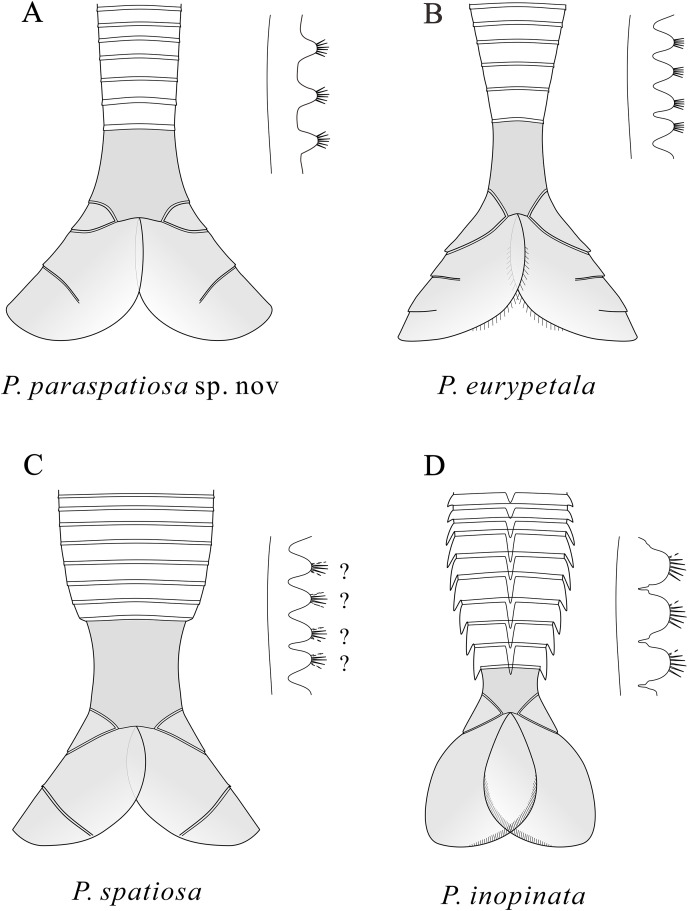 Figure 5
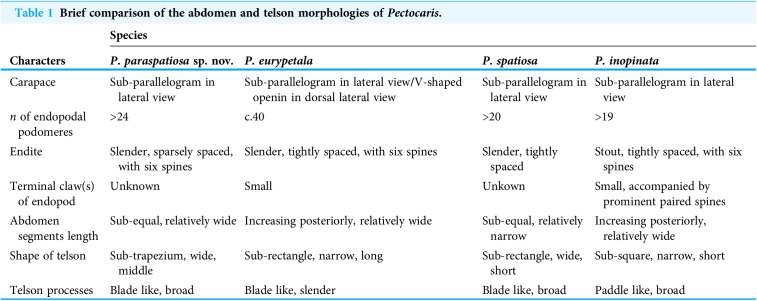 Figure 6
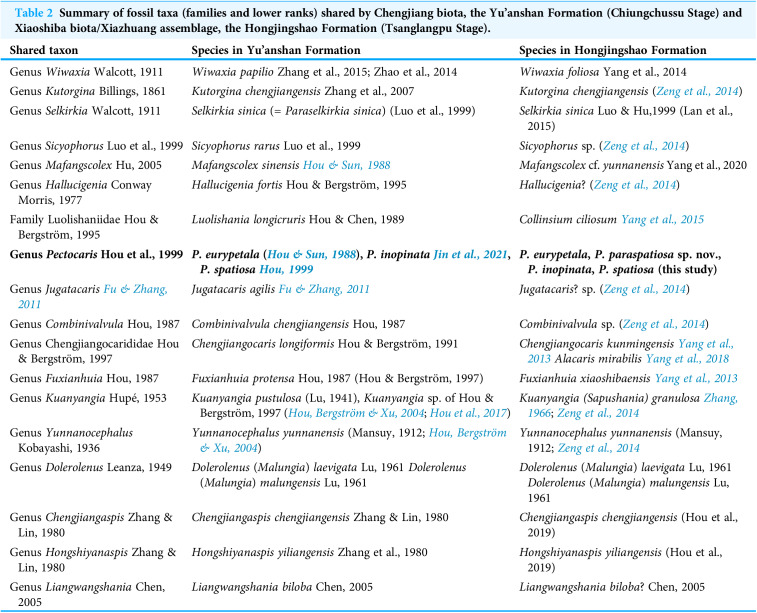 Figure 7
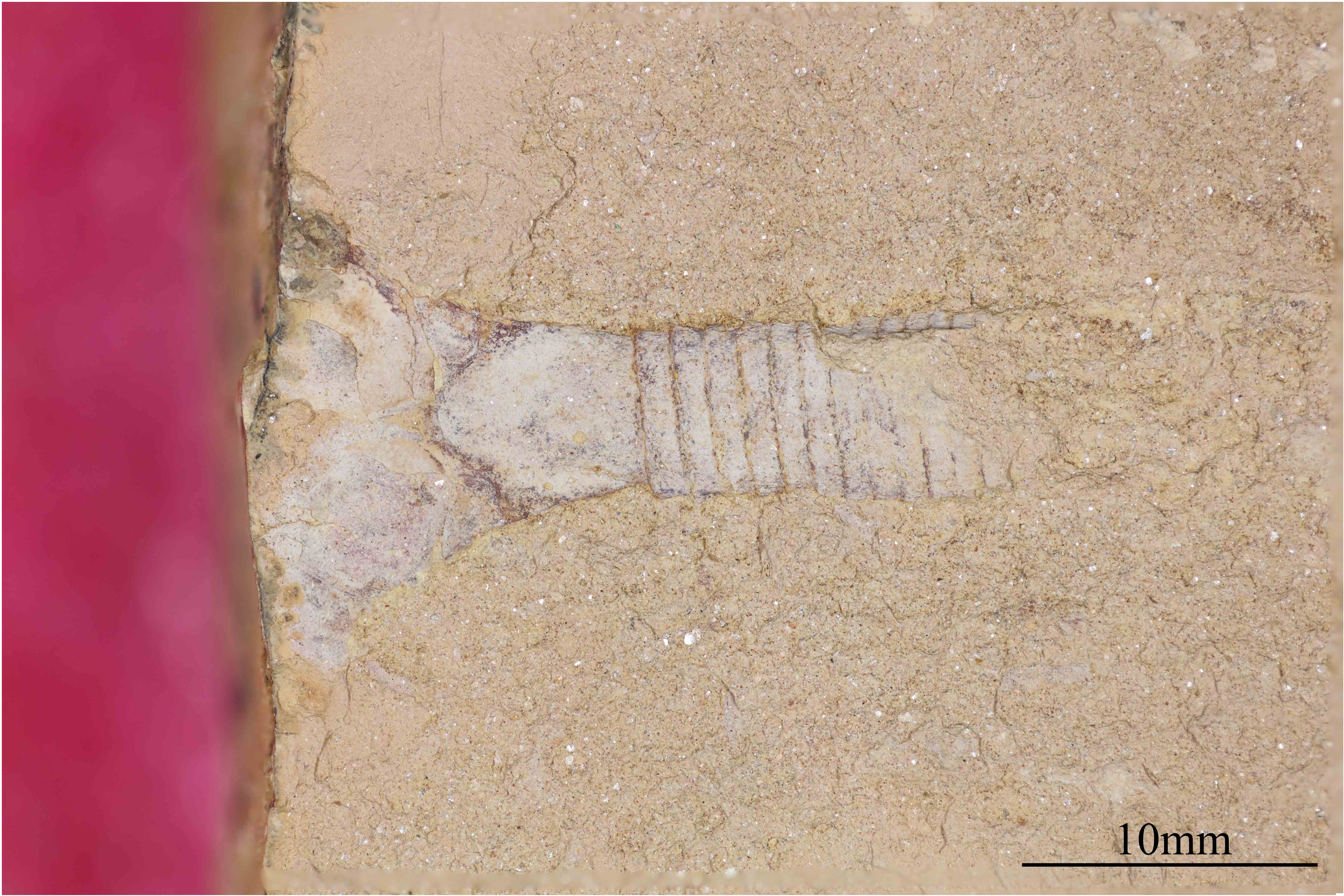 Figure 8
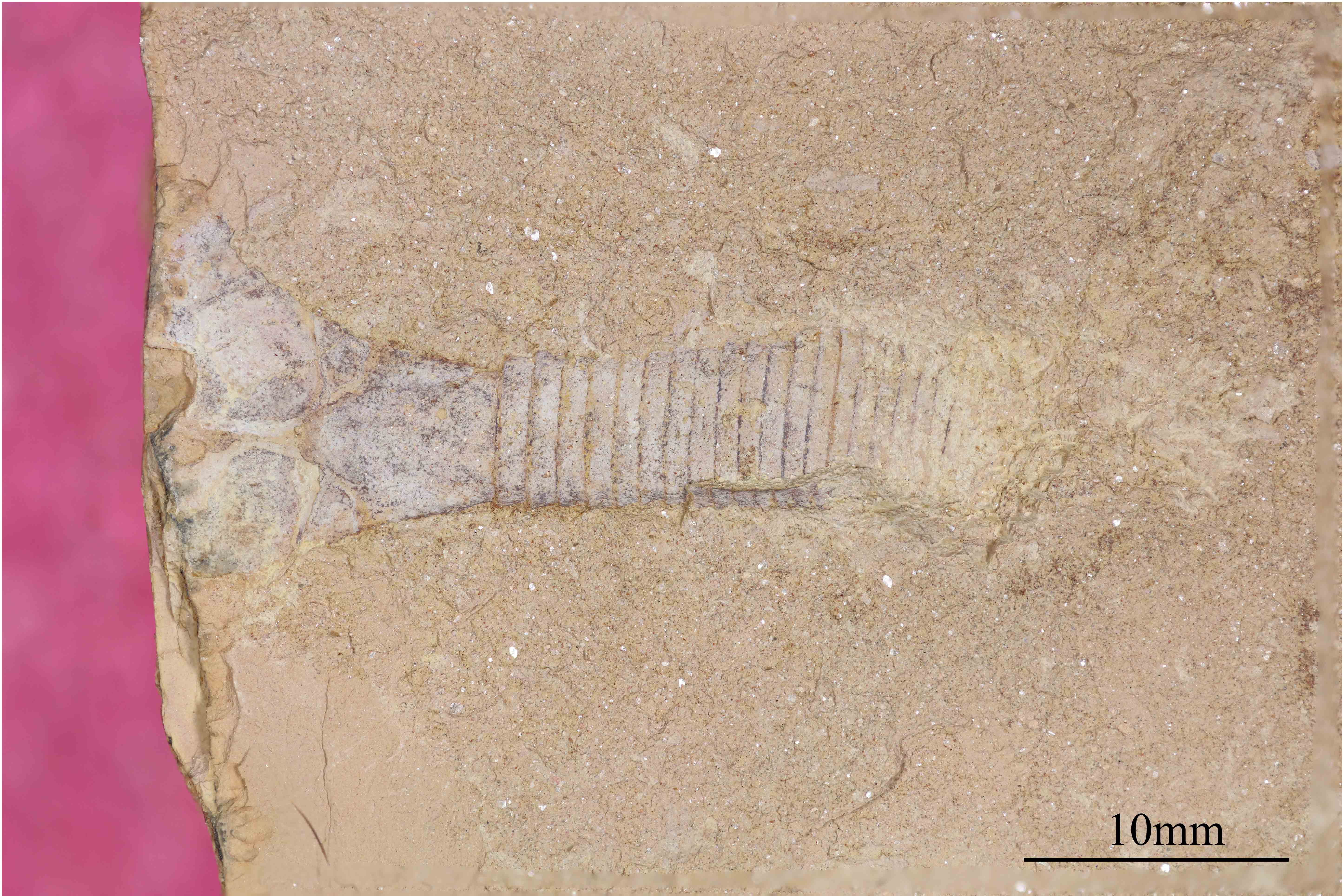 Figure 9
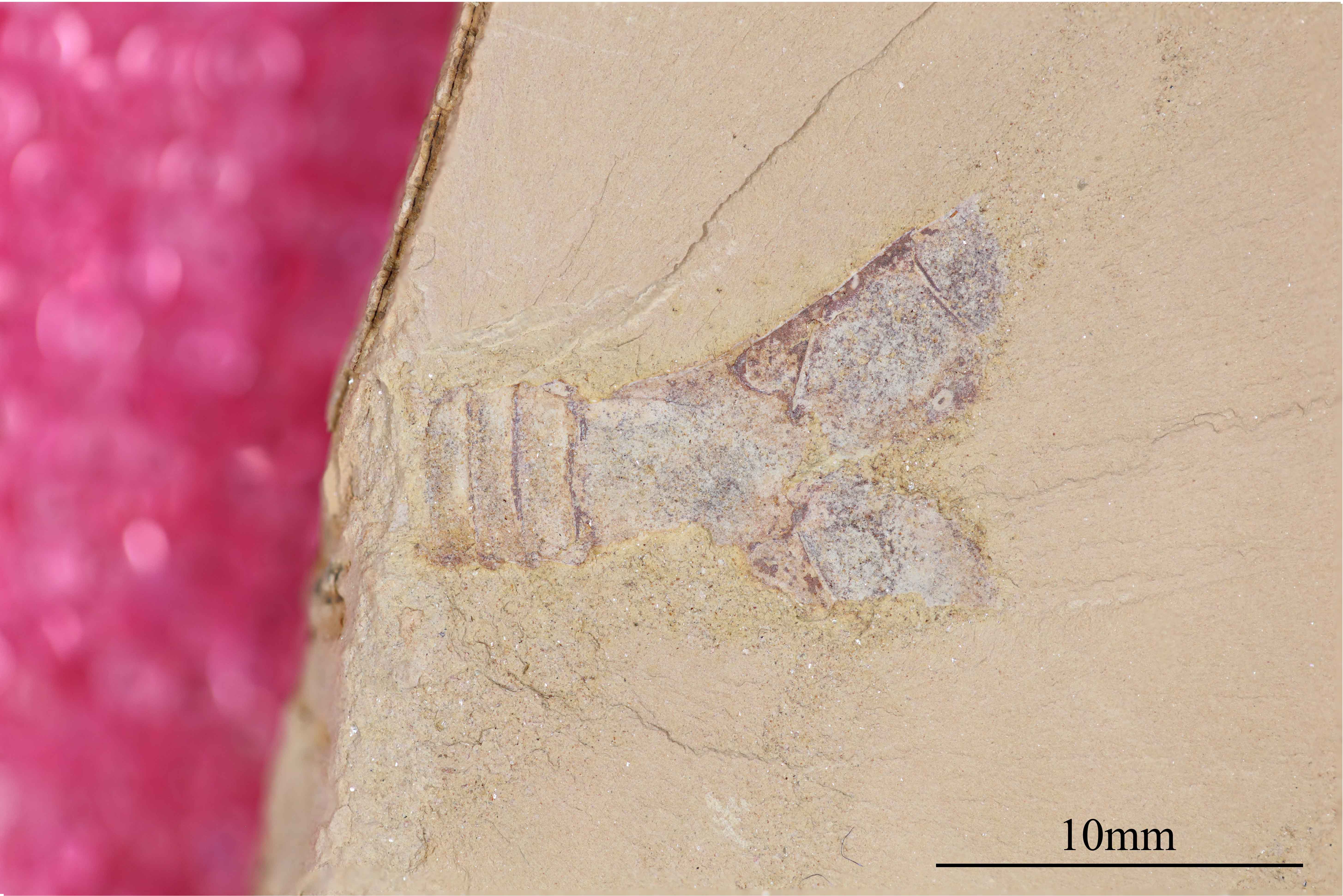 Figure 10
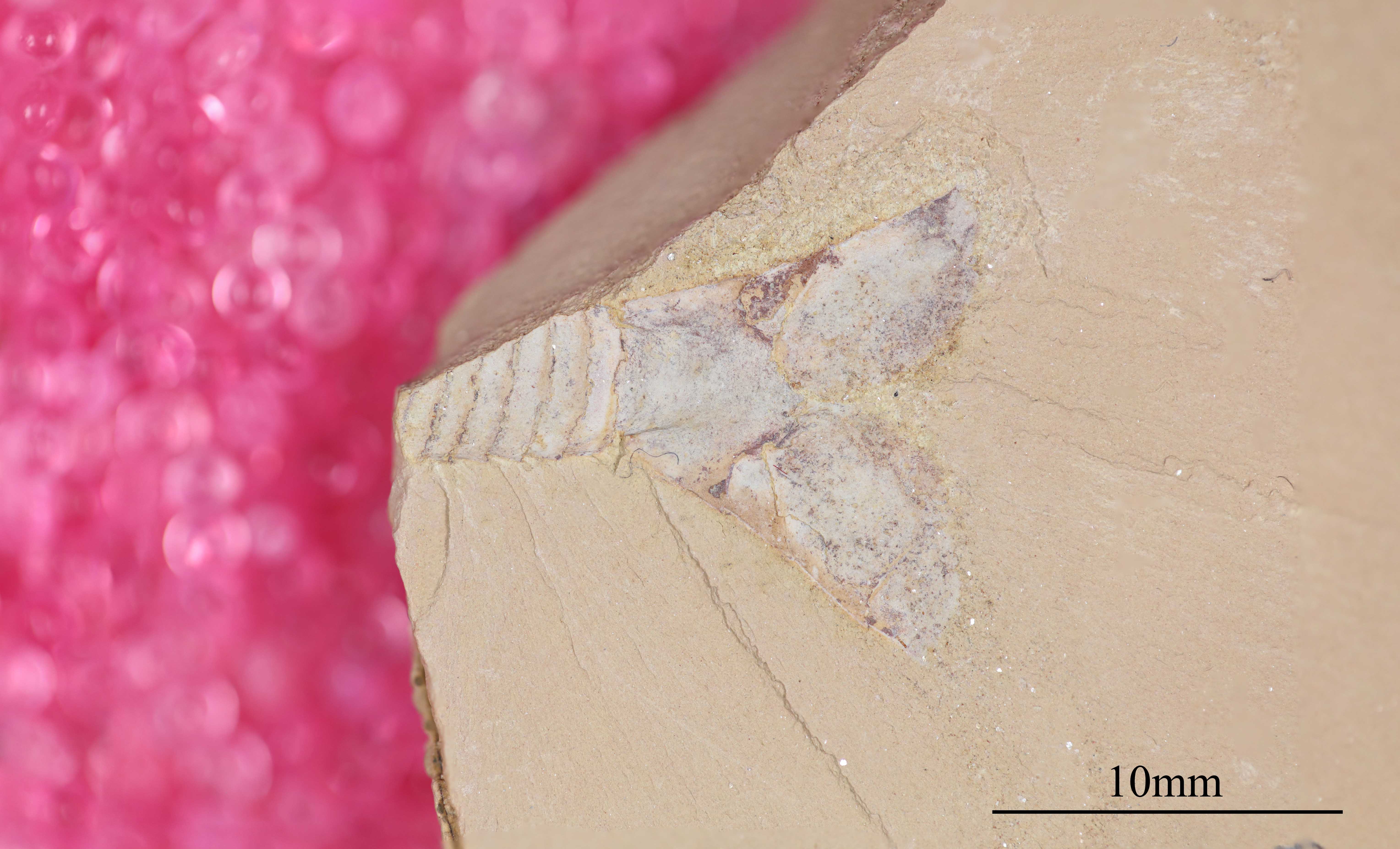 Figure 11
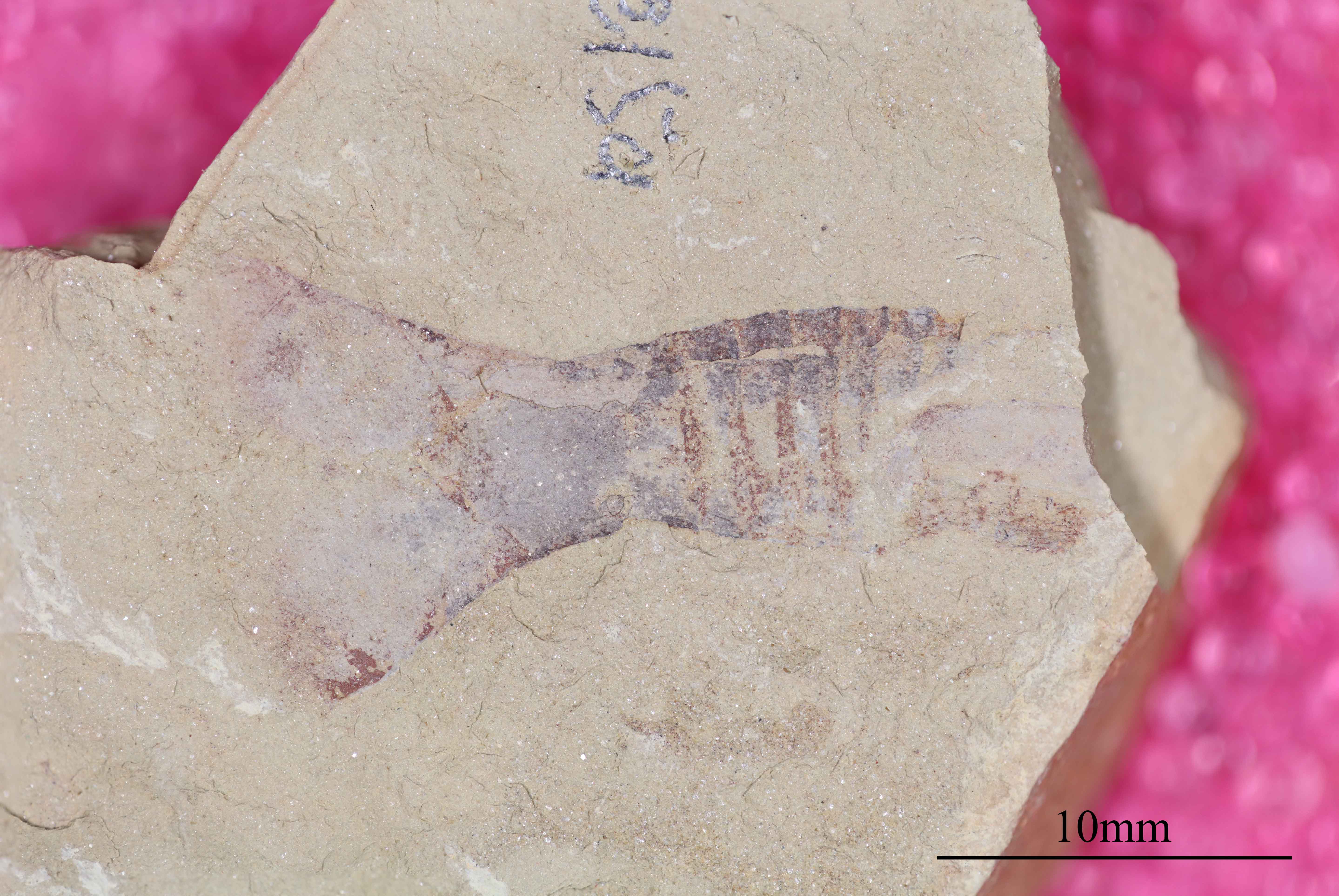 Figure 12
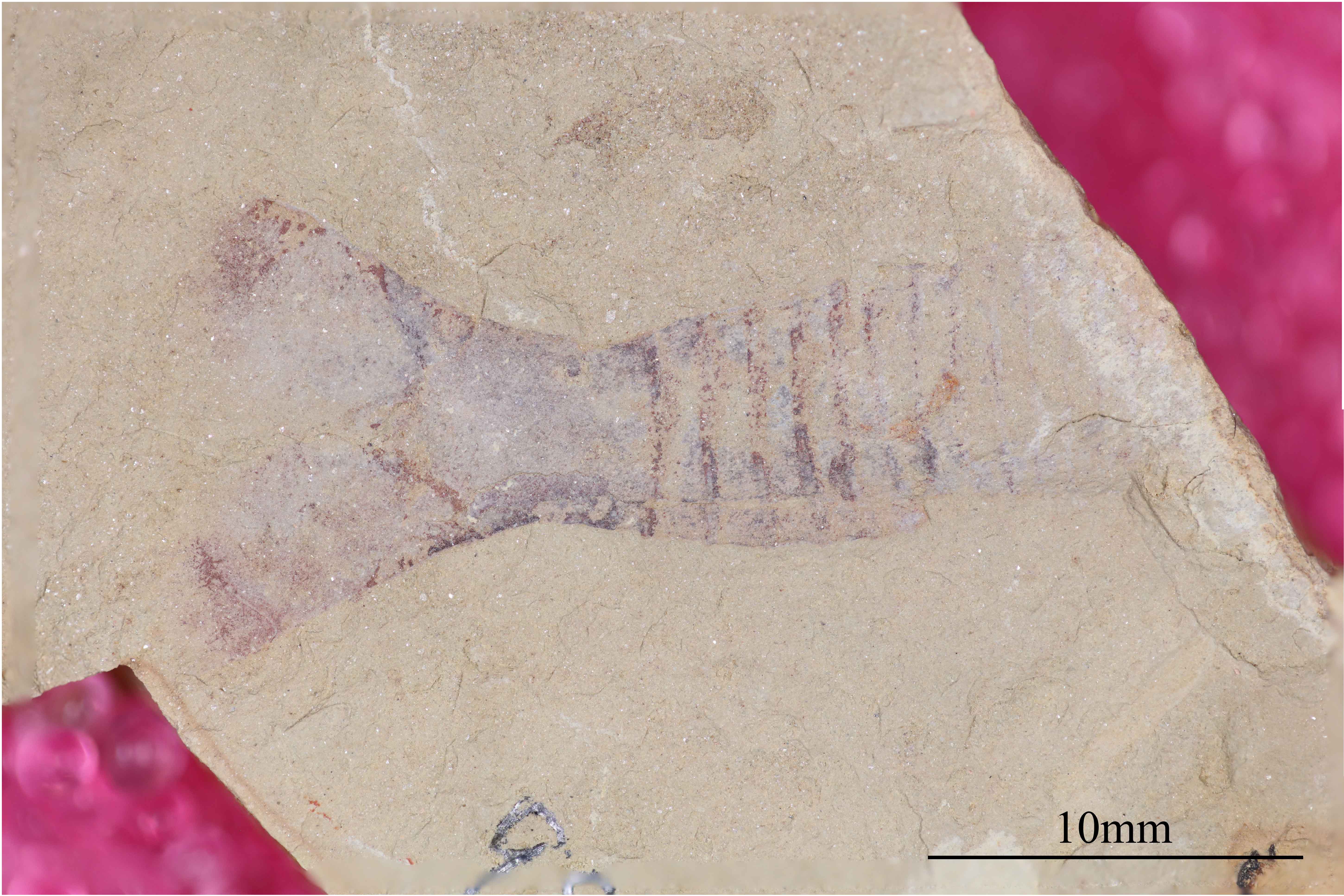 Figure 13
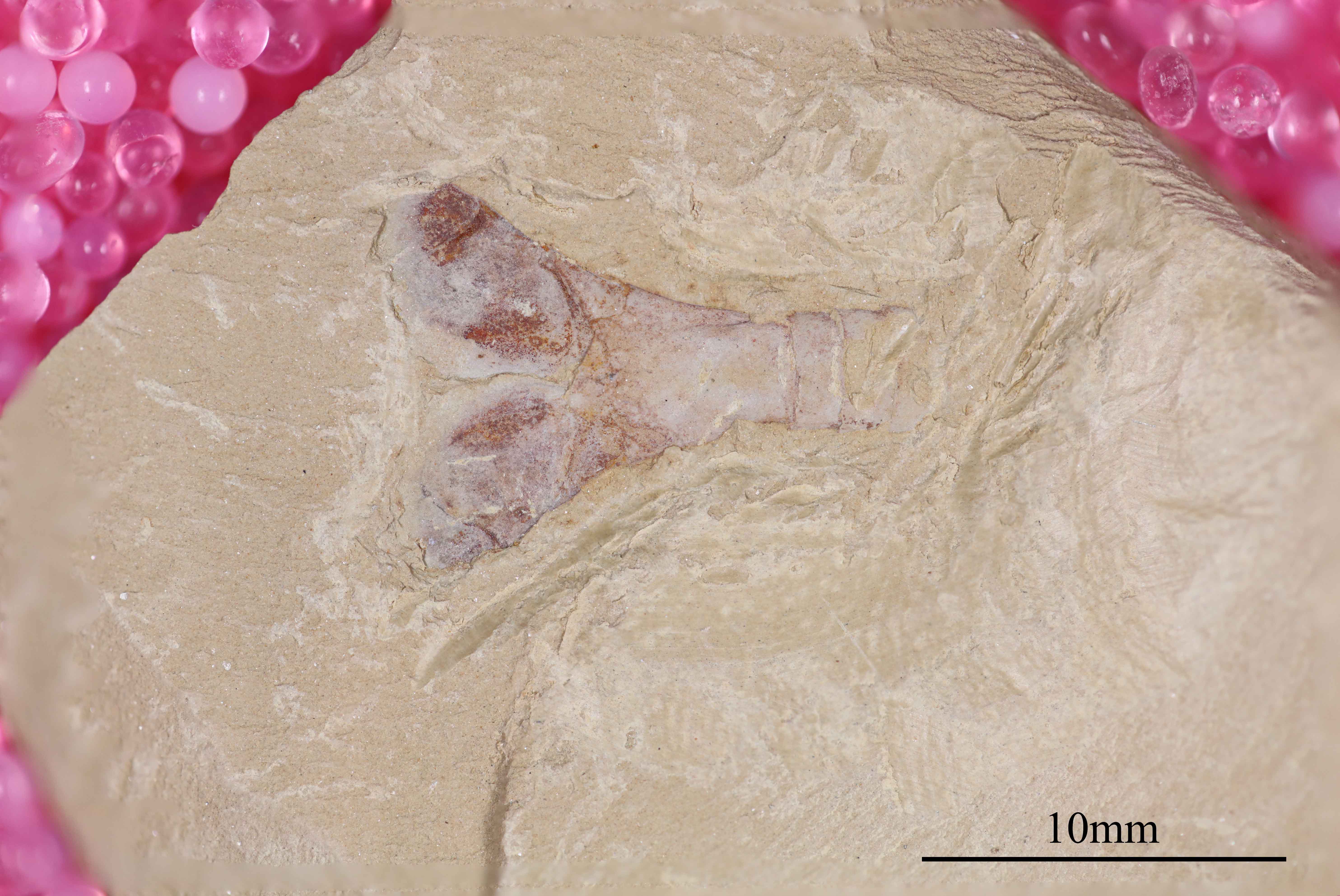 Figure 14
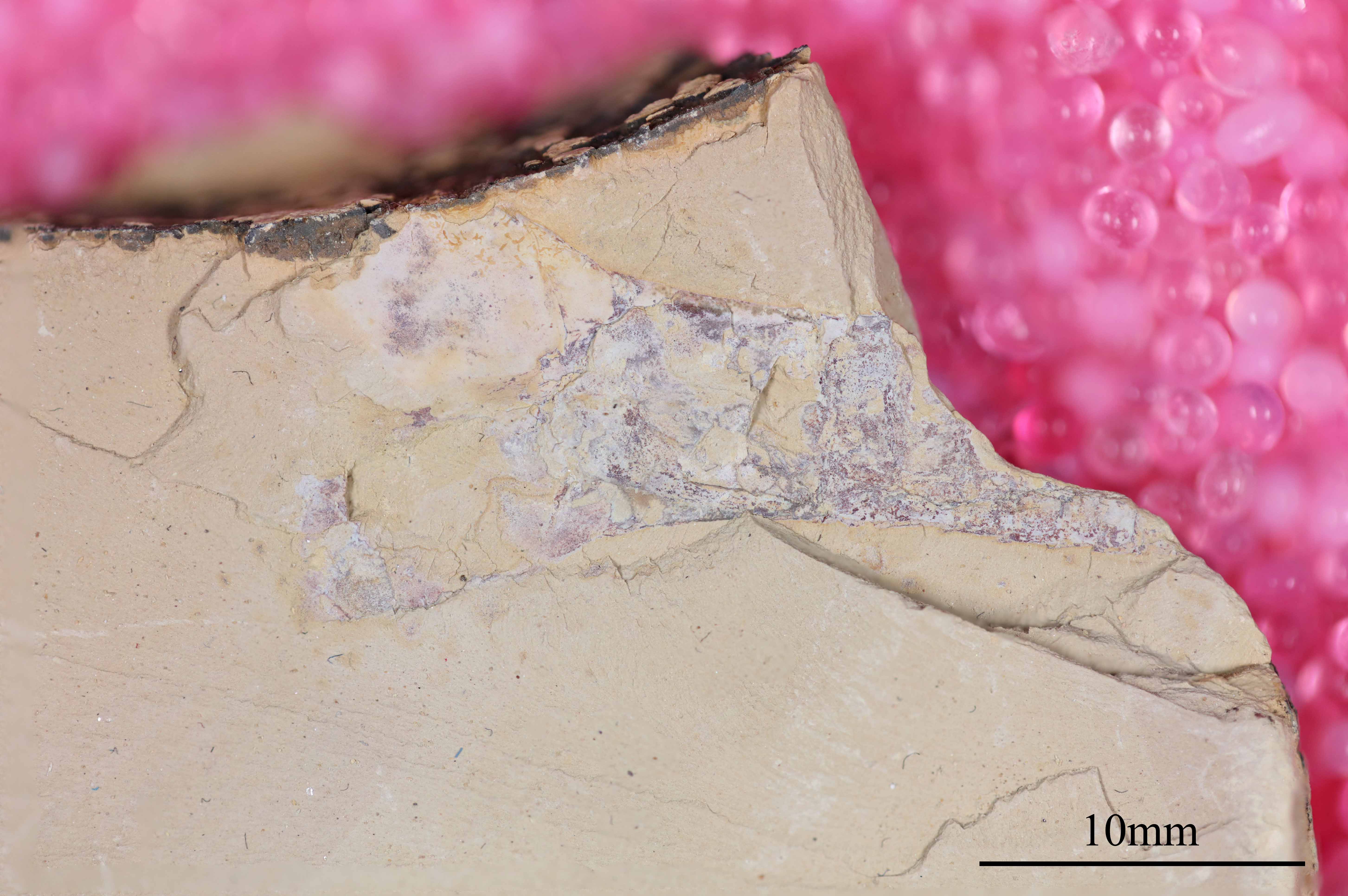 Figure 15
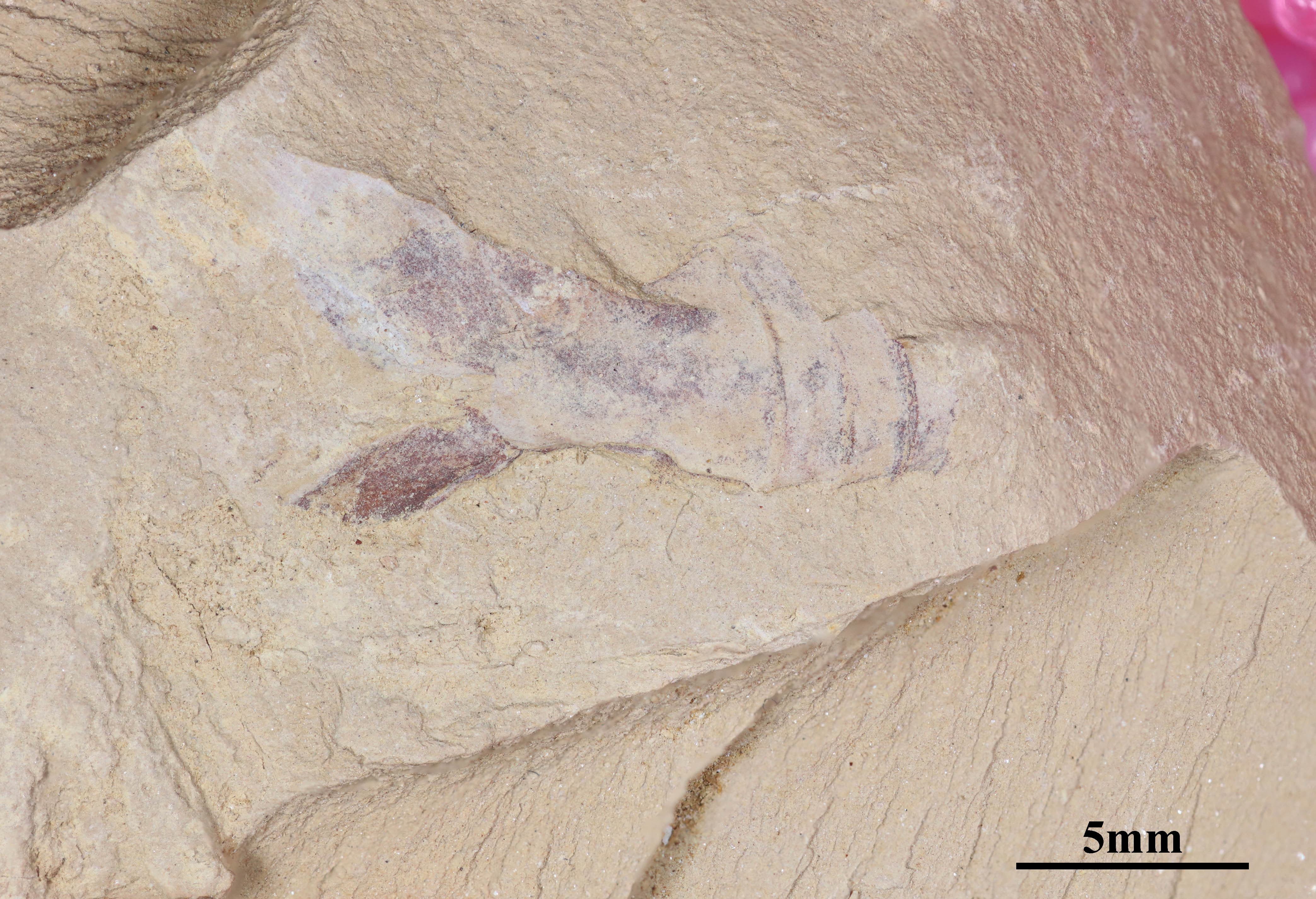 Figure 16
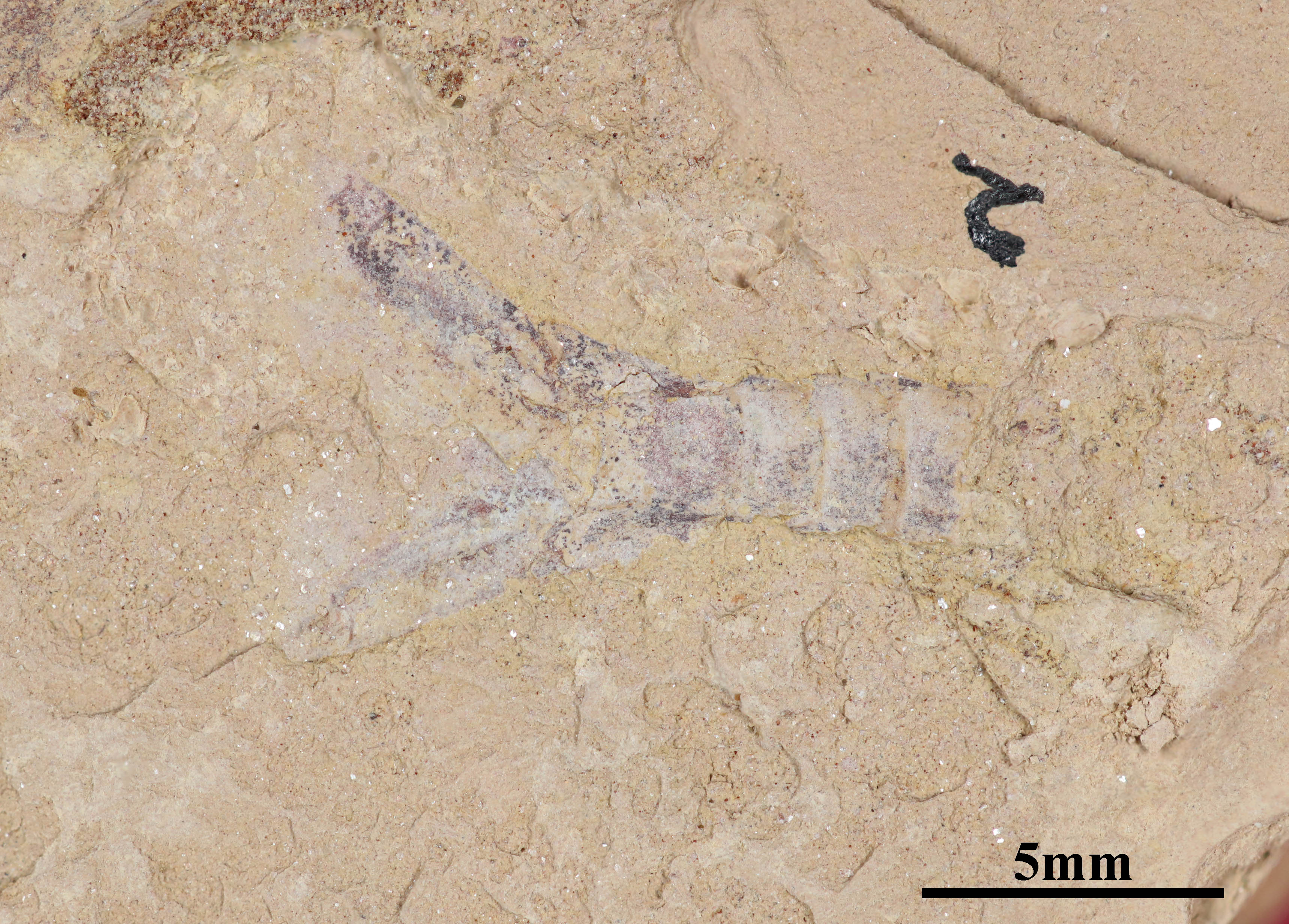 Figure 17
Peer Reviews
No public reviews on file for this paper yet. If you reviewed it on a platform where reviews are public (OpenReview, ICLR, NeurIPS, ICML), you can paste yours below so the community can read it here.
Videos
No videos yet. Explain this paper in a talk, walkthrough, or lecture? Add one.
Taxonomy
TopicsPaleontology and Stratigraphy of Fossils · Evolution and Paleontology Studies · Paleontology and Evolutionary Biology