Exploring an objective measure of overactivity in children with rare genetic syndromes
Rory O’Sullivan, Stacey Bissell, Georgie Agar, Jayne Spiller, Andrew Surtees, Mary Heald, Emma Clarkson, Aamina Khan, Christopher Oliver, Andrew P. Bagshaw, Caroline Richards

TL;DR
This study explores using actigraphy to measure overactivity in children with rare genetic syndromes, finding it can detect syndrome-specific patterns that differ from typical development.
Contribution
This is the first study to assess actigraphy's sensitivity to overactivity in rare genetic syndromes using objective measures and comparisons with typically-developing peers.
Findings
M10 and TAQ overactivity scores were strongly correlated in Angelman and Smith-Magenis syndromes.
Syndrome-specific activity patterns were observed, such as persistent overactivity in Angelman syndrome and brief evening overactivity in tuberous sclerosis complex.
Actigraphy showed sensitivity to overactivity in rare genetic syndromes, offering a more objective alternative to questionnaires.
Abstract
Overactivity is prevalent in several rare genetic neurodevelopmental syndromes, including Smith-Magenis syndrome, Angelman syndrome, and tuberous sclerosis complex, although has been predominantly assessed using questionnaire techniques. Threats to the precision and validity of questionnaire data may undermine existing insights into this behaviour. Previous research indicates objective measures, namely actigraphy, can effectively differentiate non-overactive children from those with attention-deficit hyperactivity disorder. This study is the first to examine the sensitivity of actigraphy to overactivity across rare genetic syndromes associated with intellectual disability, through comparisons with typically-developing peers and questionnaire overactivity estimates. A secondary analysis of actigraphy data and overactivity estimates from The Activity Questionnaire (TAQ) was conducted for…
Genes, proteins, chemicals, diseases, species, mutations and cell lines named across the full text — each resolved to its canonical identifier and authoritative record.
Click any figure to enlarge with its caption.
 Figure 1
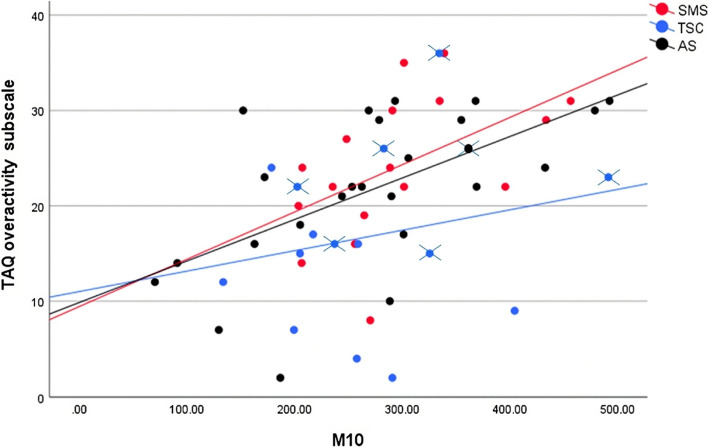 Figure 2
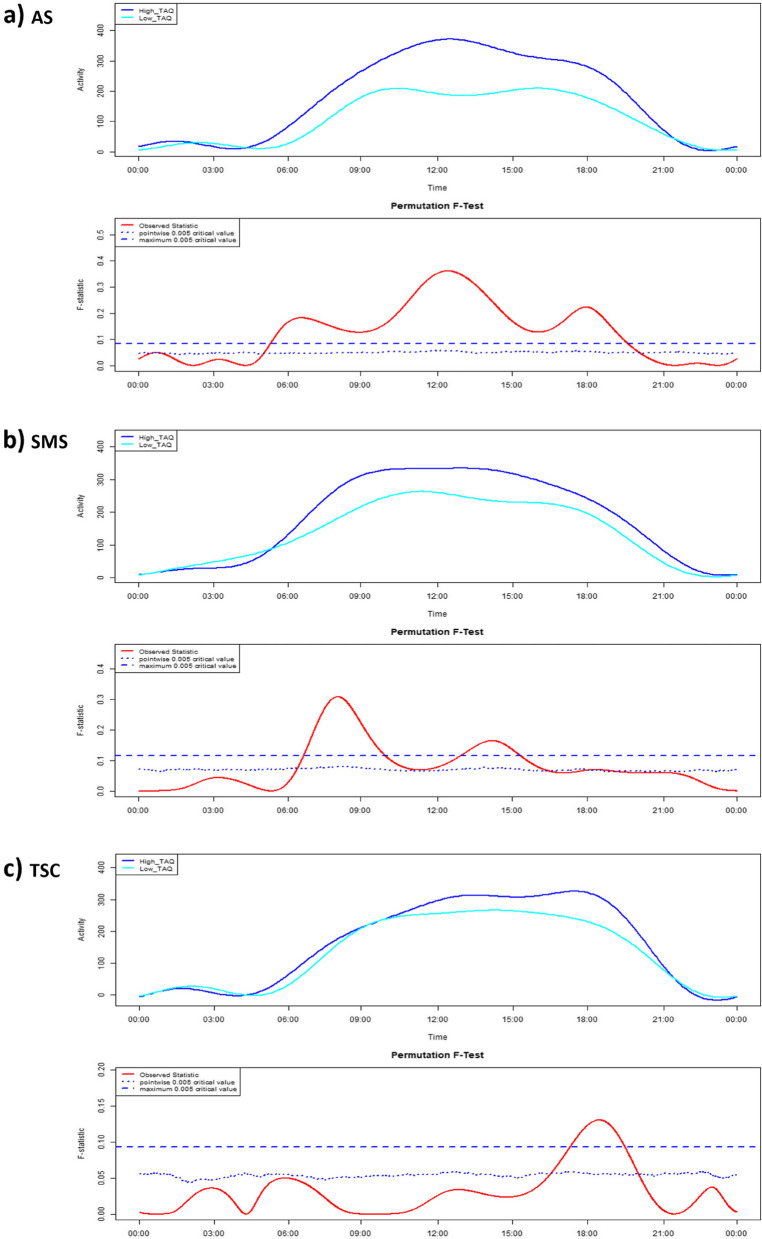 Figure 3
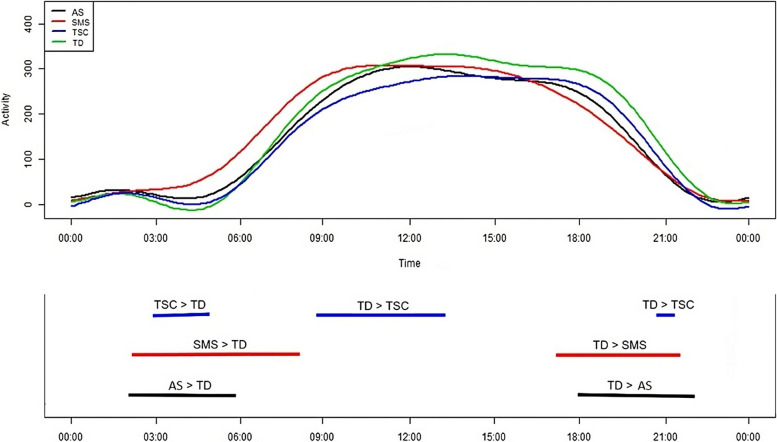 Figure 4
Peer Reviews
No public reviews on file for this paper yet. If you reviewed it on a platform where reviews are public (OpenReview, ICLR, NeurIPS, ICML), you can paste yours below so the community can read it here.
Videos
No videos yet. Explain this paper in a talk, walkthrough, or lecture? Add one.
Taxonomy
TopicsGenetics and Neurodevelopmental Disorders · Autism Spectrum Disorder Research · Child Nutrition and Feeding Issues