Neural correlates of recalled sadness, joy, and fear states: a source reconstruction EEG study
Alice Mado Proverbio, Federico Cesati

TL;DR
This study uses EEG to identify brain activity patterns linked to recalled emotions like sadness, fear, and joy, which could help people who cannot express their feelings.
Contribution
The study demonstrates the feasibility of detecting and classifying emotional states using non-invasive EEG source reconstruction.
Findings
Common and distinct brain regions were identified for sadness, fear, and joy during emotional recall.
Right temporal and left superior frontal areas were more active during sadness, left limbic for fear, and right orbitofrontal for joy.
The findings suggest potential for using EEG in brain-computer interfaces to identify emotional states in locked-in syndrome patients.
Abstract
The capacity to understand the others’ emotional states, particularly if negative (e.g. sadness or fear), underpins the empathic and social brain. Patients who cannot express their emotional states experience social isolation and loneliness, exacerbating distress. We investigated the feasibility of detecting non-invasive scalp-recorded electrophysiological signals that correspond to recalled emotional states of sadness, fear, and joy for potential classification. The neural activation patterns of 20 healthy and right-handed participants were studied using an electrophysiological technique. Analyses were focused on the N400 component of Event-related potentials (ERPs) recorded during silent recall of subjective emotional states; Standardized weighted Low-resolution Electro-magnetic Tomography (swLORETA) was employed for source reconstruction. The study classified individual patterns of…
Genes, proteins, chemicals, diseases, species, mutations and cell lines named across the full text — each resolved to its canonical identifier and authoritative record.
Click any figure to enlarge with its caption.
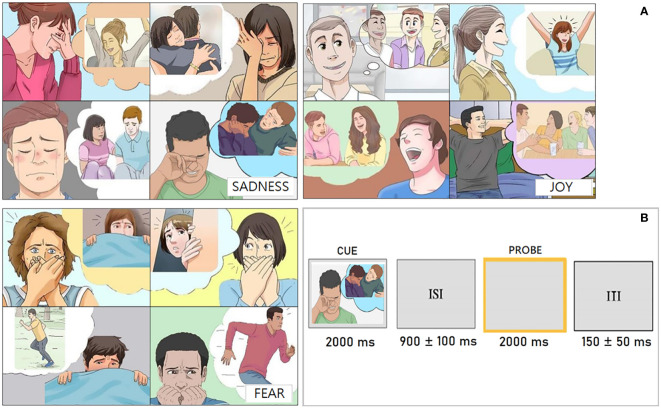 Figure 1
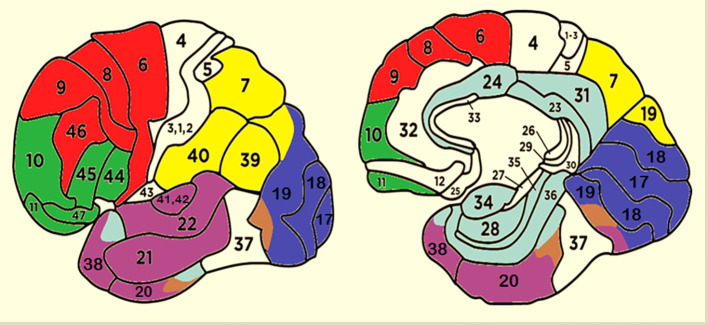 Figure 2
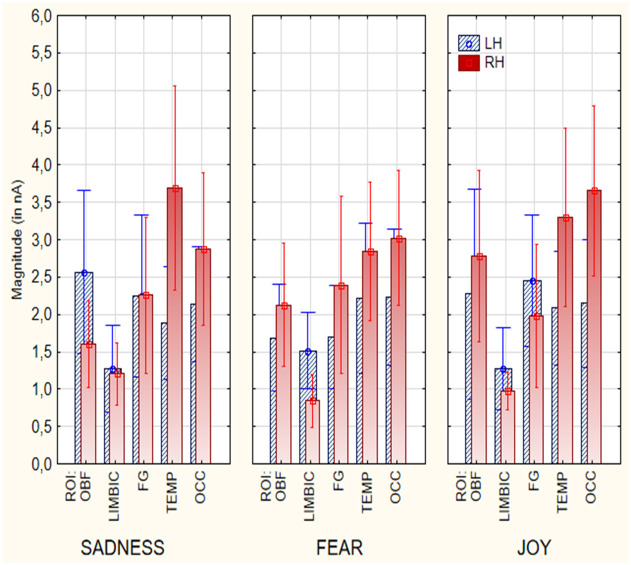 Figure 3
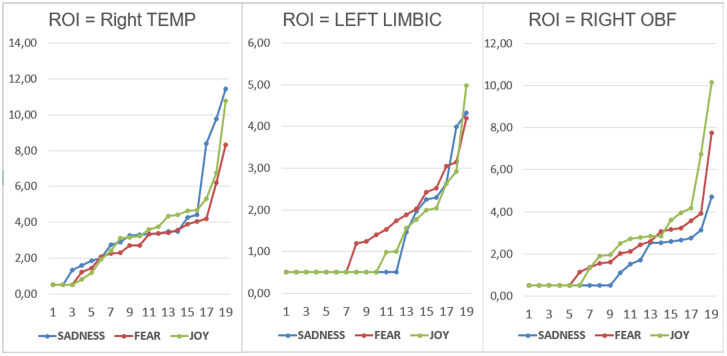 Figure 4
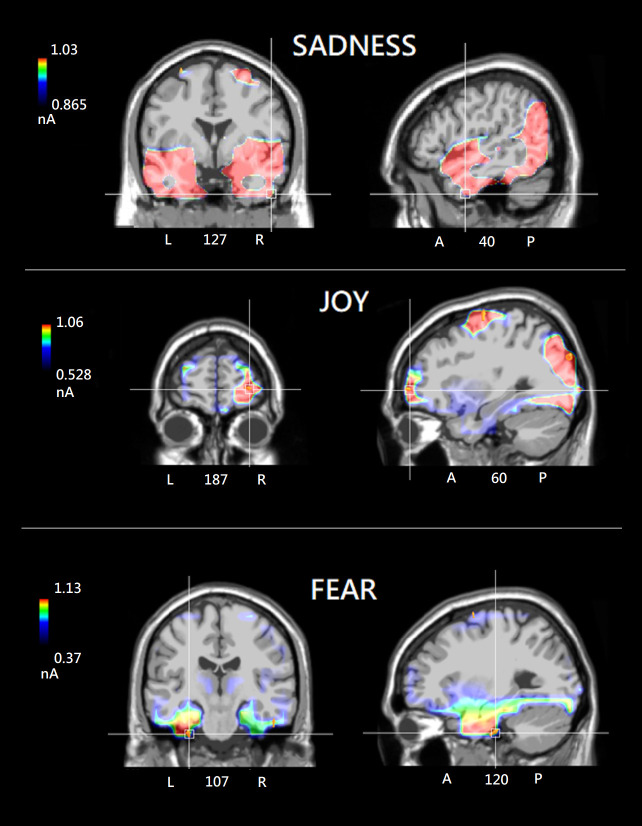 Figure 5
Peer Reviews
No public reviews on file for this paper yet. If you reviewed it on a platform where reviews are public (OpenReview, ICLR, NeurIPS, ICML), you can paste yours below so the community can read it here.
Videos
No videos yet. Explain this paper in a talk, walkthrough, or lecture? Add one.
Taxonomy
TopicsHistorical, Literary, and Cultural Studies · German Literature and Culture Studies