Differential Susceptibility to Propofol and Ketamine in Primary Cultures of Young and Senesced Astrocytes
Liang Huang, Ferit Tuzer, Abigail Murtha, Michael Green, Claudio Torres, Henry Liu, Shadi Malaeb

TL;DR
This study shows that propofol harms young astrocytes more than ketamine, which could affect brain health in children and older adults.
Contribution
The study reveals differential susceptibility of young and senescent astrocytes to propofol and ketamine.
Findings
Propofol significantly reduces survival and viability of young astrocytes at both high and low doses.
Senescent astrocytes show reduced cell counts when exposed to propofol or DMSO compared to controls.
Ketamine appears to have a more favorable safety profile for astrocyte survival than propofol.
Abstract
The adverse effects of general anesthesia on the long-term cognition of young children and senior adults have become of concern in recent years. Previously, mechanistic and pathogenic investigations focused on neurons, and little is known about the effect of commonly used intravenous anesthetics such as propofol and ketamine on astrocytes. Recently, astrocyte dysfunction has been implicated in a wide range of age-related brain diseases. In this study, we examined the survival and viability of both young and senescent astrocytes in culture after adding propofol and ketamine to the media at varying strengths. Oxidative stimulus was applied to commercially available fetal cell lines of human astrocytes in vitro to induce morphological changes in cellular senescence. Our results indicate that propofol reduces the survival of young astrocytes as compared to controls, as well as to ketamine.…
Genes, proteins, chemicals, diseases, species, mutations and cell lines named across the full text — each resolved to its canonical identifier and authoritative record.
Click any figure to enlarge with its caption.
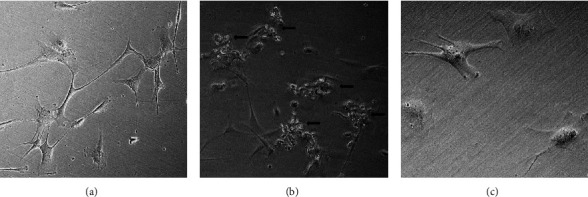 Figure 1
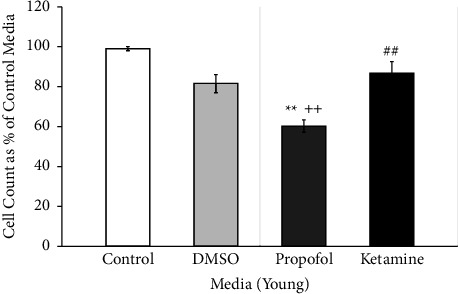 Figure 2
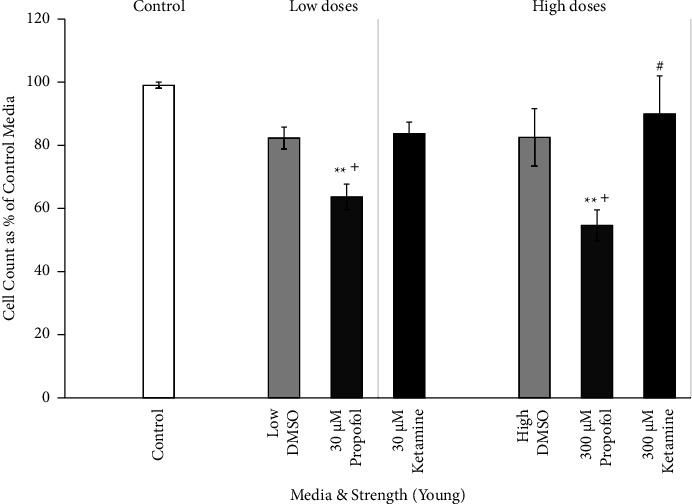 Figure 3
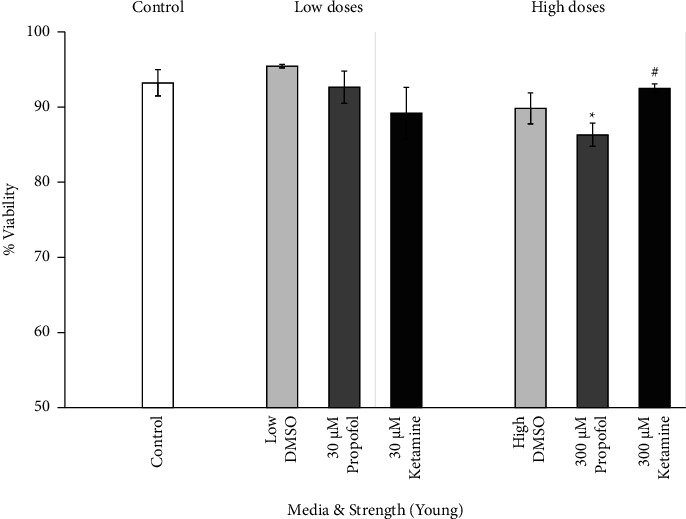 Figure 4
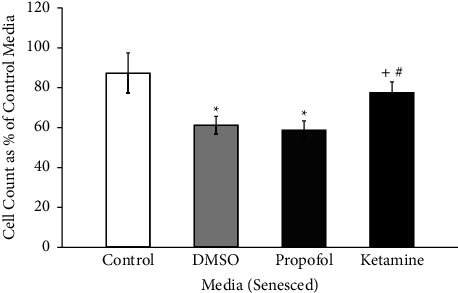 Figure 5
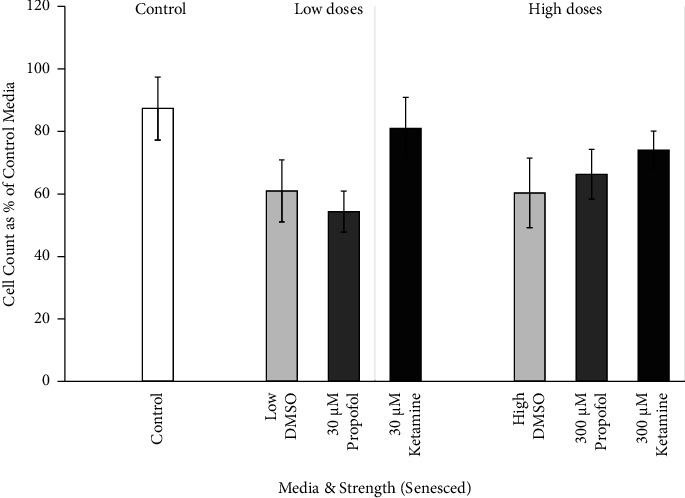 Figure 6
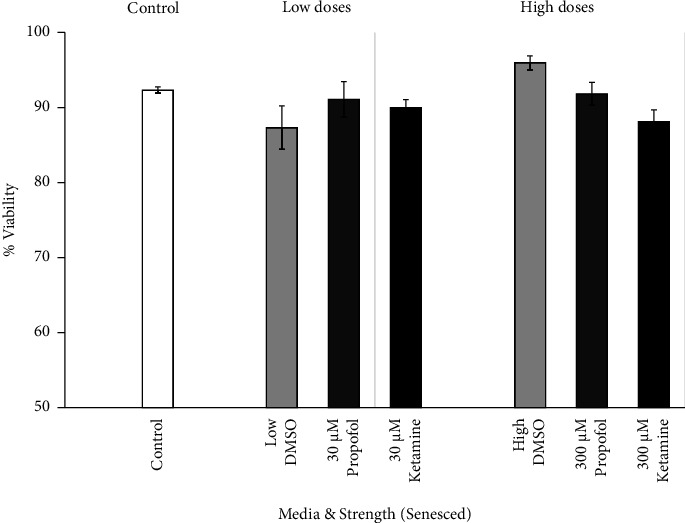 Figure 7
Peer Reviews
No public reviews on file for this paper yet. If you reviewed it on a platform where reviews are public (OpenReview, ICLR, NeurIPS, ICML), you can paste yours below so the community can read it here.
Videos
No videos yet. Explain this paper in a talk, walkthrough, or lecture? Add one.
Taxonomy
TopicsAnesthesia and Neurotoxicity Research · Intensive Care Unit Cognitive Disorders · Anesthesia and Sedative Agents