Implementation of an epicardial implantable MEMS sensor for continuous and real-time postoperative assessment of left ventricular activity in adult minipigs over a short- and long-term period
C. Zinno, F. Agnesi, G. D'Alesio, A. Dushpanova, L. Brogi, D. Camboni, F. Bernini, D. Terlizzi, V. Casieri, K. Gabisonia, L. Alibrandi, C. Grigoratos, J. Magomajew, G. D. Aquaro, S. Schmitt, P. Detemple, C. M. Oddo, V. Lionetti, S. Micera

TL;DR
A new MEMS sensor was implanted on the heart of minipigs to continuously monitor left ventricular activity, showing promising results for post-surgery cardiac monitoring.
Contribution
A novel epicardial MEMS sensor was developed and tested for real-time and long-term monitoring of left ventricular activity in minipigs.
Findings
The MEMS sensor achieved heart rate computation with a root mean square error below 2 BPM in both acute and chronic scenarios.
The sensor recorded cardiac activity during systole and diastole phases and produced waveforms similar to intraventricular catheter signals.
Histological analysis showed no myocardial fibrosis at the implantation site after sensor retrieval.
Abstract
The sensing of left ventricular (LV) activity is fundamental in the diagnosis and monitoring of cardiovascular health in high-risk patients after cardiac surgery to achieve better short- and long-term outcome. Conventional approaches rely on noninvasive measurements even if, in the latest years, invasive microelectromechanical systems (MEMS) sensors have emerged as a valuable approach for precise and continuous monitoring of cardiac activity. The main challenges in designing cardiac MEMS sensors are represented by miniaturization, biocompatibility, and long-term stability. Here, we present a MEMS piezoresistive cardiac sensor capable of continuous monitoring of LV activity over time following epicardial implantation with a pericardial patch graft in adult minipigs. In acute and chronic scenarios, the sensor was able to compute heart rate with a root mean square error lower than 2 BPM.…
Genes, proteins, chemicals, diseases, species, mutations and cell lines named across the full text — each resolved to its canonical identifier and authoritative record.
Click any figure to enlarge with its caption.
 Figure 1
 Figure 2
 Figure 3
 Figure 4
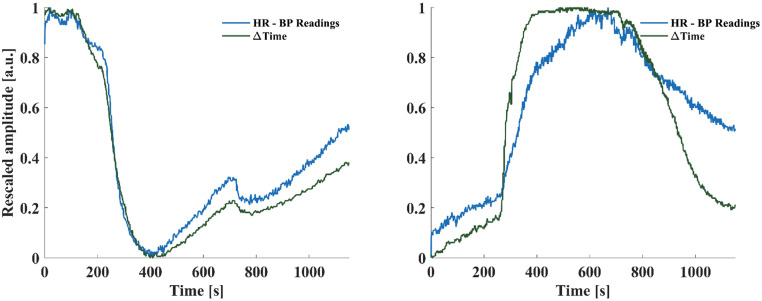 Figure 5
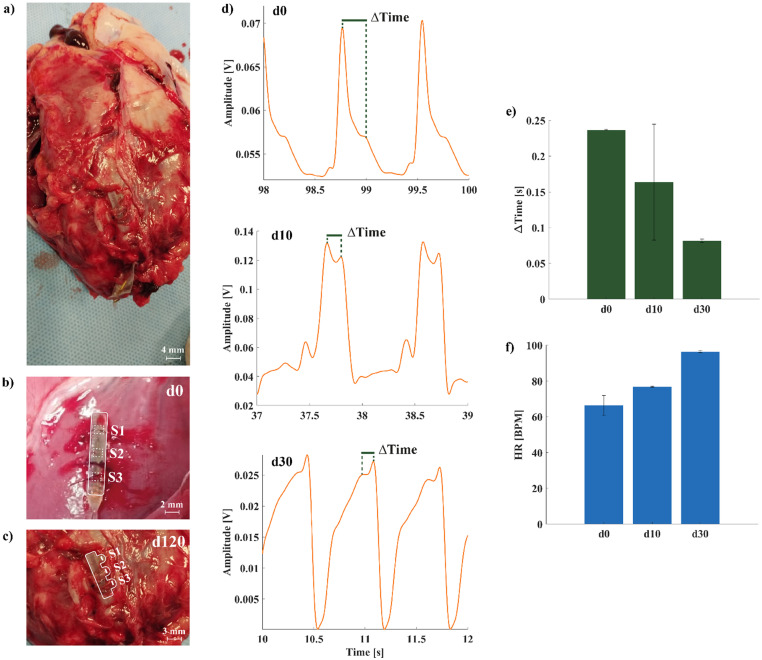 Figure 6
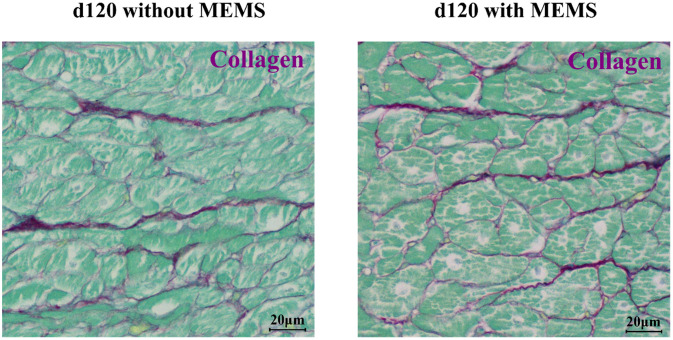 Figure 7
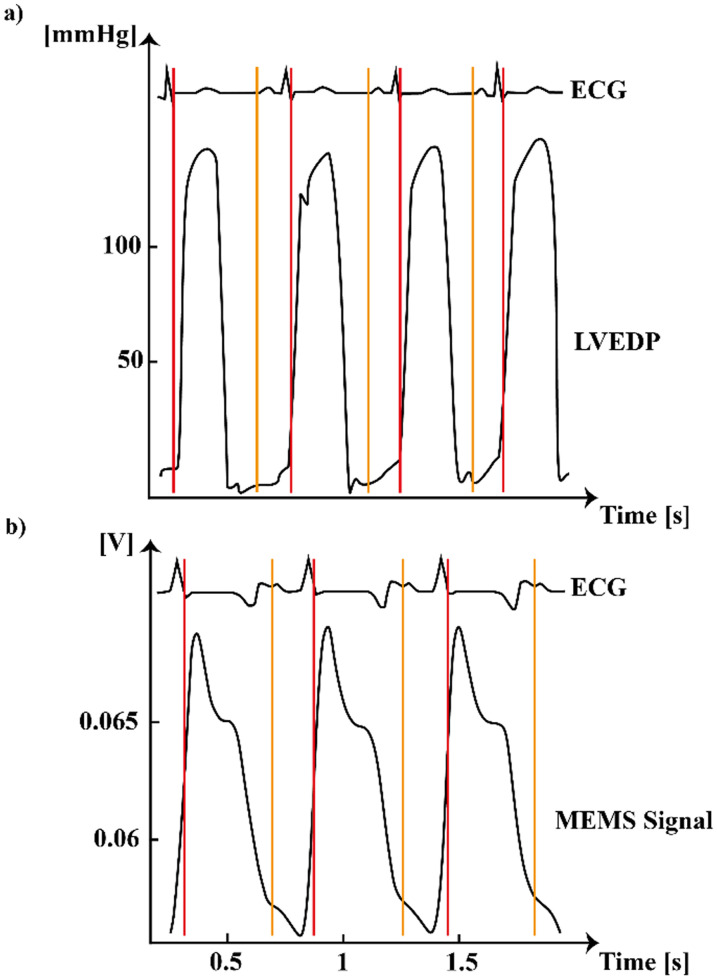 Figure 8
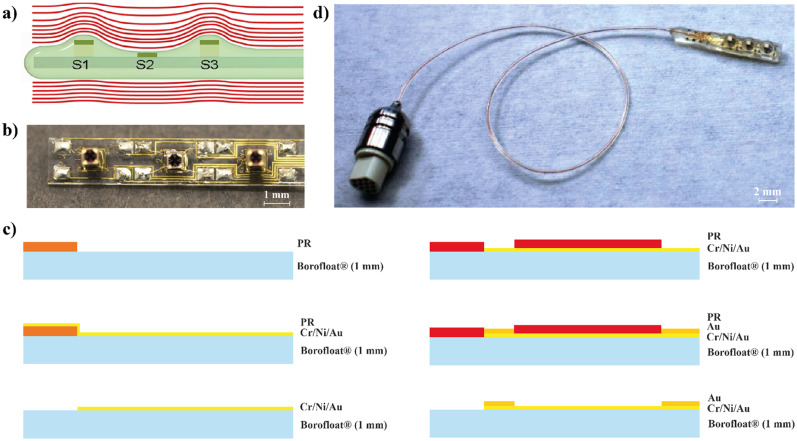 Figure 9
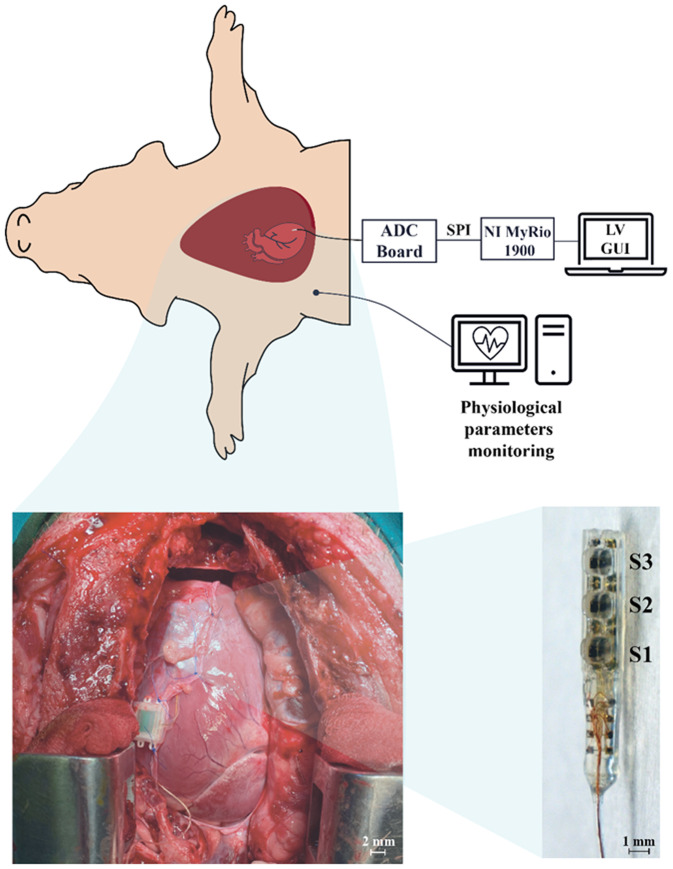 Figure 10
Peer Reviews
No public reviews on file for this paper yet. If you reviewed it on a platform where reviews are public (OpenReview, ICLR, NeurIPS, ICML), you can paste yours below so the community can read it here.
Videos
No videos yet. Explain this paper in a talk, walkthrough, or lecture? Add one.
Taxonomy
TopicsAdvanced Sensor and Energy Harvesting Materials · Cardiac electrophysiology and arrhythmias · Non-Invasive Vital Sign Monitoring