Corrigendum: The oxidative aging model integrated various risk factors in type 2 diabetes mellitus at system level
Yao Chen, Lilin Yao, Shuheng Zhao, Mengchu Xu, Siwei Ren, Lu Xie, Lei Liu, Yin Wang

Abstract
Genes, proteins, chemicals, diseases, species, mutations and cell lines named across the full text — each resolved to its canonical identifier and authoritative record.
Click any figure to enlarge with its caption.
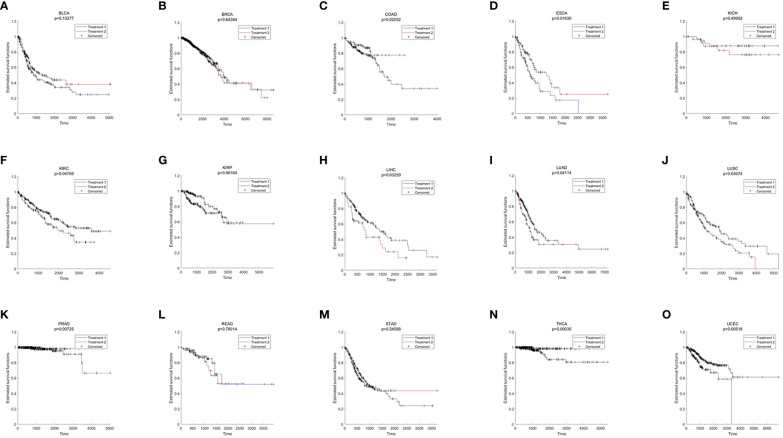 Figure 1
- —National Natural Science Foundation of China 10.13039/501100001809
Peer Reviews
No public reviews on file for this paper yet. If you reviewed it on a platform where reviews are public (OpenReview, ICLR, NeurIPS, ICML), you can paste yours below so the community can read it here.
Videos
No videos yet. Explain this paper in a talk, walkthrough, or lecture? Add one.
Taxonomy
TopicsAdvanced Glycation End Products research · Neurological Disease Mechanisms and Treatments · Natural Antidiabetic Agents Studies
In the published article, there was an error in Figure 4 as published. The censored samples were missed in the previous version, herein they have been added. The corrected Figure 4 and its caption appear below.
In the published article, there was an error, which was related to Figure 4.
A correction has been made to “Result 2.6”, Pan-cancer Analysis Further Verified the Mechanism of Oxidative aging in T2DM, Paragraph 1. This sentence previously stated:
“There were 9 out of 15 cancer types with significant results (including BLCA, COAD, KIRC, KIRP, LUSC, PRAD, READ, THCA and UCEC, shown in Figure 4).”
The corrected sentence appears below:
“There were 9 out of 15 cancer types with significant results (including COAD, ESCA, KIRC, LIHC, LUAD, LUSC, PRAD, THCA and UCEC, shown in Figure 4).”
The authors apologize for this error and state that this does not change the scientific conclusions of the article in any way. The original article has been updated.