Exploring the impact of pandemic fear on visitation to park attractions in urban city: A case study in Seoul, South Korea
Yunwon Choi

TL;DR
This study examines how fear of the pandemic affected park visits in Seoul, finding that higher fear led to more park visits and fewer visits to other public spaces.
Contribution
The study introduces a novel analysis of pandemic fear's direct impact on public space usage, specifically in urban parks.
Findings
Increased pandemic fear led to more positive sentiments toward parks.
Higher fear resulted in increased park visits and reduced visits to other public spaces.
Structural equation modeling confirmed the relationship between fear and park utilization.
Abstract
This research explores changes in perceptions and utilization of parks during the COVID-19 pandemic in Seoul, South Korea. It investigates the relationship between fear of the pandemic and individuals’ opinions about open spaces and their visiting decisions. The study surveyed 600 adults from February 22–23, 2022, and used structural equation modeling to analyze the data. The findings revealed that increased fear of the pandemic led to more positive park sentiments, resulting in higher park visits and fewer visits to other public spaces. The research highlights the significance of parks during the COVID-19 pandemic and how people’s perceptions were influenced by their pandemic-related fear.
Genes, proteins, chemicals, diseases, species, mutations and cell lines named across the full text — each resolved to its canonical identifier and authoritative record.
Click any figure to enlarge with its caption.
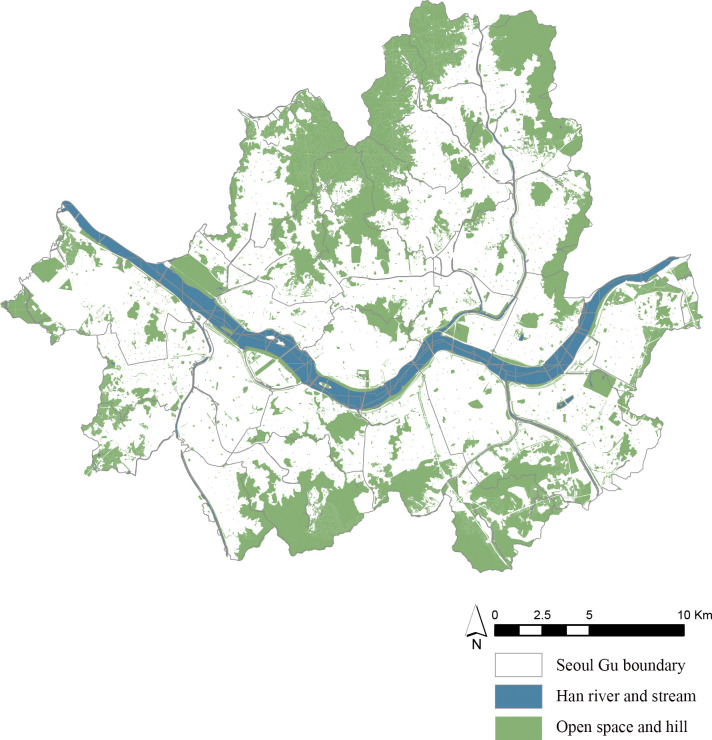 Fig 1
Fig 1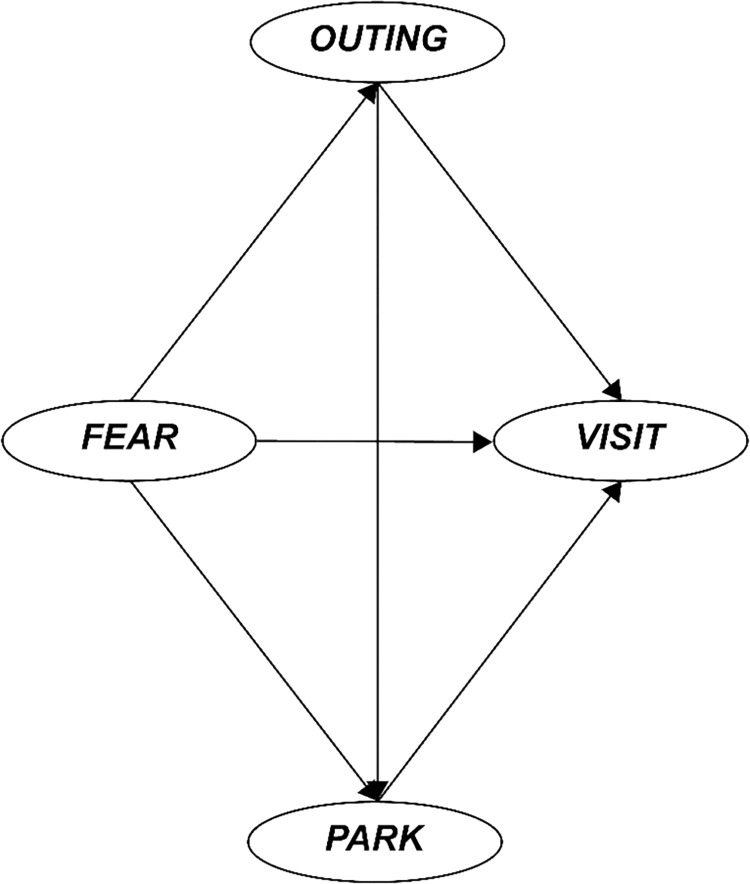 Fig 2
Fig 2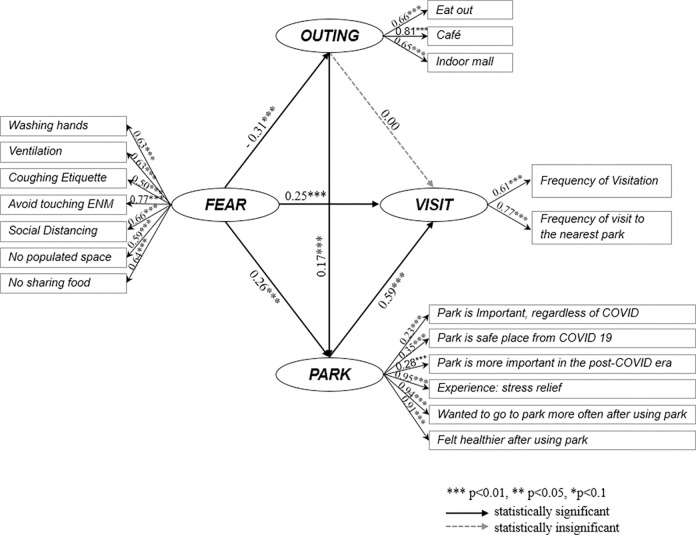 Fig 3
Fig 3- —http://dx.doi.org/10.13039/501100014188Ministry of Science and ICT, South Korea
Peer Reviews
No public reviews on file for this paper yet. If you reviewed it on a platform where reviews are public (OpenReview, ICLR, NeurIPS, ICML), you can paste yours below so the community can read it here.
Videos
No videos yet. Explain this paper in a talk, walkthrough, or lecture? Add one.
Taxonomy
TopicsUrban Green Space and Health · Place Attachment and Urban Studies · Land Use and Ecosystem Services
1. Introduction
The COVID-19 pandemic was initially detected in 2019 and spread across continents in 2020. As of October 2023, more than 697 million cases, along with approximately 6.9 million deaths, had been reported [1]. The pandemic has presented a range of health and medical challenges, including preventing virus transmission, which placed immense strain on healthcare systems and hospitals [2]. COVID-19 also gave rise to other problems, such as social isolation, mental health concerns, economic hardships, educational gaps, and the disruption of communities and societies. Research suggests that these phenomena arose owing to the implementation of social distancing measures to curb the spread of the virus in numerous countries [3].
Fear of COVID-19 and its mental health consequences were significant and far-reaching. Increased stress was caused by numerous factors, including fear of virus transmission, social isolation, the uncertain duration of the pandemic, family conflicts, and financial difficulties [4]. Some media outlets have reported that the psychological distress experienced during the pandemic may be even more severe than the physical symptoms caused by COVID-19 infection. When severe, these challenges can become potential precursors that contribute to suicidal behavior and domestic violence within families [4–7].
Depression and anxiety also showed a staggering 25% increase in global prevalence in the first year of the pandemic [8]. While multiple stress factors have been identified, this increase could be mainly explained by stay-at-home measures based on pandemic fears [9], which contributed to heightened feelings of loneliness, subsequently leading to increased rates of depression and anxiety [10]. Combined with a lack of activity and sunlight, the decrease in outdoor physical activity significantly contributed to an increase in mental health problems among individuals [11–14].
These phenomena highlight the devastating consequential impact of COVID-19 on mental health, emphasizing the need for policy initiatives, medical interventions, and urban planning support to address these effects for all age groups.
1.1 Use of urban parks during the pandemic
Urban Parks and green spaces have contributed to reducing the psychological suffering brought about by COVID-19 [15]. While the pandemic led to a decline in outings owing to social norms and fear of infection, visits to green spaces surged by over 50% worldwide (Google, 2022). Visitors to urban parks increased in most countries from February 16, 2020, compared to pre-COVID-19 pandemic levels [16,17].
Seoul, South Korea also exhibited this trend, as of October 15, 2022, with a 47% increase in the number of park visitors compared to the pre-pandemic period [17]. Additionally, there has been a rapid increase in the percentage of people who prefer landscaped and vacant spaces as leisure areas in apartment complexes since the onset of the pandemic [18].
The growing demand for parks and outdoor green spaces during the pandemic highlights the important advantages offered by urban parks [19]. To alleviate heightened stress, fear and anxiety, many residents actively sought nearby locations as an alternative to indoor activities that posed a higher risk of virus transmission [20,21], opting instead to visit urban parks as alternative venues for recreation and relaxation [22]. Urban parks are safe and preferred destinations for leisure and relaxation, thereby reducing fear levels and making them ideal sanctuaries for individuals seeking solace.
The Centers for Disease Control and Prevention of the U.S. [23] encouraged physical activities in parks, trails, and open spaces to help individuals alleviate fear and stress, enjoy fresh air, and sustain an active lifestyle during the pandemic [24]. Parks, thus, served as sanctuaries, offering people opportunities for physical activity and mental relaxation [25]. Recent reports suggest that people recognized green spaces as nature-friendly areas with low transmission risk [26], which could have positively impacted how they responded to the effects of the COVID-19 pandemic. Studies have found an association between increased leisure time spent in green spaces during the pandemic and residents’ expressing improved happiness [27]. For example, a Canadian study found that among adults who were not physically active, there was a positive relationship between engaging in more outdoor activities during the pandemic and higher levels of well-being [28]. However, reports from several cities throughout the pandemic have highlighted the lack of equity in parks, leading many to recognize inequalities in park access and subsequent physical and mental health disparities during pandemic, even within the same city [29,30]. Hence, to prepare for future pandemics, it is essential to examine the role of parks, the motivations for park visits during a pandemic, and explore equitable park planning to ensure this function can be carried out throughout the city.
Additionally, people who experience high levels of stress in their daily lives, whether there is a pandemic or not, may benefit from visiting parks and spending time in open spaces, which can offer opportunities for social interaction and reconnection with nature [31]. Spending time in nature, including parks and green spaces, can positively affect mental health and well-being and can lower levels of the stress hormone cortisol [32]. Engaging in physical activities like walking, jogging, cycling, or simply breathing fresh air can alleviate stress, anxiety, and depressive symptoms while promoting relaxation and rejuvenation [33,34].
he benefits of these parks should be maximized in future pandemic scenarios, as preventive medicine and epidemiological studies have also indicated that the emergence of new COVID-19 variants remains a possibility, and similar epidemics may occur due to environmental degradation and climate change [35,36]. Consequently, it is imperative to develop planning for parks and open spaces that citizens can utilize for their health in the event of future pandemics. Prior to this, it is essential to investigate the factors that influenced people’s use of parks during the COVID-19 pandemic, including their emotional state before and after park visits, changes in their perceptions of parks, and how park usage differed based on their residential environment. However, research on these factors is currently lacking.
In this backdrop, this study investigates changes in the perceptions of parks, utilization of public spaces, and actual park visits in Seoul in relation to individuals’ fear of COVID-19 during the pandemic. Specifically, I aimed to address the following research question: Do fears of the COVID-19 pandemic influence individuals’ opinions about open spaces and their decisions to visit them? The study employed structural equation modeling (SEM) to examine the causal relationships among the variables of fear of the pandemic (FEAR), outings to public spaces during the pandemic (OUTING), opinions on open spaces/parks during the pandemic (PARK), and visitation to open spaces/parks during the pandemic (VISIT). I hypothesized:
Hypothesis 1: The more people fear the pandemic, the more positive feelings they have toward parks.Hypothesis 2: The more people fear the pandemic, the more they visit parks.Hypothesis 3: The more people fear the pandemic, the fewer public activities, other than visiting open spaces, they engage in during the pandemic.
2. Materials and methods
2.1 Study site: Seoul, South Korea
2.1.1 Open spaces of Seoul
This study was conducted in Seoul (Fig 1), a metropolitan city and the capital of South Korea. As of 2020, Seoul had the highest population density in South Korea, with more than 15,800 people residing per square kilometer [37].
Study site—Seoul.
The total area of urban forested areas in Seoul, which includes all natural and manmade green areas, expanded from 168.16 km^2^ in 2009 to 172.68 km^2^ in 2022. This increase can be credited to both land restoration initiatives and the expansion of urban forested areas within residential zones, which include diverse green spaces like small parks, roadside greenery, school forests, and others. These developments ensure convenient access from residential areas. These areas increased from 31.1 km^2^ in 2009 to 47.3 km^2^ in 2021.These developments increased Seoul’s park coverage to 28.53%, with 2,959 locations in 2022, providing an urban park area per capita of 17.74 m^2^). However, Seoul’s natural environment is primarily composed of forests at its boundary, and the portion of parks accessible on foot within the city remains limited at just 5.65 m^2^ per person [38].
However, this number of Seoul falls short of these global standards. Recently, the United Nations introduced a green space guideline of 30 m^2^ per person [39], while the European Union has set its standard at 26 m^2^ per person [40]. In the United States, the standard is 18 m^2^ per person, as determined by the Public Health Service and the Department of Housing [39], while the WHO recommends a minimum of 9 m^2^ per person [41,42]. Therefore, Seoul has a pressing need to create more parks and open spaces in the city, given the possibility of recurring pandemics.
In addition to the provision of open spaces, accessibility is another crucial aspect. Ongoing analysis and proposals focus on ensuring access to green spaces within walking distance [43]. The European Environment Agency suggests a maximum distance of approximately 1,000 meters (equivalent to a 15-minute walk), while English Nature recommends an even shorter distance of up to 300 meters [44].
To enhance park accessibility, linear parks have been introduced among various types of parks and open spaces [45,46]. Linear parks offer access from various areas and establish natural connections with the surrounding environment, providing diverse and enduring experiences. Extensive research has explored the cultural, social, economic, and health benefits associated with linear park designs [47]. One notable example is New York City’s world-famous High Line, which has significantly piqued public interest in these spaces [48].
Similarly, in Seoul, the Gyeongui Line Forest Park, repurposed from an abandoned railroad, garnered significant attention and underwent revitalization as a linear park [49]. This successful transformation has inspired more local governments in Korea, including Seoul, to explore the development of linear parks [50]. Furthermore, experts argue that linear parks are ideal for the post-COVID-19 era, as they provide linear spaces for physical activities like walking, enabling people to maintain social distancing. This contrasts with traditional parks, which often encourage closer interactions and gatherings [51,52].
2.1.2 COVID-19 regulations in Seoul
In the context of Seoul’s response to the pandemic, it is important to note that despite the current high overall number of confirmed COVID-19 cases, the city effectively controlled the pandemic by employing the 3T (Trace-Test-Treat) strategy until February 2022, which marked the midpoint of the pandemic [53].
Seoul achieved commendable results despite its high population density, primarily through enhanced contact tracing and the management of confirmed cases [54,55]. Like other Korean cities, Seoul’s strategy involved identifying and closely monitoring individuals who tested positive for COVID-19 [56]. Epidemiological investigators, the Seoul Infectious Disease Control Support Group, and public health centers collaborated to trace confirmed cases using mobile phone data, credit card records, and details of public transportation usage [57]. Information about confirmed cases was updated daily on the Seoul Metropolitan Government website, and citizens were kept informed through disaster alert texts and other communication channels [58].
Wearing a mask and checking temperature when entering indoor facilities were mandatory throughout the pandemic period, becoming cultural norms [59]. The government implemented social distancing and quarantine guidelines in stages, adjusting them in response to the number of confirmed cases. Unlike some countries, however, the Korean government avoided implementing a full lockdown that restricted all outings and gatherings [60]. Instead, regulations were primarily imposed on infected individuals, who were prohibited from leaving their homes for two weeks. Public places, such as restaurants and markets, visited by infected individuals were temporarily closed. High-risk facilities like sports events and entertainment venues had visitor regulations. Schools conducted remote classes, while organizations and companies actively encouraged remote work and flexible hours, although this wasn’t mandatory for private companies [61].
In this context, though people had the freedom to decide whether to go out, many refrained from doing so owing to the prevailing social atmosphere and fear of infection. However, as the pandemic progressed, spaces such as parks became more popular because of their lower risk of infection and the opportunity they provided for maintaining physical and mental health through physical activity [62].
2.2 Survey data and sample
I conducted a survey using the Opensurvey mobile application from February 22 to 23, 2022, with 600 adult men and women residing in Seoul, South Korea. The participants were randomly selected from the Opensurvey panels based on sex and age compositional proportions. The survey comprised 69 questionnaires. Participants gave their consent before completing the survey by clicking “Yes” after being presented with an informative text. This study was approved by Institutional Review Board (IRB) at Seoul National University (IRB number: 2202/003-008).
2.3 Statistical analysis: Structural equation modeling
Structural equation modeling (SEM) was utilized to investigate the relationships among four latent variables: FEAR, OUTING, PARK, and VISIT (Fig 2). Unlike traditional regression models, SEM can simultaneously test multiple hypotheses, investigate direct and indirect effects, define causal relationships, and evaluate measurement errors. Furthermore, the structural error in SEM, which represents the unexplained portion of the variance of the dependent variable in a regular regression model, is explicitly specified and controlled within the SEM framework. This ensures that the parameter estimates remain unbiased. SEM provides a comprehensive, flexible approach for analyzing complex relationships between variables, making it valuable for validation or exploratory purposes [63,64].
Research model.
In SEM, latent variables are used to represent abstract concepts or constructs that cannot be directly measured, such as psychological traits, attitudes, or behaviors. SEM allows these latent variables to be inferred or estimated from multiple observed variables. As such, it is a powerful tool for understanding and visualizing complex relationships in data and is used in various fields, particularly in conjunction with the social sciences and psychology. I constructed the SEM model using analytical results from several previous studies that influenced our hypotheses [65,66].
SPSS Amos 29.0 was used for model analysis. Amos is employed across various fields, including urban planning [67].
2.4 Variables: Constructs and indicators
Our analysis comprised four constructs: FEAR, OUTING, PARK, and VISIT. VISIT was the dependent variable. These four constructs represent abstract concepts that require observed variables to be estimated.
2.4.1 FEAR: Fear of COVID-19
Fear can motivate people to take precautions and protect themselves from COVID-19. Governments and authorities implemented various regulations and recommendations to mitigate the spread of the virus, including travel restrictions, stay-at-home orders, strict handwashing, and mask mandates [68]. Implementing social distancing measures has been observed to reduce the spread of the virus and its associated impacts. There is a relationship between fear of a pandemic and the extent to which people abided by such protective measures [65]. Individuals with more fear of COVID-19 were more inclined to adopt preventive behaviors than people who had lower levels of fear [66].
The Fear of COVID-19 Scale (FCV-19S) was developed in 2020 to measure public concern about COVID-19. The questionnaire includes questions such as, “Do you worry about catching COVID-19?” and “Are you scared of COVID-19?” [69]. However, given that participants’ responses and behaviors toward COVID-19 are influenced not only by fear but also by cultural, governmental, and resource-related factors, alternative scales have been developed [70]. Accordingly, this study evaluated fear of COVID-19 by assessing the degree to which individuals complied with recommended protective measures, considering Korea’s pre-COVID-19 hygiene rules and response to the pandemic [68]. To construct the latent variable FEAR and measure the extent of fear about COVID-19, this study included a questionnaire that assessed the degree of compliance with various COVID-19 safety rules in Korea. The measured variables for the latent variable FEAR comprised handwashing; frequent ventilation; following coughing etiquette; avoiding touching the ears, nose, and throat with dirty hands; maintaining social distance; avoiding crowded places; and not sharing food.
Compliance with COVID-19 recommendations is determined by various factors, including fear of the disease, susceptibility to disinformation, and belief in the effectiveness of interventions [65,71]. However, political beliefs and moral values may also play a role in compliance with preventive measures [72,73]. Unlike behavioral recommendations, hesitancy or refusal to receive a COVID-19 vaccine may be influenced by various trust-related factors and may not necessarily represent a lack of fear of the virus. Some individuals may be hesitant to get vaccinated owing to safety and efficacy concerns or believe misinformation or conspiracy theories about vaccines [74], while others may have religious or philosophical objections. There may also be a lack of trust in the healthcare system or government. Access barriers can also be reasons for vaccine hesitancy. Therefore, this study did not adopt people’s responses to whether they had been vaccinated as a measurement variable.
2.4.2 OUTINGS: Outings during the COVID-19 pandemic
During the pandemic, almost 90% of respondents canceled all plans for outings or travel for 2020 [75]. Although conditions such as lockdowns also affected fear of COVID-19, individual fear levels had a greater impact. Individuals with low fear levels were less affected by going out, whereas those with high fear levels reported difficulty leaving home [76]. People were even afraid to leave their homes to buy basic daily necessities [77]. The number of outings, including visits to restaurants, cafes, and pubs, fluctuated but was consistently impacted throughout the pandemic [78].
This study established a relationship between fear and outings. Three measurement variables were used to measure the latent variable OUTING, reflecting time spent on nonessential activity in indoor public spaces, contravening the COVID-19 guidelines. Eating out, using cafes, and using shopping malls were included when constructing the latent variable OUTING. Visiting religious spaces was not taken into consideration, as survey respondents did not share the same religious status. Additionally, going to the park was excluded because it was a dependent variable in this study and occurs outdoors.
2.4.3. PARK: Perceptions of open spaces/parks during the COVID-19 pandemic
Spending time in nature can have positive effects on mental health [20,79]. During the pandemic, individuals sought ways to alleviate stress and anxiety. The need for parks increased since people were searching for outdoor areas in which to engage in physical activities and socialize while adhering to social distancing guidelines. The accessibility and availability of parks during the pandemic differed based on the level of restrictions in place and the location [80]. This increased demand underscores the significance of public green spaces for physical and mental well-being.
The latent variable PARK indicated changes in perceptions of open spaces and parks as people experienced the COVID-19 pandemic. The PARK construct comprised six variables that gauged respondents’ views on the importance of parks in general, safety from COVID-19 in parks, the significance of parks as spaces during a pandemic, the need for more parks after a pandemic, the fear of contracting COVID-19 while visiting parks, whether stress was alleviated after a park visit, and whether respondents wanted to visit parks more frequently after their initial visit.
2.4.4. VISIT: Visitation to open spaces and parks during the COVID-19 pandemic
During the pandemic, park visits increased globally, while the number of visitors to other public spaces either showed less significant increases or experienced decreases [17]. However, the factors that influenced people to choose parks over other locations remain unclear. This study assumed that fear of the pandemic motivated individuals to seek outdoor spaces such as parks.
VISIT was constructed with two measured variables obtained from the survey.
3. Results
3.1. Sample characteristics
The survey results were not separately analyzed for male and female groups. However, the gender ratio of the survey participants was designed by considering the male-to-female ratio of adults in Seoul, which was approximately 47.3:52.6 in 2022 [37]. Among the 600 observations in the sample, the survey employed a 50:50 gender ratio by rounding the numbers. Table 1 shows socioeconomic characteristics of the survey respondents.
Table 1: Socioeconomic characteristic of the survey respondents.
3.2. Estimating measurement models
Indicators that displayed multicollinearity, had low internal consistency reliability, or did not show statistical significance were excluded when integrating the four latent constructs—FEAR, OUTING, PARK, and VISIT. Table 2 shows the factor loading of the indicators, as well as the average variance extracted (AVE) and Cronbach’s alpha values for each construct. All constructs demonstrated satisfactory Cronbach’s alpha and AVE values.
Table 2: Measurement information and reliability checks.
I evaluated the model fit for our structure, which incorporated the four individual constructs, by examining various fit indices: χ2(CMIN/df) = 3.973, GFI (goodness of fit) = 0.860, CFI (comparative fit index) = 0.863, RMSEA (root mean square error of approximation) = 0.050, TLI (Tucker–Lewis Index) = 0.839 (Table 3). The covariance between the measurement error terms of the indicators following the upper limit of the correction index was set at 4.00, and all were statistically significant at the 5% level.
Table 3: Model fit.
3.3. Analytical results
I present the SEM results in Fig 3, which depicts hypotheses 1, 2, and 3. The results indicate that, at a statistical significance level of 5%, FEAR positively influenced participants’ perceptions of using parks and park visits during the pandemic but negatively affected their engagement in activities in other public places.
SEM results.
In the SEM analysis, hypothesis 1, "The more people fear the pandemic, the more positive feelings they have toward parks," was supported as FEAR was positively correlated with PARK (coeff. = 0.26), indicating that as participants’ fear of COVID-19 increased, their perceptions of using parks during the pandemic became more favorable. Out of the six indicators of FEAR, avoiding touching one’s ears, nose, and mouth with dirty hands had the greatest impact on pandemic fears (coeff. = 0.77). Social distancing had the second most significant impact (coeff. = 0.66), while refraining from sharing food was the third most influential factor (coeff. = 0.64). The experience of stress relief from using parks during the pandemic had the greatest influence on constructing the PARK index (coeff. = 0.95). Additionally, individuals’ perceptions of parks were positively influenced by the realization of the value of using parks more frequently after their initial visits (coeff. = 0.94) and feeling healthier after visiting a park (coeff. = 0.91). Individuals who utilized parks at least once during the pandemic reported positive experiences and maintained significantly positive perceptions of the value and role of parks during this period.
The findings supported hypothesis 2, "The more people fear the pandemic, the more they visit parks," as well. FEAR was positively correlated with VISIT (coeff. = 0.25), indicating that as fear of the pandemic increased, participants were more likely to visit parks. Among the two indicators of VISIT, the frequency of visits to parks nearer residential areas (coeff. = 0.61) was higher than the overall frequency of park visits (coeff. = 0.77).
Hypothesis 3, "The more people fear the pandemic, the fewer public activities, other than visiting open spaces, they engage in during the pandemic," was also supported by analytical results. The impact of FEAR on OUTING was negative (coefficient = -0.38), suggesting that as fear of the pandemic increased, participants’ inclination to visit public places other than parks decreased. Hypothesis 3 was thus supported. This phenomenon may be attributed to the heightened concern that there was a greater risk of infection in these public spaces. Among the three indicators of OUTING, "going to a café" exhibited the highest factor value (coeff. = 0.81). It can be inferred that going to a café was considered an optional activity during the pandemic when compared to dining out or visiting indoor shopping malls.
4. Discussion
Park visitors significantly increased during the COVID-19 pandemic [81,82]; however, analyses of the factors driving this trend are lacking. This study examined the impact of fear of the pandemic on participants’ perceptions of parks, park visits, and utilization of other public spaces. The analysis showed a causal relationship between fear of the pandemic, participants’ inclination to visit parks, and their positive perceptions of them. The results confirmed all three hypotheses within the context of Seoul: As fear of the pandemic increased, participants’ positive feelings toward parks grew, resulting in more park visits and fewer outings to other public spaces.
The finding that people had a more positive view of parks when they feared the pandemic more may be due to the belief that parks present a lower infection risk than other outdoor city. Additionally, there has been increased interest in nature since the pandemic, possibly influenced by the positive emotional connection to parks and green spaces [83]. Fresh air, breezes, water, trees, flowers, insects, animals, and soothing sounds contribute to the mental well-being provided by parks as they cannot be replicated within indoor spaces. These circumstances likely influenced the change in people’s perceptions of parks as their fear of the pandemic increased.
To assess fear of the pandemic, the study analyzed individuals’ adherence to COVID-19 hygiene guidelines. Before the pandemic, Korea did not have established hygiene norms to prevent infection and virus transmission [68]; therefore, adherence to sanitation standards, which people have newly recognized as important, is an indicator of the level of fear. The most significant aspect of fear was people’s avoidance of touching their ears, noses, and mouths with unwashed hands. Social isolation also demonstrated significant factor value, likely motivated by fear or a heightened awareness of its importance in a densely populated city like Seoul. The practice of refraining from sharing food, which contradicts Korean cuisine’s style on group dining [84], was the third most significant factor. The actions people took during the pandemic in defiance of these cultural norms show their efforts to stop the spread of the virus and overcome their fear of COVID-19. The finding that increased park visitation corresponded to greater fear of the pandemic aligns with the observed rise in park visits during the pandemic [17]. What distinguishes this analysis is that it establishes a causal relationship between actively seeking out parks and the intensification of fears about the pandemic.
Furthermore, people minimized unnecessary trips to public areas (other than parks) where crowds gather owing to the potential for spreading the infection. Access to indoor facilities in Korea was heavily regulated during the pandemic, with only those with a normal body temperature being allowed entry. At one point, a vaccine pass and personal information were required for access to indoor facilities, restaurants, and cafés [85]. These measures were implemented to create a safe environment in these indoor spaces, leading people to naturally avoid public venues (other than parks) as their concerns about the pandemic grew stronger.
Parks have long been recognized for providing various benefits to both humans and ecosystems [86]. During the pandemic, they served as spiritual sanctuaries, offering a sense of safety amid fear [25]. However, as mentioned earlier, inequality in park access has impacted leisure opportunities and hindered the fair utilization of city parks as a spatial resource to respond to the pandemic. Ultimately, this affects people’s emotion and their physical and mental health. As parks have a significant positive impact on people’s lives, both during and outside of a pandemic, ensuring park equity is crucial [87,88]. Governments should address social inequality in parks to ensure equitable access and supply by providing parks of different sizes, types, and programs in easily accessible locations.
This study emphasizes the importance of theoretical and practical knowledge about the value of parks, as well as the lessons learned from the COVID-19 crisis. However, it has some limitations. First, the study period only covered February 2022, excluding the entire COVID-19 pandemic period. Given the multiple waves of the pandemic, people’s fear of it and their behaviors might have varied. For a more comprehensive evaluation, this study should be supplemented with more surveys or a panel survey that covers a range of time periods. Second, the study focused on Seoul, and the responses and behaviors of individuals in other global cities or in smaller towns and rural areas within South Korea could differ. Expanding the scope of the study to include various locations could, thus, provide additional insights.
5. Conclusion
Urban parks and open spaces offer spaces where city residents can lead physically and mentally healthy and active lives. They also play an important role as sanctuaries that promote overall physical and mental well-being during a pandemic. This study provides analytical findings on the importance of parks and adds to the growing evidence regarding the correlation between people’s fear of the pandemic and their attitudes and utilization of parks during the COVID-19 pandemic. Pandemic-related research and the experiences gained from the COVID-19 pandemic will help prepare for the many recreational and mental health challenges that a new pandemic may bring.
To maximize the advantages of urban parks, whether during a pandemic or not, governments should develop strategies to optimize the use of park facilities, considering size, number, distribution, programs, and management methods to ensure easy access for the larger population. In numerous countries, the provision of parks in cities is significantly influenced by tax revenues, leading to disparities in park access particularly impacting health inequalities during pandemics. Nonetheless, local authorities must remain committed to providing parks and open spaces in an equitable manner, ensuring they are easily accessible to all citizens, not only in normal times but also during special situations like a pandemic, where they can serve as sanctuaries for alleviating fear and promoting mental and physical health. Thus, research on budget-friendly park planning or parks that are easily accessible to a larger population is crucial.
This study provides a foundation for future research. For example, one approach is dividing groups based on their responses to questions about the park environment around their residences. This would allow for an analysis of whether people’s perceptions and use of parks during the pandemic differed based on park equity. Additionally, analytical studies using big data can explore the relationship between factors like the daily number of COVID-19 cases and the size, shape, and programming of parks that were popular during the pandemic.
The study’s findings also have implications for urban design and planning, benefiting urban designers, planners, and policymakers in developing pandemic-resilient landscape guidelines. Implementing these findings in cities can promote citizens’ physical and mental well-being both during pandemics and in their everyday lives.
Supporting information
S1 File(XLSX)
S1 Appendix(DOCX)
The reference list from the paper itself. Each links out to its DOI / PubMed record.
- 1World O Meter. Coronavirus toll update: Cases & deaths by country [Internet]. Worldometer. 2023 [cited 2023 Nov 19]. Available from: https://www.worldometers.info/coronavirus/.
- 2Tuttle KR. Impact of the COVID-19 pandemic on clinical research. Nature Reviews. Nephrology. 2020; 16: 562–564. doi: 10.1038/s 41581-020-00336-9 32760016 PMC 7404075 · doi ↗ · pubmed ↗
- 3O’Regan D, Jackson ML, Young AH, Rosenzweig I. Understanding the impact of the COVID-19 pandemic, lockdowns and social isolation on sleep quality. Nature and Science of Sleep. 2021;13:2053–2064. doi: 10.2147/NSS.S 266240 34795545 PMC 8593898 · doi ↗ · pubmed ↗
- 4Sher L. The impact of the COVID-19 pandemic on suicide rates. QJM: Monthly Journal of the Association of Physicians. 2020;113:707–712. doi: 10.1093/qjmed/hcaa 202 32539153 PMC 7313777 · doi ↗ · pubmed ↗
- 5Lim LJH, Fong LM, Hariram J, Lee YW, Tor PC. COVID-19, a pandemic that affects more than just physical health: Two case reports. Asian Journal of Psychiatry. 2020;53:102200. doi: 10.1016/j.ajp.2020.102200 32540751 PMC 7282747 · doi ↗ · pubmed ↗
- 6Brailovskaia J, Teismann T, Friedrich S, Schneider S, Margraf J. Suicide ideation during the COVID-19 outbreak in German university students: comparison with pre-COVID 19 rates. Journal of Affective Disorders Reports. 2021;6:00228. doi: 10.1016/j.jadr.2021.100228 34632441 PMC 8488981 · doi ↗ · pubmed ↗
- 7Tanaka T, Okamoto S. Increase in suicide following an initial decline during the COVID-19 pandemic in Japan. Nature Human Behaviour. 2021;5:229–238. doi: 10.1038/s 41562-020-01042-z 33452498 · doi ↗ · pubmed ↗
- 8World Health Organization. COVID-19 pandemic triggers 25% increase in prevalence of anxiety and depression worldwide [Internet]. World Health Organization. 2022 [cited 2023 Nov 19]. Available from: https://www.who.int/news/item/02-03-2022-covid-19-pandemic-triggers-25-increase-in-prevalence-of-anxiety-and-depression-worldwide.