SIRT3 regulates cardiolipin biosynthesis in pressure overload-induced cardiac remodeling by PPARγ-mediated mechanism
Ling-Xin Liu, Xue-Hui Zheng, Jing-Han Hai, Chun-Mei Zhang, Yun Ti, Tong-Shuai Chen, Pei-Li Bu

TL;DR
This study shows that SIRT3 helps protect the heart from damage by regulating cardiolipin production through PPARγ, offering a new target for heart failure treatment.
Contribution
The study reveals a novel mechanism where SIRT3 regulates cardiolipin biosynthesis via PPARγ to protect against cardiac remodeling.
Findings
SIRT3 knockout mice showed worse cardiac remodeling and mitochondrial dysfunction under pressure overload.
SIRT3 overexpression improved mitochondrial function and cardiolipin levels in cardiomyocytes.
PPARγ is involved in SIRT3's protective effects, as its antagonist reduced these benefits.
Abstract
Cardiac remodeling is the primary pathological feature of chronic heart failure (HF). Exploring the characteristics of cardiac remodeling in the very early stages of HF and identifying targets for intervention are essential for discovering novel mechanisms and therapeutic strategies. Silent mating type information regulation 2 homolog 3 (SIRT3), as a major mitochondrial nicotinamide adenine dinucleotide (NAD)-dependent deacetylase, is required for mitochondrial metabolism. However, whether SIRT3 plays a role in cardiac remodeling by regulating the biosynthesis of mitochondrial cardiolipin (CL) is unknown. In this study, we induced pressure overload in wild-type (WT) and SIRT3 knockout (SIRT3−/−) mice via transverse aortic constriction (TAC). Compared with WT mouse hearts, the hearts of SIRT3−/− mice exhibited more-pronounced cardiac remodeling and fibrosis, greater reactive oxygen…
Genes, proteins, chemicals, diseases, species, mutations and cell lines named across the full text — each resolved to its canonical identifier and authoritative record.
Click any figure to enlarge with its caption.
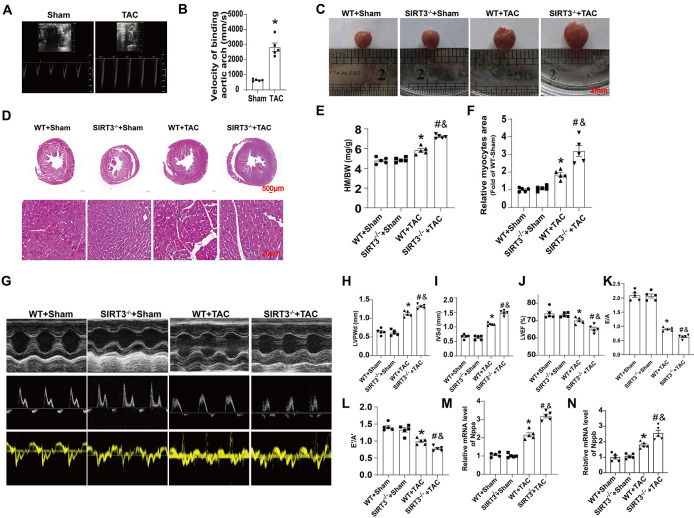 Figure 1
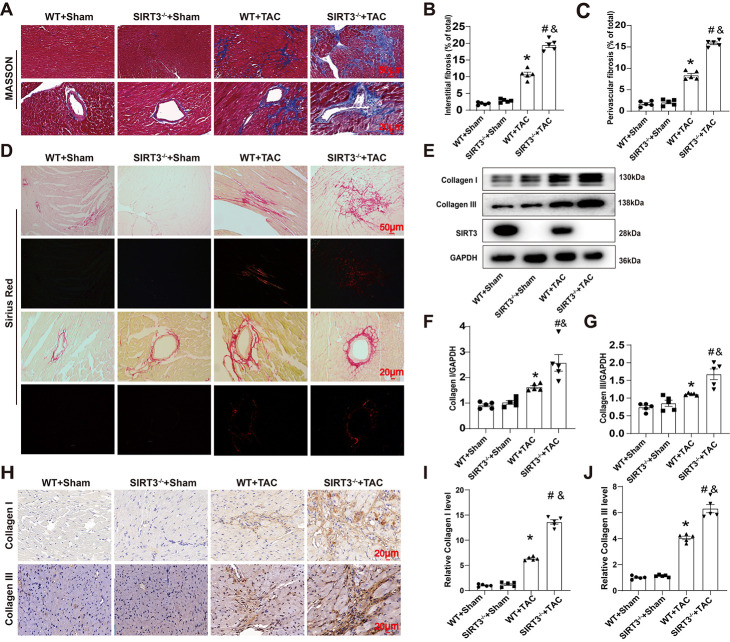 Figure 2
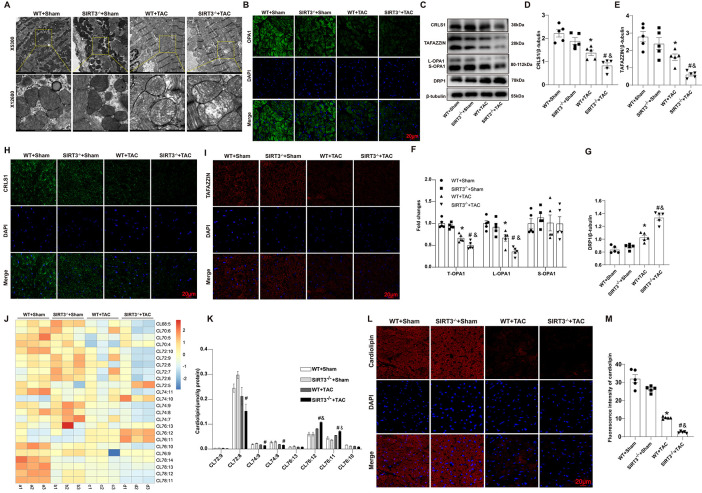 Figure 3
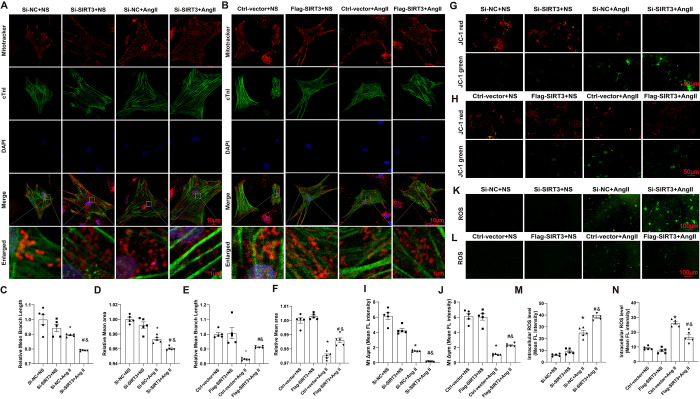 Figure 4
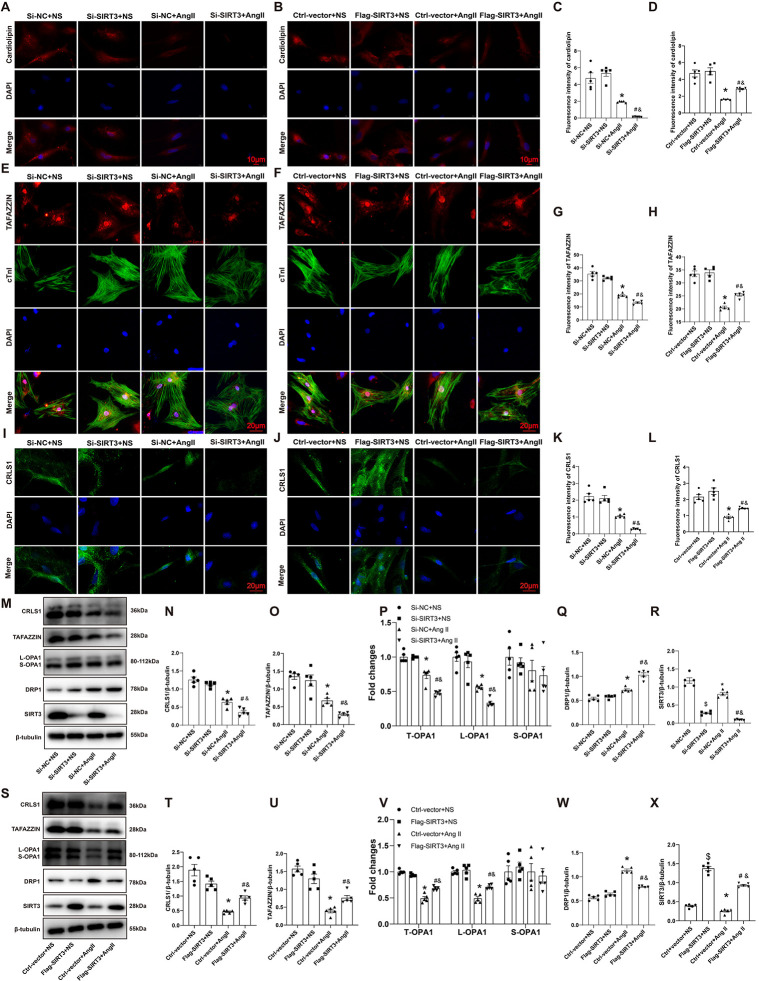 Figure 5
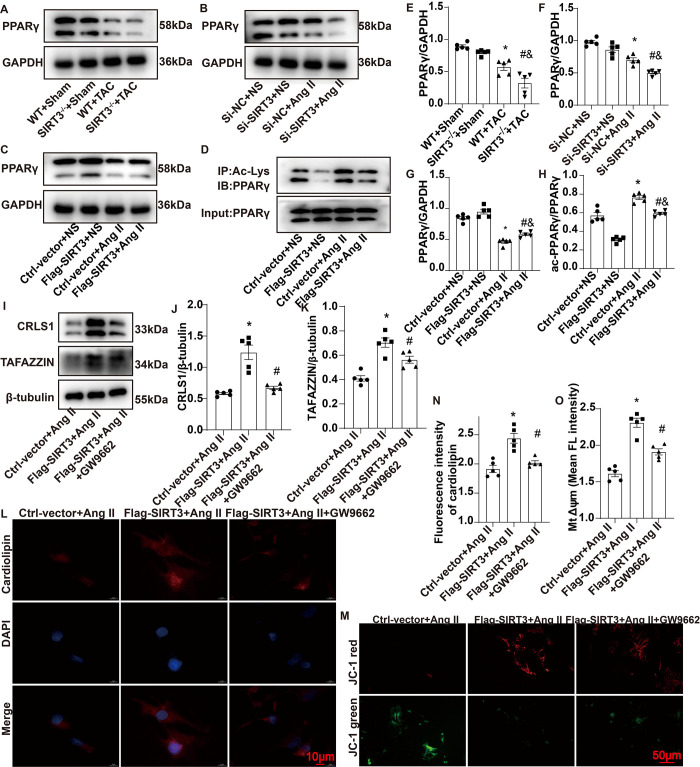 Figure 6
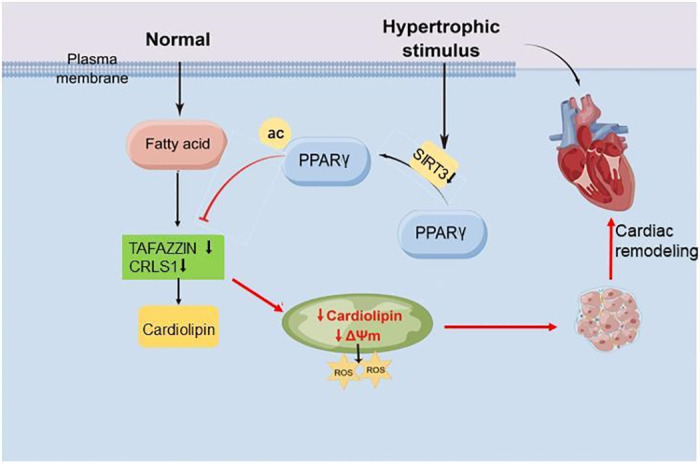 Figure 7
Peer Reviews
No public reviews on file for this paper yet. If you reviewed it on a platform where reviews are public (OpenReview, ICLR, NeurIPS, ICML), you can paste yours below so the community can read it here.
Videos
No videos yet. Explain this paper in a talk, walkthrough, or lecture? Add one.
Taxonomy
TopicsRadiation Effects and Dosimetry · Bee Products Chemical Analysis · Food Industry and Aquatic Biology