Functional analysis of ESM1 by shRNA-mediated knockdown of its expression in papillary thyroid cancer cells
Lijun Xie, Limeng He, Wei Zhang, Hao Wang

TL;DR
This study shows that reducing ESM1 in thyroid cancer cells decreases their growth and spread, suggesting ESM1 could be a target for treatment.
Contribution
The novel contribution is identifying ESM1 as a driver of papillary thyroid cancer progression through functional knockdown experiments.
Findings
ESM1 expression was significantly higher in papillary thyroid cancer tissues compared to normal tissues.
Knockdown of ESM1 reduced cancer cell proliferation, migration, and invasion in vitro.
ESM1 knockdown significantly decreased mRNA and protein levels in thyroid cancer cells.
Abstract
Endothelial specific molecule-1 (ESM1) is implicated as an oncogene in multiple human cancers. However, the function of ESM1 in papillary thyroid cancer (PTC) is not well understood. The current study aimed to investigate the effect of ESM1 on the growth, migration, and invasion of PTC to provide a novel perspective for PTC treatment. The expression levels of ESM1 in PTC tissues form 53 tumor tissue samples and 59 matching adjacent normal tissue samples were detected by immunohistochemical analysis. Knockdown of ESM1 expression in TPC-1 and SW579 cell lines was established to investigate its role in PTC. Moreover, cell proliferation, apoptosis, wound healing, and transwell assays were conducted in vitro to assess cell proliferation, migration and invasion. The findings revealed that ESM1 expression was significantly higher in PTC tissues than that found in paraneoplastic tissues…
Genes, proteins, chemicals, diseases, species, mutations and cell lines named across the full text — each resolved to its canonical identifier and authoritative record.
Click any figure to enlarge with its caption.
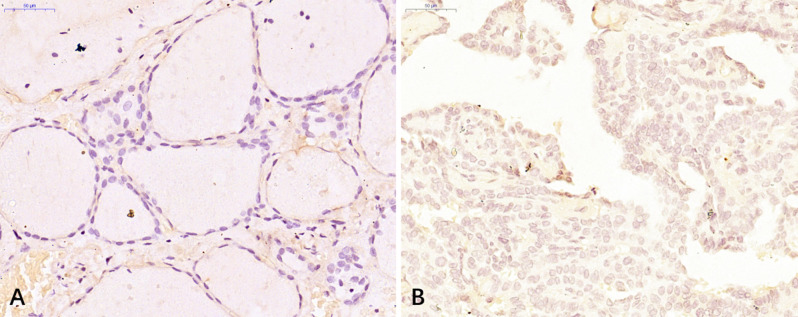 Figure 1
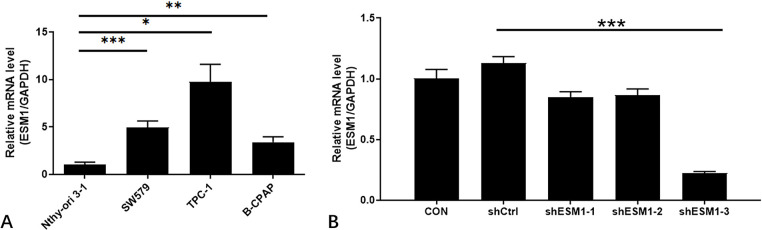 Figure 2
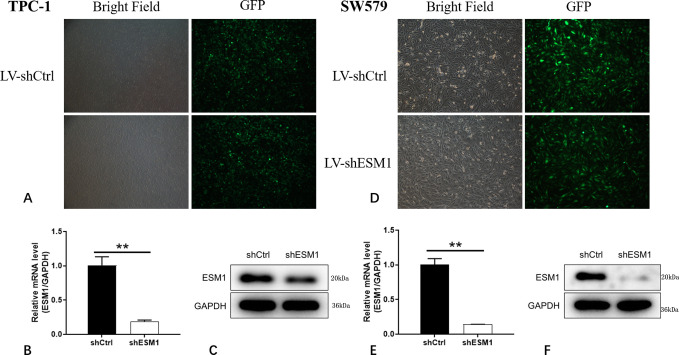 Figure 3
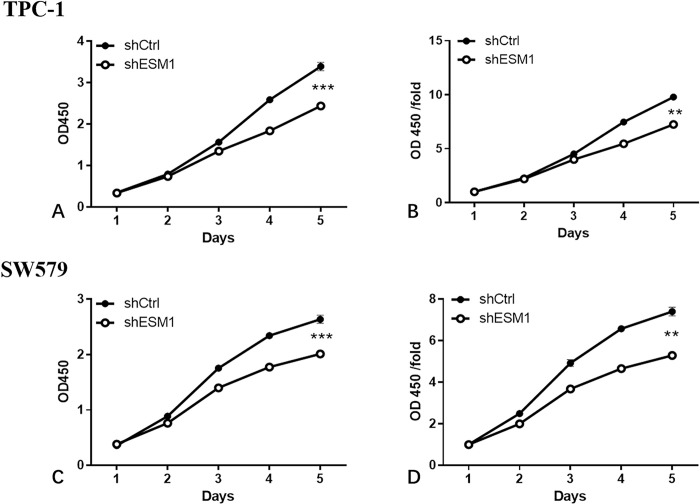 Figure 4
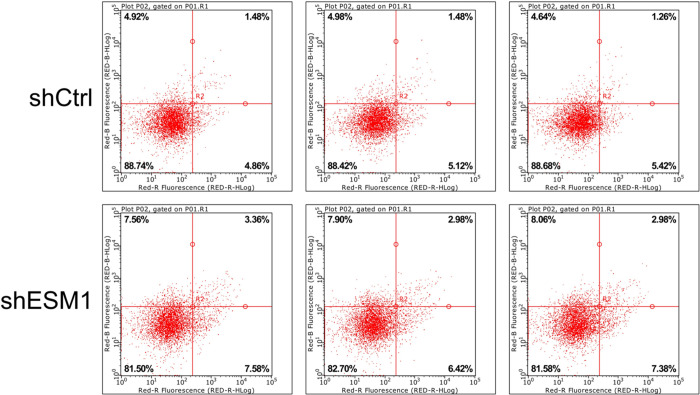 Figure 5
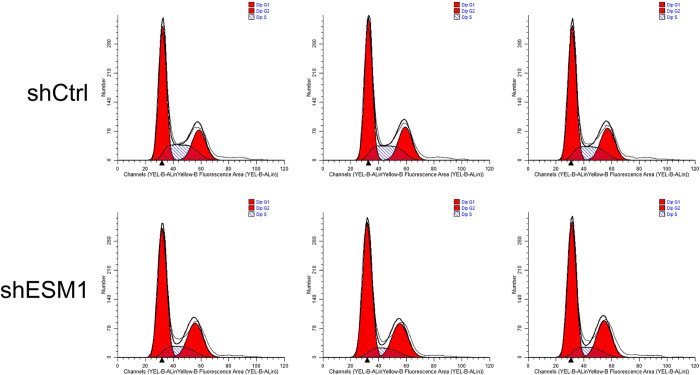 Figure 6
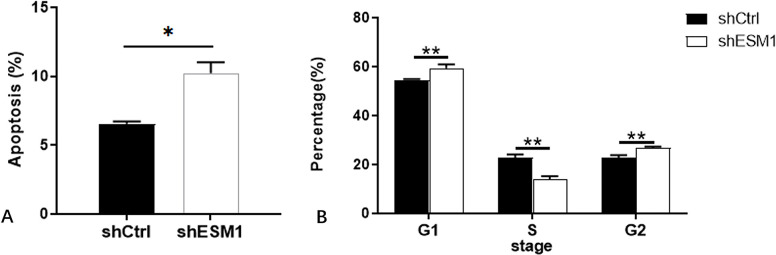 Figure 7
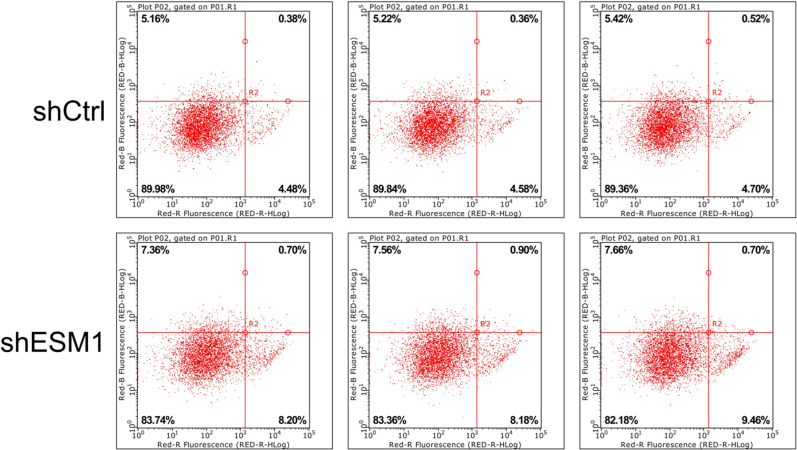 Figure 8
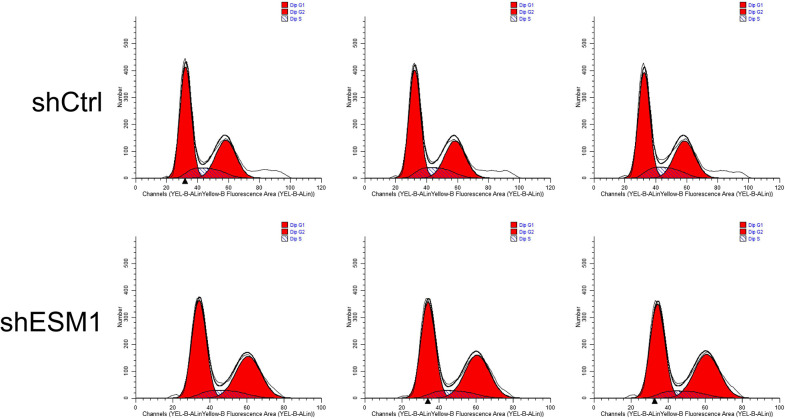 Figure 9
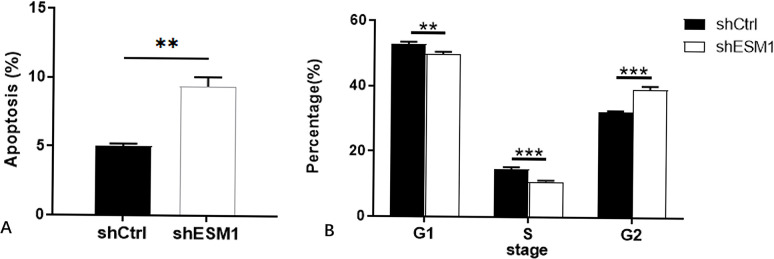 Figure 10
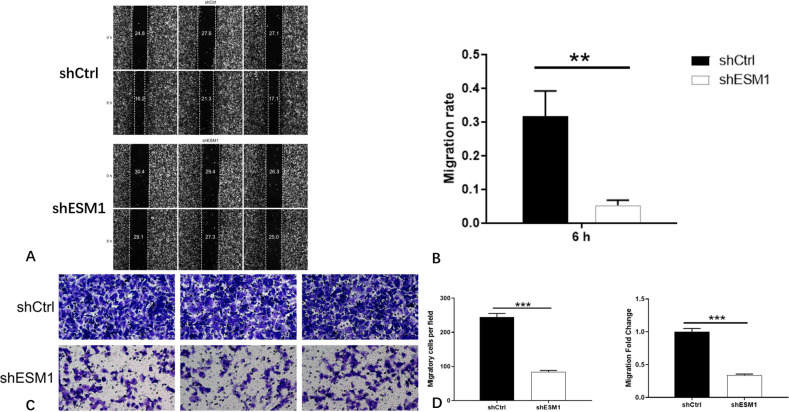 Figure 11
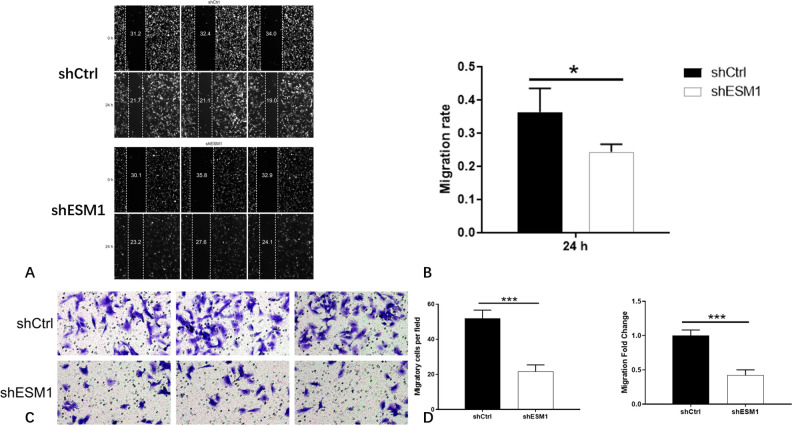 Figure 12
 Figure 13
Peer Reviews
No public reviews on file for this paper yet. If you reviewed it on a platform where reviews are public (OpenReview, ICLR, NeurIPS, ICML), you can paste yours below so the community can read it here.
Videos
No videos yet. Explain this paper in a talk, walkthrough, or lecture? Add one.
Taxonomy
TopicsInflammation biomarkers and pathways · Biomarkers in Disease Mechanisms · Apelin-related biomedical research