Photobiomodulation therapy in improvement of harmful neural plasticity in sodium salicylate-induced tinnitus
Katayoon Montazeri, Mohammad Farhadi, Abbas Majdabadi, Zainab Akbarnejad, Reza Fekrazad, Ali Shahbazi, Saeid Mahmoudian, Michael R Hamblin, Michael R Hamblin, Michael R Hamblin

TL;DR
This study shows that photobiomodulation therapy can reduce harmful neural changes caused by tinnitus in rats, suggesting a potential new treatment.
Contribution
The study is the first to apply PBMT to both peripheral and central regions in a tinnitus model and observe its effects on neural plasticity markers.
Findings
PBMT significantly increased the gap in noise value in the GPIAS test, indicating reduced tinnitus perception.
PBMT decreased ABR threshold and brainstem transmission time, suggesting improved auditory function.
PBMT reduced DCX expression in the dentate gyrus, indicating reduced harmful neural plasticity.
Abstract
Tinnitus is a common annoying symptom without effective and accepted treatment. In this controlled experimental study, photobiomodulation therapy (PBMT), which uses light to modulate and repair target tissue, was used to treat sodium salicylate (SS)-induced tinnitus in a rat animal model. Here, PBMT was performed simultaneously on the peripheral and central regions involved in tinnitus. The results were evaluated using objective tests including gap pre-pulse inhibition of acoustic startle (GPIAS), auditory brainstem response (ABR) and immunohistochemistry (IHC). Harmful neural plasticity induced by tinnitus was detected by doublecortin (DCX) protein expression, a known marker of neural plasticity. PBMT parameters were 808 nm wavelength, 165 mW/cm2 power density, and 99 J/cm2 energy density. In the tinnitus group, the mean gap in noise (GIN) value of GPIAS test was significantly…
Genes, proteins, chemicals, diseases, species, mutations and cell lines named across the full text — each resolved to its canonical identifier and authoritative record.
Click any figure to enlarge with its caption.
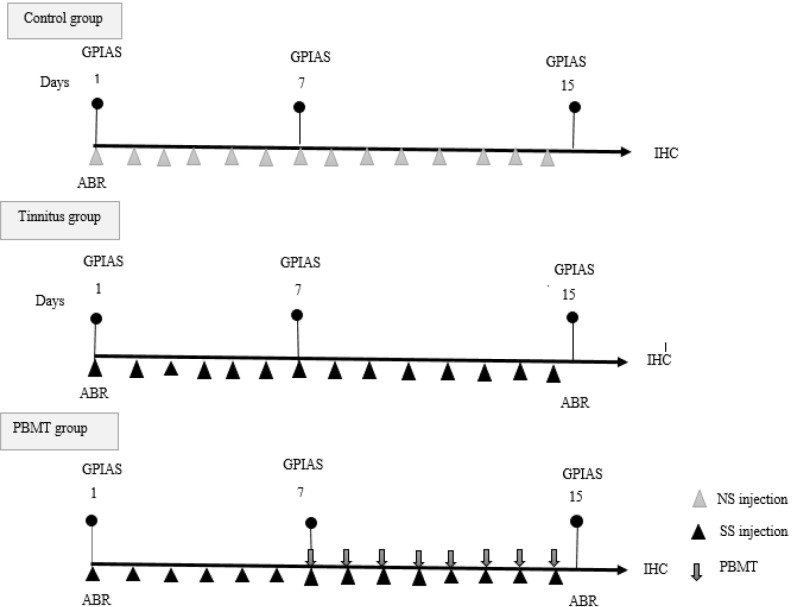 Figure 1
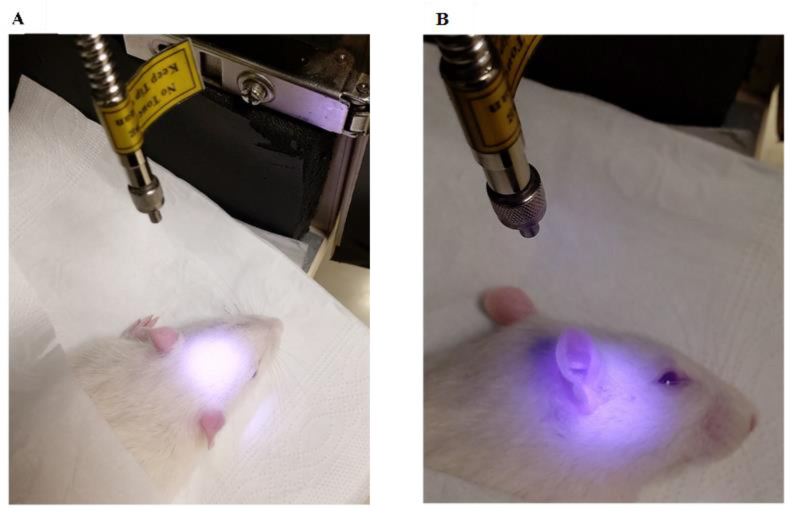 Figure 2
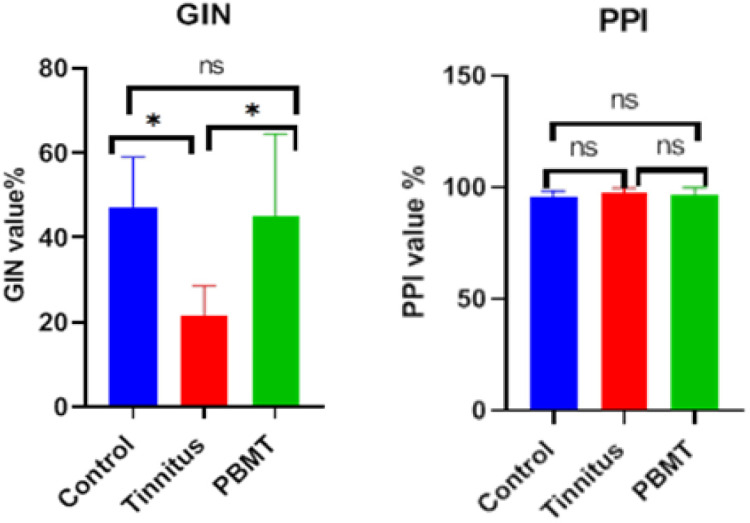 Figure 3
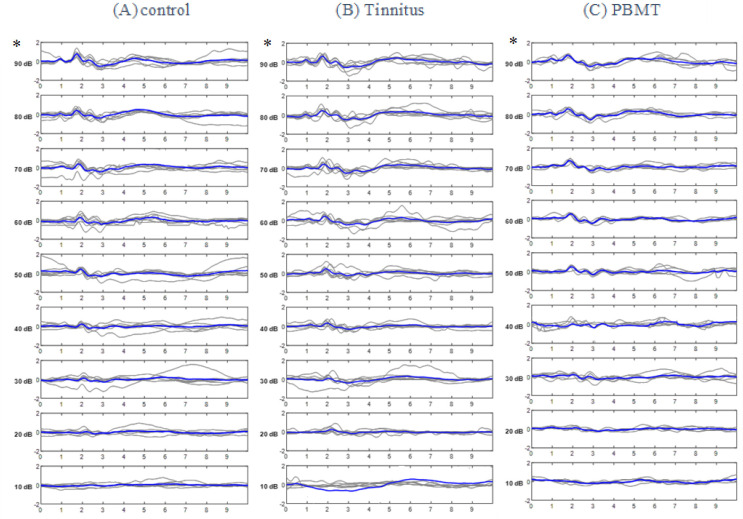 Figure 4
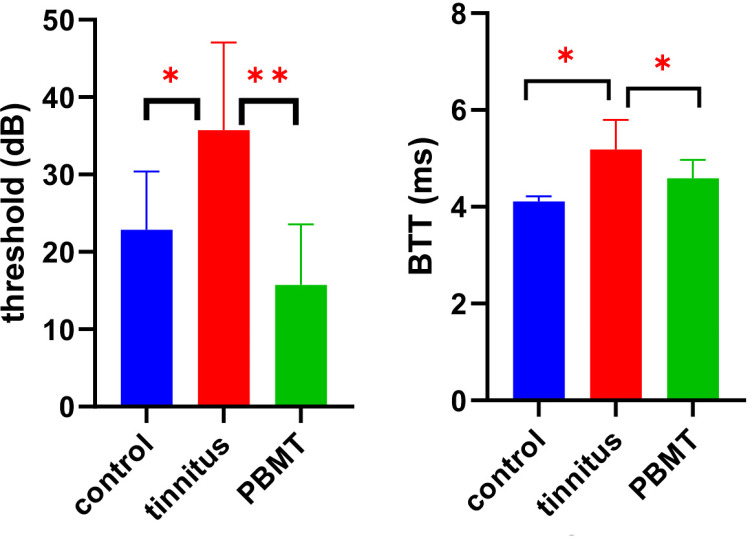 Figure 5
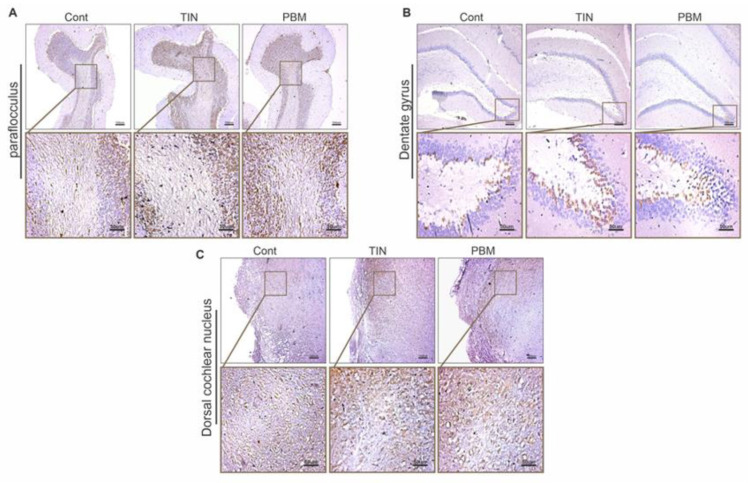 Figure 6
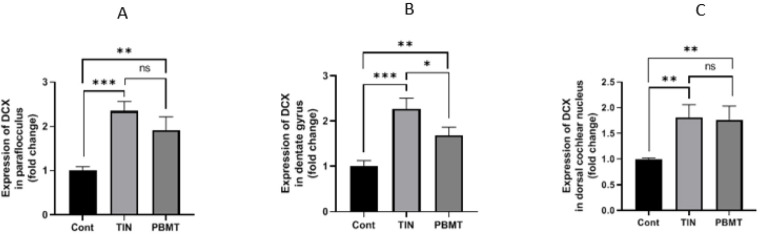 Figure 7
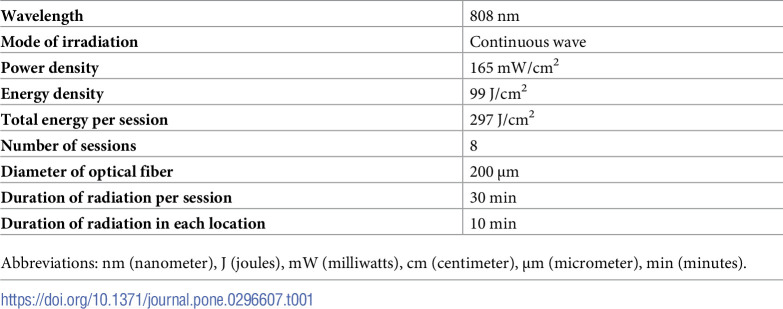 Figure 8
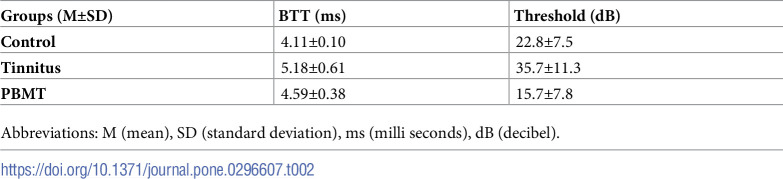 Figure 9
Peer Reviews
No public reviews on file for this paper yet. If you reviewed it on a platform where reviews are public (OpenReview, ICLR, NeurIPS, ICML), you can paste yours below so the community can read it here.
Videos
No videos yet. Explain this paper in a talk, walkthrough, or lecture? Add one.
Taxonomy
TopicsLaser Applications in Dentistry and Medicine · Photoreceptor and optogenetics research · Hearing, Cochlea, Tinnitus, Genetics