Enhanced bovine genome annotation through integration of transcriptomics and epi-transcriptomics datasets facilitates genomic biology
Hamid Beiki, Brenda M Murdoch, Carissa A Park, Chandlar Kern, Denise Kontechy, Gabrielle Becker, Gonzalo Rincon, Honglin Jiang, Huaijun Zhou, Jacob Thorne, James E Koltes, Jennifer J Michal, Kimberly Davenport, Monique Rijnkels, Pablo J Ross, Rui Hu, Sarah Corum, Stephanie McKay

TL;DR
This paper improves the bovine genome annotation by integrating transcriptomics and epi-transcriptomics data, revealing new transcripts and gene functions.
Contribution
The study provides a more comprehensive and validated bovine transcriptome with extended gene annotations and functional insights.
Findings
118,563 transcripts were structurally validated using multiple sequencing technologies.
69% of identified transcripts were previously unannotated, with 86% from annotated genes.
3,744 genes function as noncoding in fetal tissues but protein-coding in adult tissues.
Abstract
The accurate identification of the functional elements in the bovine genome is a fundamental requirement for high-quality analysis of data informing both genome biology and genomic selection. Functional annotation of the bovine genome was performed to identify a more complete catalog of transcript isoforms across bovine tissues. A total of 160,820 unique transcripts (50% protein coding) representing 34,882 unique genes (60% protein coding) were identified across tissues. Among them, 118,563 transcripts (73% of the total) were structurally validated by independent datasets (PacBio isoform sequencing data, Oxford Nanopore Technologies sequencing data, de novo assembled transcripts from RNA sequencing data) and comparison with Ensembl and NCBI gene sets. In addition, all transcripts were supported by extensive data from different technologies such as whole transcriptome termini site…
Genes, proteins, chemicals, diseases, species, mutations and cell lines named across the full text — each resolved to its canonical identifier and authoritative record.
Click any figure to enlarge with its caption.
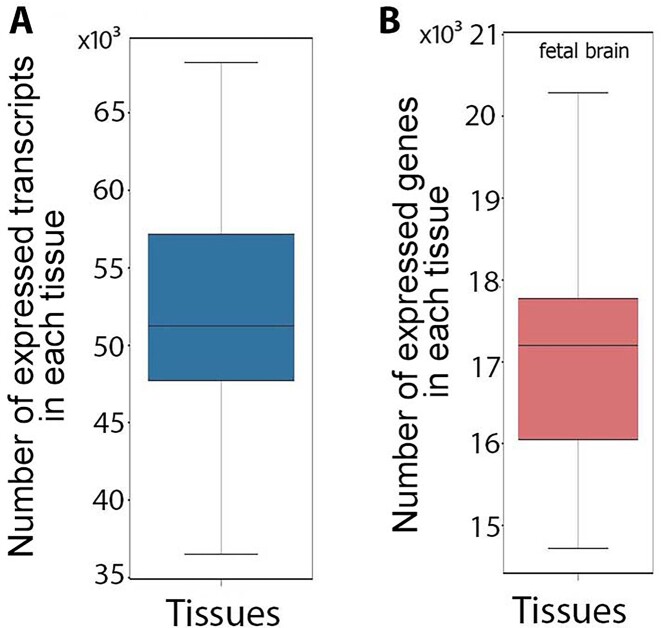 Figure 1
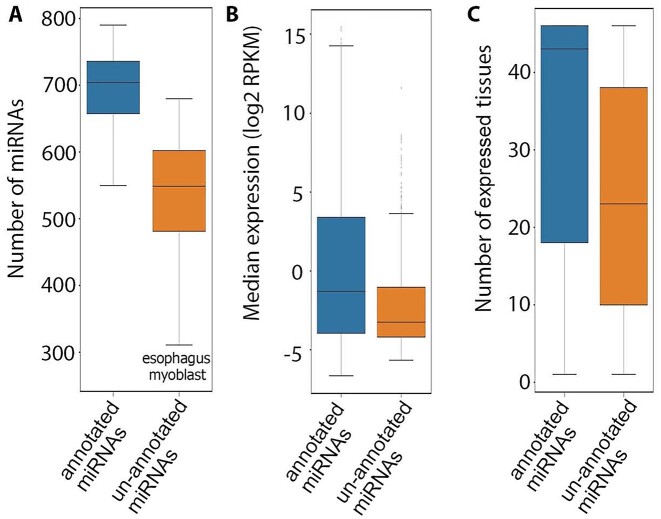 Figure 10
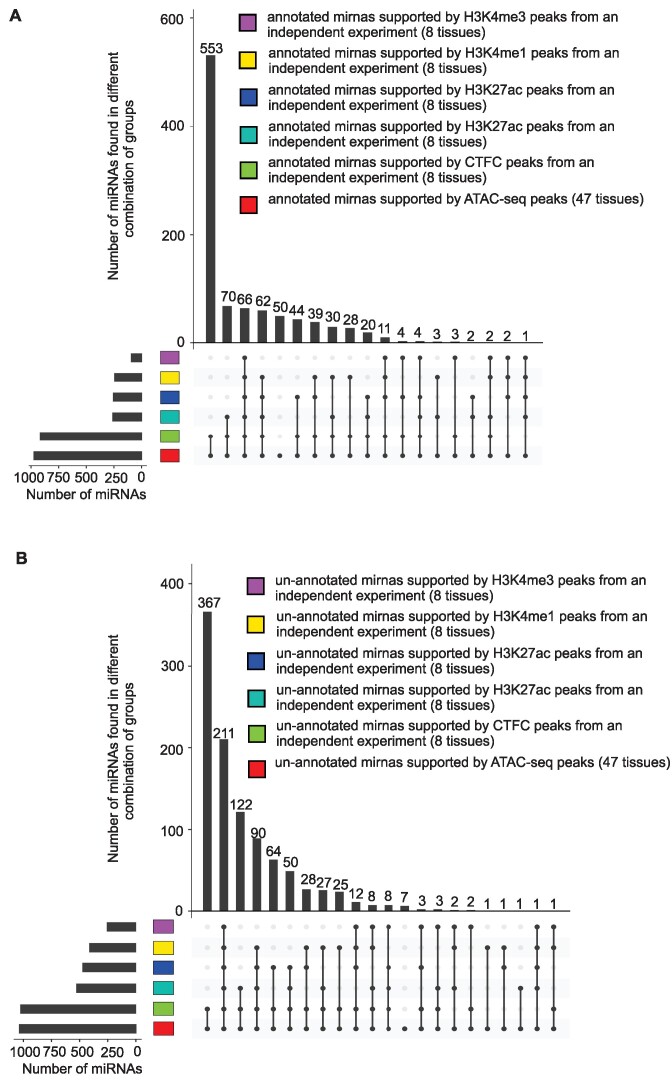 Figure 11
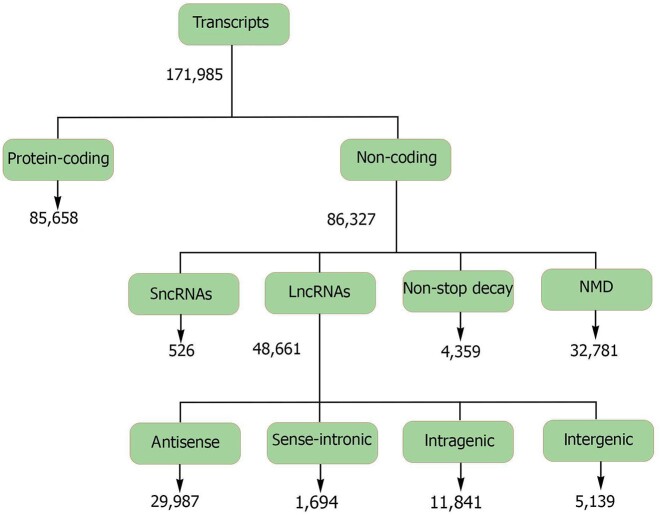 Figure 2
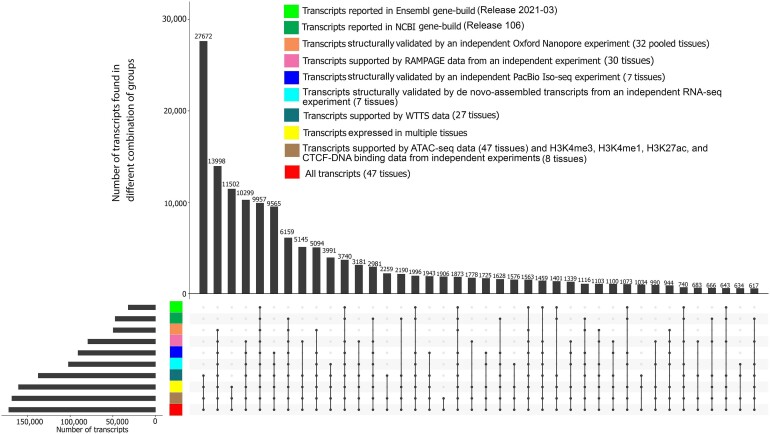 Figure 3
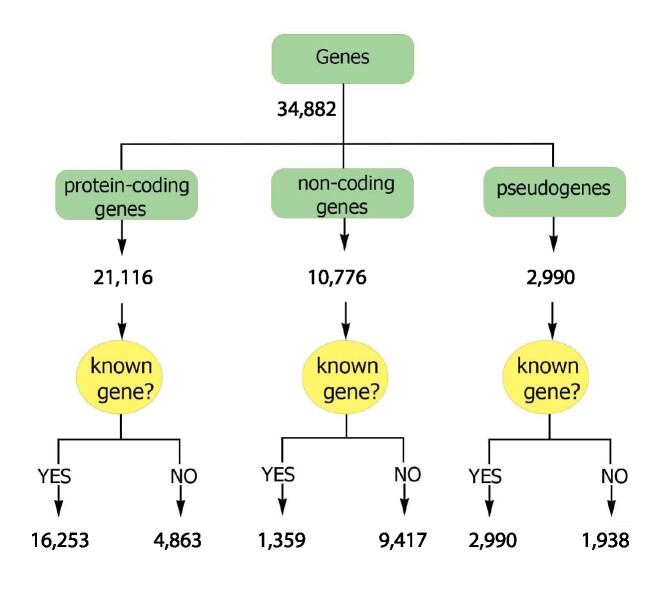 Figure 4
 Figure 5
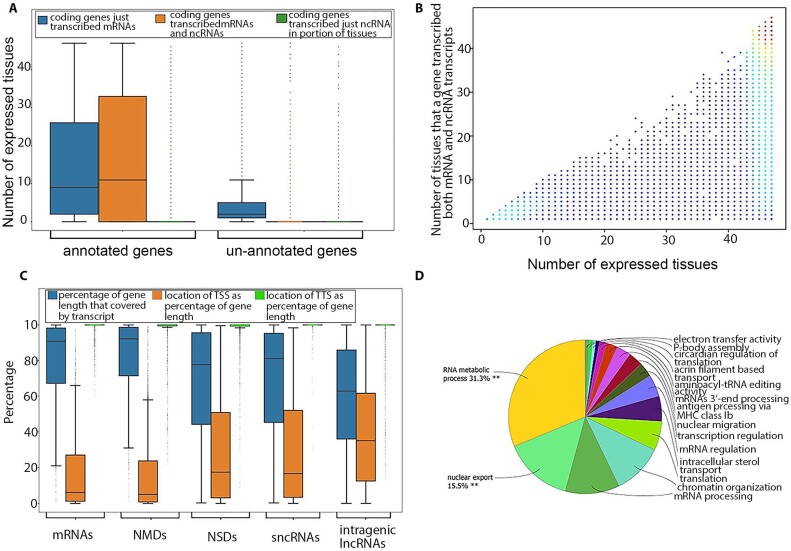 Figure 6
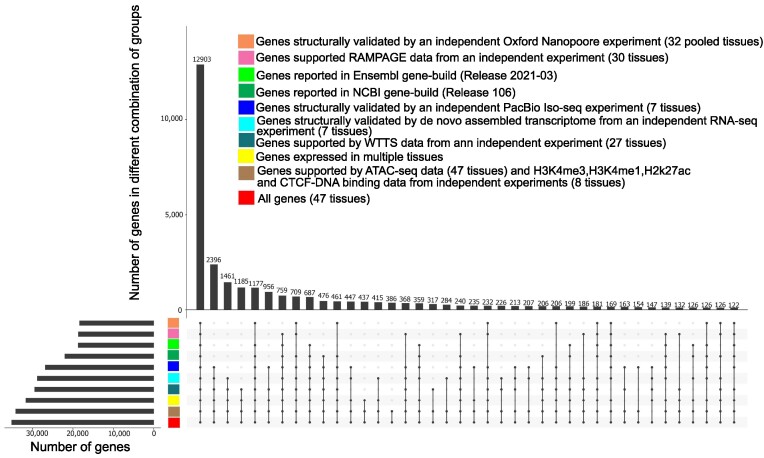 Figure 7
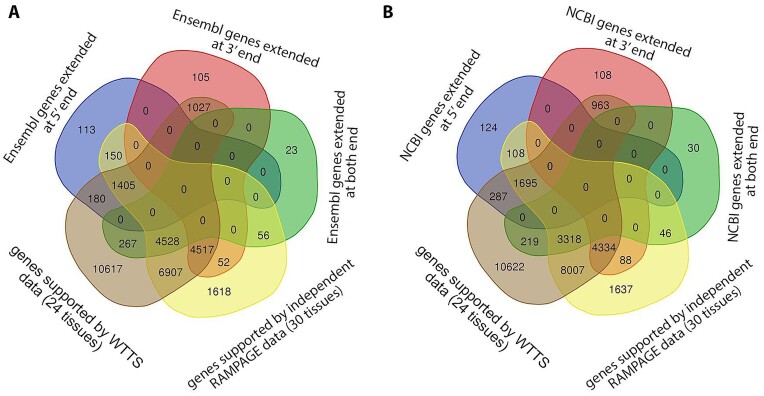 Figure 8
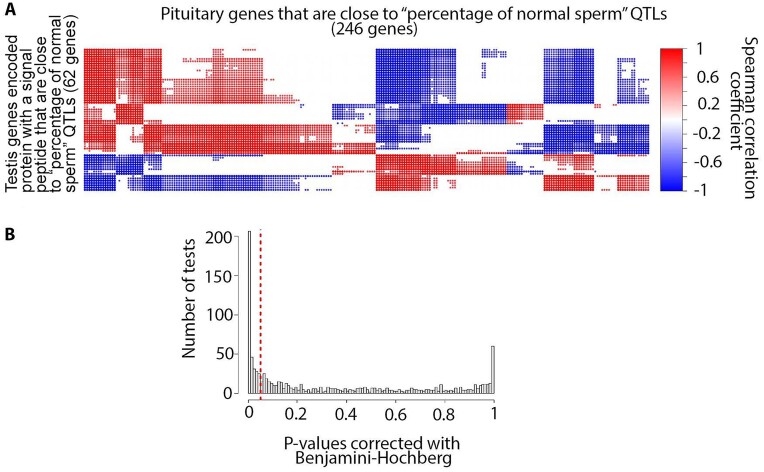 Figure 9
Peer Reviews
No public reviews on file for this paper yet. If you reviewed it on a platform where reviews are public (OpenReview, ICLR, NeurIPS, ICML), you can paste yours below so the community can read it here.
Videos
No videos yet. Explain this paper in a talk, walkthrough, or lecture? Add one.
Taxonomy
TopicsTechnology in Education and Healthcare