Storage and time course effects on the quality of oil extracted from Phyllanthus amarus Schumach and Annona muricata Linn and their antidiabetic potentials
Oluwasayo E. Ogunjinmi, Vincent O. Oriyomi, Richard A. Olaogun, Amidat T. Gbadegesin

TL;DR
This study examines how storage methods and time affect the quality and antidiabetic properties of oils from two plants, Phyllanthus amarus and Annona muricata.
Contribution
The study provides new insights into the storage stability and antidiabetic potential of oils from Phyllanthus amarus and Annona muricata.
Findings
P. amarus oil showed greater inhibition of α-amylase, α-glucosidase, and xanthine oxidase compared to A. muricata oil.
Both oils contained various phytochemicals, with A. muricata having higher levels of phenolics, flavonoids, and alkaloids.
The oils exhibited low rancidity and moderate shelf life, indicating potential for use in preventing diabetes and oxidative stress.
Abstract
With the advent of modern technology, advancements in processing and storage techniques, and increasing medical knowledge, people are becoming aware of deterioration in the quality of medicinal products due to storage methods and time. In most cases, herbal products are not consumed immediately after production; as such, improper storage can result in physical, chemical, and microbiological changes. The study evaluated the effect of storage methods and time on the quality of oil extracted from Phyllanthus amarus Schumach and Annona muricata Linn and assessed their antidiabetic and antioxidative effects. Plants were air-dried, pulverized, and then subjected to Soxhlet extraction in petroleum ether. The oil was evaluated for phytochemical constituents and the effects of time and storage methods on its physicochemical properties. Characterization of the oil was done by spectroscopic…
Genes, proteins, chemicals, diseases, species, mutations and cell lines named across the full text — each resolved to its canonical identifier and authoritative record.
Click any figure to enlarge with its caption.
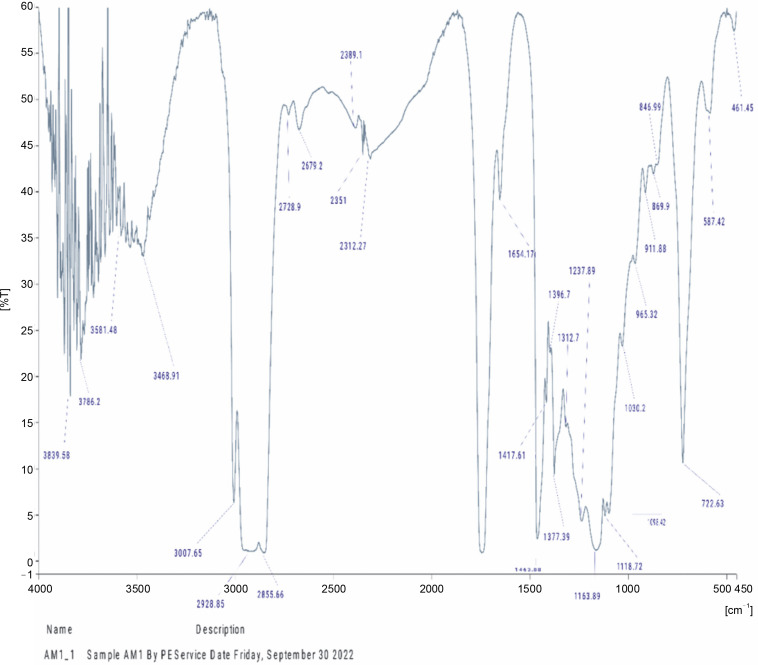 Figure 1
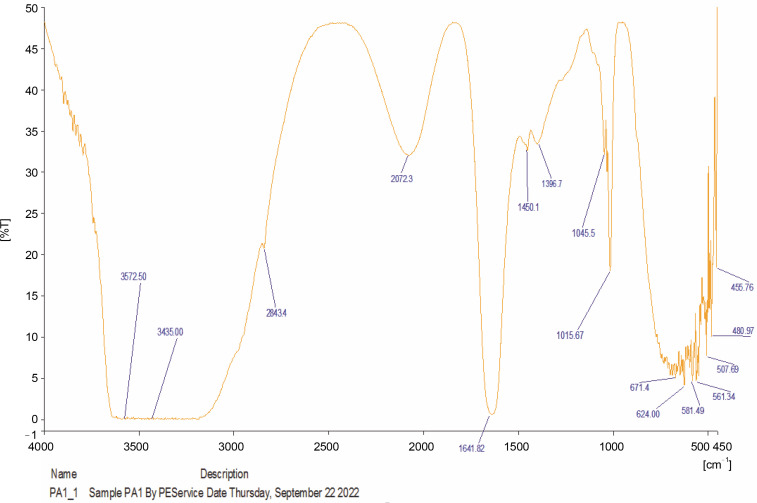 Figure 2
Peer Reviews
No public reviews on file for this paper yet. If you reviewed it on a platform where reviews are public (OpenReview, ICLR, NeurIPS, ICML), you can paste yours below so the community can read it here.
Videos
No videos yet. Explain this paper in a talk, walkthrough, or lecture? Add one.
Taxonomy
TopicsPhytochemistry and Bioactivity Studies · Moringa oleifera research and applications · Ethnobotanical and Medicinal Plants Studies