Effectiveness of bio-effectors on maize, wheat and tomato performance and phosphorus acquisition from greenhouse to field scales in Europe and Israel: a meta-analysis
Peteh Mehdi Nkebiwe, Jonas D. Stevens Lekfeldt, Sarah Symanczik, Cécile Thonar, Paul Mäder, Asher Bar-Tal, Moshe Halpern, Borbala Biró, Klára Bradáčová, Pedro C. Caniullan, Krishna K. Choudhary, Vincenza Cozzolino, Emilio Di Stasio, Stefan Dobczinski, Joerg Geistlinger

TL;DR
This study evaluates how bio-effectors affect crop growth and phosphorus uptake in controlled and field conditions across Europe and Israel.
Contribution
The study presents a meta-analysis of 107 bio-effector treatments under a standardized protocol, free of publication bias.
Findings
Average crop growth/yield increased by 9.3% with bio-effectors.
Tomato showed higher response than maize and wheat.
Bio-effector effectiveness improved with organic fertilizers and abiotic stress.
Abstract
Biostimulants (Bio-effectors, BEs) comprise plant growth-promoting microorganisms and active natural substances that promote plant nutrient-acquisition, stress resilience, growth, crop quality and yield. Unfortunately, the effectiveness of BEs, particularly under field conditions, appears highly variable and poorly quantified. Using random model meta-analyses tools, we summarize the effects of 107 BE treatments on the performance of major crops, mainly conducted within the EU-funded project BIOFECTOR with a focus on phosphorus (P) nutrition, over five years. Our analyses comprised 94 controlled pot and 47 field experiments under different geoclimatic conditions, with variable stress levels across European countries and Israel. The results show an average growth/yield increase by 9.3% (n=945), with substantial differences between crops (tomato > maize > wheat) and growth conditions…
Genes, proteins, chemicals, diseases, species, mutations and cell lines named across the full text — each resolved to its canonical identifier and authoritative record.
Click any figure to enlarge with its caption.
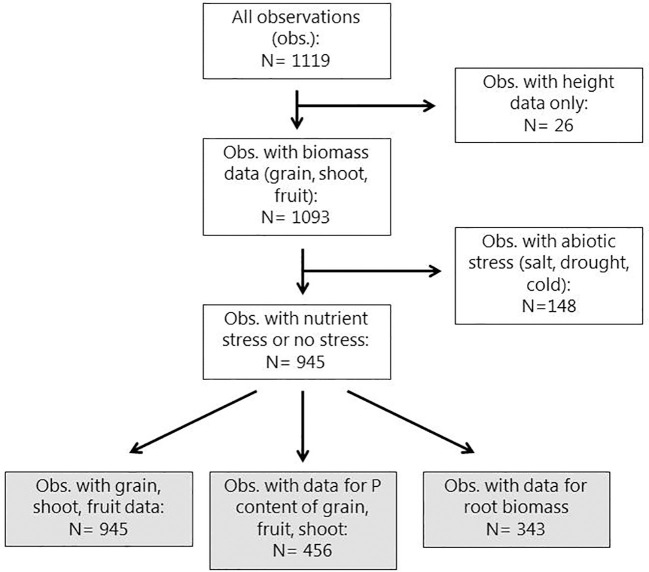 Figure 1
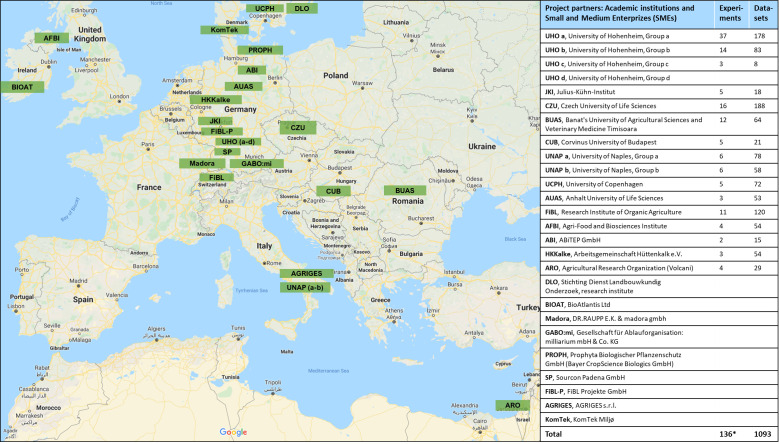 Figure 2
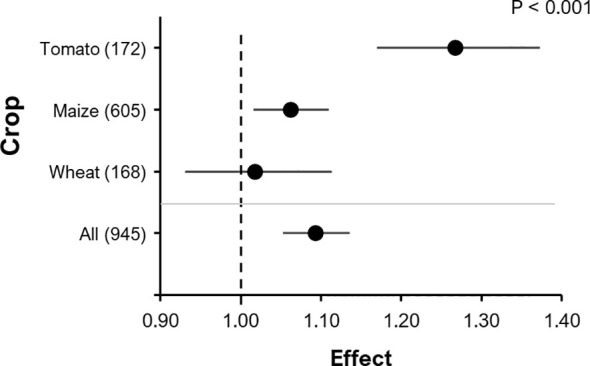 Figure 3
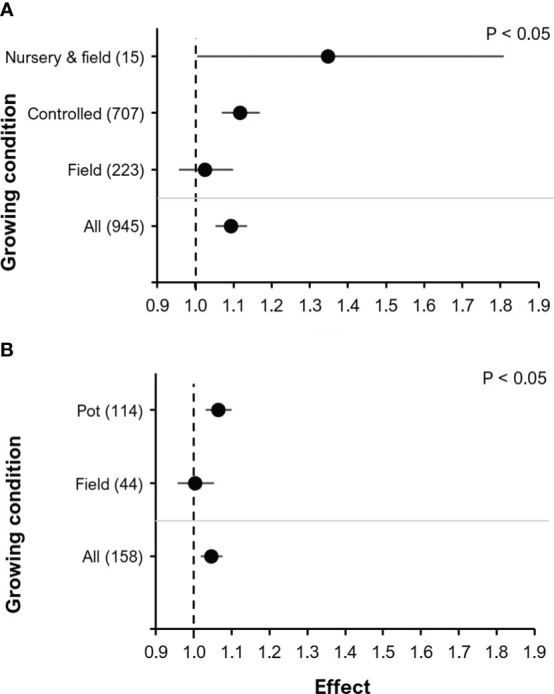 Figure 4
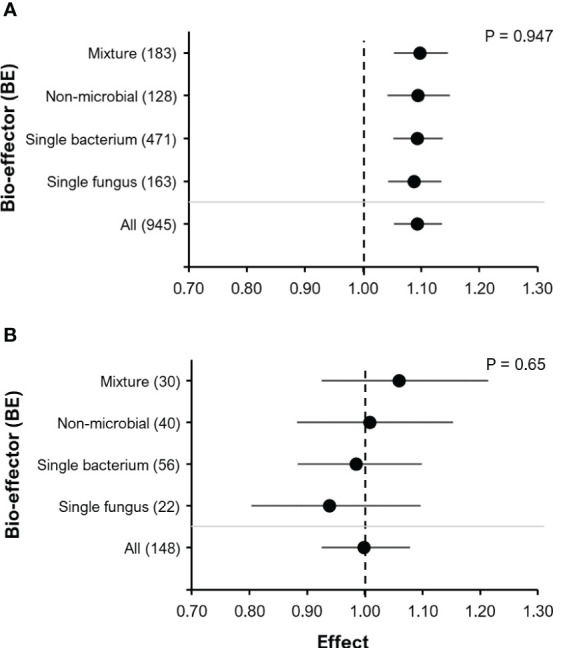 Figure 5
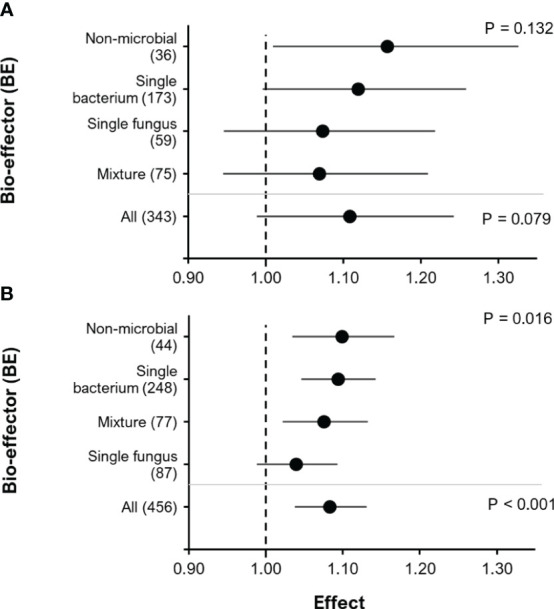 Figure 6
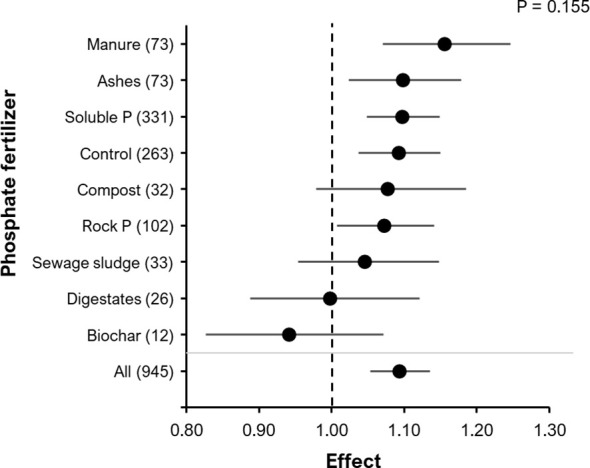 Figure 7
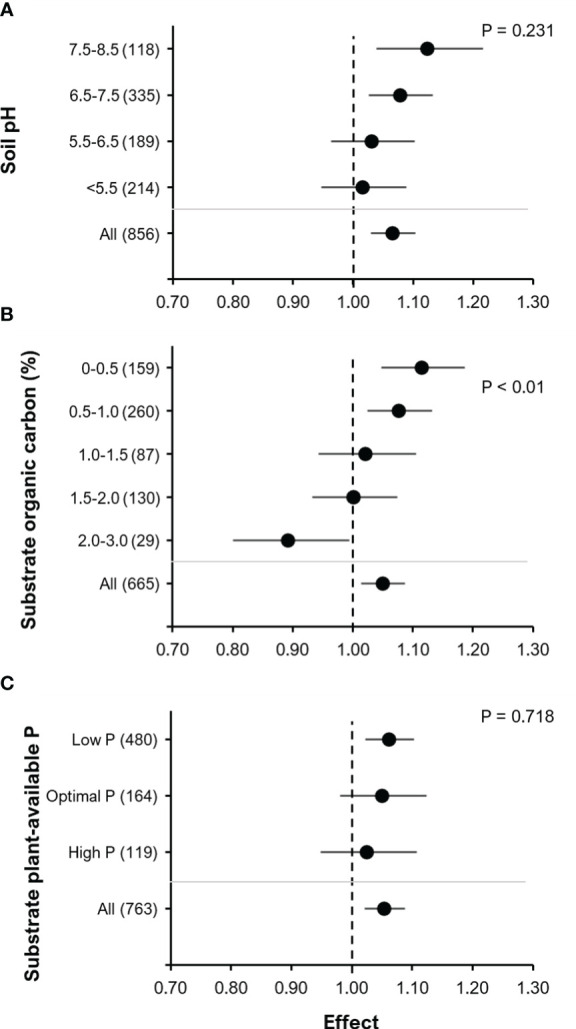 Figure 8
Peer Reviews
No public reviews on file for this paper yet. If you reviewed it on a platform where reviews are public (OpenReview, ICLR, NeurIPS, ICML), you can paste yours below so the community can read it here.
Videos
No videos yet. Explain this paper in a talk, walkthrough, or lecture? Add one.
Taxonomy
TopicsComparative and International Law Studies