Effects of group size on movement patterns and clustering dynamics in rats
Marie-H Monfils, Michael Pasala, Cassidy Malone, Laura Agee, Rheall Roquet, Lawrence Cormack

TL;DR
This study explores how the number of rats in an environment affects their movement and social clustering behavior.
Contribution
The study reveals how group size influences rat movement and clustering, distinguishing between statistical and social interaction effects.
Findings
Increasing rat numbers affects ambulation speed and distance traveled.
Cluster formation and duration depend on social interaction propensity.
Both statistical density and active social interactions influence clustering.
Abstract
Environment is a determining factor that can facilitate or hinder social interactions. A precursor to meaningfully engaging with conspecifics is being exposed to opportunistic encounters with others. Increasing the number of individuals in a given space (thus increasing density) would, statistically speaking, increase the likelihood of accidental encounters. This might have consequences on the formation of social networks—an idea that has not reliably been explored. If true, we would expect that increasing density would lead to an increase in the number and the duration of ‘clusters’ of animals. Here, we examined whether varying the number of rats in an open field environment differentially affected their movement dynamics or their propensity to aggregate into clusters and, if so, whether such effects are dependent solely on statistical factors due to increases in density, the potential…
Genes, proteins, chemicals, diseases, species, mutations and cell lines named across the full text — each resolved to its canonical identifier and authoritative record.
Click any figure to enlarge with its caption.
 Figure 1
 Figure 2
 Figure 3
 Figure 4
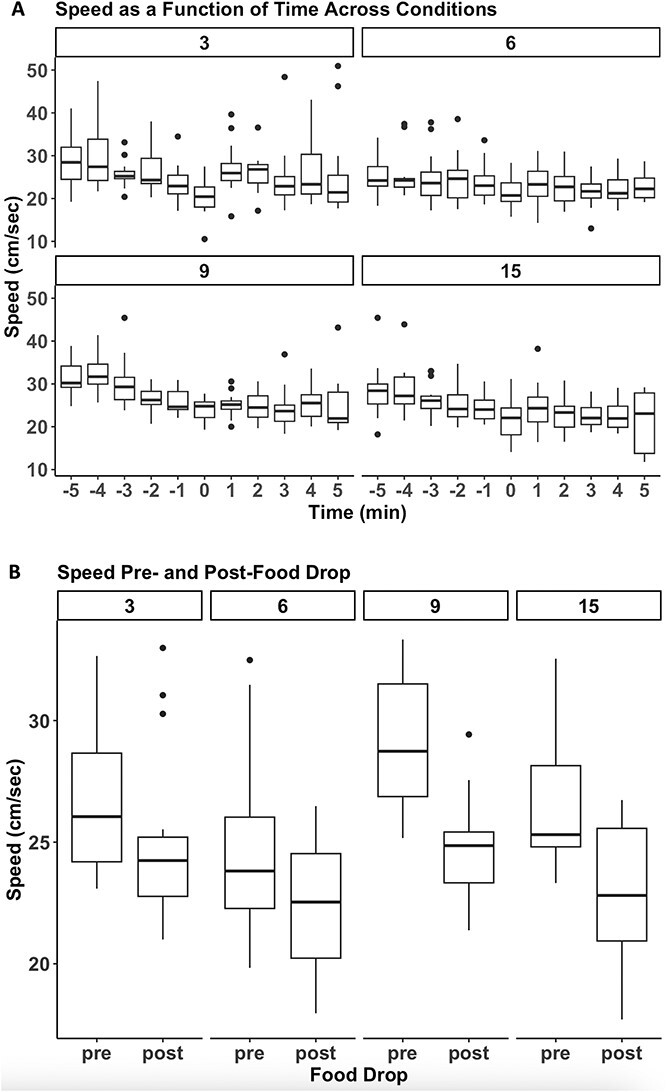 Figure 5
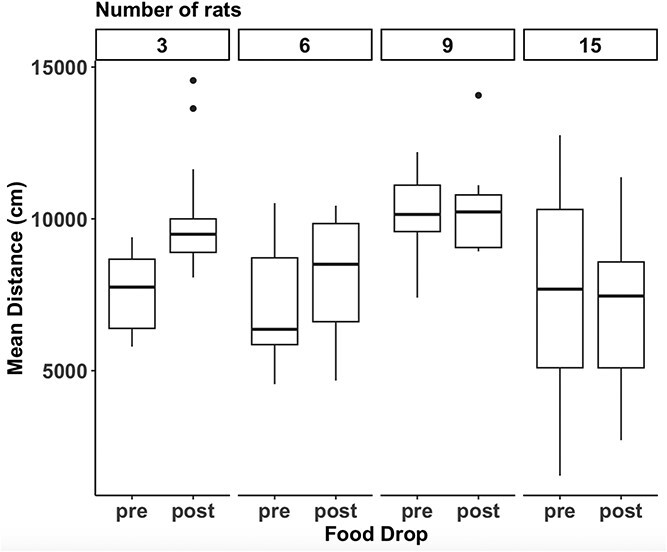 Figure 6
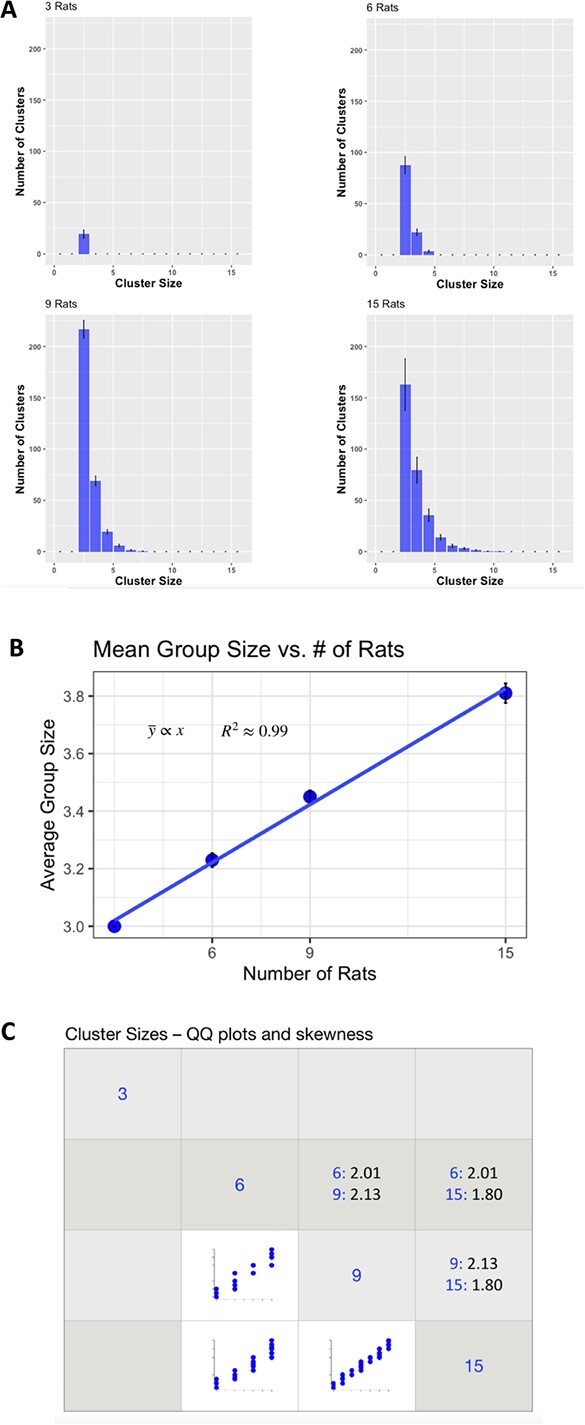 Figure 7
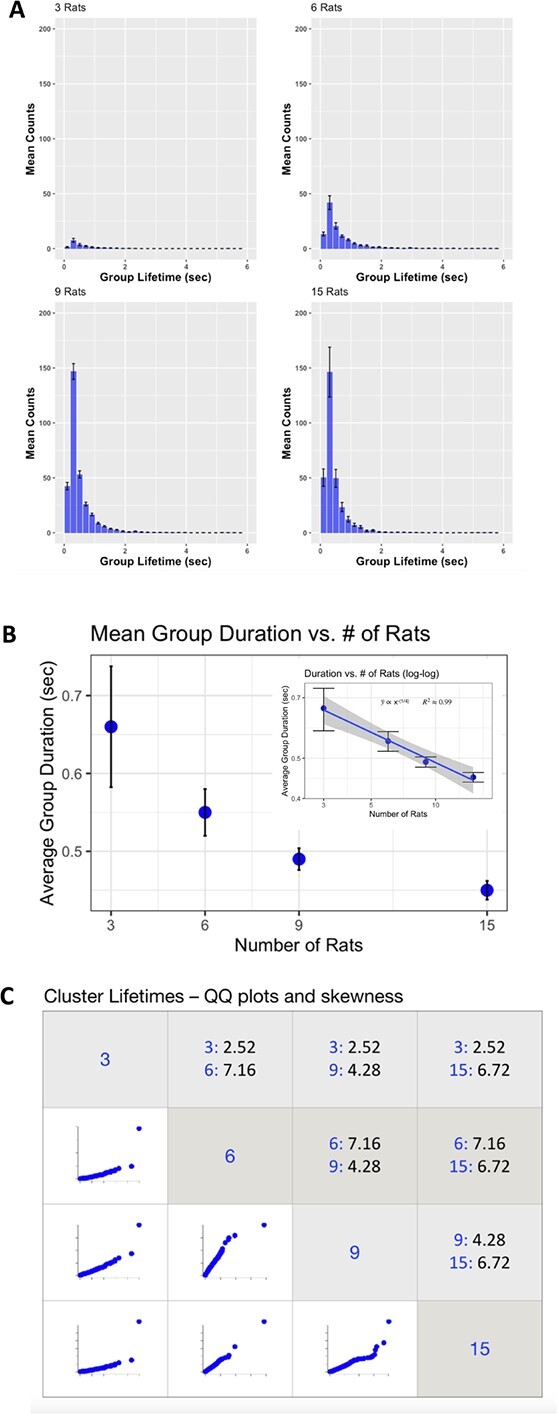 Figure 8
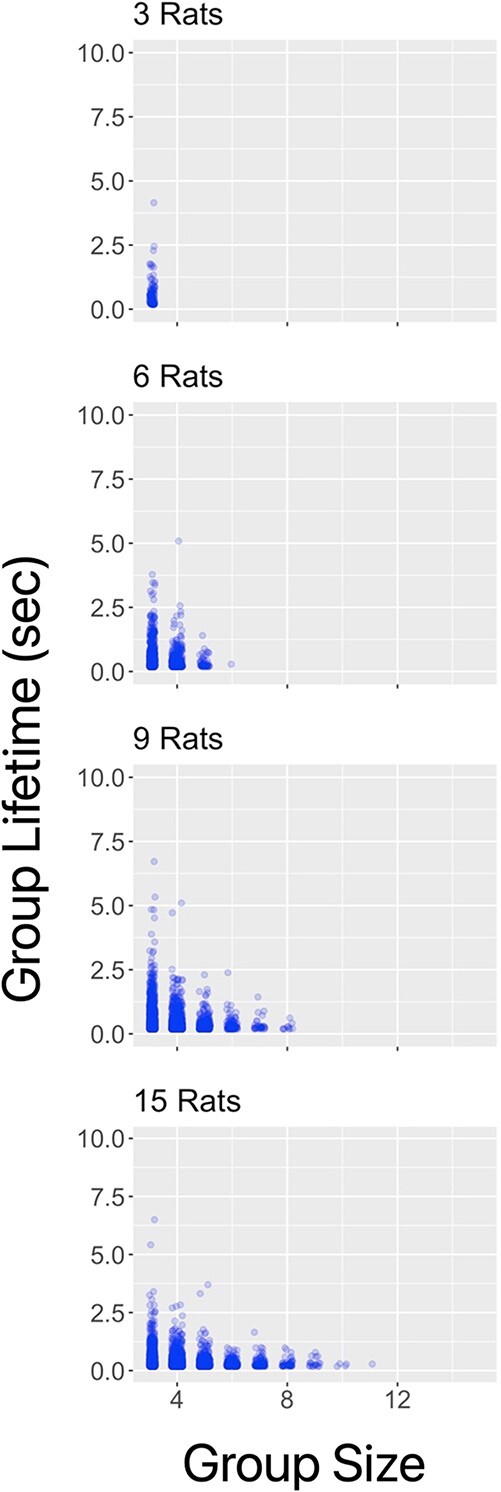 Figure 9
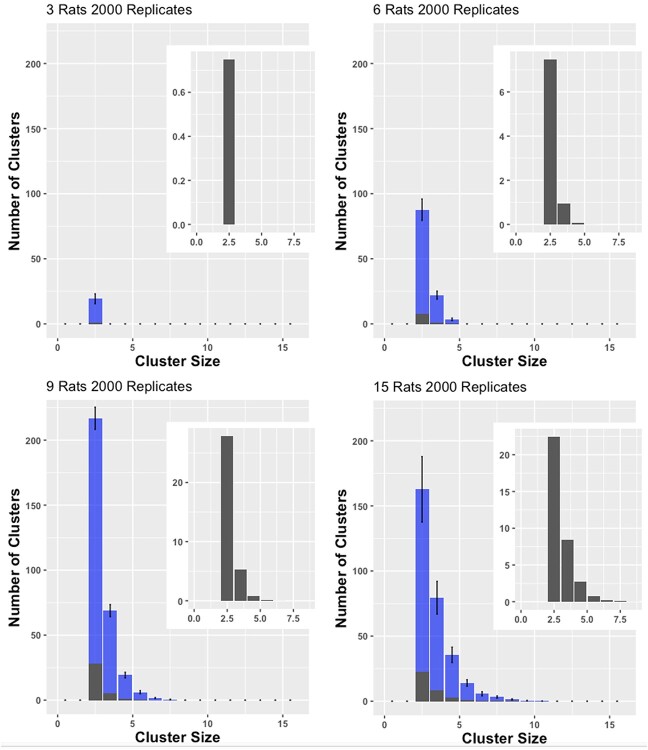 Figure 10
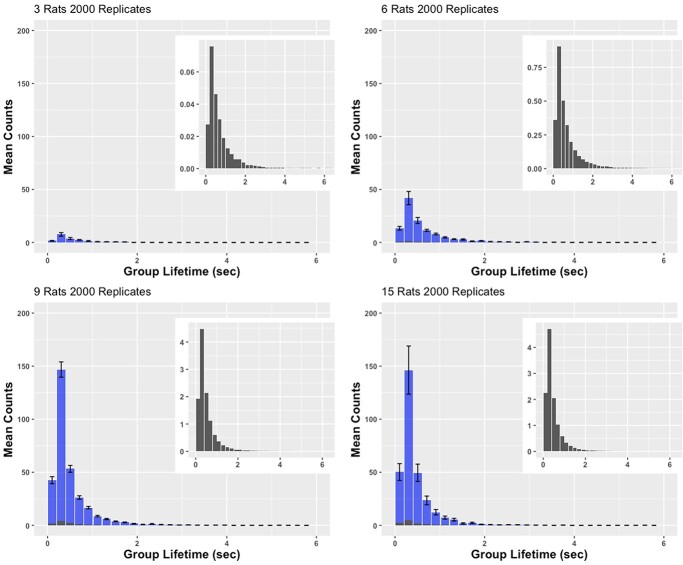 Figure 11
Peer Reviews
No public reviews on file for this paper yet. If you reviewed it on a platform where reviews are public (OpenReview, ICLR, NeurIPS, ICML), you can paste yours below so the community can read it here.
Videos
No videos yet. Explain this paper in a talk, walkthrough, or lecture? Add one.
Taxonomy
TopicsPrimate Behavior and Ecology · Neuroendocrine regulation and behavior · Evolutionary Game Theory and Cooperation