Neuroleptic Malignant Syndrome: An Intensive Care Unit Case of Exceptionally High Creatinine Kinase and Myoglobin Levels
Eduardo Macedo, Filipa Rodrigues, Ana Rita Marques, Luís Ribeiro, Pedro Silveira

TL;DR
This paper presents a rare and severe case of Neuroleptic Malignant Syndrome with unusually high levels of creatinine kinase and myoglobin, offering insights into its management.
Contribution
The novelty lies in the presentation of a severe NMS case with exceptionally high CK and myoglobin levels and a favorable outcome.
Findings
The case exhibited exceptionally high creatinine kinase and myoglobin levels.
The case had a favorable outcome despite its severity and diagnostic challenges.
It highlights the importance of considering NMS in differential diagnosis when faced with similar symptoms.
Abstract
Neuroleptic Malignant Syndrome (NMS) is a rare, life-threatening neurologic emergency known to be related to the administration or sudden withdrawal of dopaminergic medications. The clinical course, symptoms, and bloodwork are very heterogeneous, making this syndrome difficult to identify. Thus, NMS is a diagnosis of exclusion. We present a case of severe NMS with exceptionally high creatinine kinase (CK) and myoglobin levels with unclear etiology and a challenging differential diagnosis. Also, our case stands out because it was serious, unique, and had a favorable outcome, which could contribute to the management of future similar cases.
Genes, proteins, chemicals, diseases, species, mutations and cell lines named across the full text — each resolved to its canonical identifier and authoritative record.
Click any figure to enlarge with its caption.
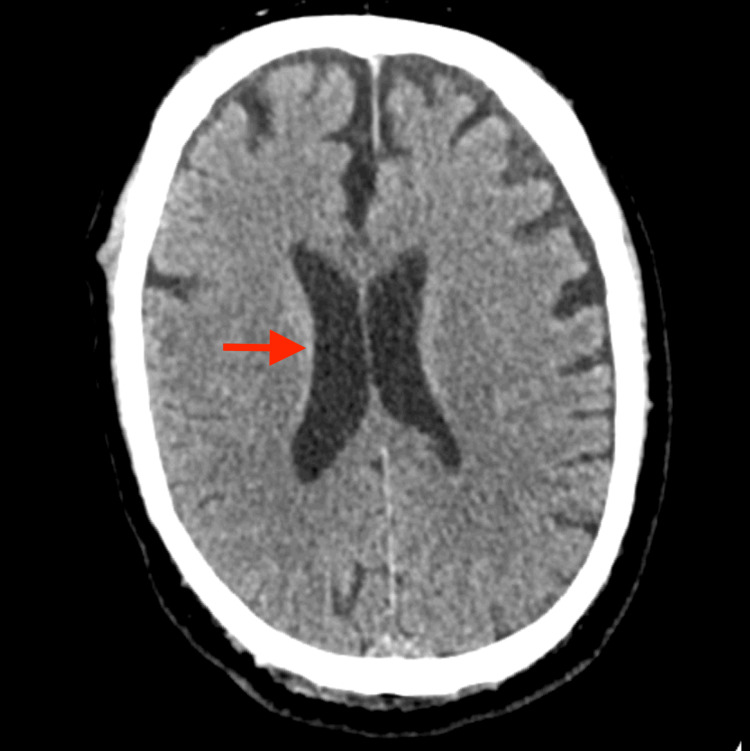 Figure 1
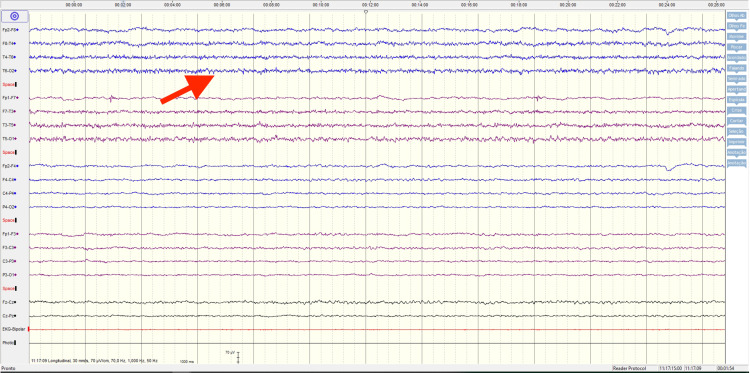 Figure 2
Peer Reviews
No public reviews on file for this paper yet. If you reviewed it on a platform where reviews are public (OpenReview, ICLR, NeurIPS, ICML), you can paste yours below so the community can read it here.
Videos
No videos yet. Explain this paper in a talk, walkthrough, or lecture? Add one.
Taxonomy
TopicsElectroconvulsive Therapy Studies · Takotsubo Cardiomyopathy and Associated Phenomena · Electrolyte and hormonal disorders