Patient‐centred pathology reporting improves patient experience and understanding of disease in prostate cancer care
Haidar Al Saffar, Alice Thomson, Jo‐Lynn S. Tan, Qiwei Wang, Emma Birch, Samantha Koschel, Elizabeth Medhurst, Dale Jobson, Sean Ong, Daniel A. Moon, Declan Murphy, Nathan Lawrentschuk

TL;DR
Personalized pathology reports help prostate cancer patients better understand their diagnosis and retain this knowledge for at least four weeks.
Contribution
This study shows that patient-centred pathology reports improve knowledge retention in prostate cancer patients.
Findings
PCR group had significantly more correct answers on Gleason grade group and extracapsular extension compared to the standard report group.
93% of PCR recipients understood the report, and 90% felt it improved their understanding of prostate cancer.
Patient knowledge from PCR was retained for at least 4 weeks after initial receipt.
Abstract
Patient‐centred (PC) and holistic care improves patient satisfaction and health outcomes. We sought to investigate the benefit of utilising a PC pathology report in patients undergoing radical prostatectomy (RP) for prostate cancer (PCa). Our study aimed to evaluate and compare patient understanding of their PCa diagnosis after RP, upon receiving either a standard histopathology report or a personalised and PC report (PCR). Moreover, we evaluated knowledge retention at 4 weeks after the initial consultation. We invited patients undergoing RP at three metropolitan Urology clinics to participate in our randomised controlled study. Patients were randomised to receive either a PCR or standard pathology report. Patient satisfaction questionnaires (Perceived Efficacy in Patient–Physician Interactions [PEPPI], Consultation and Relational Empathy [CARE] and Communication Assessment Tool [CAT])…
Genes, proteins, chemicals, diseases, species, mutations and cell lines named across the full text — each resolved to its canonical identifier and authoritative record.
Click any figure to enlarge with its caption.
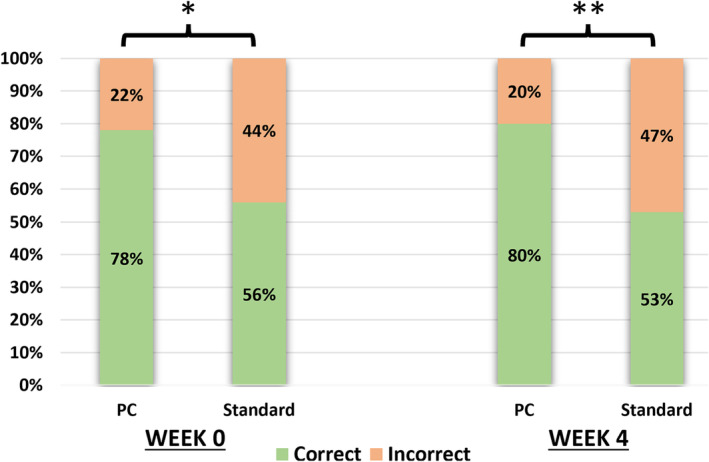 Figure 1
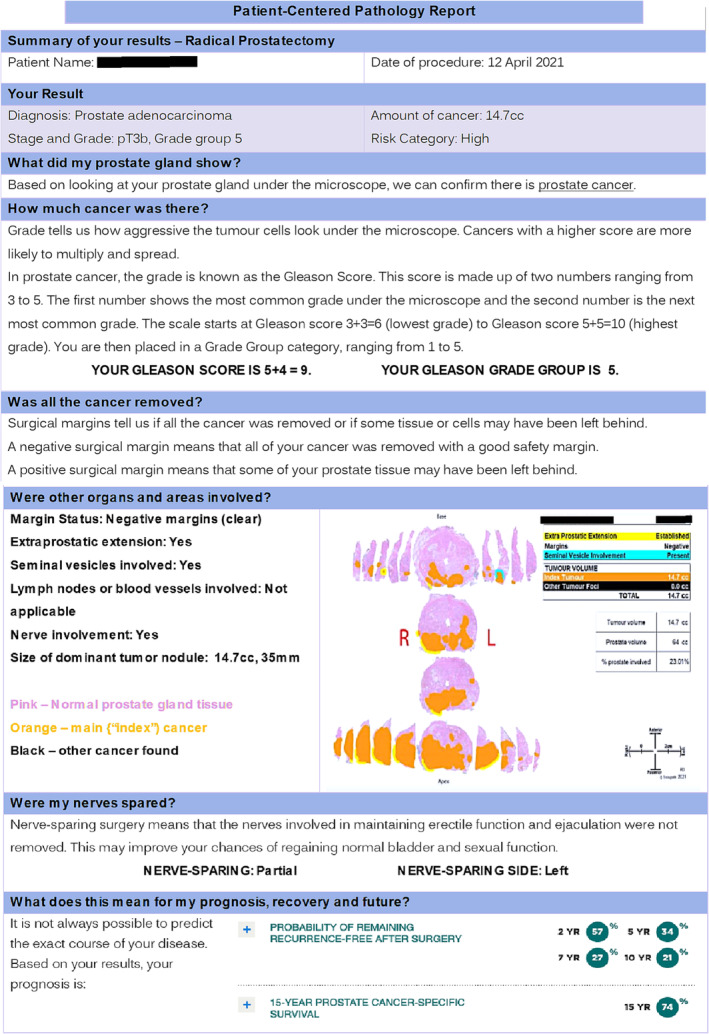 Figure 2
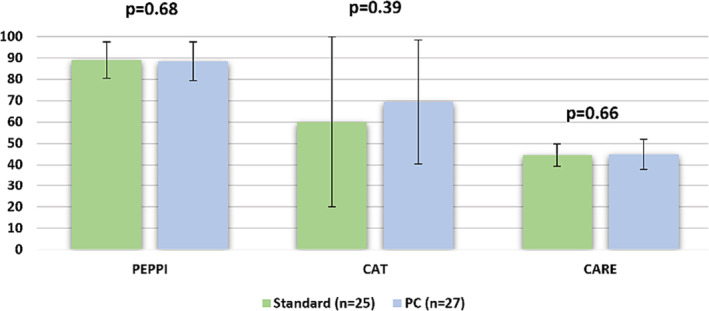 Figure 3
Peer Reviews
No public reviews on file for this paper yet. If you reviewed it on a platform where reviews are public (OpenReview, ICLR, NeurIPS, ICML), you can paste yours below so the community can read it here.
Videos
No videos yet. Explain this paper in a talk, walkthrough, or lecture? Add one.
Taxonomy
TopicsMillimeter-Wave Propagation and Modeling