Heparin binding proteins on monocyte cell surfaces regulates pre-inflammatory responses in diabetes
Andrew Jun Wang, Aimin Wang, Vincent Hascall

TL;DR
This study explores how heparin affects monocyte cells in diabetes, revealing new proteins involved in inflammation regulation.
Contribution
The discovery of heparin binding proteins on monocyte surfaces and their role in inflammation regulation in diabetes.
Findings
Heparin is internalized by dividing monocyte progenitor cells.
Alpha-enolase (ENO-1) and cofilin-1 are identified as abundant heparin binding proteins on monocyte surfaces.
These proteins are linked to inflammation and autoimmune diseases.
Abstract
Many diabetic complications, such as renal and cardiovascular disease, share a common association with extensive and chronic inflammation due to infiltration by activated leukocytes that originate from the bone marrow (BM). Our previous study demonstrated that macrophage progenitor cells that divided in hyperglycemia induced intracellular synthesis of hyaluronan and became pro-inflammatory macrophages (Mpi), and that the presence of low concentrations of heparin (~50 nM) prevented the intracellular HA synthesis and promoted the formation of tissue repair macrophages (Mtr). However, the molecular mechanism underlying heparin’s role is still unknown. This study showed that heparin can be internalized by dividing monocyte progenitor cells. Further, there are two most abundant heparin binding proteins, alpha-enolase (ENO-1) and cofilin-1, identified on monocyte cell surfaces. In addition to…
Genes, proteins, chemicals, diseases, species, mutations and cell lines named across the full text — each resolved to its canonical identifier and authoritative record.
Click any figure to enlarge with its caption.
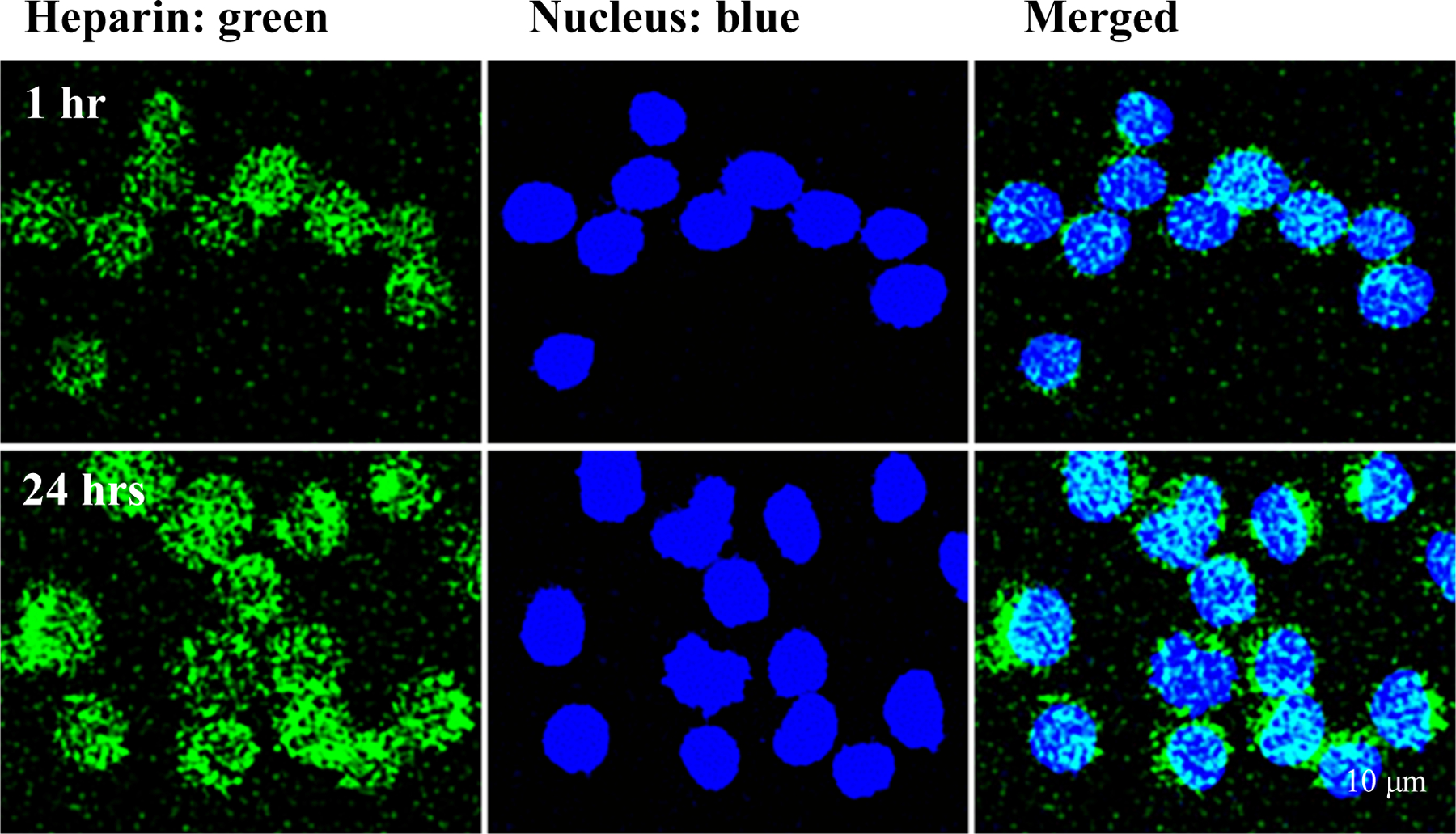 Figure 1
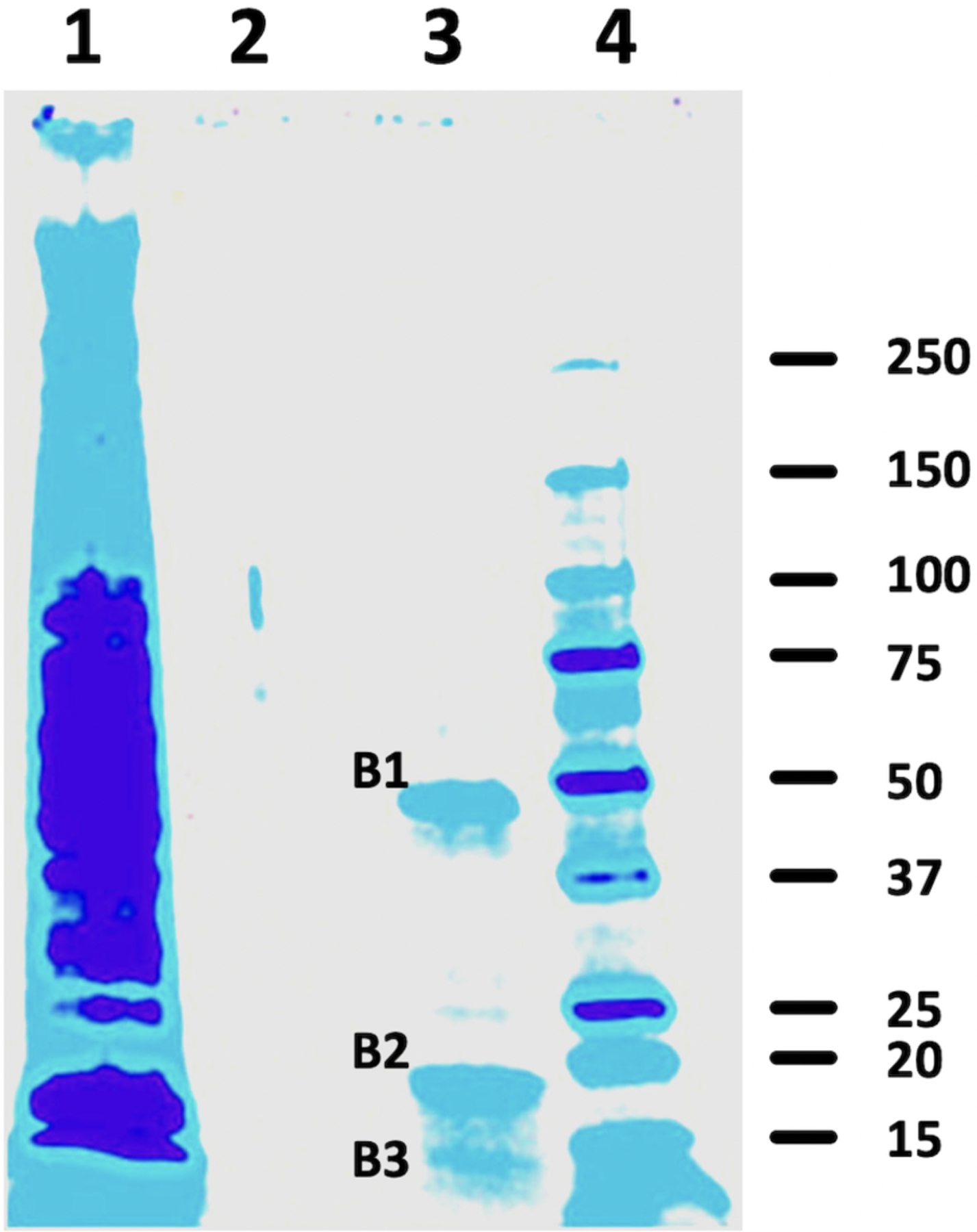 Figure 2
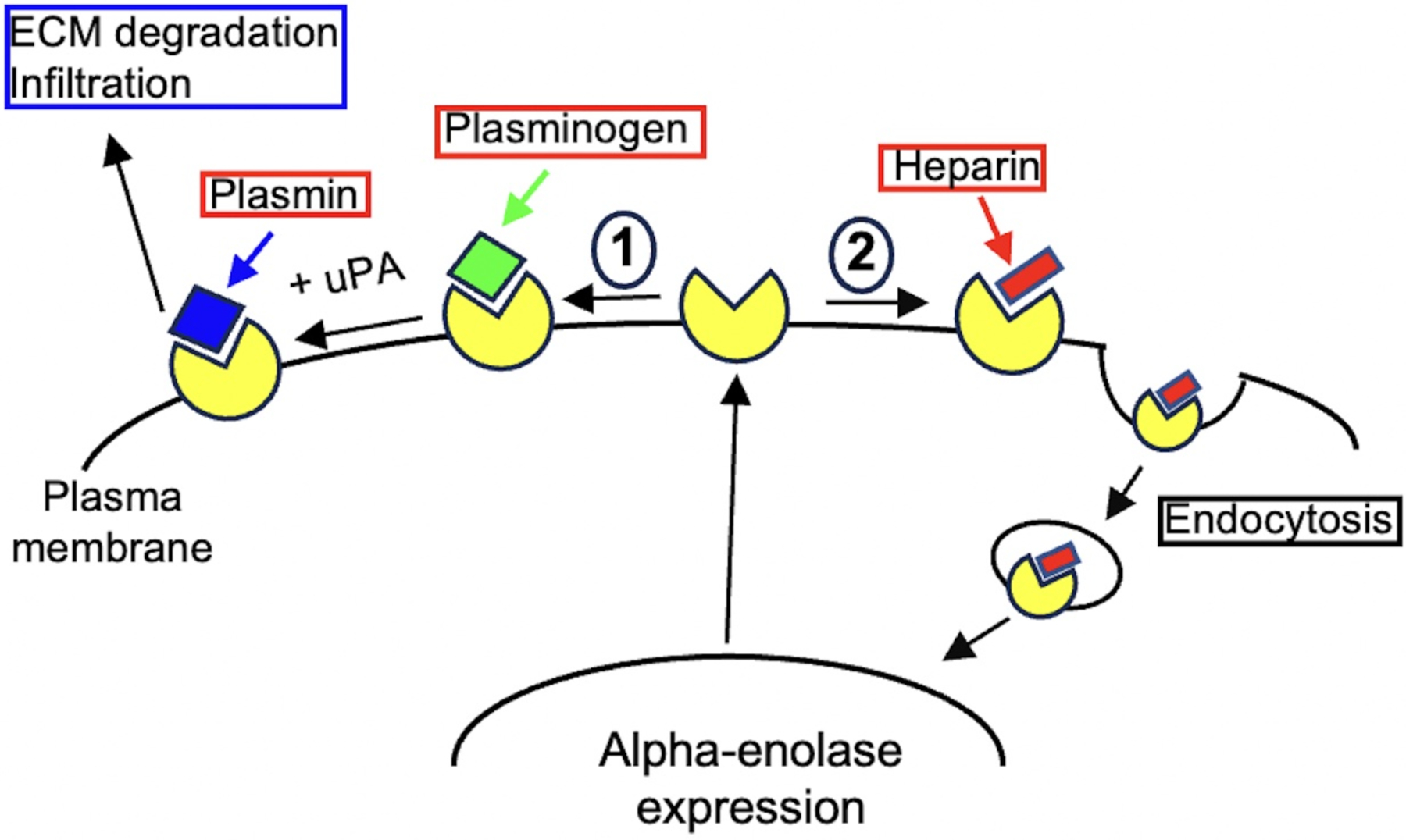 Figure 3
Peer Reviews
No public reviews on file for this paper yet. If you reviewed it on a platform where reviews are public (OpenReview, ICLR, NeurIPS, ICML), you can paste yours below so the community can read it here.
Videos
No videos yet. Explain this paper in a talk, walkthrough, or lecture? Add one.
Taxonomy
TopicsAdipokines, Inflammation, and Metabolic Diseases