Accessible Eco-Friendly Method for Wastewater Removal of the Azo Dye Reactive Black 5 by Reusable Protonated Chitosan-Deep Eutectic Solvent Beads
Oscar Martínez-Rico, Lucía Blanco, Ángeles Domínguez, Begoña González

TL;DR
A new eco-friendly method uses modified chitosan beads to effectively and repeatedly remove a harmful dye from wastewater.
Contribution
A reusable protonated chitosan-deep eutectic solvent bead is developed for efficient azo dye removal.
Findings
Modified chitosan beads achieved complete RB5 dye removal in the 25–250 mg/L concentration range.
The adsorbent showed high regeneration efficiency, with 80.0–87.6% RB5 removal over five cycles.
Maximum adsorption capacities of 116.78 mg/g at 298 K and 379.90 mg/g at 318 K were recorded.
Abstract
A novel approach to enhance the utilization of low-cost and sustainable chitosan for wastewater remediation is presented in this investigation. The study centers around the modification of chitosan beads using a deep eutectic solvent composed of choline chloride and urea at a molar ratio of 1:2, followed by treatment with sulfuric acid using an impregnation accessible methodology. The effectiveness of the modified chitosan beads as an adsorbent was evaluated by studying the removal of the azo dye Reactive Black 5 (RB5) from aqueous solutions. Remarkably, the modified chitosan beads demonstrated a substantial increase in adsorption efficiency, achieving excellent removal of RB5 within the concentration range of 25–250 mg/L, ultimately leading to complete elimination. Several key parameters influencing the adsorption process were investigated, including initial RB5 concentration,…
Genes, proteins, chemicals, diseases, species, mutations and cell lines named across the full text — each resolved to its canonical identifier and authoritative record.
Click any figure to enlarge with its caption.
 Figure 1
 Figure 2
 Figure 3
 Figure 4
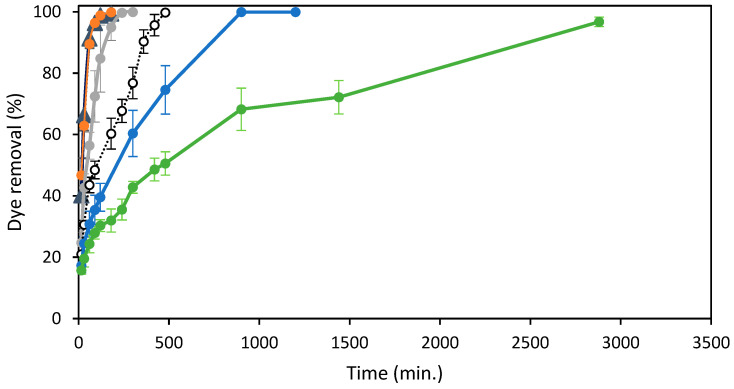 Figure 5
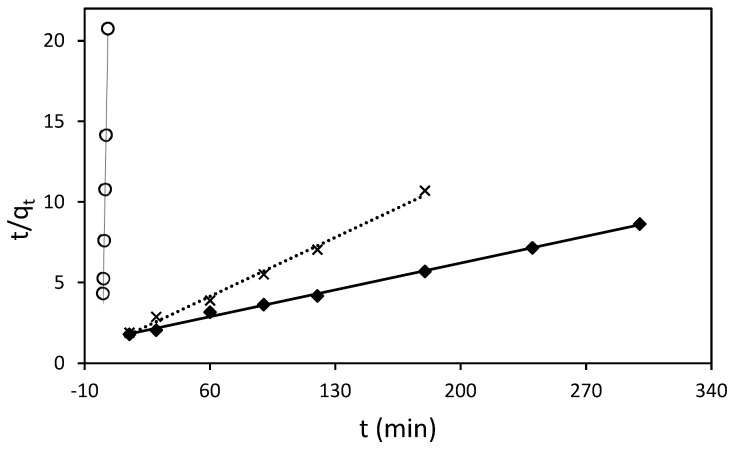 Figure 6
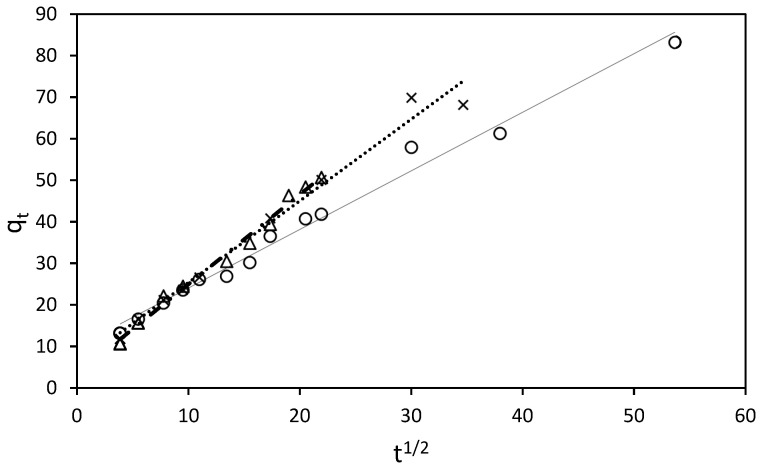 Figure 7
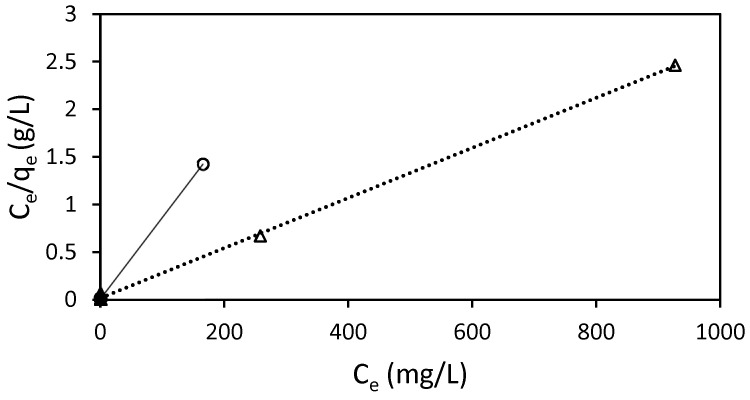 Figure 8
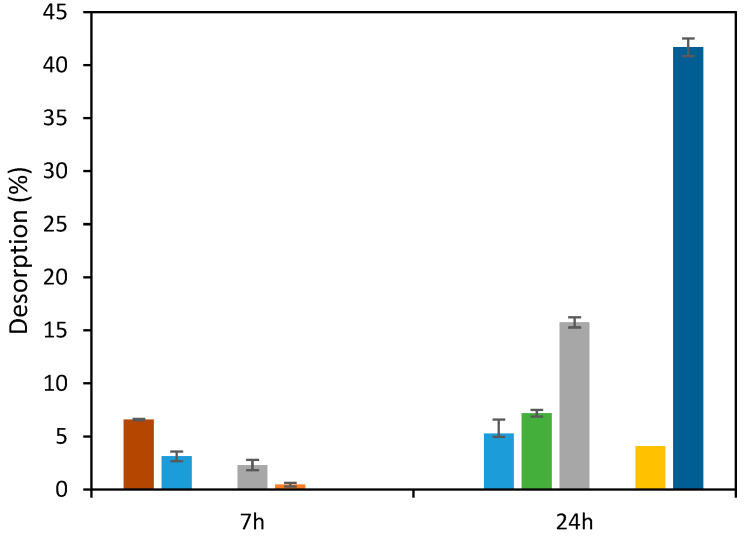 Figure 9
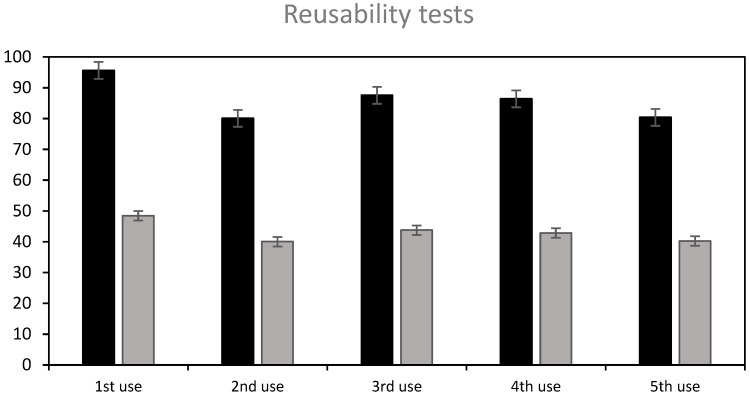 Figure 10
 Figure 11
 Figure 12
Peer Reviews
No public reviews on file for this paper yet. If you reviewed it on a platform where reviews are public (OpenReview, ICLR, NeurIPS, ICML), you can paste yours below so the community can read it here.
Videos
No videos yet. Explain this paper in a talk, walkthrough, or lecture? Add one.
Taxonomy
TopicsGeological and Tectonic Studies in Latin America